


We use cookies to improve your online experiences. To learn more and choose your cookies options, please refer to our cookie policy.
News, Blog, Podcasts - Page 3 - News Search
More filters Reset
Reset
News image  Blog | SecondaryBlog | Highlights | Secondary Blog
 DP result analysis and BCB success!!!!
In my first post of the new academic year, I want to take the opportunity to share and discuss our IBDP results from our first cohort of students to complete the course. I am sure you will have seen the headline figures as they were shared on the BCB instagram. However, I hope to share some context about what these results mean and what we have learned from the experience.
News image  Blog | SecondaryBlog | Secondary Blog
 Reintegrating into Presential School
It actually felt like my first day at BCB on Aug 16th, though I had joined a year back. For the first time, I saw most of the students, used a notebook and pen after a long time and actually had face to face conversations with my colleagues and students. Laughter, chatter, moving of furniture as the students settled into their classrooms all felt new but exciting. I know for a fact that the PE, ART and Science teachers were the most jubilant as finally they could actually do some actual practical teaching.
News image  Blog | SecondaryBlog | Secondary Blog
 International education and intercultural competence
We are all aware of our core value at BCB of being ambitious and having a growth mindset as being part of the group of 73 Nord Anglia Schools but the purpose of education is not just about the self but wider society. Intercultural competence is something that has come to the forefront of international education but what does this mean for our teachers, students and parents as part of the BCB community?
News image  Blog | SecondaryBlog | Secondary Blog
 Careers Week and Holidays.
Years 9 and above this week engaged in our first ever Careers Week at BCB where we enjoyed partnerships with The MET School in Panama, Unifrog, Daqui Pra Fora and some great parent keynote speakers organised by the BCB Parent Teacher Association.
News image  Blog | SecondaryBlog | Secondary Blog
 Step up-Transitioning to Secondary School
At the age of 11 years, children in many school systems transition from primary to secondary school. In most countries worldwide it has been depicted as “one of the most difficult in a pupil's educational careers”( Zeedyk et al., 2003) and a crucial stage in a young adolescent's life .The students are not only changing and growing in remarkable ways but also transitioning to a new phase in their education with much “diversity” both in academic curriculum and social settings . This transition symbolizes a significant life event characterized by various changes not just in the physical school environment, but also in academic rigor and social relations This change also corresponds to the onset of physical and emotional changes associated with puberty, making it one of the most challenging and exciting transitions.
News image  Blog | SecondaryBlog | Secondary Blog
 Careers Week @ BCB.
As we approach the end of the academic year the Secondary team is busy organising the last week of term which is always a strange end in any international school i have worked in. The reports have been published with students receiving their end of year attitude to learning, attainment and comments whilst the tutor who has been mentoring each child for the year shares a comment for the year. So with the last of 3 reports published through iSams what should we do......?
News image 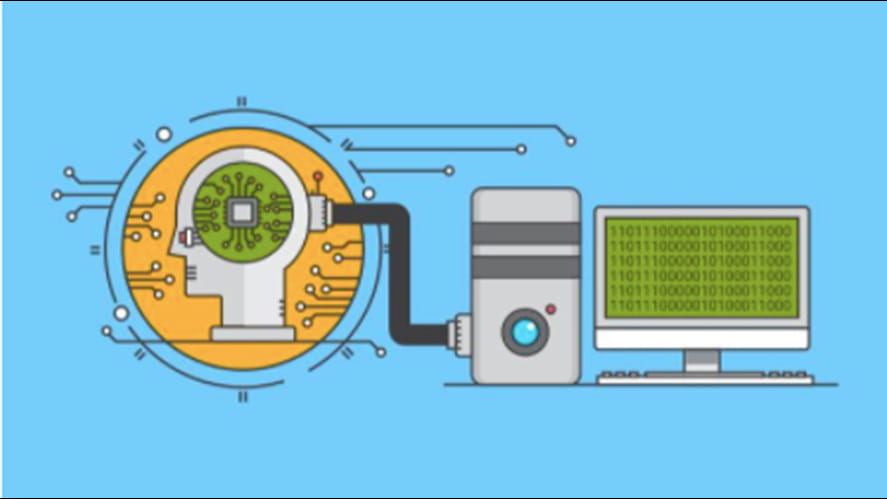 Blog | SecondaryBlog | Secondary Blog
 The Art of Computational Thinking
Can machines think? — Alan Turing, 1950. Less than a decade after breaking the Nazi encryption machine Enigma and helping the Allied Forces win World War II, the great mathematician Alan Turing changed history a second time with a simple question: "Can machines think?"
News image 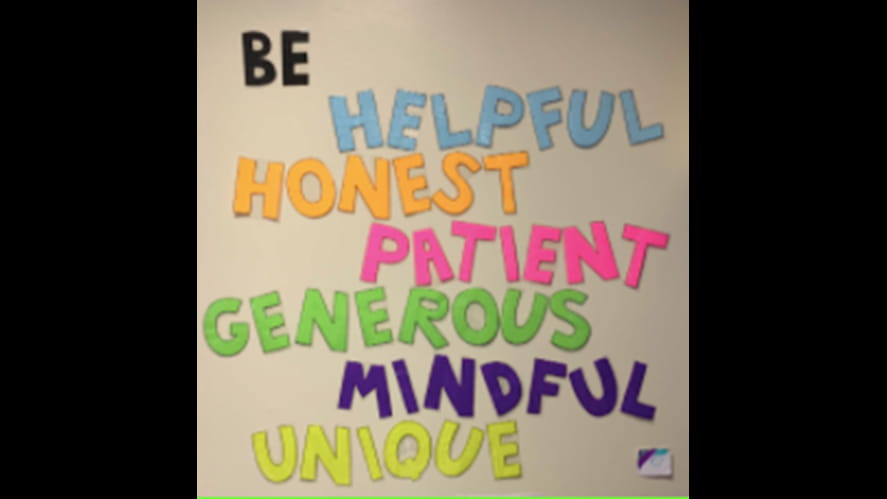 Blog | SecondaryBlog | Secondary Blog
 What’s in a name? Hybrid identities of ourselves and our students
What’s in a name? Are names important? The inspiration for this piece has come from a variety of sources, firstly from a part of the ongoing teacher professional development program about teaching in English in multilingual classrooms and from the Nord Anglia University course I tutor concerning EAL in mainstream classrooms. Finally, from a brief conversation with the Admissions department, where I was told the story of a potential family who were going to register their daughter with an ‘English’ name, ‘Cinderella’. This reminded me of some of the names I was faced with in my earlier days in South Korea; Otto, Harry (Potter) and AceKing, as a few examples.
News image 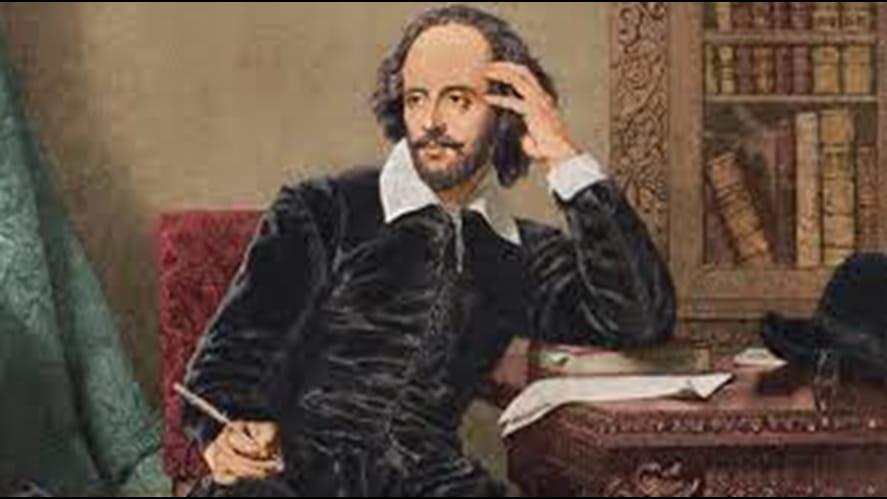 Blog | SecondaryBlog | Secondary Blog
 Would Shakespeare be cancelled in 2021?
One of the areas of exploration in IB Diploma for English is how literature fits into time and space. In other words, how a text may be interpreted and received by audiences across different time periods and cultures. We have already begun developing this kind of conceptual thinking at KS3 this year as we study Shakespeare in term 3.
News image 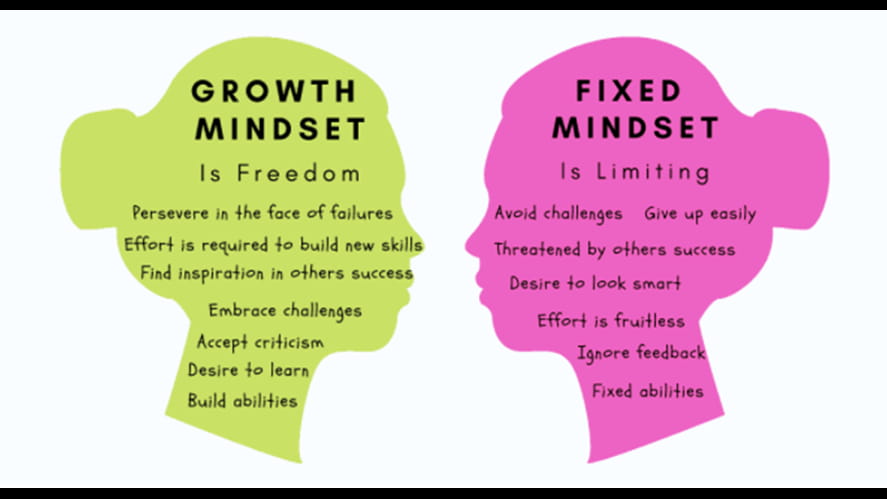 Blog | SecondaryBlog | Secondary Blog
 Growth mindset in mathematics
What is the mindset of a mathematician? Is it someone who just follows rules? Or is it someone who has a mad sense of creativity like Mozart or Einstein? Alternatively, is it someone who has a deep sense of clarity and structure? Or is it someone who has a very fast brain? Is it someone who does extremely fast calculations or someone who takes their time with very deep understanding.
News image  Blog | SecondaryBlog | Secondary Blog
 The use(less)ness of literature
Theodor W. Adorno, a renowned german philosopher, famously said: “To write poetry after Auschwitz is barbaric. And this corrodes even the knowledge of why it has become impossible to write poetry today”. This passage can be found in Cultural Criticism and Society (1949), and it is much cited by all the cultural critics since published. After all, how can we keep doing art in such a difficult time? After facing and experiencing tragedies, what’s the meaning of the art?
News image  Blog | SecondaryBlog | Secondary Blog
 Term 2 STEAM Space Challenges
As part of the STEAM space challenges in collaboration with MIT, our secondary students worked on the MOXIE challenge, presented by Dr. Jeff Hoffmann, professor of aeronautics at MIT. The students were challenged to design a filtering device that could produce clean oxygen on Mars. Our students have been highly engaged in this challenge and we have received fantastic projects from our pupils.
News image 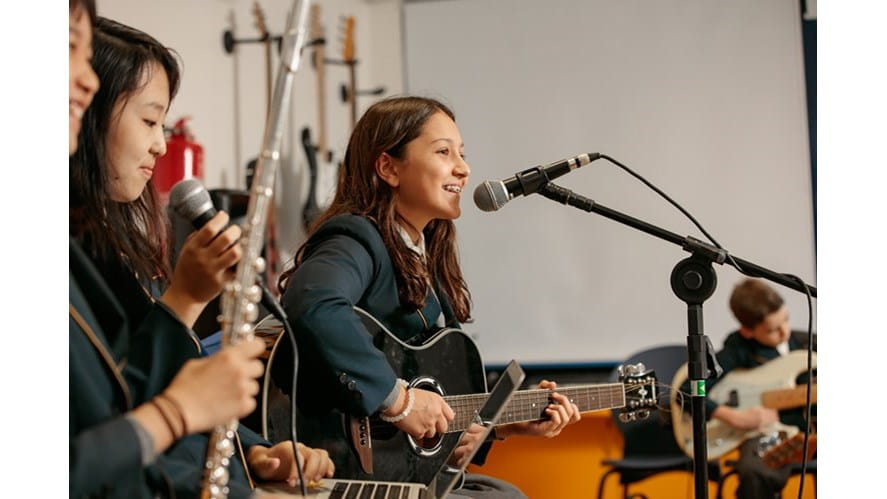 Blog | SecondaryBlog | Secondary Blog
 Music in the world
In this ever changing world, now, more than ever, we feel close to other cultures and peoples, so it is paramount that we learn not only to respect others but also learn how to appreciate and cherish other people’s identity and ways of life.
News image 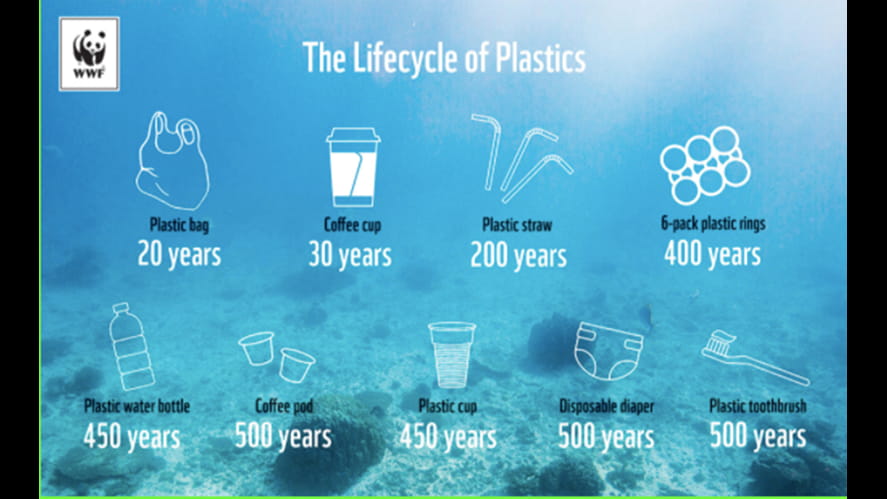 Blog | SecondaryBlog | Secondary Blog
 Ocean of no Confidence
Over 70% of our planet’s surface is covered by water, and the oceans hold over 95% of it. So why do we mistreat our water supplies given how necessary it is to support life on Earth?
News image 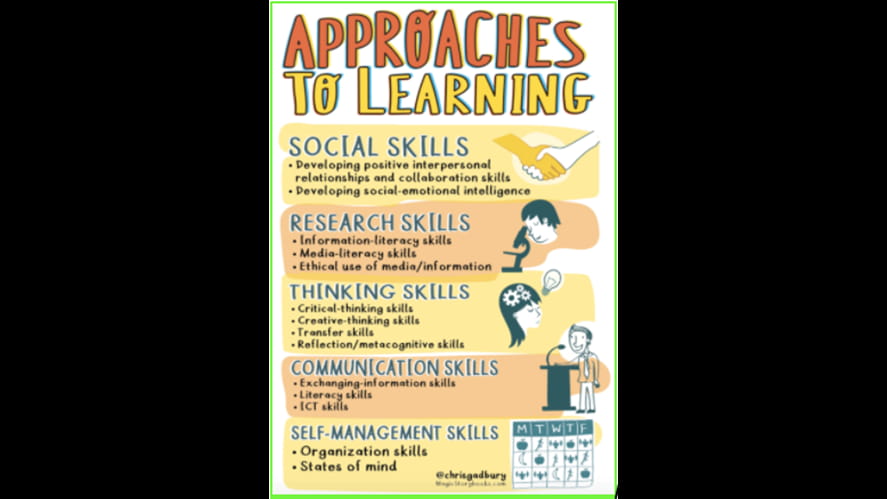 Blog | SecondaryBlog | Secondary Blog
 Responsibility
The International Baccalaureate Diploma Programme emphasises student agency in their education and their progress through the DP. Student agency is emphasised in both the Learner Profile and the IB’s Approaches to Learning (ATL). The IB Learner Profile describes a broad range of human capacities and responsibilities that go beyond academic success. They also imply a commitment for learning to respect oneself, others and the wider world. The ATL illustrates the skills needed for students to develop to become successful life long learners. Taken together the qualities that are developed through studying the IB reflect the transformative potential of the curriculum to produce not only world class students but world class citizens.
News image  Blog | SecondaryBlog | Secondary Blog
 Assessment at BCB
Assessment is a key part of every school. However, it is also an extremely scary part for most students and sadly, exam anxiety is something that most of us remember from our own school days.
News image 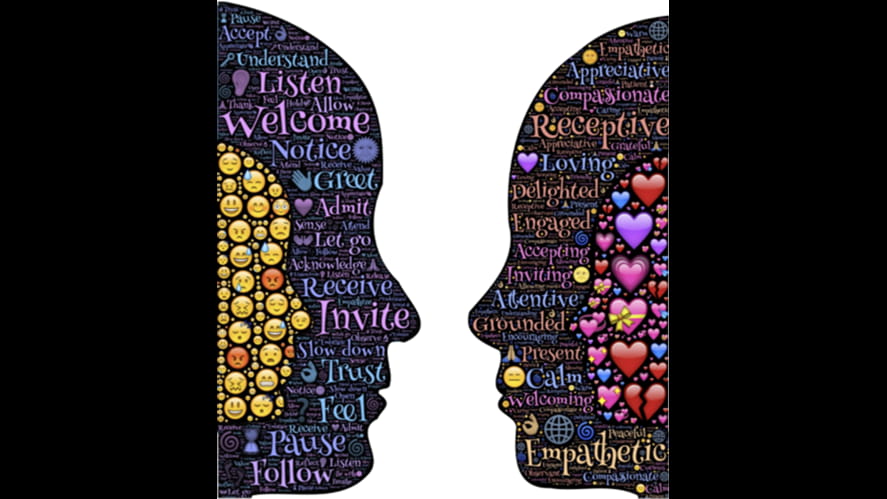 Blog | SecondaryBlog | Secondary Blog
 Inculcating a Culture of Caring
As I settle into my favorite khmer couch that has traveled thousands of miles from Cambodia, I contemplate on this week’s learner profile focus in Key stage 3. I’m reminded of a quote by Robby Novak who is an American media personality best known for portraying Kid President on YouTube and on television. “You don't need a cape to be a hero, you just need to care”. This was also what we asked our students to ponder on, in our weekly assembly this week.
News image 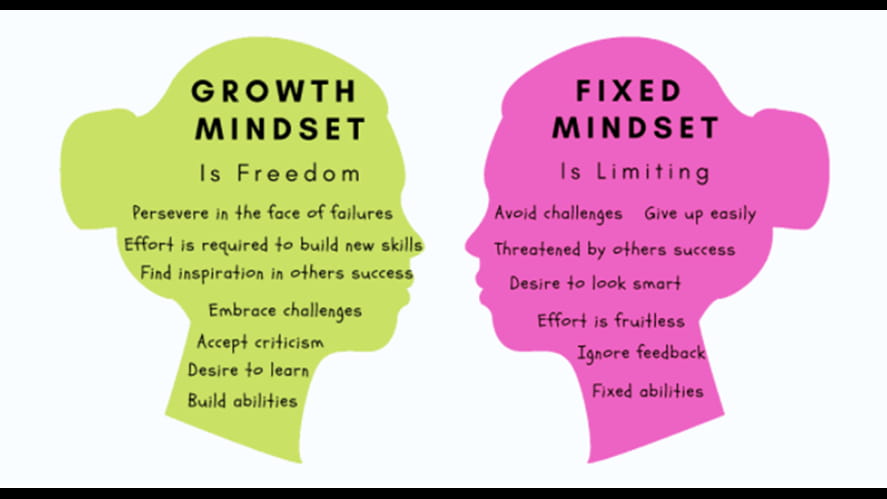 Blog | SecondaryBlog | Secondary Blog
 Falling Forward
We have finished the first ever Mock Exam week for both our year 11 and our first ever graduating class, year 13´s. As I was pondering what to write for my blog I was drawn to what was the core message I wanted to convey at the end of a very significant moment in the short life of BCB.
News image  Blog | SecondaryBlog | Secondary Blog
 Future : Learning Through Innovations!
Today, our lives are far more convenient and easy, with everything we need at our fingertips. The world of computers is growing at an un-recordable rate everyday, and needless to say that computers are the most influential tools in our lives, they are our present and future. We also need to remember at the same time that what we have today is the culmination of hundreds of years of scientific progress and breakthrough. “Inventions such as the Internet and mobile phones have changed the world forever”, I am sure we all agree with this statement and experience the same in our day-to-day living.


