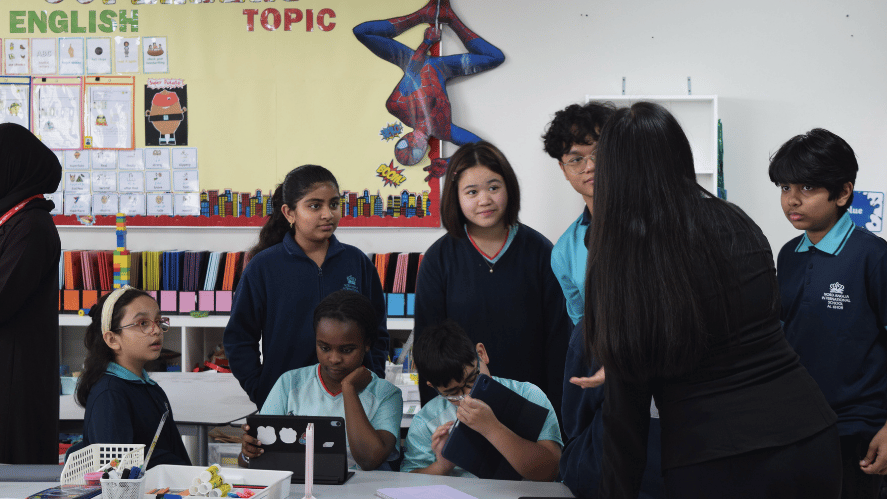
Choosing the right school is one of the most important decisions a parent can make. Whether you're relocating to Qatar, moving within the country, or exploring new educational opportunities for your child, finding the right international school goes far beyond comparing facilities or examination results.
The best schools create environments where children feel safe, inspired and challenged to reach their full potential. They combine academic excellence with personalised learning, outstanding teachers and opportunities that prepare students for success in an ever-changing world.
If you're considering an international school in Qatar, here are ten essential questions every parent should ask before making their decision.
1. What curriculum does the school offer?
The curriculum is the foundation of your child's education, so it's important to understand not only what is taught but also how it prepares students for university and beyond.
Many families choose a British curriculum school in Qatar because it provides a clear academic pathway from the Early Years Foundation Stage (EYFS) through to IGCSEs and A Levels which are qualifications recognised by leading universities around the world.
Ask schools:
- Which curriculum do you follow?
- What qualifications do students graduate with?
- How are students prepared for university?
At Nord Anglia International School Al Khor (NAISAK), students follow the English National Curriculum from ages three to 18, progressing through EYFS, Primary, Secondary, IGCSEs and A Levels.
2. How does the school personalise learning?
Every child has different strengths, interests and ways of learning. A strong international school should recognise these differences and tailor learning experiences accordingly.
Rather than expecting every student to learn at the same pace, personalised learning helps children build confidence while encouraging them to challenge themselves academically.
NAISAK places personalised learning at the heart of its educational approach, combining British academic rigour with individual support to help every student flourish.
Questions to ask:
- How are lessons adapted for different learners?
- How do teachers support students who need extra help?
- How are gifted students challenged?
3. Does the school prepare students for university and life beyond?
Academic achievement is important, but today's students also need skills that employers and universities increasingly value.
Look for schools that develop:
- Critical thinking
- Collaboration
- Creativity
- Communication
- Leadership
- Problem-solving
Students should leave school not only with excellent qualifications but also with the confidence and resilience to thrive in higher education and future careers.
4. Are the teachers experienced and passionate?
Outstanding teachers inspire curiosity and help students develop a lifelong love of learning.
When visiting a school, ask about:
- Teacher qualifications
- Professional development
- Experience teaching the curriculum
- Student-teacher relationships
Experienced educators create classrooms where children feel supported, encouraged and motivated to succeed.
5. What opportunities exist beyond the classroom?
The most memorable learning often happens outside traditional lessons.
A well-rounded international school should offer opportunities in:
- Performing arts
- Music
- Sport
- STEM
- Leadership
- Community service
Nord Anglia students also benefit from global collaborations with organisations such as The Juilliard School, MIT and UNICEF, giving students access to experiences that extend learning beyond the classroom.
These opportunities help students discover new passions while building confidence, teamwork and creativity.
6. Is the school community truly international?
One of the greatest benefits of an international school is learning alongside students from many different cultures.
A diverse community encourages children to become open-minded, respectful and globally aware—qualities that are increasingly valuable in today's interconnected world.
NAISAK is home to students representing more than 45 nationalities, creating an inclusive environment that celebrates cultural diversity while respecting local traditions and values.
7. Do the facilities enhance learning?
Facilities alone don't make a great school, but they should support outstanding teaching.
Look for learning environments that include:
- Modern science laboratories
- Libraries
- Creative arts spaces
- Sports facilities
- Technology-enabled classrooms
- Outdoor learning areas
The best campuses encourage curiosity, collaboration and creativity every day.
8. How does the school support younger learners?
The early years are some of the most important in a child's development.
Schools following the Early Years Foundation Stage (EYFS) focus on:
- Communication and language
- Personal and social development
- Early literacy
- Numeracy
- Creativity
- Learning through play
A nurturing Early Years environment helps children build confidence while developing the foundations for future academic success.
9. Is student wellbeing a genuine priority?
Happy children learn better.
When evaluating an international school, ask how it supports students emotionally as well as academically.
Look for evidence of:
- Strong pastoral care
- Safeguarding procedures
- Mental wellbeing initiatives
- Parent partnerships
- Positive relationships between teachers and students
As Kevin Ferry, Principal of Nord Anglia International School Al Khor, says:
"The Nord Anglia experience nurtures every talent and ability. At NAISAK, every child is safe, happy, and inspired to achieve more. Every moment is a chance to grow and shine."
That philosophy reflects an important truth: students achieve their best when they feel secure, valued and supported.
10. Is the school preparing children for the future?
The jobs today's children will hold may not even exist yet.
That's why leading international schools focus on developing future-ready skills alongside academic excellence.
These include:
- Critical thinking
- Creativity
- Digital literacy
- Adaptability
- Collaboration
- Global citizenship
Nord Anglia Education also places emphasis on developing the human skills that complement emerging technologies, helping students become confident, adaptable learners prepared for tomorrow's world.
Quick Checklist for Parents
Before choosing an international school in Qatar, make sure you can confidently answer these questions:
| Question | Why It Matters |
|---|---|
| Does the curriculum suit my child's future goals? | Determines academic progression and university options. |
| How is learning personalised? | Every child learns differently. |
| Are teachers experienced? | Great teachers inspire lifelong learning. |
| What extracurricular opportunities are available? | Supports holistic development. |
| How does the school prioritise wellbeing? | Happy students achieve more. |
| Is the community diverse? | Builds cultural awareness and global perspectives. |
| Are facilities designed for modern learning? | Enhances educational experiences. |
| How are future-ready skills developed? | Prepares students for tomorrow's careers. |
| What support is available throughout the school journey? | Helps every child reach their potential. |
| Can I visit the school and meet the teachers? | Nothing replaces seeing the school in action. |
Frequently Asked Questions
What is the best international school curriculum in Qatar?
Many families choose the British curriculum because it provides a structured pathway from EYFS through IGCSEs and A Levels, qualifications recognised by universities worldwide.
What should I look for during a school tour?
Observe classroom interactions, speak with teachers and students, explore the facilities and ask how the school supports both academic achievement and student wellbeing.
Why is personalised learning important?
Personalised learning allows every child to develop at their own pace, building confidence while ensuring they are challenged and supported throughout their education.
Choosing the Right School for Your Child
Every family has different priorities, but asking the right questions can help you look beyond brochures and rankings to find a school where your child will truly thrive.
For families exploring international schools in Qatar or considering a British curriculum school in Al Khor, Nord Anglia International School Al Khor offers an example of how academic excellence, personalised learning, global opportunities and student wellbeing can come together to create an inspiring educational experience.
Ultimately, the best way to decide is to visit the school, meet its teachers and students, and experience the community firsthand. The right environment should make both you and your child feel confident about the journey ahead.