Permission to Play: why play matters for children and adults
For International Day of Play 2026, Nord Anglia Education launched Permission to Play, a piece of work exploring how modern life is changing our relationship with play, enjoyment, and wellbeing.
Through new research, expert insights, and conversations with families, it examines a growing tension facing many adults: the pressure to constantly optimise, improve, and make every moment count.
Today, almost every aspect of our lives can be measured, tracked, and analysed. We monitor our sleep, count our steps, track our productivity, and increasingly feel pressure to use our time efficiently.
While ambition and achievement have their place, our research suggests many parents are finding it harder to switch off, embrace downtime, and do things simply because they enjoy them.
What can adults learn from the way children play?
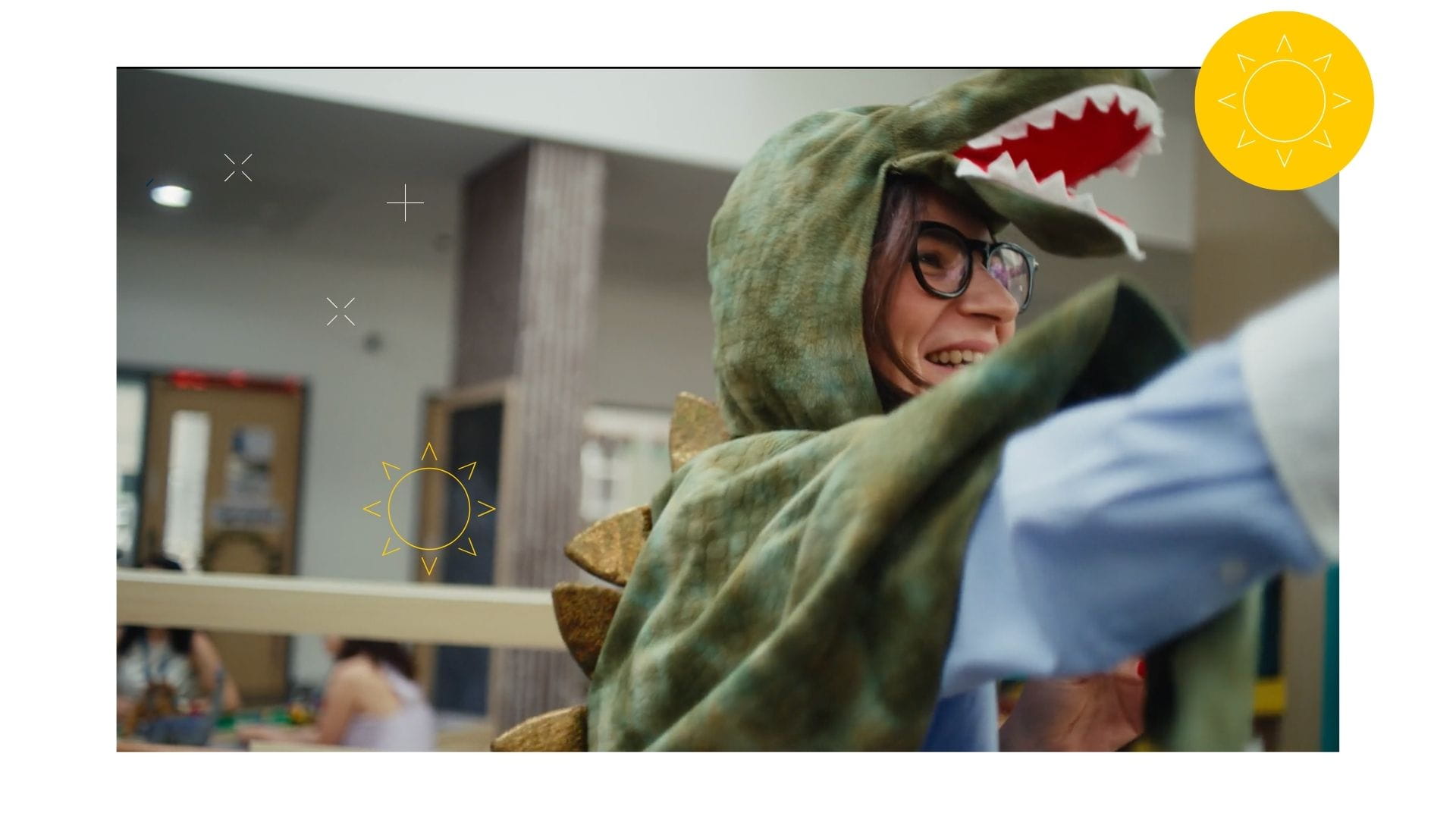
In contrast, children continue to approach play differently. They create, imagine, explore, and have fun not because there is an outcome to achieve, but because the experience itself brings them joy.
Permission to Play flips the script by giving children the authority to give their parents permission to play. Through personalised permission slips, classroom conversations, and playful experiences, the campaign highlights a simple but powerful truth:
Play is not separate from learning. It is fundamental to creativity, confidence, wellbeing, connection, and lifelong development.
Discover the Permission to Play report
Download the report to explore the findings, expert perspectives, and practical insights into how play can support learning, creativity, wellbeing, and stronger family relationships.
At Nord Anglia Education, we see the value of play every day in our schools. Through Permission to Play and our latest report, we invite parents, educators, and communities to rediscover why play matters at every age.