




We use cookies to improve your online experiences. To learn more and choose your cookies options, please refer to our cookie policy.
23 March, 2026
What an international school community looks like in everyday life
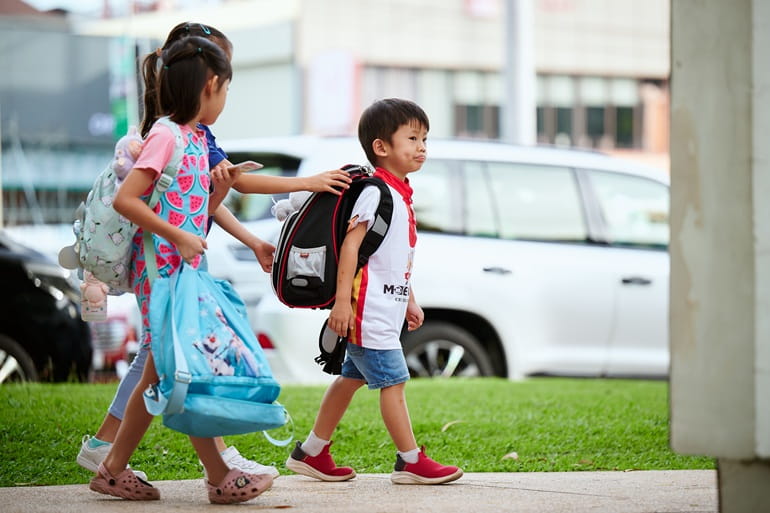
An international school community is often discussed in admissions conversations and school websites, but families sometimes wonder what that actually looks like in daily life. Beyond formal programmes or events, community is usually built through the small routines and interactions that shape how students, parents, and teachers connect with one another over time.
For families joining Northbridge International School Cambodia, this sense of community often becomes visible through everyday school routines and the ways parents and students gradually become part of the learning environment.
“Families often arrive with the expectation that a school with a strong academic reputation will feel quite formal or distant,” explains Donita Bell, Assistant Head of Primary at Northbridge International School Cambodia. “What many parents notice instead is how approachable and connected the community feels once they start interacting with teachers and other families.”
These early impressions are usually formed through the practical structures that bring parents, students, and staff into regular contact.
Daily routines that build school connections
Many of the first community connections begin with simple daily interactions.
In the primary school, families typically collect their children from the classroom at the end of the school day, which naturally creates opportunities for short conversations with teachers and other parents. For many families, these brief interactions become the first step in building relationships within the school community.
“Those small moments at the start or end of the school day matter more than people sometimes realise,” says Karel Van Der Linden, Deputy Head of Primary at Northbridge International School Cambodia. “They allow parents to ask quick questions, share updates, and gradually get to know the people around them.”
Alongside these informal conversations, digital communication tools such as Seesaw help parents stay connected with classroom learning. Teachers regularly share updates, photos, and examples of student work so families can see what their children are learning and how they are settling into school life.
This regular communication helps families feel included in the learning community, even during the earliest weeks of joining the school.
School events that bring families together
While daily routines help build familiarity, school events create additional opportunities for families to connect more deeply with the community.
Across the school year, Northbridge hosts a range of gatherings that allow parents to engage with the school beyond the classroom. These include parent coffee mornings, class assemblies, sports events, and curriculum evenings where teachers share how learning takes place in different year groups.
“These events give families time to connect in a relaxed setting,” explains Ms Bell. “Parents often meet others who are at a similar stage of their child’s education, and those conversations can quickly turn into friendships or support networks.”
Early years and primary events such as the EL Extravaganza or parent workshops also allow families to see learning in action while building stronger school connections with other parents and teachers.
Understanding the diversity within an international school community
One aspect of the international school community that sometimes surprises new families is the diversity within it.
While many parents expect an international school to serve mainly expatriate families, they often find that the community includes both international and local families, along with teachers from different parts of the world.
“Families are sometimes surprised by the diversity they encounter when they join the school,” says Mr Van Der Linden. “You might see students learning alongside classmates from different cultural backgrounds, and teachers bringing experience from many different education systems.”
For many students, this diversity becomes part of their everyday learning experience. Working alongside classmates with different perspectives can help students develop confidence communicating with others and navigating a global environment.
How families gradually become part of the community
Becoming part of an international school community rarely happens all at once. Instead, it develops gradually as families participate in everyday routines, attend school events, and build relationships with other parents.For younger students, parents often begin by engaging closely with classroom communication and school activities. Over time, many families choose to take part in larger community events, parent discussions, or student performances.
These opportunities allow families to understand the rhythms of the school year and feel more connected to the wider school environment.
At Northbridge International School Cambodia, this gradual integration is an important part of how the school supports both students and families as they settle into a new learning environment.
Parents who wish to understand more about how the school community works in practice are always welcome to speak with teachers or school leaders to learn how families become part of daily life at the school.
Related news
News image ![emyp 2 2026]() News | Whole School | Secondary
News | Whole School | Secondary
 News | Whole School | Secondary
 Why Standardised Testing Matters in an Inquiry-Based IB Education
Discover how inquiry-based learning at Northbridge International School Cambodia drives strong IB results, academic excellence, and university success.
News image ![BritCham]() News | Whole School
News | Whole School
 News | Whole School
 BritCham Interview with Christopher Short Interim Principal
Meet Northbridge’s Interim Principal as he shares his first impressions of Cambodia, educational philosophy, career journey, and advice for students.


