




We use cookies to improve your online experiences. To learn more and choose your cookies options, please refer to our cookie policy.
23 March, 2026
How international schools support student wellbeing when children join a new school

Families exploring international schools in Phnom Penh often find themselves wondering the same thing: how quickly will their child feel settled and confident in a new environment?
Student wellbeing is not simply about how children feel on a particular day. In well structured schools, it reflects a set of everyday systems that help students build relationships, understand routines, and feel comfortable asking for support when they need it.
At Northbridge International School Cambodia (NISC), these systems begin before a student’s first day and continue throughout school life, helping each child gradually build confidence in their new environment.
“Supporting student wellbeing starts with understanding each student as an individual,” explains Robbie Alexander, Deputy Head Pastoral at Northbridge International School Cambodia. “Before students arrive, our academic and pastoral teams review transition information carefully so we understand their previous learning experiences and how we can support them from the start.”
This preparation allows teachers and pastoral staff to welcome new students with a clearer understanding of their background, which helps the transition feel more structured and reassuring.
Helping students feel known from the first day
The first weeks at a new school can shape how comfortable students feel participating in lessons, asking questions, and forming friendships.
At Northbridge, new students are introduced to a small network of people who help guide them through those first days, ensuring they understand routines and expectations.
“Students are allocated an Advisor, a buddy, and a House team before they arrive,” says Mr Alexander. “On their first day they are welcomed by their Advisor and Grade Level Leader, and that combination of peer and adult support helps them settle more quickly.”
These early connections help students build children’s confidence and give them familiar people they can approach with questions.
Everyday structures that support student wellbeing
While the first day is important, student wellbeing develops through consistent daily routines.
At Northbridge, the secondary advisory system plays a central role in this process. Students meet regularly with their Advisor, who becomes a consistent point of contact throughout the school year.
“Daily advisory provides every student with a trusted adult they see regularly and can speak to if they need guidance or support,” Mr Alexander explains. “It helps students know exactly who they can go to if they have questions.”
Pastoral staff, counsellors, and safeguarding leaders also remain visible and accessible across the school day. Clear safeguarding information is displayed around the school so students know where to go if they need help.
Alongside these structures, programmes such as PSHE contribute to social and emotional learning, helping students develop the confidence to ask for help, manage new situations, and support one another.
Monitoring how students settle over time
Supporting student wellbeing also means checking carefully how students are settling during their first weeks.
Teachers and pastoral staff monitor this informally through daily contact, and a more structured check takes place several weeks after a student joins the school.
“A formal three week review helps us understand how well the student has settled and whether any additional support may be helpful,” says Mr Alexander. “Because academic and pastoral teams share information, we can respond quickly if a student needs extra guidance.”
This coordinated approach allows teachers to monitor not only academic progress but also how comfortable and confident students feel within the school community.
Keeping parents informed during the transition
Families also play an important role in supporting student wellbeing, particularly during the early weeks of joining.Communication between home and school begins immediately. Advisors contact families on a student’s first day to establish a direct line of communication, and informal updates continue during the first weeks.
“Advisors maintain regular contact with families, particularly during the early weeks of a student joining the school,” Mr Alexander explains. “That communication helps parents understand how their child is settling socially and emotionally.”
Parents also receive Advisor reports as part of the school’s reporting cycle and are invited to meet teachers during parent conferences and school events.
These regular conversations help build the strong home school partnership that supports happy students over time.
Building confidence through consistent care
When students feel known, supported, and able to ask for help, they are far more likely to participate confidently in their learning.Strong student support systems emerge through consistent pastoral structures, clear communication, and close collaboration between teachers, students, and families.
At Northbridge International School Cambodia, these systems form part of the school’s wider commitment to helping students feel settled, confident, and ready to engage fully with their education.
Families who wish to understand more about how students are supported during their transition to school are always welcome to speak with the school’s academic and pastoral leaders to learn more about how these systems work in practice.
Related news
News image ![emyp 2 2026]() News | Whole School | Secondary
News | Whole School | Secondary
 News | Whole School | Secondary
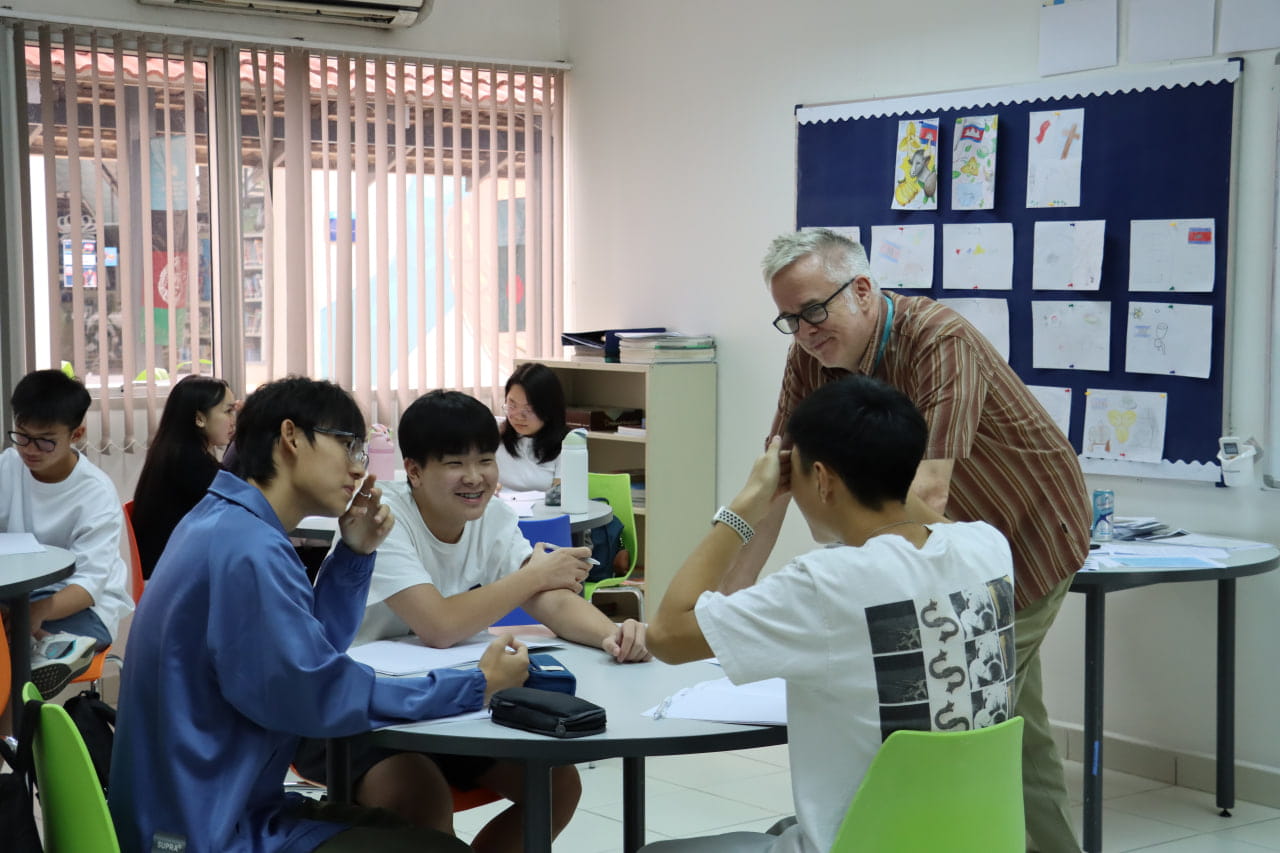
 Why Standardised Testing Matters in an Inquiry-Based IB Education
Discover how inquiry-based learning at Northbridge International School Cambodia drives strong IB results, academic excellence, and university success.
News image ![BritCham]() News | Whole School
News | Whole School
 News | Whole School
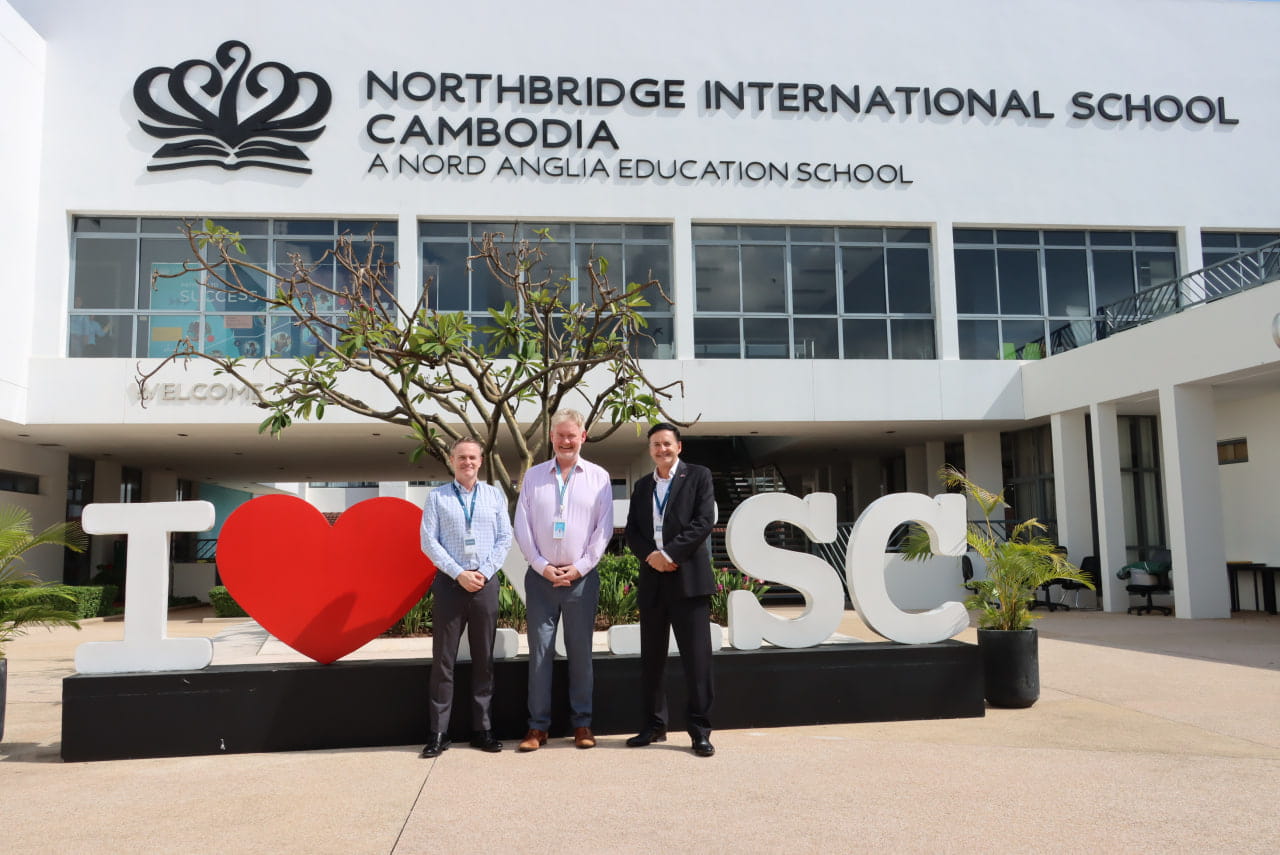
 BritCham Interview with Christopher Short Interim Principal
Meet Northbridge’s Interim Principal as he shares his first impressions of Cambodia, educational philosophy, career journey, and advice for students.


