.jpg?h=1667&iar=0&w=2500&rev=4eb7c038557b452fafc4ba2cb9dfe62c&hash=F9F18DD4DCF45C97EC0A2FBA239DE326 "IB or BTEC")
We use cookies to improve your online experiences. To learn more and choose your cookies options, please refer to our cookie policy.

27 January, 2026
How to Choose Between IB and BTEC: Finding the Right Path for Your Future
.jpg?h=1667&iar=0&w=2500&rev=16ac729ed02b4f74b3691e3780ff0da6&hash=6E65C9B719F9C2F92A806BDD54FE44B0 "IB or BTEC")
Choosing between the International Baccalaureate Diploma Programme (IBDP) and the BTEC International Level 3 Diploma Progamme is a significant decision for students moving into Key Stage 5 or post-16 education. Each pathway offers unique opportunities and caters to different learning styles, career aspirations, and university goals. This article compares both programmes and highlights the key factors to consider when making your choice.
Final decisions are always personalised, taking each student’s unique strengths, interests, and future plans into account.
IB and BTEC: Shared Expectations for Senior School Students
While IB and BTEC differ in structure, both pathways require a high level of commitment and maturity. Students in either programme are expected to:
- Demonstrate critical thinking and a willingness to explore new ideas
- Be self-motivated and capable of managing their own learning
- Show resilience and cope with a demanding workload
- Maintain strong time-management skills to meet deadlines and balance responsibilities
- Work effectively as collaborative learners, participating in group work and team-based projects
Regardless of the path chosen, success in Senior School begins with a proactive mindset and a positive attitude toward learning.
IB vs BTEC Comparison
The table below compares the key features of each qualification, illustrating their differences in focus, assessment, and learning style.
Factor | IB Diploma Programme | BTEC International Level 3 Extended Diploma |
Focus | Academically rigorous, broad-based programme with a focus on critical thinking and independent learning. | Practical, work-related learning with a focus on real-world skills and applied knowledge. |
Subject Range | Six subjects: three at Higher Level and three at Standard Level, plus Core components (CAS, TOK, Extended Essay). | Students typically study 15–18 units linked to specific career fields, such as Business, IT, and Sport. |
Assessment Style | Combination of final exams and coursework, including the Extended Essay. | Coursework-based with continuous assessment and no traditional exams. |
Ideal for | Students who enjoy academic challenges and wish to study a broad range of subjects. | Students who, alongside academic challenge, also prefer applied learning and want to develop skills aligned with specific career interests. |
University Recognition | Globally recognised for university admissions, offering a broad foundation for university options. | Recognised by universities worldwide, including the UAE, providing access to academic, vocational and professional courses. |
Learning Style | Interdisciplinary, research-based, academic learning. | Practical, hands-on coursework focusing on real-world application, with specialised learning for in-depth study in a particular subject. |
Skills Developed | Critical thinking, research skills, independent study, analytical writing, and exam preparation. | Industry-specific skills, work-related experiences, and long-term project development. |
Understanding the IB Diploma Programme
The IB Diploma Programme (IBDP) is designed to offer a well-rounded, academically rigorous education that prepares students for university and beyond. It emphasises critical thinking, independent research, and the ability to manage diverse academic demands.
Students following the IBDP take six subjects - one subject from each of Groups 1 to 5, plus one elective - with three at Higher Level and three at Standard Level. They will also complete the Core elements: Creativity, Activity, Service (CAS), Theory of Knowledge (TOK), and the Extended Essay.
This curriculum is ideal for students who:
- Have interests across a broad range of subjects
- Are comfortable with interdisciplinary thinking
- Can manage multiple academic demands effectively
- Perform well in exam situations
- Want to keep their university options open
The IBDP is recognised globally and is highly regarded for university admissions.
Understanding the BTEC International Level 3 Diploma
The Business and Technology Education Council (BTEC) International Level 3 Extended Diploma offers a more vocational pathway, focusing on practical, work-related learning that helps students develop industry-specific knowledge and skills.
Unlike the IB, BTEC students complete coursework-based assessments through long-term assignments and projects rather than final exams. They typically study 15-18 units as part of the BTEC Level 3 Extended Diploma, each related to their chosen field.
The BTEC pathway is ideal for students who:
- Have a particular interest in a subject or industry
- Prefer an ongoing assessment model over exams
- Thrive in coursework and project-based environments
- Enjoy developing skills through real-world application
- Want to build knowledge aligned with particular career goals
The qualification is widely recognised by universities, including in the UAE, and supports progression to academic, vocational, and professional degrees.
.jpg?rev=3a17c0bee0fd450ba1f417c173d2bdf5&hash=B13B8FEEE73FD81BB7DB92B1AEFC85CA)
Key Factors to Consider When Choosing
When deciding between the IB and BTEC Diploma Programmes, think carefully about your personal preferences and long-term aspirations:
- Your Learning Style: Do you prefer academic, research-based learning (IBDP) or practical, hands-on coursework (BTEC)?
- Career Aspirations: The IBDP offers a broad academic foundation that keeps many career pathways open, while the BTEC provides focused, specialised learning for students who prefer a more applied route into their chosen field.
- University Preferences: Check whether your preferred universities accept both qualifications for your desired course.
- Assessment Style: The IBDP involves both final exams and coursework, whereas BTEC is based primarily on continuous assessment.
- Time Management: Both pathways require strong discipline, time management, and independent study, whether balancing coursework and exams in the IBDP or managing deadlines and ongoing projects in the BTEC.
Conclusion
Both the IB and BTEC Diploma Programmes offer valuable pathways to success, each with distinct strengths. The choice between the two depends on your learning preferences, career ambitions, and university goals. Whether you excel in a challenging academic setting or thrive through applied, industry-focused learning, BIS Abu Dhabi provides both pathways to help you create your future.
Want to learn more? Speak to our University and Careers Counsellor, Ms. Rachel Batty (Rachel.Batty@bisad.ae), to explore which path is best for you!
Related news
News image  Blog | Advice and Guidance | Choosing A School | Nord Anglia Education
.jpg?h=499&iar=0&w=887&rev=2117df3a6cb94983b0795be1a159c27b&hash=8878DCEFD5BBE6AE80A5F34BD0CA64AD "Why Choose BIS Abu Dhabi?") Blog | Advice and Guidance | Choosing A School | Nord Anglia Education
Blog | Advice and Guidance | Choosing A School | Nord Anglia Education Why Choose The British International School Abu Dhabi | Outstanding ADEK School
Choosing the right school is a big decision. Learn what makes our Outstanding ADEK school stand out, from personalised learning and wellbeing to world‑class pathways that support every learner’s success.
News image  News | School News | Secondary | Student Achievement
 News | School News | Secondary | Student Achievement
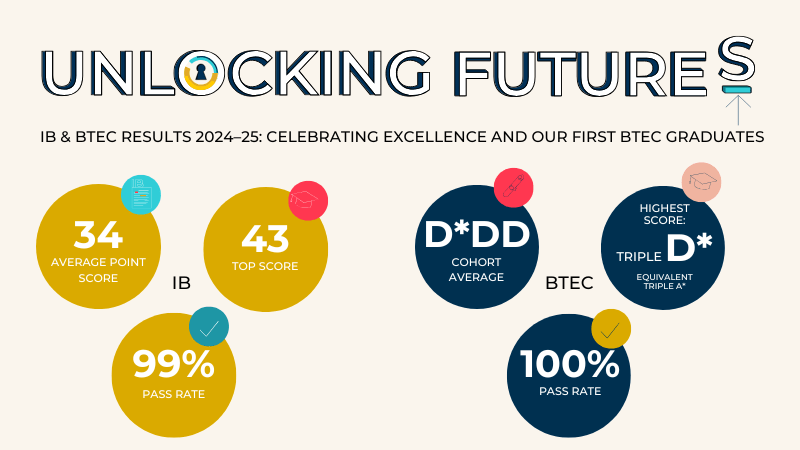
 Exceptional IB and BTEC Results at BIS Abu Dhabi
We’re proud to share that students at The British International School Abu Dhabi are celebrating another year of outstanding success in the IB Diploma Programme, as well as a landmark achievement with our first ever BTEC International Level 3 Extended Diploma results for the 2024/25 academic year. Read on to discover how our students excelled in both academic and vocational pathways, and what exciting opportunities lie ahead.
News image  News | Secondary | Student Achievement | Choosing A School
 News | Secondary | Student Achievement | Choosing A School
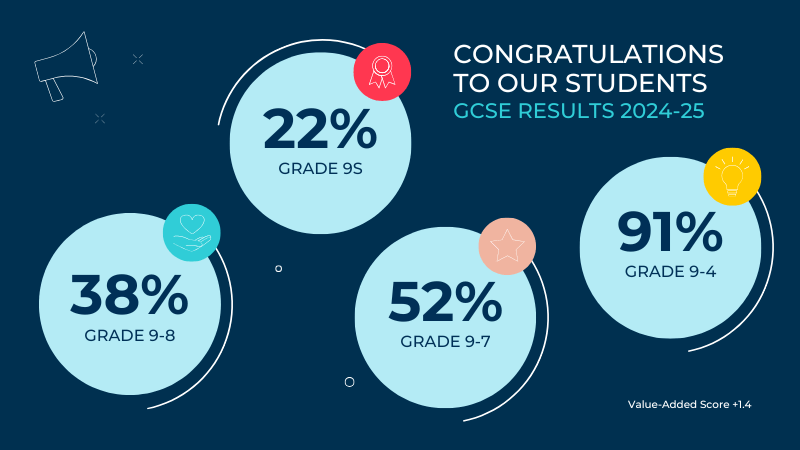
 Academic Excellence Continues at BIS Abu Dhabi with Outstanding GCSE Results
We are proud to celebrate another year of outstanding GCSE results at The British International School Abu Dhabi. Our students have once again demonstrated exceptional academic achievement and remarkable personal growth, continuing a strong trend of year-on-year improvement. Discover the stories behind the success in the full article.
News image ![Learning Without Limits Inclusive Education at BIS Abu Dhabi - Learning Without Limits Inclusive Education at BIS Abu Dhabi]() Blog | Choosing A School | Educational Insights | Wellbeing and Pastoral Care
Blog | Choosing A School | Educational Insights | Wellbeing and Pastoral Care
 Blog | Choosing A School | Educational Insights | Wellbeing and Pastoral Care
 Learning Without Limits: Inclusive Education at BIS Abu Dhabi
At BIS Abu Dhabi, inclusion isn’t a separate initiative, it’s the foundation of everything we do. From the moment a student joins us, they are welcomed into a caring, respectful, and inclusive environment, guided by the values of Kindness, Honesty, and Respect. Discover how this ethos shapes every classroom, corridor, and connection in our school community in this blog.
.png?rev=1619813b30a347d9bc71977e2cfe09d2&hash=66B98CDC659BBF07EB36660B4381E1E7)