.jpg?h=249&iar=0&w=374&rev=03bee5ab1d2c41fabd2c427ac897415e&hash=38A635EBCF2CE5A181170C066BB49369)
We use cookies to improve your online experiences. To learn more and choose your cookies options, please refer to our cookie policy.

11 December, 2025
New Nord Anglia research shows that screen free tools can boost student wellbeing

Nord Anglia Education, the leading international schools organisation, has unveiled new research demonstrating that simple, sensory-based, screen-free wellbeing tools significantly enhance students’ emotional regulation, focus, and resilience.
The three-month pilot study, conducted across four Nord Anglia international schools, comes amid growing global concern over excessive screen time and follows Australia’s recent launch of the world’s first social media ban for school-aged children.
Key Findings:
- 77% of teachers reported improved emotional regulation among students using the tools.
- 60% of students experienced emotional improvement, moving to an optimal state of wellbeing.
- 83% of teachers observed reduced sensory overload; 67% reported less anxiety and fear in their classrooms.
The screen-free tools are designed to promote calm and focus through sensory engagement:
- Breathing Lights: Colour-changing lights guide students through calming breathwork, helping them regulate emotions independently.
- Stix: Handheld devices offering audio prompts, visual cues, and gentle vibrations to support mindfulness and movement-based exercises.
- StoryPhones: Premium headphones preloaded with soothing sounds, creating an immersive, screen-free environment to reduce sensory overload and improve concentration.
Effectiveness of Tools:
- Breathing Lights: 92% effectiveness in helping students achieve calm and reduce stress.
- StoryPhones: 81% effectiveness, with 67% of teachers strongly agreeing they reduced impulsive behaviours.
- Stix: Supported 58% of students, particularly in mindfulness and movement regulation.
The study involved six teachers and 36 students (Years 2–12), using a combination of surveys, self-reflections, teacher observations, and focus groups. Teachers implemented the tools autonomously in real classroom settings, ensuring authentic and practical insights.
Dr Elise Ecoff, Chief Education Officer at Nord Anglia Education, commented:
"Wellbeing is at the heart of learning at Nord Anglia. These findings show that simple, practical interventions can make a profound difference to how students feel, engage, and succeed in the classroom. It demonstrates how thoughtfully designed technology can support student wellbeing in meaningful ways."
Related news
News image ![Nord Anglia Education celebrates 10 years of its Juilliard-Nord Anglia Performing Arts Programme - Nord Anglia Education celebrates 10 years of its Juilliard-Nord Anglia Performing Arts Programme]() Press Releases | Featured | Group News | News From Our Schools
Press Releases | Featured | Group News | News From Our Schools
 Press Releases | Featured | Group News | News From Our Schools
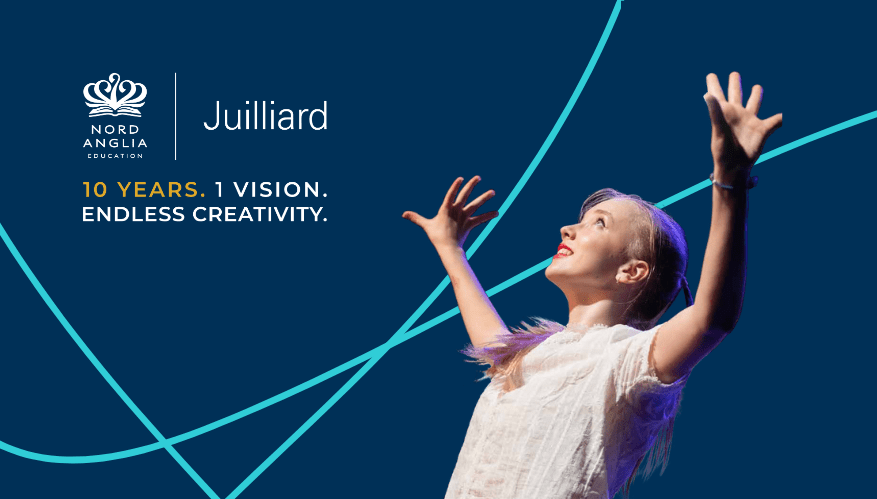
 Nord Anglia Education celebrates 10 years of its Juilliard-Nord Anglia Performing Arts Programme
The Juilliard-Nord Anglia collaboration is a unique, world-class global arts education that sparks creativity, confidence, and connection in students of all ages at Nord Anglia schools.
News image ![Nord Anglia’s US Schools Achieve Top Rankings in Niche’s Best Private K–12 Schools List for 2026 - Nord Anglia US Schools Achieve Top Rankings in Niche Best Private K12 Schools List 2026]() Press Releases | Featured | Group News | News From Our Schools
Press Releases | Featured | Group News | News From Our Schools
 Press Releases | Featured | Group News | News From Our Schools
 Nord Anglia’s US Schools Achieve Top Rankings in Niche’s Best Private K–12 Schools List for 2026
Nord Anglia schools ranked in the US’s top 2% K-12 private schools.
News image ![Nord Anglia becomes first international schools group - Nord Anglia Education and Project Zero Thinking Routines]() Press Releases
Press Releases
/bis_houston_2024_0934/bis_houston_2024_0934/bis_houston_2024_0934.jpg?h=1280&iar=0&w=1920&rev=fd5fc37fa9b34809b965857d87d214a3&hash=FC2B42ED4188341606F95AF4A3E2580E) Press Releases
Press Releases Nord Anglia Education becomes first international schools group to create new ‘Thinking Routines’ in collaboration with Project Zero
Nord Anglia Announce 17 New Thinking Routines in Collaboration with Researchers from Project Zero
News image ![Nord Anglia appoints new CLO - Nord Anglia appoints new CLO]() Press Releases | Group News | Featured
Press Releases | Group News | Featured
 Press Releases | Group News | Featured
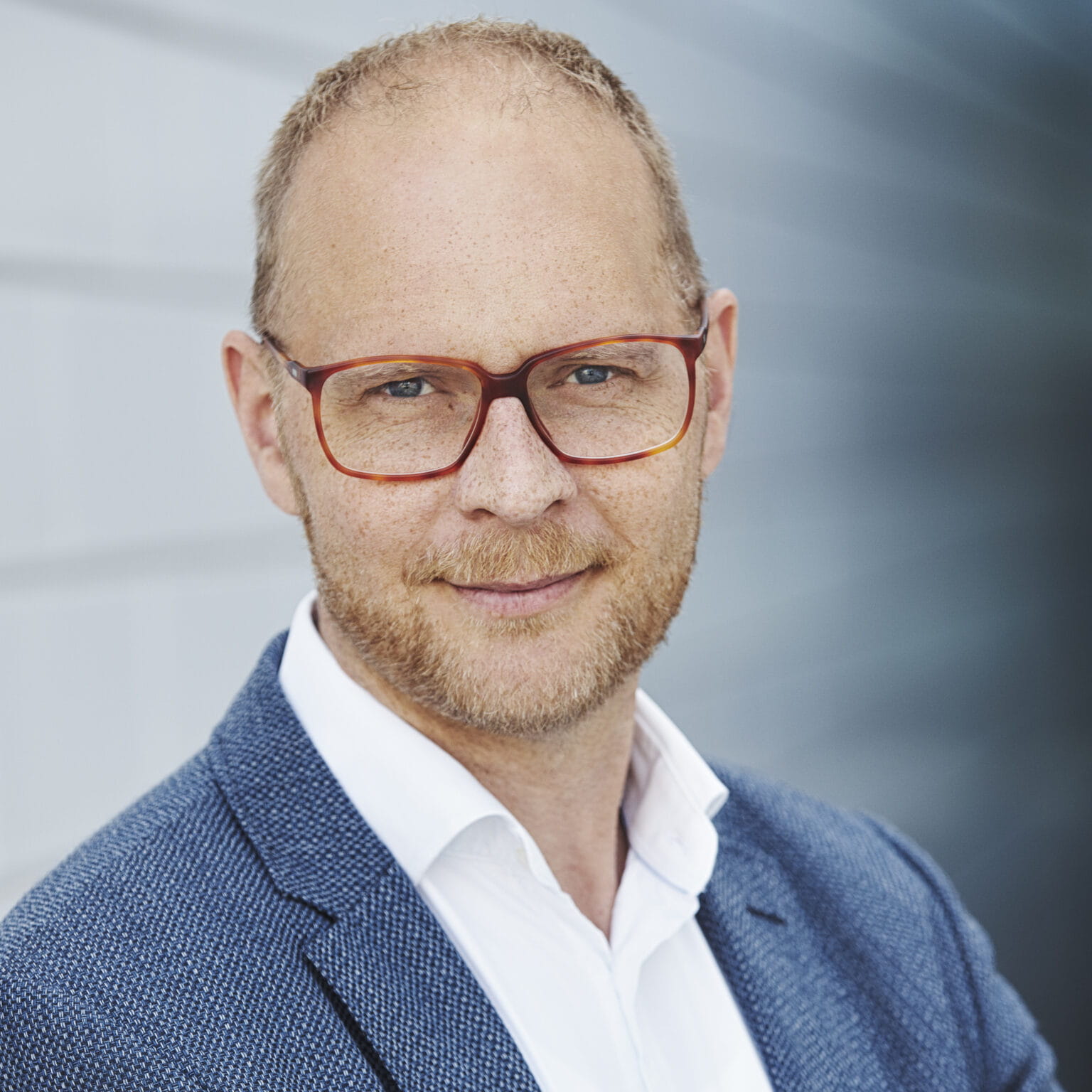
 Nord Anglia Education names LEGO Education learning science pioneer Bo Stjerne Thomsen as its Chief Learning Officer
Bo Stjerne Thomsen joins from LEGO Education, where he led global efforts to translate learning science into real-world educational impact.