





We use cookies to improve your online experiences. To learn more and choose your cookies options, please refer to our cookie policy.
17 March, 2026
How international schools maintain consistent standards over time

Early in the school year, teachers across the school sit together reviewing lesson plans, assessments, and student progress. Year group teams compare what students learned the previous year and what they will need next. Subject specialists discuss how skills will develop across different stages.
Parents rarely see these meetings, but they play an important role in how international schools maintain consistent learning experiences from one year to the next.
In well-established international schools in Cambodia, consistency does not depend on individual teachers working independently. It is supported by shared systems that guide how teachers plan, assess, and collaborate across the school.
At Northbridge International School Cambodia, these systems help ensure that students experience a coherent academic journey throughout their time at the school.
Curriculum planning connects each stage of learning
One of the main ways schools maintain consistency is through structured curriculum planning across year groups.
Teachers collaborate regularly to review what students are learning, how key skills develop over time, and how different subjects connect. This approach ensures that lessons build logically from one stage to the next rather than existing as separate experiences.
Kohulan Jeganathan, Deputy Head Secondary, explains that collaboration between teachers is central to maintaining continuity.
“As an IB continuum school, we maintain consistency through regular vertical and horizontal curriculum mapping. Teachers collaborate across grade levels and subject areas to ensure the seamless development of skills and concepts.”
Through this process, lesson plans, learning objectives, and assessments remain aligned across classes and year groups.
Familiar routines support consistent learning
Consistency also comes from the daily routines that shape school life.
Students benefit from clear timetables, well-established classroom expectations, and familiar school traditions. These structures help create a predictable environment where students know what is expected and can focus on learning.
Kohulan highlights the role these structures play in supporting students’ experience across the school.
“Consistent daily timetables, classroom expectations, and embedded school routines give students a stable environment for learning.”
For families considering international schools in Phnom Penh, these consistent routines provide reassurance that their child’s learning environment will remain stable over time.
Consistent assessment helps track student progress
Another important part of maintaining strong school standards is the way student progress is monitored.
Teachers use shared assessment criteria and reporting systems so that expectations remain consistent across classes and year groups. Regular discussions between teachers allow them to review student progress, compare outcomes, and identify areas where additional support may be needed.
These professional conversations help maintain consistent academic standards across the school.
For parents, predictable assessment practices also make it easier to understand how learning develops across different stages of the international curriculum.
Leadership and collaboration sustain school culture
Strong school leadership helps maintain these systems over time.Academic leaders work closely with teaching teams to review curriculum plans, guide professional development, and ensure that teaching approaches remain aligned across the school. Changes to programmes or initiatives are carefully planned so that students continue to experience stability in their learning environment.
Kohulan explains that thoughtful planning helps schools introduce improvements without disrupting students’ daily experience.
“When introducing new initiatives or curriculum adjustments, changes are often rolled out in phases. This gradual approach allows teachers and students to adapt while maintaining a stable learning environment.”
Over several years, parents often begin to notice the results of these structures. Learning progresses steadily from one year to the next. Classroom expectations remain familiar. Communication between teachers and families stays clear and consistent.
These patterns reflect a school culture built on collaboration, oversight, and long-term academic planning.
For parents exploring international schools in Cambodia, understanding how schools maintain these systems can provide valuable confidence. Speaking with teachers and academic leaders can help families see how consistent standards support students throughout their learning journey.
Related news
News image ![IBDP Results 2026]() News | Whole School
News | Whole School
 News | Whole School
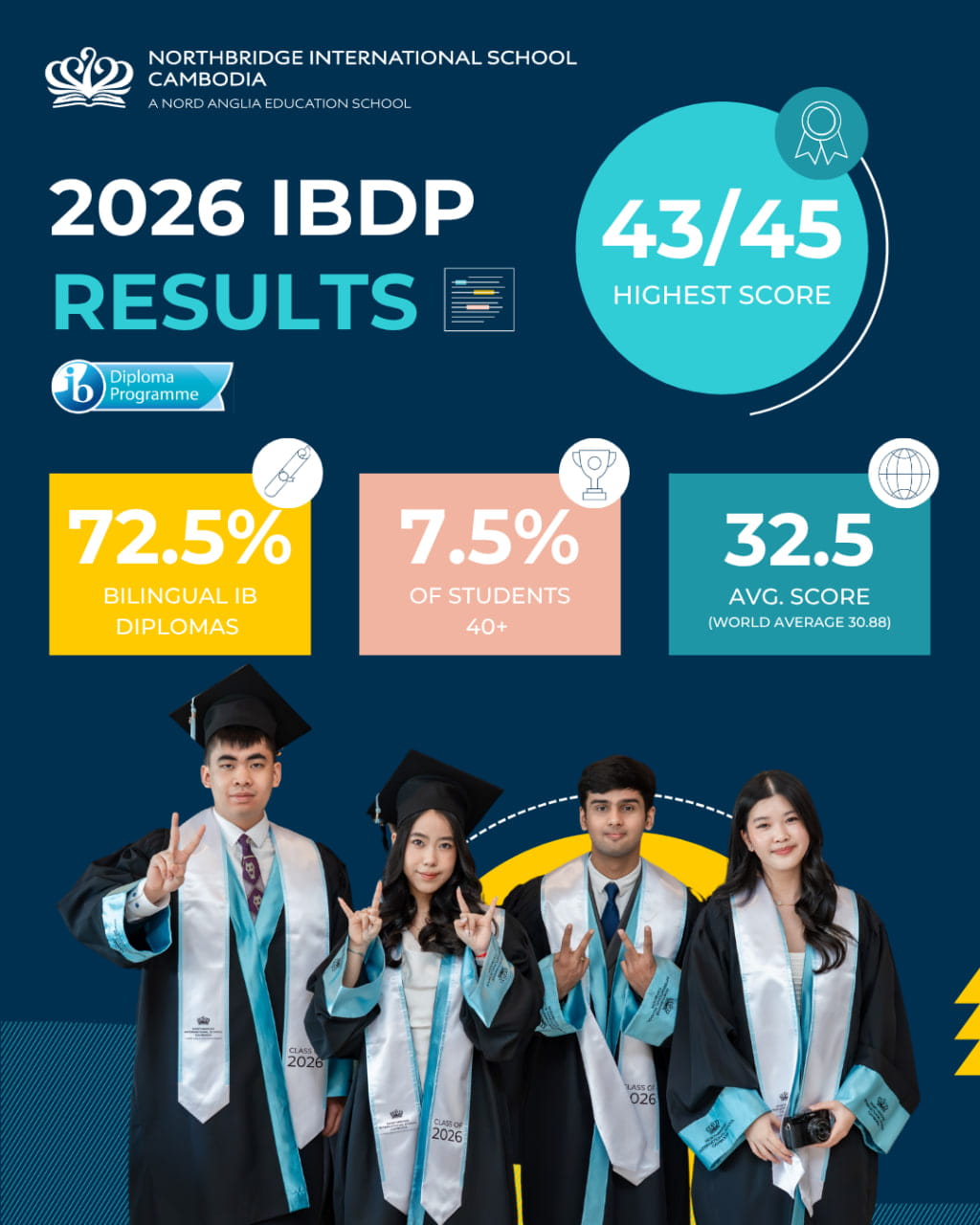
 NISC Celebrates Outstanding 2026 IBDP Results
Celebrating exceptional 2026 IBDP results, Northbridge students surpassed the global average, achieved a top score of 43/45, and received nearly 300 university offers.
News image ![football2]() Blog | Whole School | Sport
Blog | Whole School | Sport
 Blog | Whole School | Sport
 Sport at Northbridge Shaping Confident Competitors
Discover how sport at Northbridge International School inspires participation, growth and excellence, empowering students to thrive as confident athletes and global citizens.


