
28 April, 2026
Is My Child Ready for School? Understanding EYFS Physical Development
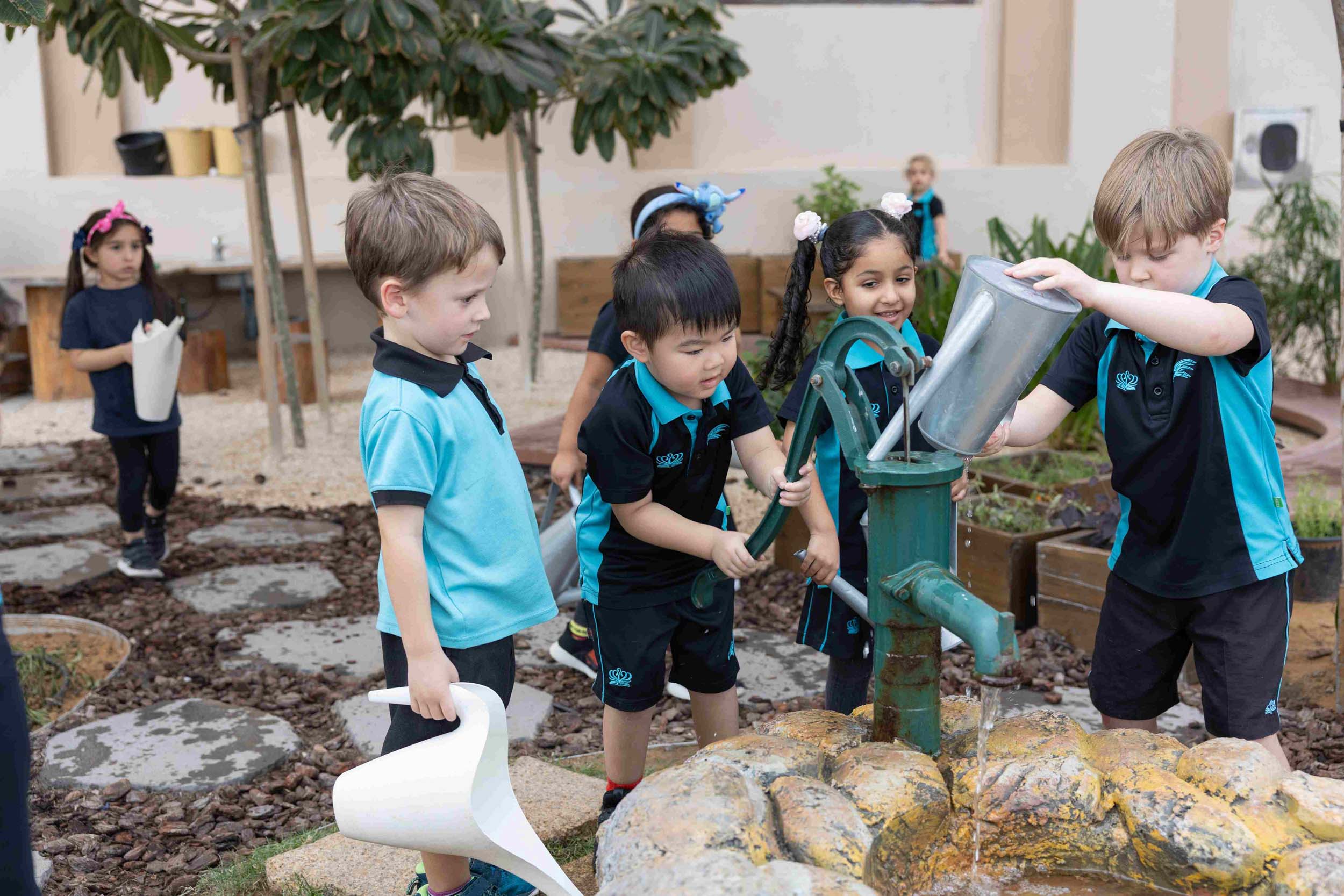
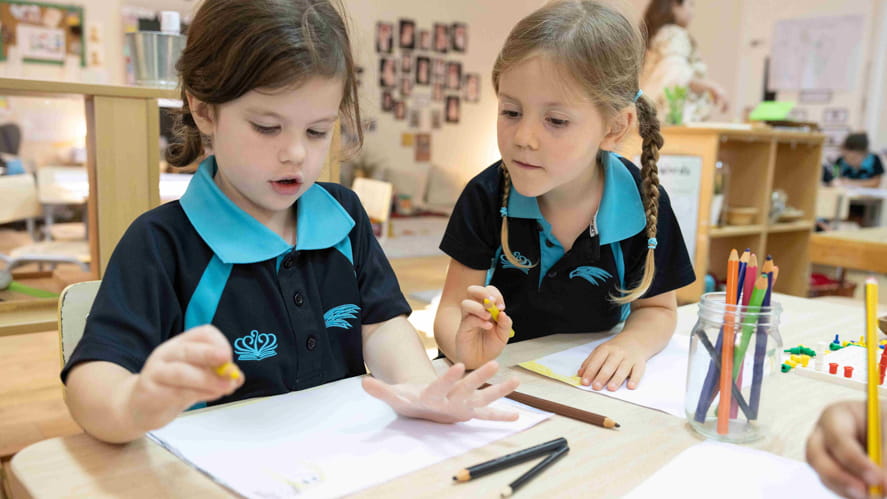
Have you ever asked yourself, ‘Is my child ready for school? ’When families think about being ‘ready’ for school, we often hear: “My child can already count to…”, “He knows all his sounds,” or “She can already write her name.” It is very natural to focus on what your child can or can’t do relating to reading, writing, and numbers. However, in the Early Years Foundation Stage (EYFS), one of the strongest predictors of a smooth, confident start to school is your child’s physical development.
Physical Development is identified as a prime area of learning because it underpins your child’s health, independence, confidence, and ability to access all other areas of learning. Simply put, when they feel strong, capable, and in control of their bodies, they are far better able to concentrate, participate, and thrive.
In Early Years at The British International School (BIS) Abu Dhabi, we prioritise this through active play, purposeful routines, and daily opportunities for independence, all carefully designed to support key developmental milestones.
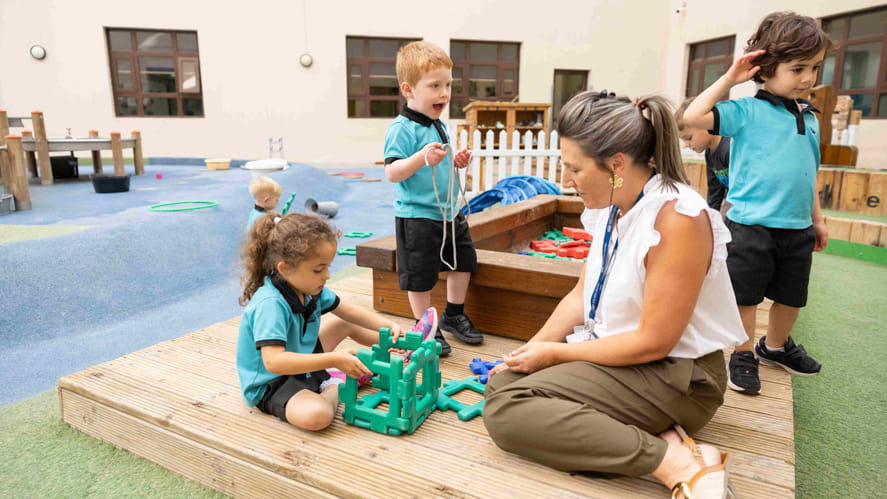
Strong Bodies Come Before Small Skills
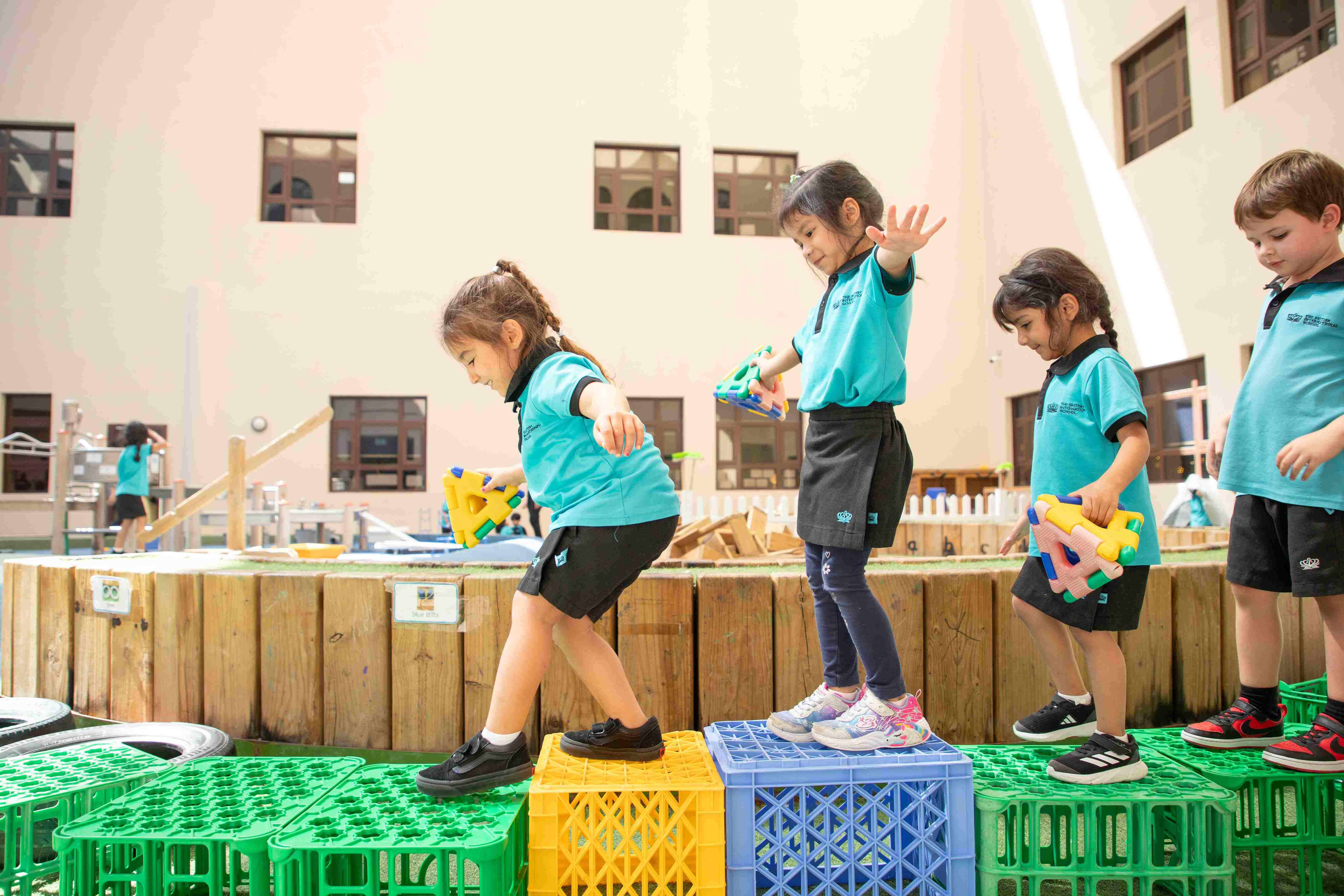
A common misconception is that school readiness means being able to hold a pencil. In reality, writing skills sit at the very end of a much longer physical journey. Before your child can control the small muscles in their hands, they first need strong foundations across their whole body, particularly core strength, shoulder stability, arm strength, balance, and coordination. These abilities develop through large, energetic movements such as climbing, running, balancing, pushing, pulling, dancing, and exploring outdoors.
What you might notice with your child at home over time:
- Runs, jumps, and climbs with increasing confidence
- Walks upstairs using alternating feet
- Balances briefly on one foot
- Enjoys playground equipment
- Sits upright for longer periods without slumping
- Pushes or pulls toys such as bikes or boxes
Our Early Years environment is intentionally designed to nurture these skills every day. Spacious outdoor areas, climbing structures, wheeled toys, and regular movement sessions allow your child to strengthen their large muscle groups through play. These experiences build the physical stability needed for controlled hand movements later on.
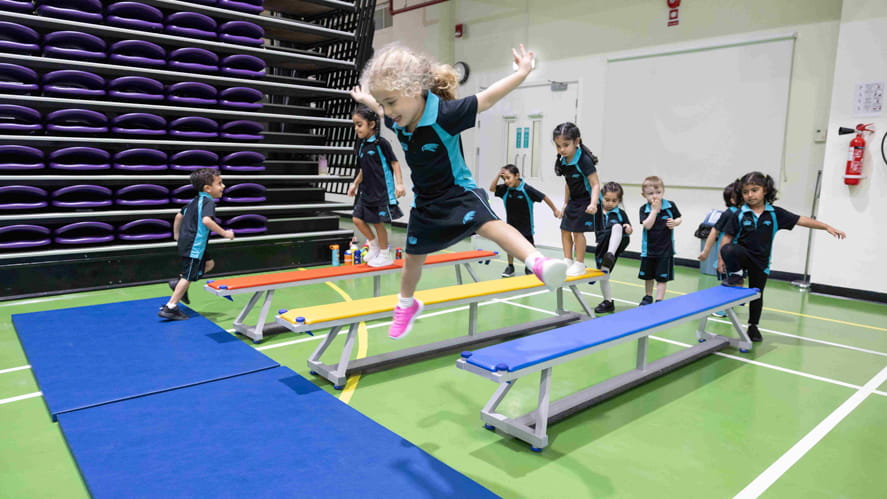
From Big Movements to Precise Hand Control
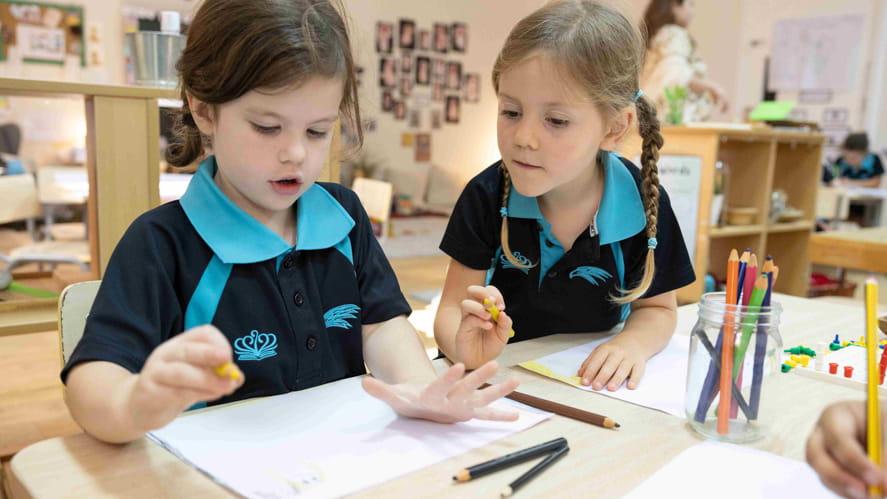
Once this whole-body strength is established, your child can begin refining the smaller, more precise movements needed for classroom activities. Fine motor development grows best through meaningful, hands-on play rather than formal writing practice. As they manipulate objects, create, build, and explore, they develop the dexterity, coordination, and endurance required for later tasks such as writing.
What you might notice with your child at home over time:
- Enjoys drawing, scribbling, or colouring
- Manipulates small toys such as Lego or puzzles
- Turns pages one at a time
- Uses both hands together (e.g., holding paper while drawing)
- Attempts simple fastenings like Velcro
- Begins to show a hand preference
In our Early Years, children strengthen their hands daily through activities such as dough play, creative work, puzzles, threading, and construction. These experiences are enjoyable, purposeful, and developmentally appropriate, building the foundations needed for future academic skills.
Independence Is Physical Development Too
Physical development is not only about movement; it also includes managing personal needs independently. This aspect of development is a crucial component of school readiness highlighted in Early Years guidance. As your child grows, they work towards caring for their bodies and managing everyday routines with increasing confidence.
What you might notice with your child at home over time:
- Uses a spoon or fork with fewer spills
- Drinks from an open cup
- Attempts to open containers or lunch items
- Recognises when they need the toilet
- Begins to wipe and clean themselves after using the toilet
- Begins to dress or undress independently
- Manages simple fastenings such as zips or Velcro
- Washes hands with guidance
- Attempts to wipe their nose
At BIS Abu Dhabi, staff gently encourage these skills throughout the day while providing reassurance and support. Everyday routines, including changing for weekly swimming lessons, offer valuable opportunities for your child to practise self-care in a safe and supportive environment. Developing independence not only prepares them for school routines but also strengthens their confidence and sense of capability.
Why These Milestones Matter So Much
These physical achievements are about far more than practical skills. They are closely linked to your child’s emotional wellbeing and developing sense of self. When they can move confidently and manage their own needs, they begin to see themselves as capable individuals. This fosters resilience, participation, and a willingness to try new challenges.
Children who are physically confident and independent often settle more easily into school life, engage more fully in activities, and experience a deep sense of pride in their accomplishments. Strong physical foundations support not only academic learning but also social and emotional development.
How Families Can Support at Home
Supporting physical development does not require special equipment or structured programmes. In fact, the richest opportunities come from ordinary daily life. Active family time, playful experiences, and encouraging independence all contribute significantly to your child’s development.
Trips to the park, climbing, ball games, dancing in the living room, or family walks all help build strength and coordination. Hands become stronger through playdough, drawing, construction toys, puzzles, and cooking activities that involve mixing or pouring. Perhaps most importantly, allowing children time to practise dressing, self-feeding, and toileting routines helps them develop independence and confidence.
Praising effort rather than perfection reassures your child that learning takes time and practice.
Consistency between home and school creates a powerful partnership that supports your child in reaching these milestones with confidence.
A Final Thought
Being ready for school is not about rushing your child into formal academic skills. It is about ensuring they are physically confident, independent, emotionally secure, and ready to engage with learning and with others.
We believe that strong bodies support successful learners, independence builds confidence and wellbeing, and play is the pathway to readiness. By working together, we can give every child the physical foundations they need for a happy, healthy, and successful start to school.
As your child continues this exciting journey, we would love to keep growing together with you. Building a strong, confident body is a partnership between home and school, and every small step makes a big difference. We warmly invite you to join our next parent workshop or stay-and-play session to see first-hand how everyday activities support your child in developing a “ready body” for a “ready mind.” Together, we can ensure your child feels capable, independent, and fully prepared for a happy start to school.
Related news
News image ![Play based learning at BIS Abu Dhabi]() News | Choosing A School | School News | Early Years
News | Choosing A School | School News | Early Years
 News | Choosing A School | School News | Early Years
 Why Play Matters at BIS Abu Dhabi The importance of Early Years education
Inspired by the latest Nord Anglia INSIGHTS article exploring why the Early Years are the most important years of a child’s education, we know that a child’s most significant learning happens during this time - in ways that are not always immediately visible.
News image ![I Spy Games develop vocabulary and focus, supporting the EYFS area ‘Communication and Language’]() Blog | Early Years | Primary | Educational Insights | Posts From Our People
Blog | Early Years | Primary | Educational Insights | Posts From Our People
 Blog | Early Years | Primary | Educational Insights | Posts From Our People
 The Buzzing Eco Edventure A Learning Journey in Nature
The Eco Edventure has been buzzing with activity! We have worked collaboratively with the Design & Technology department and Mr. O’Brien’s CCA students, who kindly built a wooden bed for our rabbits Bun Bun and Rosie. Our Duke of Edinburgh students have been diligently supporting our Foundation Stage (FS) and Key Stage 1 (KS1) students during their Eco Edventure CCA. Some have even given up their break times to ensure the rabbits are fed, watered, have had their nails clipped, and are receiving plenty of cuddles. Read on to discover how our Eco Edventure brings learning to life!
News image ![A Day in the Life of our EYFS Students - A Day in the Life of our EYFS Students]() Blog | Choosing A School | Early Years
Blog | Choosing A School | Early Years
 Blog | Choosing A School | Early Years
 A Day in the Life of our EYFS Students
At the British International School Abu Dhabi (BIS Abu Dhabi), the early years mark the beginning of a magical journey where children thrive in a safe, happy, and child-centered environment. Led by passionate educators, our Early Years Foundation Stage (EYFS) nurtures purposeful, lifelong learners through engaging, play-based learning experiences.
News image ![Finding Their Voice: The Power of Oracy - Finding Their Voice The Power of Oracy]() Blog | Advice and Guidance | Educational Insights | Leadership Insights | Posts From Our People
Blog | Advice and Guidance | Educational Insights | Leadership Insights | Posts From Our People
 Blog | Advice and Guidance | Educational Insights | Leadership Insights | Posts From Our People
 Finding Their Voice: The Power of Oracy
At The British International School Abu Dhabi, we use the latest educational research to shape how children learn best. Discover how our focus on oracy, helping students speak with confidence, think critically, and connect meaningfully, empowers every child to thrive across the curriculum.
News image  Blog | Advice and Guidance | Educational Insights | Early Years | Primary | Posts From Our People
 Blog | Advice and Guidance | Educational Insights | Early Years | Primary | Posts From Our People
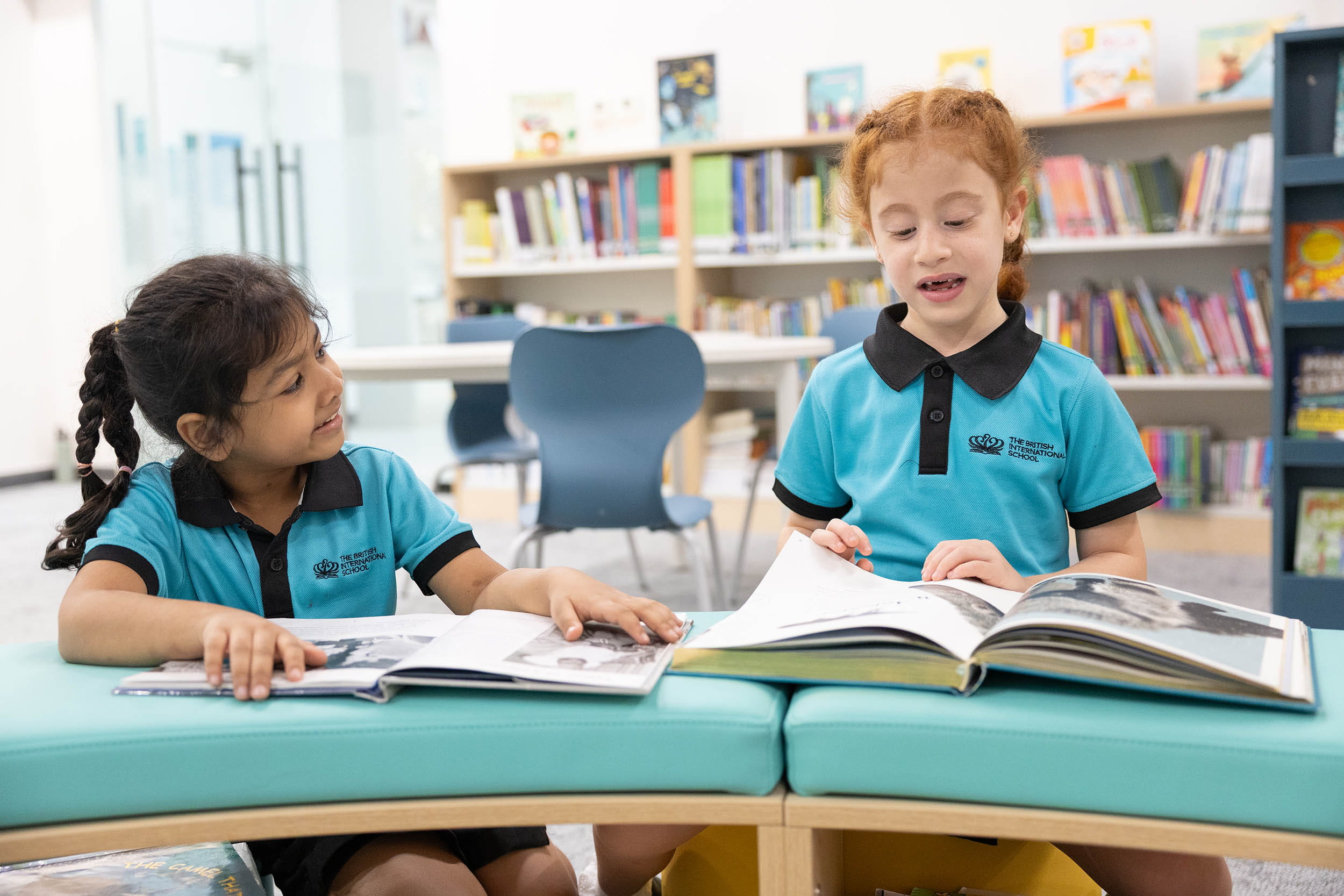
 Why Bedtime Stories Matter for Your Child’s Development
“Some of my earliest, warmest memories are of bedtime stories with my parents.” In his latest blog, our Head of Primary, John Dibdin, shares why those moments matter, not just for literacy, but for love, imagination, and lifelong learning. Discover practical tips and heartfelt insights that will make bedtime reading a cherished part of your child’s day.
.png?rev=1619813b30a347d9bc71977e2cfe09d2&hash=66B98CDC659BBF07EB36660B4381E1E7)