


We use cookies to improve your online experiences. To learn more and choose your cookies options, please refer to our cookie policy.
06 February, 2026
Supporting Children’s Mental Health: Why It Truly Matters
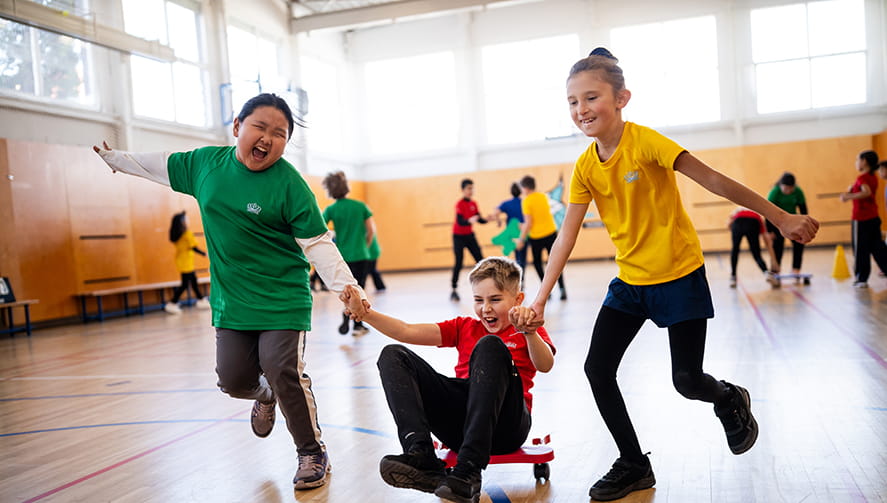
Young people today encounter a growing number of mental health challenges — and parents and schools can make a real difference by working together. Although modern life offers children countless opportunities, it also brings pressures that can feel difficult to manage. Research increasingly shows rising levels of stress and anxiety among children across all ages and backgrounds. Mental health is far more than simply “feeling happy”; it involves meaningful relationships, a sense of purpose, and the resilience to cope with everyday difficulties.
Why are these challenges increasing?
A combination of academic expectations, social media, global uncertainty, and shifting family and social structures has been linked to declining mental wellbeing in young people.
Technology plays a significant role. Children spend large amounts of time on screens, which reduces physical activity and limits face‑to‑face interaction. Social media exposes them to constant comparison and judgement. Many parents rely on technology to keep their children safe — using tracking apps or maintaining constant contact — without realising that this can unintentionally limit the child’s independence. In the past, children had to navigate small, everyday problems on their own, such as missing a bus. Now, with immediate access to parents, they have fewer opportunities to develop problem‑solving skills, which can contribute to anxiety later in life.
Overscheduling is another common issue. With the best intentions, parents try to offer as many opportunities as possible, but this can result in children having little downtime. Combined with academic pressure, this can lead to reduced sleep and even burnout.
Affluence can also influence mental health. Studies show that teenagers from wealthier families may be more prone to anxiety and depression. High-achieving environments often foster perfectionism and a fear of failure. Young people may feel an unspoken expectation to match their parents’ success — academically, socially, or financially — even when parents do not explicitly demand it.
Migration and global mobility add another layer. Children who have lived in several countries or who come from multicultural families may struggle with their identity and sense of belonging. International students often face additional challenges, such as adapting to a new school system, learning a new language, and building friendships. These pressures can heighten stress and anxiety compared to their peers.
What parents can look out for
Mental health difficulties can present in many ways, but some common signs include:
- Noticeable changes in behaviour
- Withdrawing from family or friends
- Altered sleep or eating patterns
- Frequent physical complaints without a clear cause
- Mood swings or persistent feelings of inadequacy
- Reduced motivation or declining school performance
- Excessive self‑criticism — whether about appearance, grades, or achievements
If you observe these patterns, begin with calm, open conversations. Listening without judgement — and without immediately trying to “fix” the problem — can be incredibly powerful.
How parents can support wellbeing at home
- Establish consistent routines, especially around meals and sleep
- Encourage regular breaks from screens and social media
- Model resilience by showing that mistakes are part of learning
- Celebrate cultural identity and family traditions
- Make time for friendships and shared family activities
The role of schools
Schools are in a unique position to support children’s wellbeing. They often notice changes that parents may not see and can provide a range of support options. At The British International School Bratislava, we take a holistic approach, working closely with families and listening to students through surveys and feedback. We offer counselling and tailored interventions when needed, and our staff receive training to help identify concerns early. We create inclusive activities that build a sense of belonging, and our lessons promote a growth mindset — helping students understand that abilities develop through effort and that mistakes are valuable learning opportunities.
Working together
Supporting children’s mental health is a shared responsibility. When parents and schools communicate openly, children flourish. Whether it’s contacting teachers, attending workshops, or simply checking in with your child about how they feel, every action contributes.
Mental health is not an optional extra — it is the foundation for learning, relationships, and long‑term wellbeing. By working together, we can help every child feel secure, valued, and prepared to navigate life’s challenges.
Written by: Philippa Williams, Deputy Head of Secondary and Designated Safeguarding Lead
Related news
News image ![Admissions]() Blog
Blog
 Blog
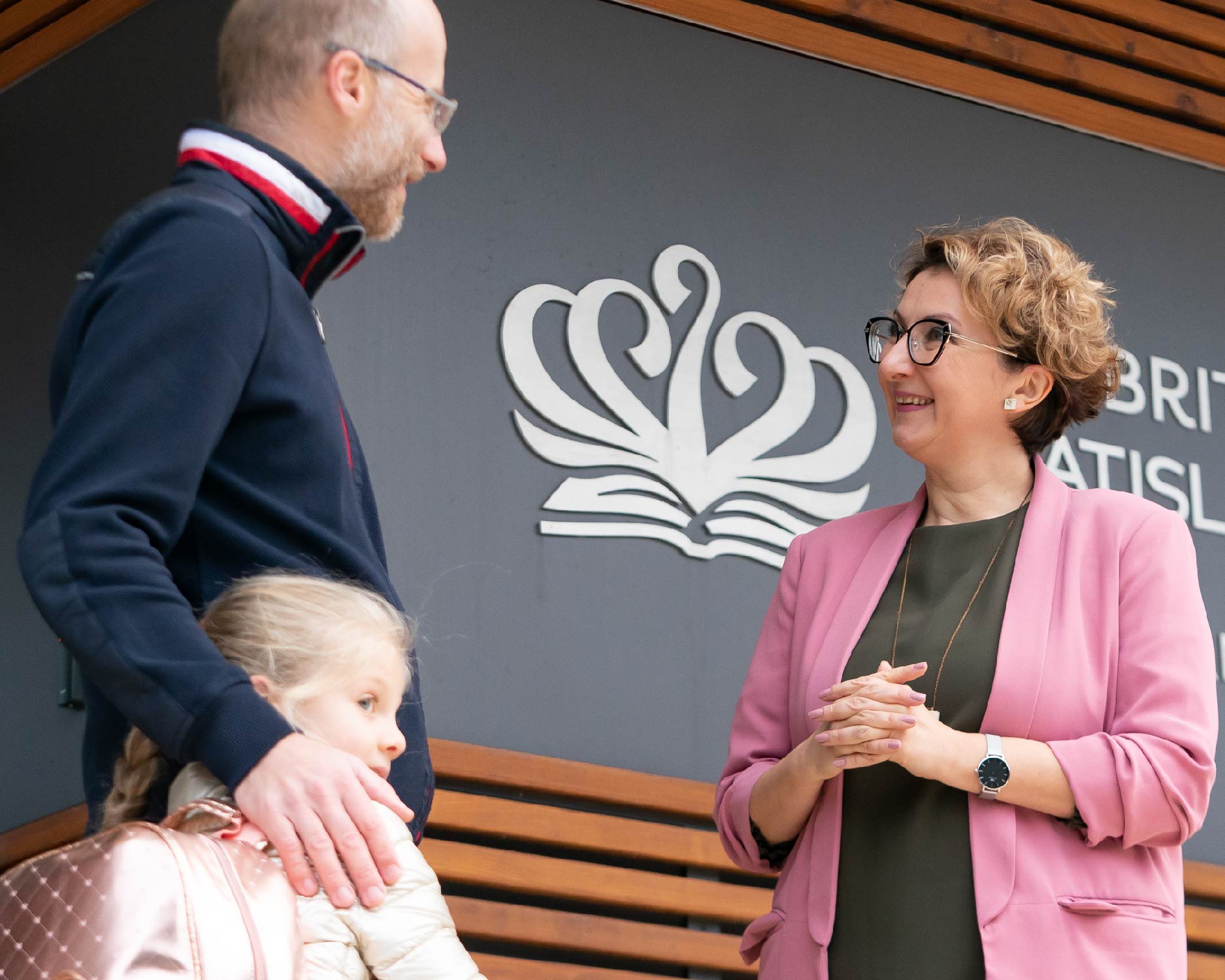
Blog Back to School in Bratislava: Your Family Checklist
The new school year 2026/2027 is a few weeks away. Here is the practical checklist every family in Bratislava needs to get ready for the new start, without the last-minute panic.
News image ![Here are our excellent results - Here are our excellent results]() News
News
 News
News Here are our excellent results
BISB, for the second successive year, has achieved the best IBDP average score in the NAE European school's region.
News image ![ECO blog - ECO blog]() Blog
Blog
 Blog
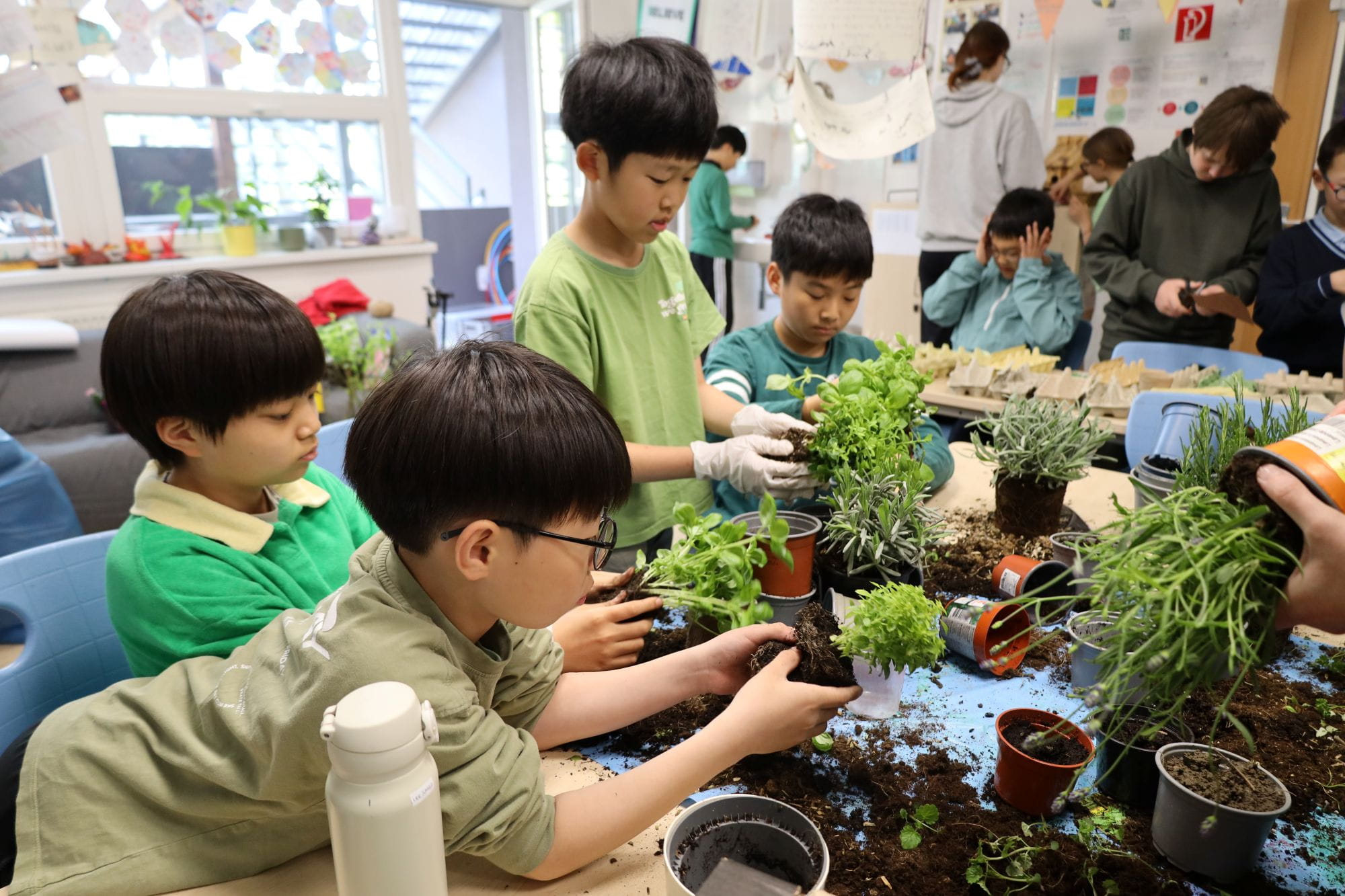
Blog Eco-Schools at BISB: Growing a Greener Future Through Learning and Action
Eco-Schools at BIS Bratislava: Growing a Greener Future Through Learning and Action. Read about our eco activities during the school year 2025-2026.
News image ![IB DIPLOMA PROGRAM - IB DIPLOMA PROGRAM]() News
News
 News
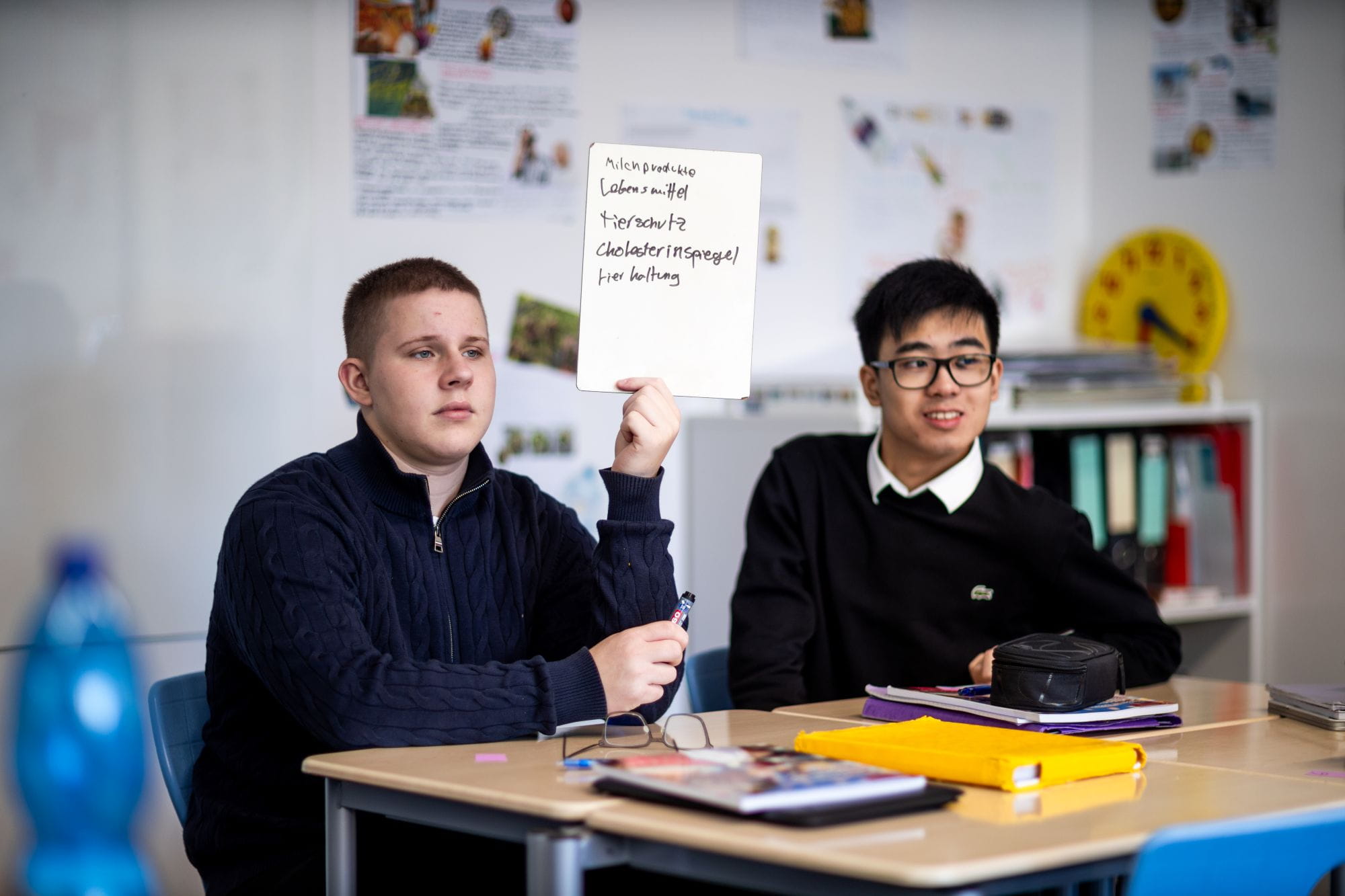
News IB Diploma Programme na BISB: výzva, ktorej sa netreba báť
Výber posledných rokov stredoškolského štúdia je pre mnohých rodičov aj študentov veľkým rozhodnutím. Pri programe IB Diploma Programme sa často objavujú otázky: Bude to príliš náročné? Zvládnem skúšky? Je IB naozaj dobrou prípravou na univerzitu?


