
25 April, 2025
Let’s Talk About… Bullying

According to UNESCO, nearly 1 in 3 students worldwide has been bullied at least once in the past month. Is it teasing, or bullying? Just a joke, or something more harmful? What it is, how to recognise it, and what parents can do.
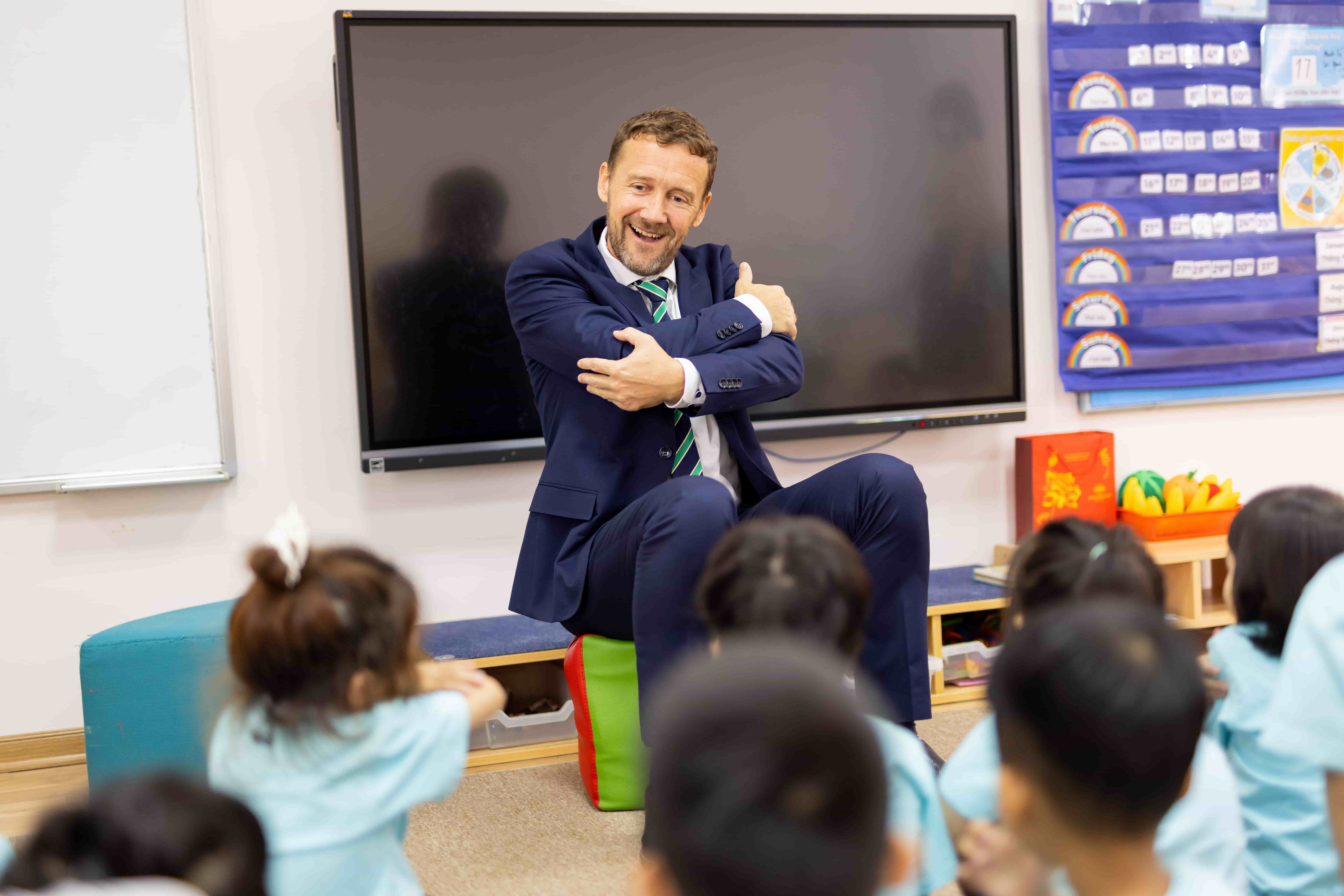
.jpg?h=5464&iar=0&w=8192&rev=d25c2e8a10054f4eaa147d554bcdc656&hash=0513C3A7A8B0D63204022FDBF42240DC)
“A shy boy, a lunchtime bench, and one friend
Liam used to sit alone at lunch every day. He wasn’t bullied directly, but he felt invisible. Until one classmate, Maya, sat next to him and asked about the book he was reading.
They’ve been friends ever since — and now both help welcome new students to school.
Sometimes, it takes just one person to change someone’s whole experience.”
These moments show just how powerful small actions can be. But what should we do if we’re worried about our own child? How do we talk about bullying at home?
The truth is, bullying isn’t always obvious. It can be emotional or physical, loud or subtle, done by an individual or a group. What matters most is how the behaviour affects the child.
We often define bullying as a repeated behaviour, intended to cause harm, whether emotional or physical. But even when intent isn’t clear, the impact is.
Why Do Some Children Bully?
Children aren’t born bullies. Often, those who bully do so because of learned behaviour, peer dynamics, insecurity, or a lack of understanding.
That’s why education matters. Instead of just saying 'Don’t bully,' we can teach children to reflect:
- “How did that comment make someone feel?”
- “Was that joke funny for everyone?”
Building empathy and awareness is often more effective than punishment alone.
What Parents Can Look Out For
Here are some possible signs a child might be facing bullying:
- Mood swings or emotional withdrawal
- Headaches or stomachaches
- Avoiding school or certain classmates
- Trouble sleeping or eating
These behaviours can be signs of stress — not just bullying. What’s important is to notice patterns and check in gently.
How to Talk to Your Child
Don’t wait for a crisis to start the conversation. Regular, short chats are much more effective than one serious talk.
Try questions like:
- “How was your day?”
- “Did anything feel difficult today?”
- “Do you want to talk about it?”
When and How to Step In
Your first instinct may be to contact the school immediately — but sometimes, working through a plan with your child first can be more empowering.
If you do escalate the issue, collaborate with the school to build a plan that respects your child’s comfort and needs.
Every Child Recovers Differently
Some children bounce back quickly. Others need time, support, and reassurance.
Help can include:
- Check-ins with a trusted adult
- Creative outlets like drawing or journaling
- Positive social opportunities
Final Thoughts
Bullying is rarely simple, and recovery is not a straight line. But with awareness, patience, and strong communication, we can help children feel safe, supported, and heard.
Related news
News image ![Let’s Talk About… Bullying - Lets Talk About Bullying]() Blog | news
Blog | news
Blog | news Let’s Talk About… Bullying
Bullying is rarely black and white. This article helps parents understand what it is, how to spot the signs, and how to talk to children about it with empathy and support.
News image ![The Right Questions to Ask When Looking for a Good School - The Right Questions to Ask When Looking for a Good School]() Blog | news
Blog | news
 Blog | news
 The Right Questions to Ask When Looking for a Good School
A parent’s checklist for choosing the perfect school.
News image ![Helping Your Child Communicate Confidently in English - Helping Your Child Communicate Confidently in English]() Blog | news
Blog | news
 Blog | news
 Helping Your Child Communicate Confidently in English
In the international environment at BVIS, helping your child develop their English communication skills is an important and meaningful journey. For parents who are not native speakers, this can present various challenges. However, with the right guidance and support, you can help your child gain confidence in using English while still maintaining the development of their mother tongue.