


We use cookies to improve your online experiences. To learn more and choose your cookies options, please refer to our cookie policy.

15 February, 2026
What Happens When Students Help Design Their Own Sixth Form?
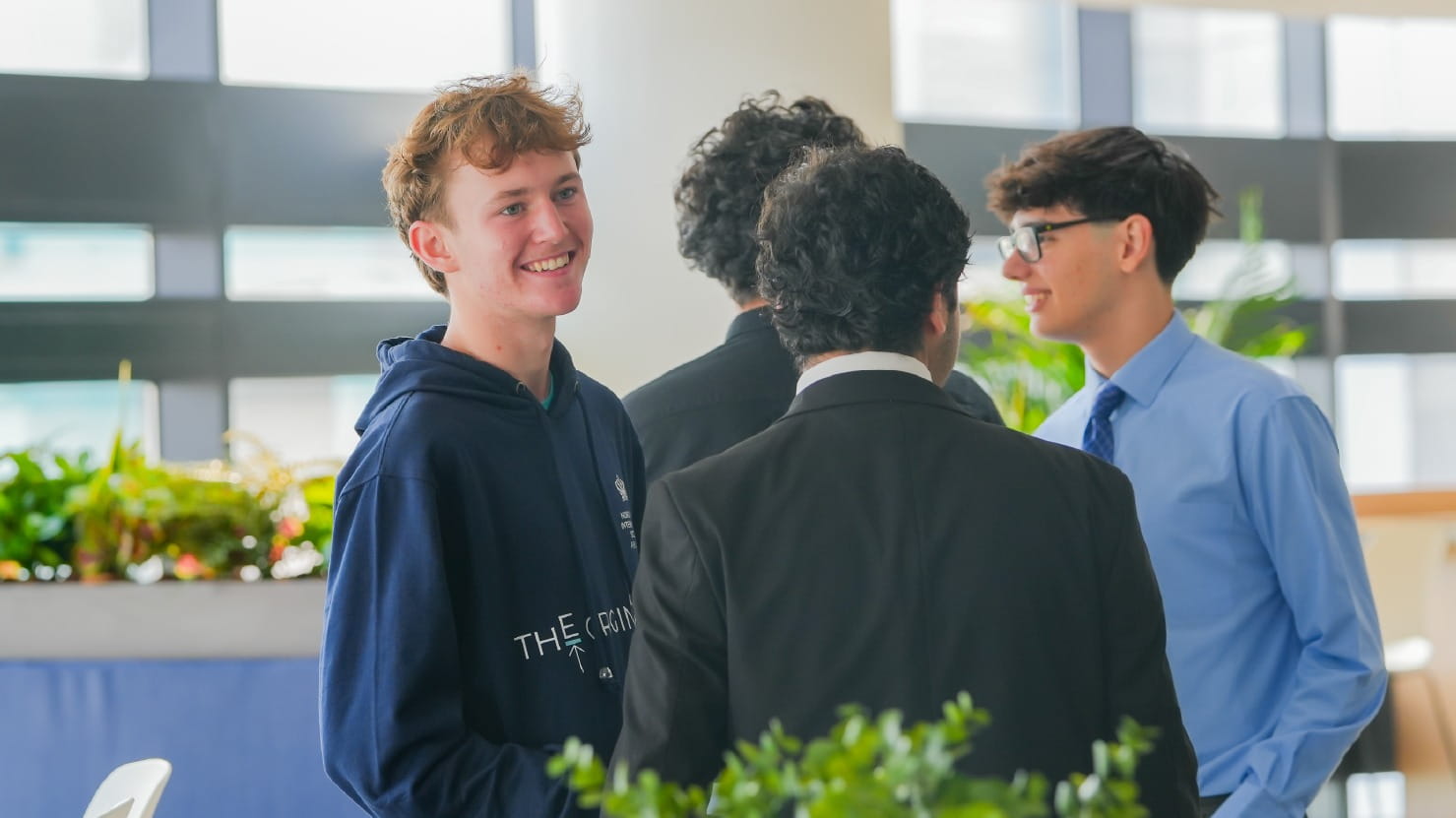
There are certain moments in a school’s journey that stay with you, and this was one of them. Before our first Sixth Form cohort had even started lessons, we invited them in early. Not for induction. Not for assessments. But to help shape the space they would soon call their own.
It was a simple idea, but it changed far more than the layout of a room.
Starting with a blank canvas
The Sixth Form area was ready from a facilities perspective, but it had no identity yet. It needed atmosphere, purpose and the feeling that it belonged to the students who would be using it every day.
Instead of designing that for them, we asked them to be part of the process. They walked through the space, talked about what would help them study well, and worked alongside staff to decide how the rooms should feel and function.
That early involvement mattered. It gave the cohort a sense of ownership long before the term officially began.
Why student voice changes everything
Teenagers often rise to responsibility when they are trusted with it. Watching them discuss study zones, social areas and routines made that clear. They approached the decisions with maturity because they understood that the environment would influence their A Level experience.
When young people help shape something, they treat it differently. They take pride in it. They look after it. They use it in ways that reflect their intentions, not someone else’s assumptions.
That sense of agency has carried into their learning. The atmosphere in the Sixth Form now feels calm, purposeful and genuinely student-led.
A smoother transition into A Levels
The shift from GCSE to A Level is a big one. By the time term started, our new Sixth Formers already felt settled. They had walked the space, imagined themselves in it, and helped shape the routines that would support their studies.
Several students have said that being involved early made the jump into A Levels feel less daunting. It meant they entered the year feeling familiar with their surroundings rather than trying to adjust all at once.
Building culture through collaboration
What began as a practical approach has become something deeper. It showed us how much students value being heard, and how seriously they take responsibility when it is offered genuinely.
It also reinforced one of the core elements of Secondary education: belonging. Not as a slogan on a wall, but as something students feel when they help build the environment around them.
Looking ahead
This experience has shaped the way we think about student voice in the wider Secondary school. Whether pupils are influencing events, leading activities or helping shape routines, they bring insight and ownership that strengthen the community.
The Sixth Form they designed is more than a collection of rooms. It is a space that reflects their identity and sets the tone for the years ahead. And perhaps that is the real lesson. When young people help design their environment, they begin to design the kind of learners, and people, they want to become.

Related news
News image Podcasts
Introducing The Learning Curve
A new podcast for families navigating school, parenting, and growing up.
News image ![The Summer Slide: How to Keep Your Child's Mind Active Without Turning the Holidays into School - The Summer Slide]() Blog
Blog
 Blog
Blog The Summer Slide: How to Keep Your Child's Mind Active Without Turning the Holidays into School
Every parent faces this. The summer break is long in the UAE, and there's a real tension between letting children rest and worrying they'll forget everything they've learned.
News image ![Raising Global Citizens - Raising Global Citizens]() Blog
Blog
 Blog
Blog Raising Global Citizens
‘Where are you from?’, is one question children will be asked frequently here. And how a child learns to answer it, how they learn to hold multiple places and identities at once, will shape not just their sense of self but their capacity to move through the world. This is one of the most unique aspects of raising your child in Abu Dhabi. And we think, when it's handled well, it's one of the greatest gifts a family can give.


