


We use cookies to improve your online experiences. To learn more and choose your cookies options, please refer to our cookie policy.

27 February, 2026
Why Sport Matters: The Hidden Lessons Children Learn Beyond the Game
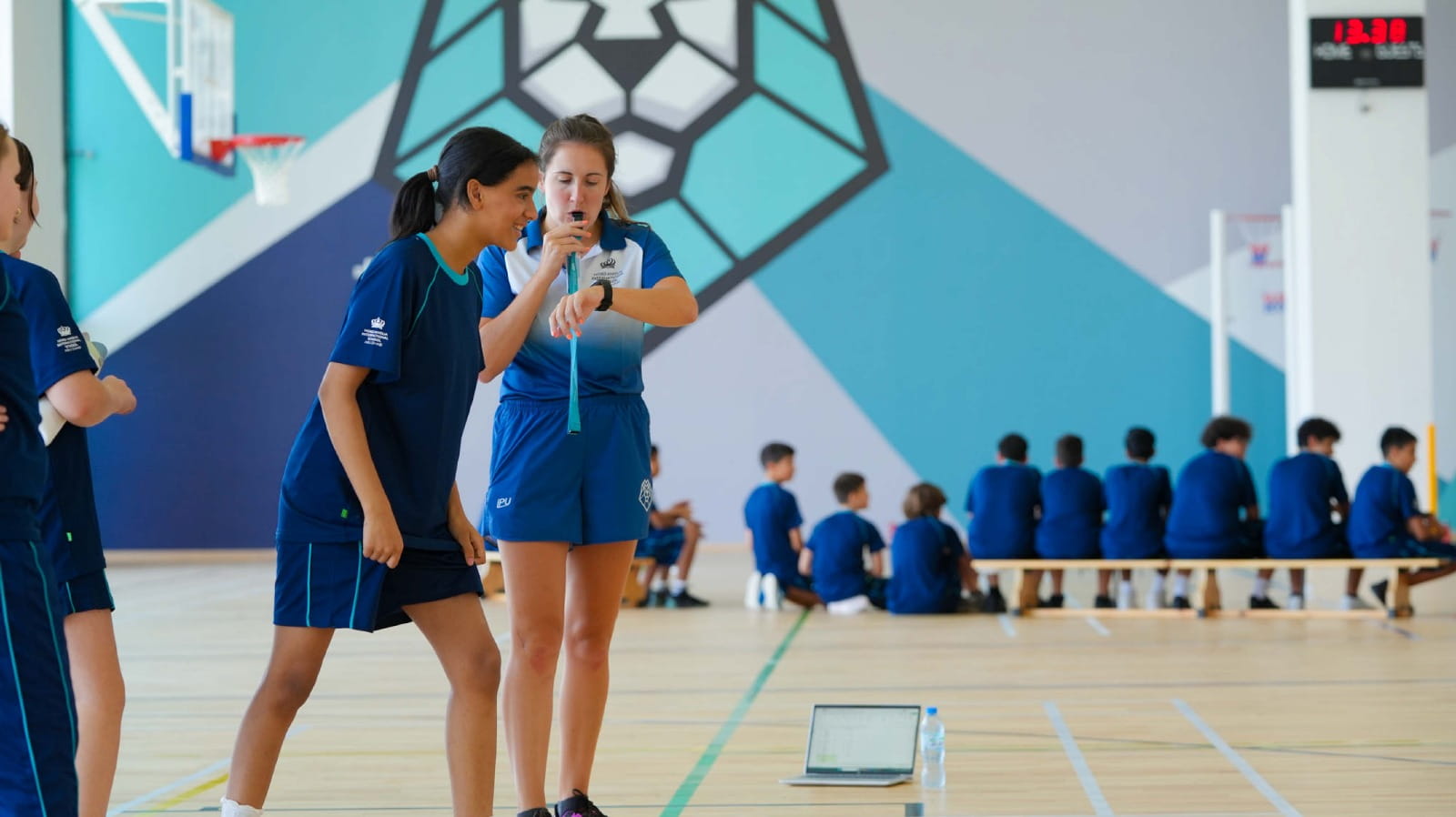
Sport has always been part of school life, but the role it plays in shaping young people today goes far beyond physical fitness. In an age where children face fast-paced routines, high expectations and busy schedules, sport gives them something they do not always get elsewhere: space to try, fail, reset and try again.
It is often in sports halls and on playing fields that pupils learn the lessons that stay with them longest.
Where confidence begins
For many children, sport is the first time they experience challenge in a setting that feels safe. They learn how to handle the highs and lows of competition, how to keep going when something is difficult and how to take pride in effort as much as in outcome. These are small moments, but they build the foundation for confidence.
When pupils learn to trust themselves physically, that sense of self-belief often spills over into the classroom. They begin to participate more, take risks in their learning and approach challenges with a more positive mindset.
Teamwork that become life skills
Schools talk a great deal about teamwork, but it is during sport that the concept becomes real. Pupils learn how to communicate under pressure, listen to one another, support someone having a difficult moment and celebrate someone else’s success. They discover that a team only works when everyone commits.
These are the habits that influence the way they collaborate in group projects, prepare for performances and participate in wider school life. Sport becomes a rehearsal space for the values that shape their character.
The impact of belonging
Belonging plays a huge role in a child’s wellbeing. Sport gives pupils a place where they feel part of something bigger than themselves. Whether they are on a competitive squad, playing socially or trying something for the first time, the sense of being included can make a significant difference to how they feel about school.
Schools see this most clearly when pupils begin to talk about “their team”, “their group” or “their role”. It shows that sport has become part of their identity, and that is a powerful step in their personal development.
Challenging expectations
One of the most positive changes in recent years has been the rise in girls’ sport across many schools, particularly in activities that were traditionally male-dominated. When pupils see these boundaries shift, they begin to shift their own expectations of what they can do. Confidence grows when they feel welcome, able and supported.
Equally, some pupils find their stride in less expected areas: cultural dance, athletics, swimming, gymnastics or strength and conditioning. The key is variety, and the freedom to explore without judgement.
The quiet link to wellbeing
Sport offers something pupils need more than they often realise: a release. Physical activity helps regulate emotions, clear the mind and reset after a long day of academic focus. It teaches children how to manage stress, how to channel energy and how to recognise when movement helps them feel better.
This connection between physical activity and mental clarity becomes especially important as pupils get older and the academic demands increase.
Learning that stays with them
Very few pupils remember the score of a match years later, but they do remember how they felt. They remember the teammate who supported them, the moment something finally clicked, or the pride of seeing a group effort come together.
These memories matter because they shape how young people approach the challenges that lie ahead. Whether they go on to study at university, take on leadership roles or build careers in completely different fields, the character they develop through sport stays with them.
The role of schools
For schools, the aim is not to create elite athletes, but to create opportunities. The most powerful sports programmes are the ones that give pupils a place to belong, space to grow and permission to step outside their comfort zone. When that happens consistently, sport becomes far more than an activity. It becomes a part of who children are becoming.

Related news
News image Podcasts
Introducing The Learning Curve
A new podcast for families navigating school, parenting, and growing up.
News image ![The Summer Slide: How to Keep Your Child's Mind Active Without Turning the Holidays into School - The Summer Slide]() Blog
Blog
 Blog
Blog The Summer Slide: How to Keep Your Child's Mind Active Without Turning the Holidays into School
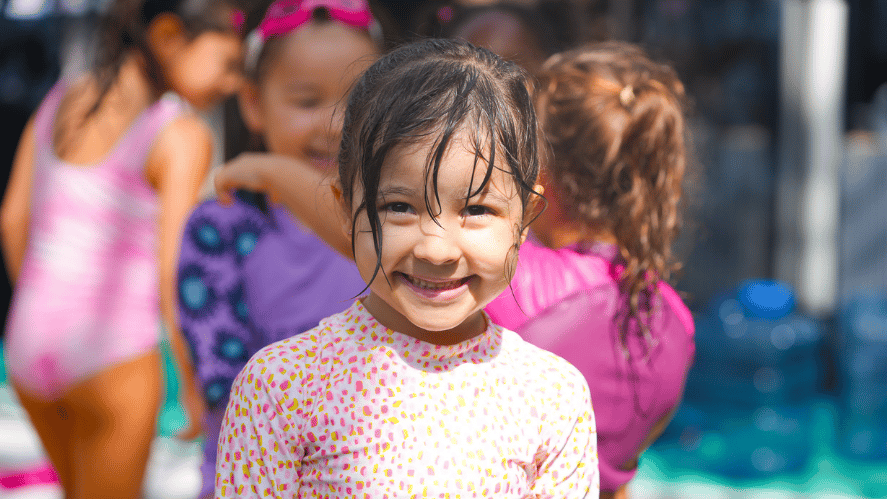
Every parent faces this. The summer break is long in the UAE, and there's a real tension between letting children rest and worrying they'll forget everything they've learned.
News image ![Raising Global Citizens - Raising Global Citizens]() Blog
Blog
 Blog
Blog Raising Global Citizens
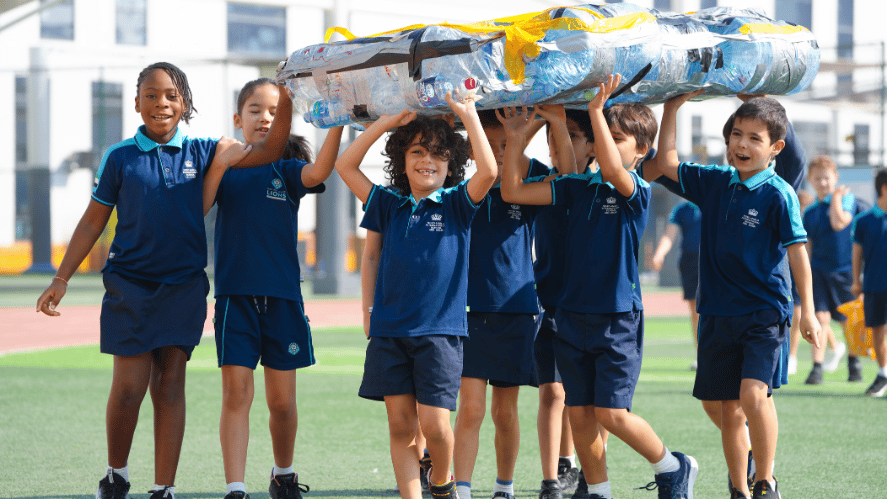
‘Where are you from?’, is one question children will be asked frequently here. And how a child learns to answer it, how they learn to hold multiple places and identities at once, will shape not just their sense of self but their capacity to move through the world. This is one of the most unique aspects of raising your child in Abu Dhabi. And we think, when it's handled well, it's one of the greatest gifts a family can give.


