
We use cookies to improve your online experiences. To learn more and choose your cookies options, please refer to our cookie policy.

23 April, 2026
How schools help students develop independence as they grow older
Independence is often seen as something students develop naturally with age. In reality, it is carefully built over time.
Rather than emerging on its own, independence grows through consistent opportunities to think, decide, and take responsibility. These experiences shape how students approach challenges, manage their learning, and build confidence in their own judgement.
At St Andrews International School Bangkok, independence is not left to chance. It is deliberately developed through a structured progression that begins in the earliest years and continues through to graduation.
Building independence from the earliest years
Independence does not begin in secondary school.
At St Andrews, even the youngest students are encouraged to make choices, follow routines, and take responsibility for simple tasks. These early experiences lay the foundation for greater independence later on.
Mr Geoff Magee, Head of Key Stage 2 (Years 3–6), explains how this journey begins.
“From the earliest years, students are given opportunities to make choices and take responsibility through structured routines and purposeful play, building the foundations of independence.”
As students move through Primary School, this responsibility increases. They begin to set personal goals, reflect on their progress, and understand how their actions influence their learning.
These early habits are essential. They help students develop confidence in their ability to manage their own learning.
Moving from guided learning to student ownership
A key part of developing independence is the gradual shift in how learning is structured.
At St Andrews, teachers move from more guided instruction towards student-led inquiry as students grow older.
“Our teachers provide the framework, but students increasingly take ownership of their learning journey as they progress through the school,” explains Mr Geoff.
By the time students reach secondary school, they are expected to manage more complex tasks, organise their work, and take responsibility for meeting deadlines.
This transition is carefully supported, ensuring that students are set up for success.
Opportunities to lead and take initiative
Independence is strengthened through experience.
At St Andrews Bangkok, students are given a wide range of opportunities to make decisions, take initiative, and contribute to their community.
Mr Geoffe highlights how this is embedded across the school.
“Students have opportunities to lead and make an impact, whether through student councils, leadership roles, or wider initiatives that allow them to take responsibility.”
Students participate in leadership groups, social impact projects, and co-curricular activities that require organisation, collaboration, and decision-making.
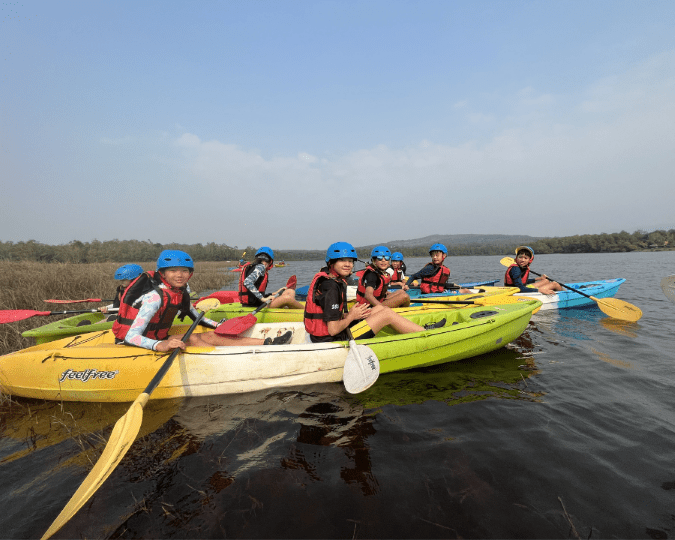
Residential trips and excursions also provide meaningful opportunities to develop independence, resilience and teamwork. Activities such as hiking, canoeing, rock climbing and community-based projects require students to plan, adapt, and work together in unfamiliar settings.
These experiences help students develop confidence and a sense of responsibility beyond the classroom.
They also allow students to see the impact of their actions, reinforcing the importance of initiative and leadership.
Guiding students as they grow in confidence
Independence develops gradually and requires careful guidance.
At St Andrews, teachers act as mentors, providing support while gradually reducing it as students become more confident.
“Teachers provide scaffolding that is gradually removed, helping students develop the confidence to manage their own learning,” notes Mr Geoff.
This approach ensures that students are supported at each stage of their development. They are not expected to become independent immediately, but are guided through a process that builds their skills over time.
Transition points are also carefully managed. Students are supported as they move between phases, ensuring that they understand new expectations and feel confident in their new environment.
Preparing students for life beyond school
In the later years of school, independence becomes a central focus.
Students are expected to manage their time, balance workloads, and take responsibility for their academic and personal development. They are supported in developing skills such as time management, research, and decision-making.
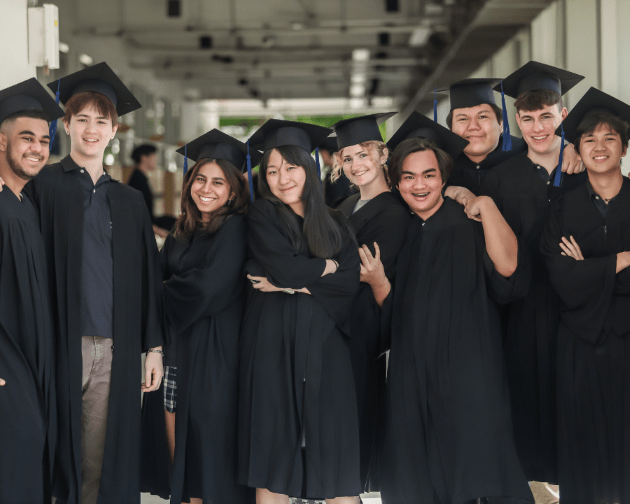
“By the time students graduate, they are self-directed learners who are prepared for the demands of university and the wider world,” adds Mr Geoff.
Programmes such as the IB Diploma Programme and IB Career-related Programme further support this development, requiring students to engage in independent research, reflection, and long-term planning.
This ensures that students are not only academically prepared but also equipped with the skills needed for life beyond school.
Independence that supports long-term success
Independence is one of the most important outcomes of education. At St Andrews International School Bangkok, it is developed through a combination of structured learning, meaningful opportunities, and consistent guidance. For parents, this provides reassurance that their child is not only learning academic content, but also developing the skills needed to thrive as an independent young adult. Parents who would like to understand more about how St Andrews supports student independence are always welcome to speak with the academic team and explore how these skills are developed across the school.
Related news
News image ![SLRI IGCSE IB Physics Student Internship - SLRI IGCSE IB Physics Student Internship]() Blog | Academic | High School | Senior Studies
Blog | Academic | High School | Senior Studies
 Blog | Academic | High School | Senior Studies
 St Andrews Bangkok IGCSE and IB Physics students gain real-world experience through summer internship
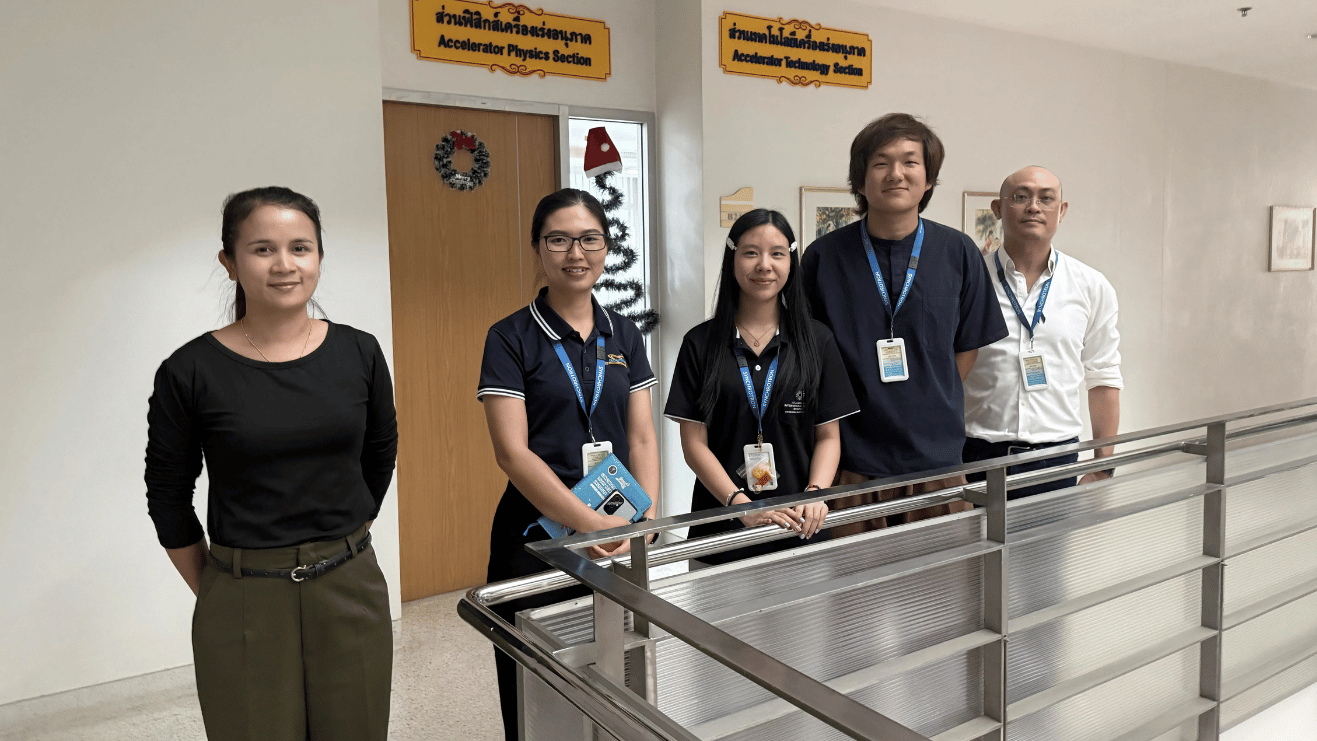
Select St Andrews Bangkok’s IGCSE and IB Physics students gained hands-on experience in advanced scientific research through a visit and summer internships at the Synchrotron Light Research Institute (SLRI). Working alongside scientists and engineers, students contributed to real-world projects involving particle accelerators and synchrotron technology, helping them connect classroom learning with practical applications in physics and engineering. The experience also provided valuable insight into future study and career pathways in science, research, and innovation.
News image ![oct camp]() News | Extracurricular Activities (ECAs) | High School | Primary School | Sport and PE
News | Extracurricular Activities (ECAs) | High School | Primary School | Sport and PE
 News | Extracurricular Activities (ECAs) | High School | Primary School | Sport and PE
 Stay active this break with our popular Activity Camps
Stay active and join our popular Activity Camps. Offering a wide variety of activities at both the Primary and High School for children aged 4 years old and up to keep active during the half-term break.
News image ![Teachers at St Andrews - Teachers at St Andrews Bangkok]() Blog | Staff | Primary School | STA Community
Blog | Staff | Primary School | STA Community
 Blog | Staff | Primary School | STA Community
 The dedication and care of teachers at St Andrews Bangkok
St Andrews Bangkok is portrayed as a school where teaching is defined by care, compassion, and a commitment to student wellbeing alongside academic excellence. The article highlights Year 2 teacher Mr Sam, whose warmth, positivity, and dedication exemplify the school’s ethos and show how educators nurture confidence, individuality, and resilience in every child. Through professional development and evidence‑based practices, the school ensures that its teachers continue to inspire growth and create environments where children thrive academically, socially, and emotionally.
News image ![STA Music Programme Young Producers - STA Music Programme Young Producers]() Blog | Performing Arts | Primary School
Blog | Performing Arts | Primary School
 Blog | Performing Arts | Primary School
 St Andrews Music Programme empowers students to compose original soundtracks
Year 6 students at St Andrews took part in an inspiring international collaboration. Working with peers in Australia and Scotland as part of our Young Producers pathway within the St Andrews Music Programme, they first created films that captured each country's landscapes. They then composed original soundtracks to accompany the footage, blending creativity with technical skill.