
In recent years, mental health has become an essential part of global conversation – and rightly so, as the data we are receiving is alarming. It’s estimated that almost 1 in 7 people in the world struggle with some type of mental disorder, and around half of them start very early – before the age of 181. It makes it our responsibility as a school and parents to give our youth the right tools to use to understand the problems they might be facing.

15 May, 2026
The Importance of Mental Health at School
Building Mental Health Awareness at TBS Warsaw
At The British School Warsaw, we want to be a part of this conversation. We ensure that topics related to mental health and emotional awareness are incorporated into our programme. Throughout the year, our students learn about their importance through discussions and activities in class. We believe that including it in natural conversations from early years on helps develop kindness, empathy, and emotional awareness in children.
Every year, we mark Mental Health Awareness Week, which is a great opportunity to speak about mental health on a wider scale. This year, it falls between 11th and 17th May, and we made sure to prepare as best as we could. In the week leading up to it, our Wellbeing Team led assemblies to spread awareness, where topics such as self-care, helping others, and emotional awareness were discussed. We also asked students around the campus what mental health meant to them to understand different points of view. Yet still, we believe it’s just a peak of an iceberg of what we can do together to support our youth.
Nurturing mental health during exams
Currently, we are at the important time of every student’s life – exams. We are aware that this period can bring a lot of stress and anxiety. The pressure to perform well and get into a dream university can really put students down – effecting negatively their mood, sleeping routine, and exam scores. They are aware of that as well, but a lot of them still struggle to maintain a healthy approach.
That’s where our graduate student, Joana, comes to rescue! She prepared an amazing guidebook called “Survive IB” based on her own experience with exams and studying. Below, we feature an excerpt from her work concerning mental health.
Joana’s advice:
- “Make sure to include rest in your routine. Burnout can ruin your productivity and may even cause insomnia or sickness, which can really hurt your performance during exam season. Try to take one full rest day each week.
- The Sleep Multiplier. Sorry, but all-nighters are a scam. A rested brain at 70% knowledge will outperform a sleep-deprived brain at 100% knowledge every single time.
- Nutrition & The "IB Menu". Don’t skip breakfast. Your brain runs on glucose. Create an "IB Menu" of 3-5 healthy, quick meals, so you aren't living on caffeine and snacks. This is especially important during exam weeks.
- Physical Exercise. Find an activity that helps you "stress out": whether it’s the gym, a sport, or a 20 minute walk. Moving your body clears the "brain fog" that comes from staring at a laptop for hours.
- Friends & Family. Lean on your tribe. Surround yourself with people who will study with you at 2:00 PM and laugh with you at 2:00 AM.
- Significant People. Keep your family and significant others in the loop. They are your safety net when the pressure gets high.
- Reach out. If you’re struggling, don’t keep it to yourself. Reach out to the friends you trust most. To a family member, form tutor or the school psychologist. Don’t feel embarrassed or weak. Reaching out is the healthiest thing you can do for yourself.”
We believe all students can benefit from her words – during exams and the rest of the school year as well. We encourage you to check out the full “Survive IB” guide. It includes useful tips on organization, deadlines, revision, and much more!
Mental Health – useful contacts
If you are struggling, our School Psychologist is always there to speak to.
In Poland, there’s also a special helpline for children and youth called Dziecięcy Telefon Zaufania Rzecznika Praw Dziecka, which they can always contact if they need help – including mental health issues. It’s free and fully anonymous.
Dziecięcy Telefon Zaufania Rzecznika Praw Dziecka: +48800 12 12 12
1WHO, World mental health today: latest data, 2025, p. 2.
Related news
News image ![first week blog header]() Blog | Homepage Featured Article
Blog | Homepage Featured Article
 Blog | Homepage Featured Article
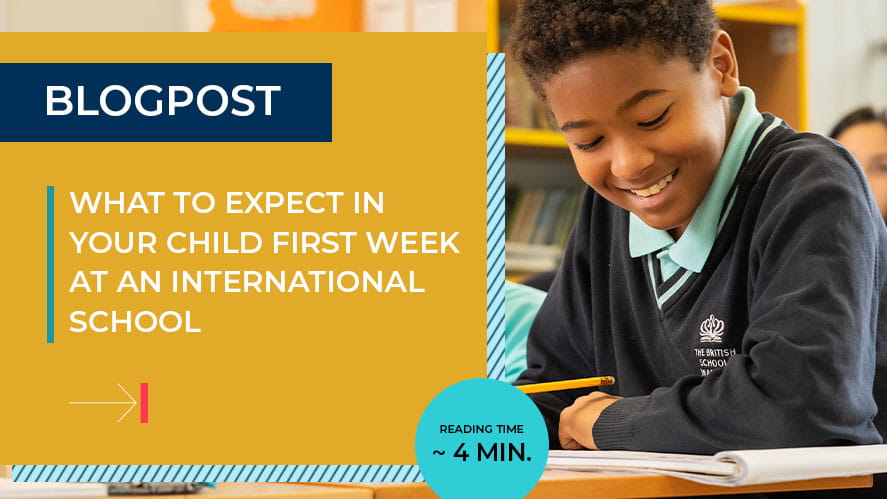
 What to Expect in Your Child First Week at an International School
Starting a new international school in Warsaw? Here is an honest, reassuring look at what the first week really feels like and how to help your child through it.
News image ![back to school in poland article cover]() Blog | Homepage Featured Article
Blog | Homepage Featured Article
 Blog | Homepage Featured Article
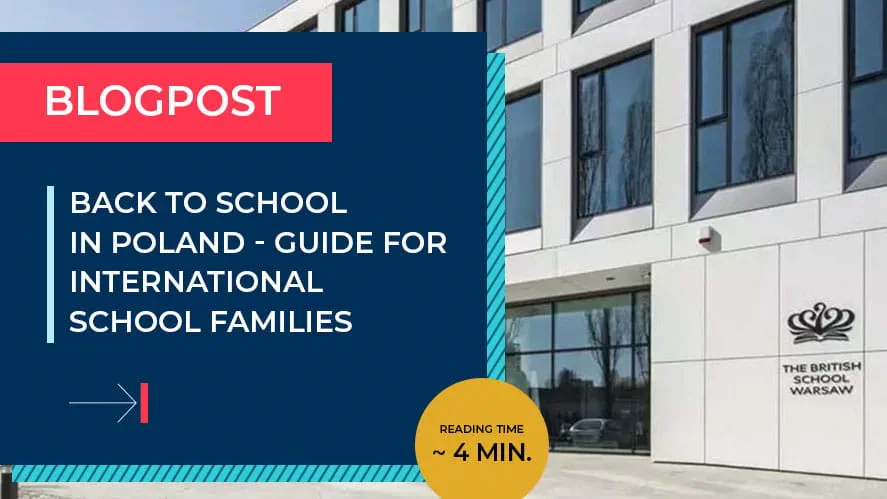
 Back to School in Poland: The Complete Guide for International School Families
Preparing for a new school year at an international school in Poland? This complete guide covers everything from uniform and logistics to language readiness.