

.jpg?h=5464&iar=0&w=8192&rev=d25c2e8a10054f4eaa147d554bcdc656&hash=0513C3A7A8B0D63204022FDBF42240DC)



We use cookies to improve your online experiences. To learn more and choose your cookies options, please refer to our cookie policy.

08 December, 2025
The Power of Well-Designed Learning Environments

Why great classrooms matter more than ever
When parents think about a great education, they often imagine excellent teachers, strong academics, and a supportive community. But there’s another factor – quiet, often invisible – that shapes how children feel and learn every single day: their physical environment.
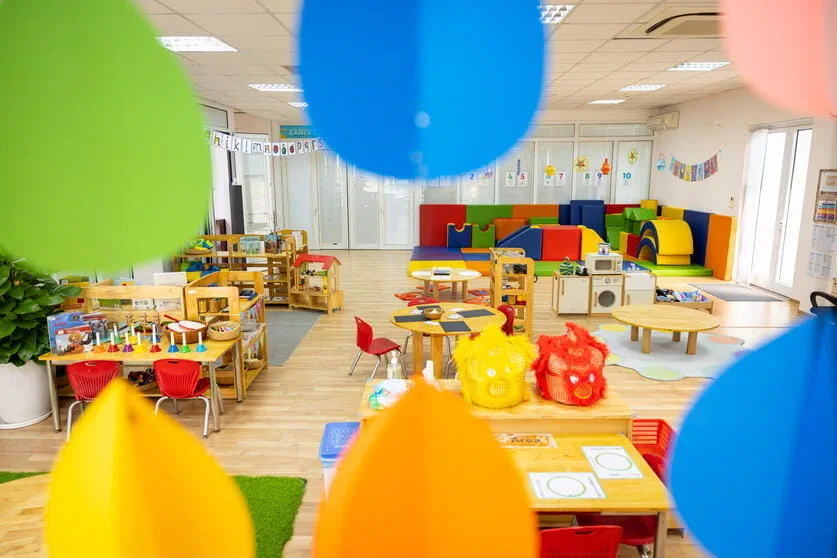
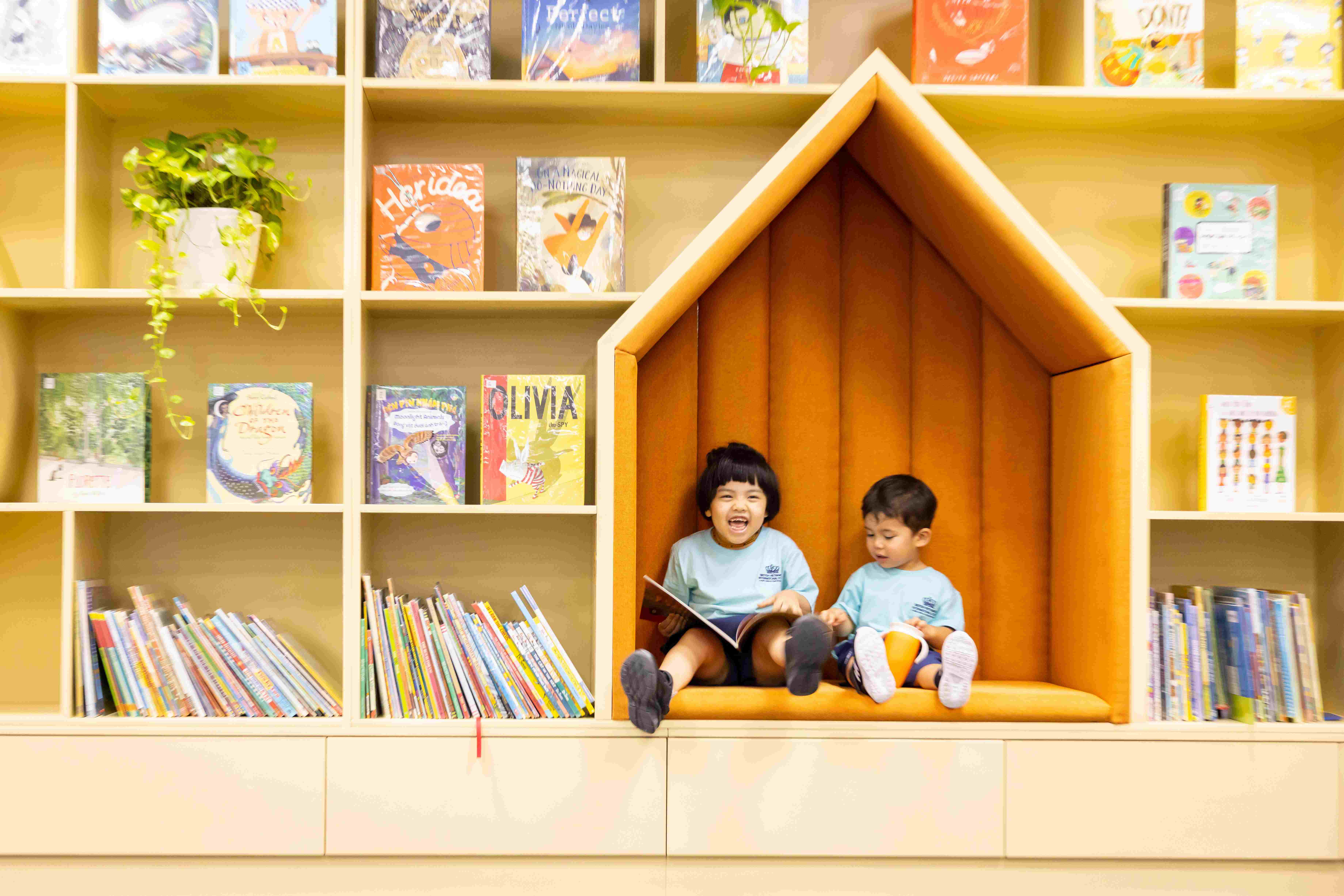
Walk into a classroom with natural light, soft movement-friendly seating, open spaces for collaboration, and small corners for quiet focus, and you can almost feel your shoulders relax. Now imagine the opposite: fluorescent lighting, rigid rows of desks, hard plastic chairs, and windows that barely open. The environment “teaches” as much as the teacher.
Why environment shapes learning
Researchers have shown again and again that a child’s surroundings directly influence their mood, concentration, and engagement. Natural light can boost focus and sleep rhythms. Greenery supports emotional regulation. Comfortable, flexible seating increases motivation and reduces stress.
In other words: children learn better when they feel better.
It’s also about giving students the freedom to move, collaborate, and choose the space that fits the task. A quiet corner for reading. A breakout space for team projects. A wide, light-filled room where creativity feels natural. These choices help children build independence – something every parent wants for their child.
Beyond aesthetics: design that supports real learning
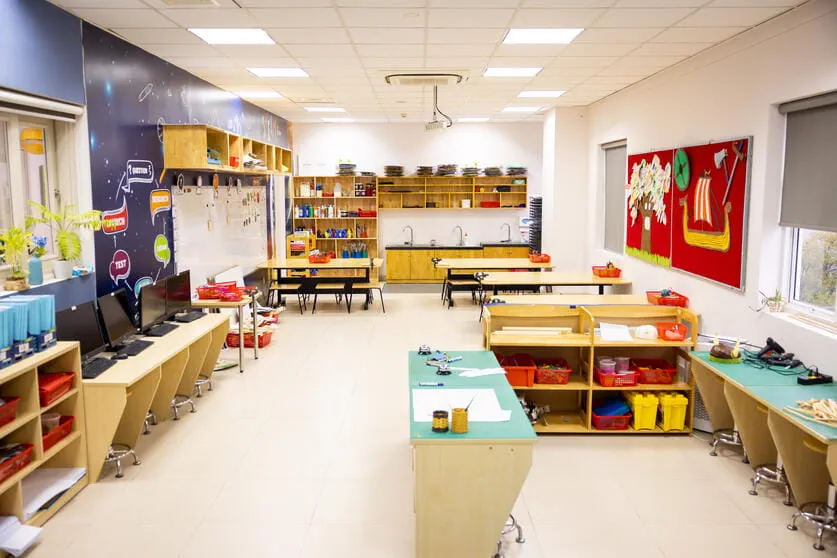
Modern learning spaces go far beyond “looking nice.” The best designs support:
• Movement, not just sitting
• Collaboration, not just listening
• Independence, not just instruction
• Wellbeing, not just academics
Even small design changes make a difference: wider corridors that double as study zones, classrooms with glass panels for passive supervision, sound-absorbing materials that reduce distraction, and furniture that can shift from whole-class learning to group exploration in seconds.
Thoughtful design encourages students to feel comfortable taking academic risks – they raise their hands more, discuss more openly, and express more curiosity.
A global shift in how schools are built
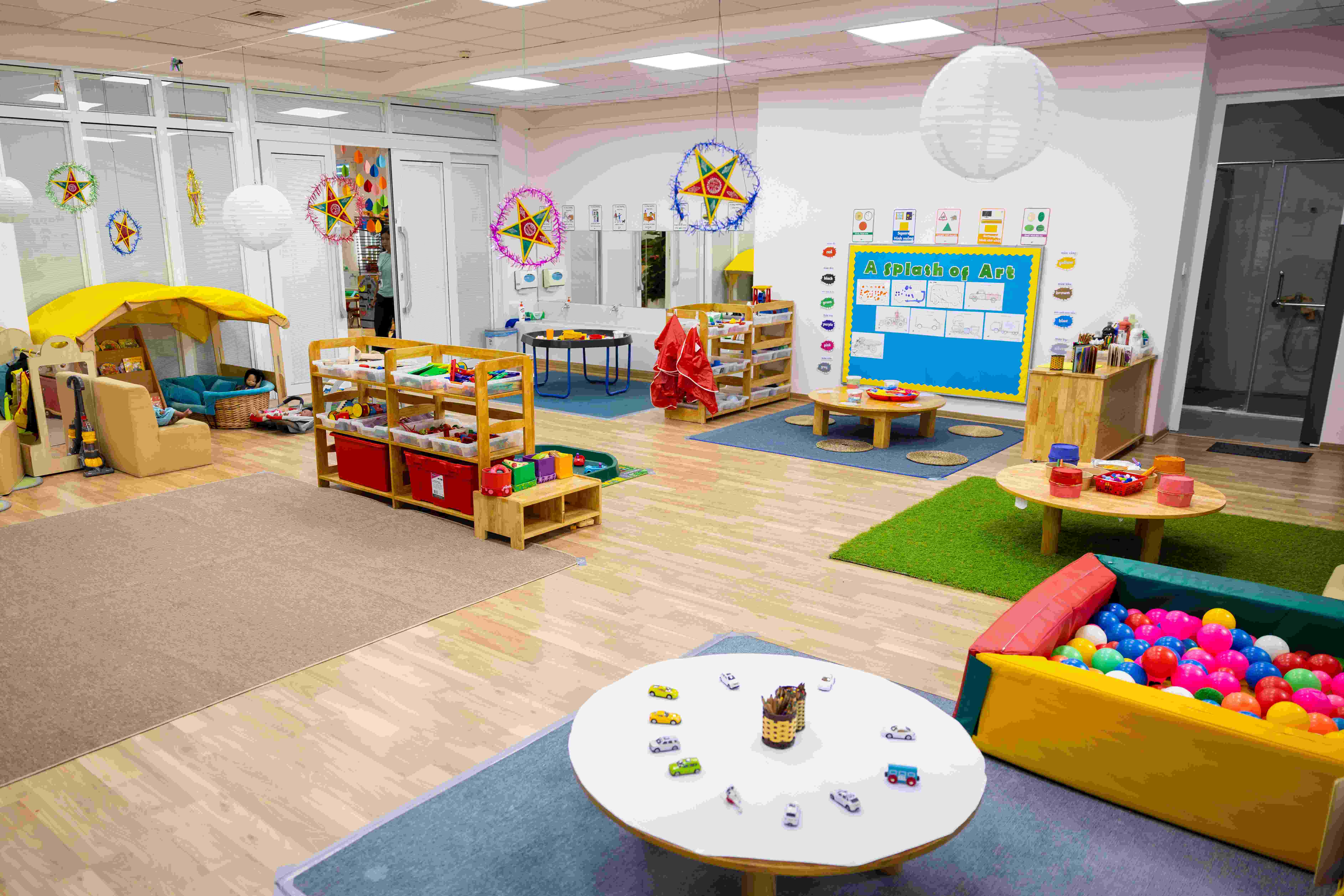
Around the world, schools are rethinking the traditional “four walls and rows of desks.” They are moving toward:
• Learning studios instead of isolated classrooms
• Multi-use breakout areas
• Nature-integrated spaces
• Open-plan creative studios and science labs
• Quiet zones that support focus and wellbeing
This approach reflects what children will encounter in university and future workplaces: environments that encourage collaboration, flexibility, and creative problem-solving.
How teaching and environment work together
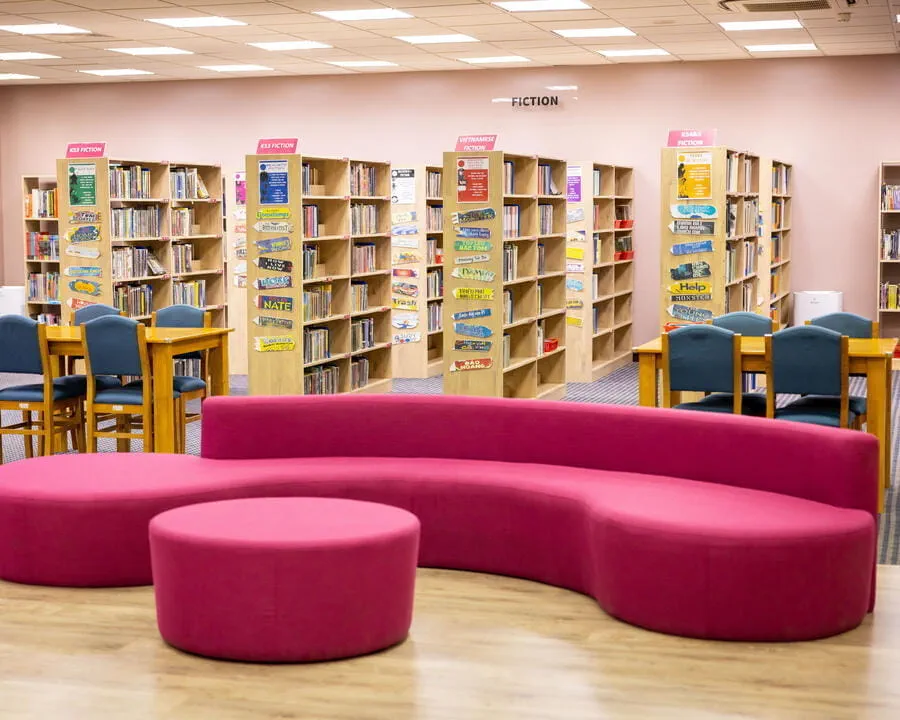
Of course, a wonderful space is only one part of the learning experience. What makes the biggest difference is how teachers use the environment.
Great teachers intentionally adapt the space for the moment:
• rearranging tables to spark group discussion
• taking a lesson outside to shift energy
• using breakout areas for project work
• creating visible learning displays that celebrate student thinking
The environment becomes a tool – a way to amplify great teaching rather than replace it.

Why this matters to parents
Parents want their children to be confident, focused, and happy in school. A well-designed learning environment helps with all three.
It supports children who need movement. It comforts children who need quiet space. It engages children who thrive through collaboration. It naturally reduces stress and boosts curiosity.
Ultimately, the right environment helps children do better academically and feel better emotionally.
And that’s something every parent can appreciate.
Where BVIS Hanoi fits into this story
At BVIS Hanoi, we are inspired by this global research and continue to upgrade, redesign, and rethink our learning spaces to match how children learn best today – supported by the training, expertise, and global network of Nord Anglia Education.
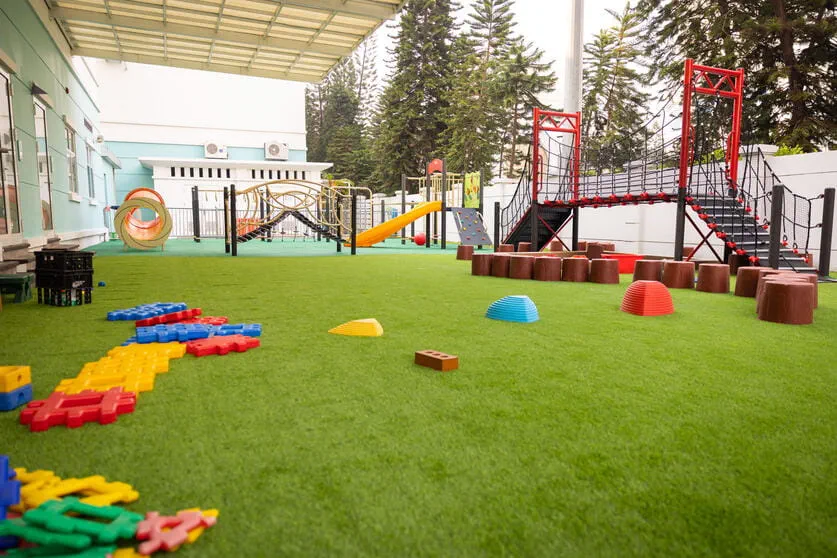
Our campus improvements, modern learning zones, flexible classrooms, and wellbeing-focused design choices all reflect one belief:
When students feel safe, inspired, and comfortable, they learn at their best.
If you’d like to see how thoughtful learning environments look and feel in real life, we’d love to welcome you for a visit.
Related news
News image ![Investing in the Right Education: Why Not All International - Investing in the Right Education]() Blog | news
Blog | news
 Blog | news
 Investing in the Right Education: Why Not All International Schools in Vietnam Are the Same
Key questions and important criteria for parents when selecting a trusted international school in Vietnam.
News image ![Let’s Talk About… Bullying - Lets Talk About Bullying]() Blog | news
Blog | news
 Blog | news
 Let’s Talk About… Bullying
Bullying is rarely black and white. This article helps parents understand what it is, how to spot the signs, and how to talk to children about it with empathy and support.
News image ![The Right Questions to Ask When Looking for a Good School - The Right Questions to Ask When Looking for a Good School]() Blog | news
Blog | news
 Blog | news
 The Right Questions to Ask When Looking for a Good School
A parent’s checklist for choosing the perfect school.


