

Raising emotionally resilient, confident, and connected children starts with us. Conscious Discipline is a powerful approach that focuses on self-regulation, connection, and intentional responses, helping us guide our children to behave well and thrive emotionally and socially.
Modeling Self-Regulation
Children learn more from what we do than from what we say. If we react with frustration or anger, they absorb that energy. However, when we remain calm and centered, they feel secure and are more likely to listen and cooperate. By choosing to self-regulate, we teach children how to navigate emotions.
Connection Before Correction
When children feel heard and valued, they are more willing to follow guidance. Simple gestures like making eye contact, using a warm tone, and acknowledging their emotions can strengthen your connection with your child.
Setting Firm but Compassionate Boundaries
Setting firm but compassionate limits teaches children responsibility while fostering emotional intelligence and problem-solving skills. Instead of saying, “Stop yelling!”, try, “I see you’re upset. Let’s take a deep breath and talk about what’s wrong.”
Encouraging Mindfulness and Self-Awareness
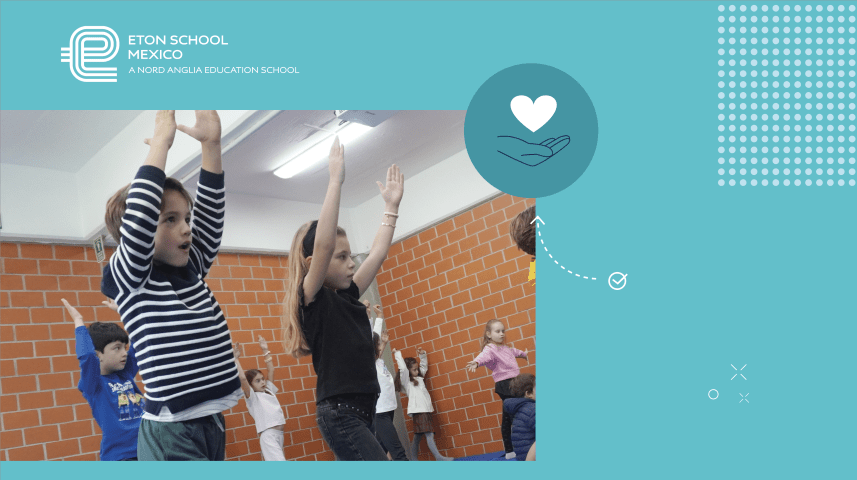
Teaching children to recognize and manage their emotions helps them develop resilience. Mindfulness techniques such as deep breathing, movement, and creative play can integrate logic with emotion, fostering self-awareness and empathy.
Leading with Kindness and Support
When we model kindness, patience, and self-acceptance, we create a nurturing environment where children feel safe to grow. By shifting from judgement to support, we empower them to develop confidence, responsibility, and a strong sense of self-worth.
Ivette Alkón
Elementary Teacher