


We use cookies to improve your online experiences. To learn more and choose your cookies options, please refer to our cookie policy.
19 May, 2026
Skills AI Can’t Match: How we prepare your child for the future at Léman International School Chengdu

In a world full of AI answers, will your child learn how to think?
Artificial intelligence is already transforming how we learn, work, and solve problems. Answers are faster, easier, and everywhere.
But when answers are instant, something else matters more than ever: your child’s ability to think independently, question thoughtfully, and adapt with confidence.
The future isn’t just about what children know. It’s about how they think.
Today, children in Chengdu are growing up in a world where the question is no longer, “can students find the right answer?”. It’s: “can they understand it, challenge it, and use it wisely?”
At Léman International School Chengdu, we focus on developing these essential thinking skills every day.
“The future isn’t just about what children know. It’s about how they think. In a world where artificial intelligence can generate answers in seconds, our responsibility as educators is to help students understand how they arrive at an answer, how to question it, improve it, and apply it with wisdom. This is where metacognition becomes essential. We want our students to be reflective learners who can plan, monitor and evaluate their own thinking; young people who are not simply consumers of information, but thoughtful problem-solvers, ethical decision-makers and creative thinkers. AI can provide information, but it cannot replace curiosity, empathy, judgement, resilience or the uniquely human ability to reflect on one’s own learning. These are the skills that will allow our students not only to adapt to the future, but to help shape it.” Our principal Mrs. Tracy Connor said.
How we develop thinking skills at Léman International School Chengdu
We don’t just teach answers. We teach students how to think.
In our classrooms, students learn to:
Reflect before responding
Explore different perspectives
Explain and justify their thinking
Solve problems independently
Our Year 5 IPC unit, “Myths and Legends”, nurtures students’ critical, analytical, creative, and evaluative thinking through theme-driven inquiry, focusing on the core question: “Why do myths exist, and what do they tell us about cultures?” Students begin by sharing myths from around the world, then develop analytical and comparative thinking skills by annotating classic myths, identifying key elements, and comparing cultural similarities and differences—focusing on the core themes of the stories rather than just the plots. Next, through the “Myth Truth vs. Fiction” inquiry, students build critical-thinking skills by linking myths to real historical experiences, distinguishing fiction from human emotions, and questioning how ancient people used stories to explain the unknown.
Backed by global research
As part of Nord Anglia Education, our school’s approach to learning is informed by a global research partnership with Boston College, involving over 12,000 students worldwide.
The results showed measurable improvements in the skills that matter most:
+20% curiosity
+21% critical thinking
+15% collaboration, commitment and compassion
76% of students reported increased independence
This research helps us continuously improve how we teach and how students learn.
Related news
News image ![Celebrating Success at the Nord Anglia Global Leadership Conference - Celebrating Success at the Nord Anglia Global Leadership Conference]() News
News
 News
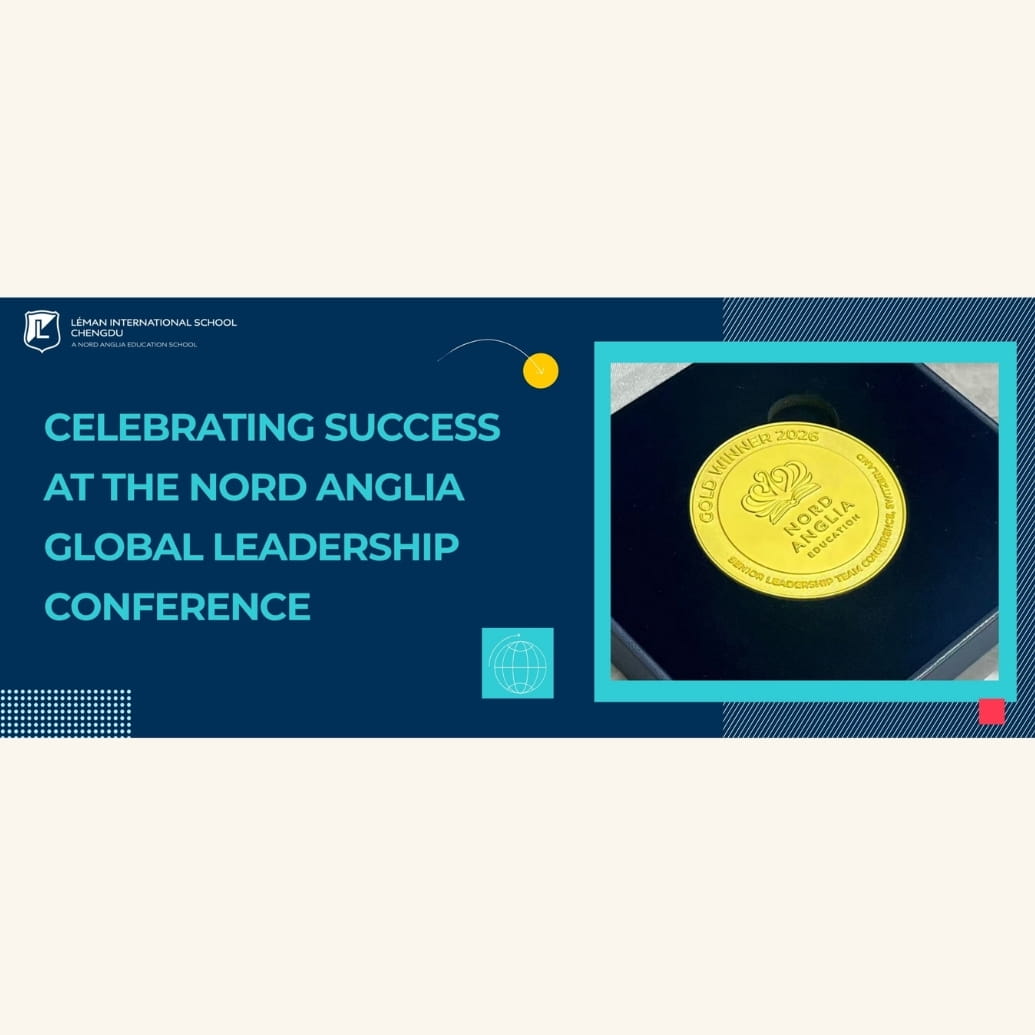
News Celebrating Success at the Nord Anglia Global Leadership Conference
Before the October break, Mrs Connor, our principal travelled to Switzerland to attend the Nord Anglia Global Leadership Conference, joining more than 100 Principals and senior leaders from Nord Anglia schools around the world.
News image ![From Little Builders to Tower Designers: STEAM Day at Léman - STEAM Day]() News
News
 News
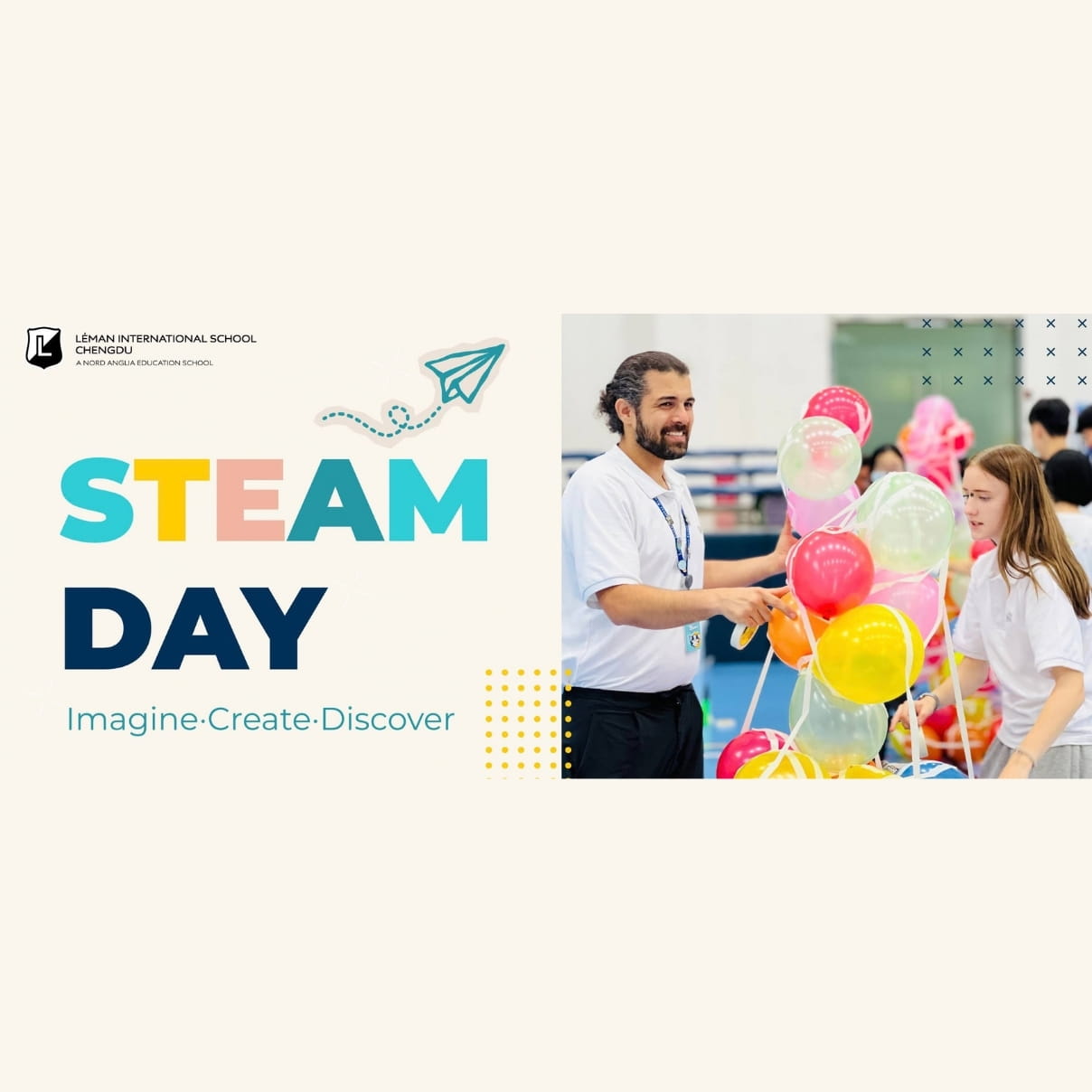
News From Little Builders to Tower Designers: STEAM Day at Léman
Léman International School Chengdu celebrated STEAM Day with hands-on activities that brought Science, Technology, Engineering, Arts and Mathematics to life. From Nursery to Secondary, students explored how everyday materials can become tools for discovery and creativity.