


How Early Childhood Shapes Later Learning

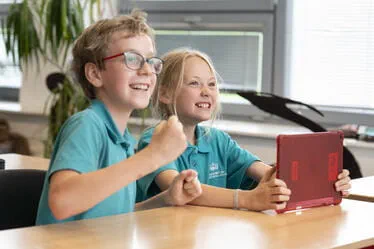
Everyday Moments That Teach Big Skills
Simple routines - saying goodbye in the morning, handling their belongings, choosing activities - help young children develop independence, emotional control, and early decision‑making. Even play‑based actions like stacking blocks or exploring picture books strengthen essential pre‑literacy and pre‑numeracy skills. These small moments build the habits and abilities children need for future learning.
Play as the Most Effective Learning Tool
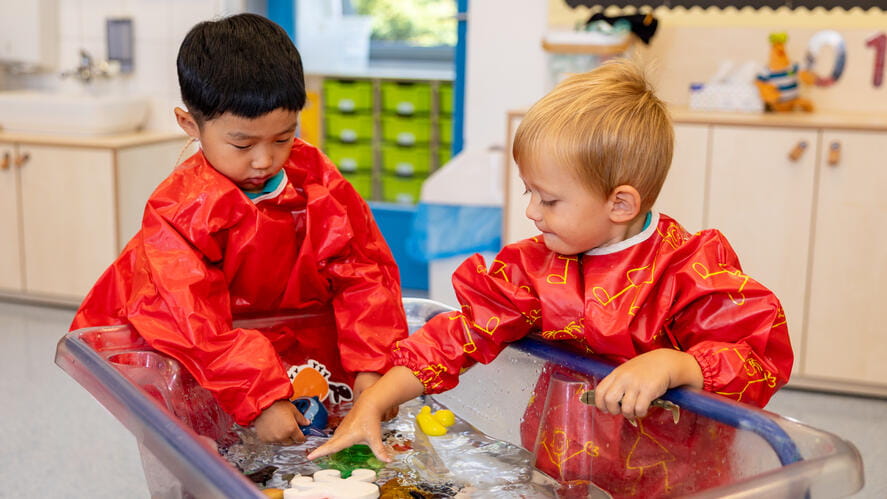
Developmental research shows that play is not a pause from learning but the engine of early development. Through playful exploration, children practise communication, creativity, resilience, and problem‑solving - skills that support all later academic progress
The Science Behind Early Growth
Young brains form neural connections at an astonishing speed. Supportive relationships, rich language exposure, and opportunities to explore drive this growth. The “serve and return” interactions between adults and children - talking, responding, comforting, sharing attention - help build the brain’s core architecture for thinking and emotional wellbeing.
Why It Matters Long Term
Studies highlighted by Nord Anglia show that children who experience warm, responsive and stimulating early environments develop stronger communication, social understanding, and cognitive skills later in life. The benefits of the early years extend far beyond preschool - they shape how children approach learning for years to come.
The information was taken over from Nord Anglia INSIGHTS. Read the original article here: Why Early Years are the most important years in learning | INSIGHTS
Visit Us and Discover Early Years at Prague British International School
The best way to find out how we support the growth of our youngest students is to visit us and see for yourself. You can book an individual tour in time that suits you by filling out an online enquiry form or contact our Admissions team directly at admissions@pbis.cz, +420 226 096 210.
Next Open Day for Early Years (Age 2 - 5 Years)
- When: 31 March 2026
- Time: 9:00 - 11:00
- Where: Kamýk Campus (K Lesu 558/2, Prague 4)
Registrations are open!
Related news
 News | School News | Primary | Secondary | Early Years
  Blog | Secondary | Primary | Early Years
  Blog | Early Years
  News | Early Years | Homepage Feature | Primary