


We use cookies to improve your online experiences. To learn more and choose your cookies options, please refer to our cookie policy.
18 November, 2021
How to Support Multilingual Children
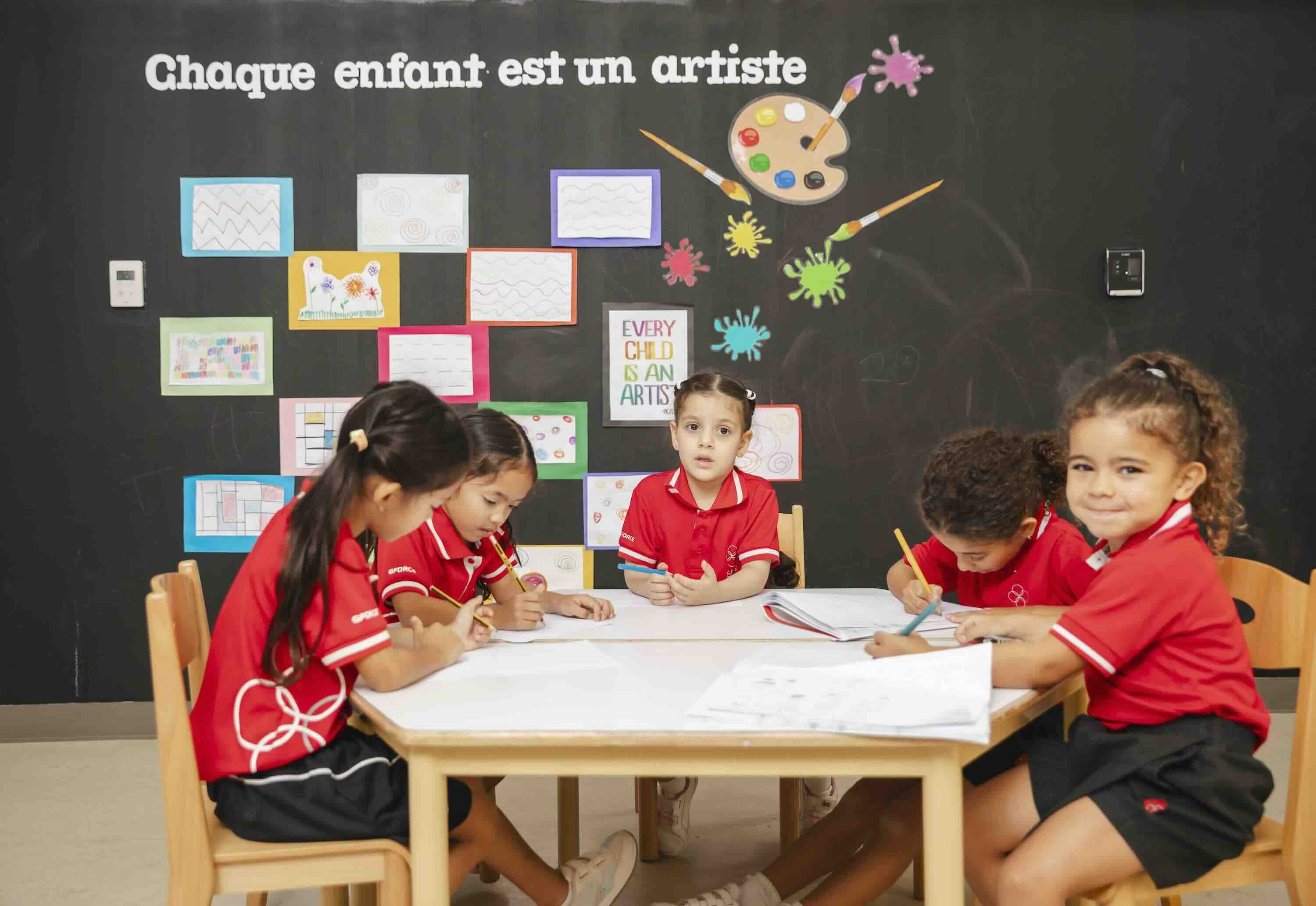
For many international families, raising children with more than one language is part of everyday life. A child may speak one language at home, another at school, and hear additional languages through friends, relatives, travel, and the wider community. With consistent support, multilingualism becomes a significant advantage, strengthening communication, confidence, and cultural identity.
This guide provides essential insights into bilingualism and multilingual upbringing while offering practical strategies parents can use at home. If you are still exploring the foundations of bilingual education, our guide to bilingualism at SISD provides detailed explanations of benefits and frameworks.
How can I integrate language naturally into daily life?
Children learn most effectively when language is part of everyday routines. Simple, repeated exposure through familiar activities develops fluency and confidence. Mealtimes, journeys, shopping, hobbies, and bedtime all offer opportunities for regular conversation. Naming objects, describing actions, and discussing the day strengthens comprehension and vocabulary.
Involving relatives and friends strengthens language use and cultural connection. Speaking with grandparents or cousins in a home or heritage language helps children understand that language is functional and meaningful beyond school.
How can structured language approaches support my child?
Structured approaches complement daily exposure. One Parent, One Language (OPOL) involves each parent consistently speaking a different language with their child and helps maintain dual-language proficiency. Setting aside specific reading or storytelling times and focusing on targeted vocabulary-building reinforces learning.
Interactive language apps such as Duolingo Kids or traditional games like Scrabble played in the target language provide engaging, structured practice. These methods encourage consistent vocabulary growth while keeping learning enjoyable.
How can I use stories and reading to strengthen language skills?
Reading is the most effective tool for vocabulary expansion and comprehension. Younger children benefit from picture books, rhymes, and repeated phrases. Older children develop expression and analytical skills through chapter books, audiobooks, and articles. Family storytelling, including tales about relatives or traditions, reinforces cultural identity and engagement in language.
Parents should integrate reading into routine activities. Shared reading at bedtime, discussing a story after school, or listening to audiobooks during travel builds both comprehension and confidence. Starting with familiar topics encourages children to participate actively.
How can play and interests support language learning?
Language develops most effectively when children are engaged and interested. Play, hobbies, and everyday activities provide authentic contexts for practising vocabulary and sentence structures. Board games, cooking, arts and crafts, music, and films in the target language allow children to use language naturally.
Digital tools support engagement but should not replace human interaction. Children benefit most when language use is connected to meaningful experiences rather than abstract exercises.
How can I connect language with my child’s cultural identity?
Language learning becomes more meaningful when children understand the culture behind it. Celebrating cultural traditions such as National Days, local festivals, or family ceremonies enriches experience. Travel or interaction with communities where the language is spoken deepens both cultural and linguistic understanding.
Through cultural engagement, children see that language is a tool for connection and participation. This fosters a polyglot upbringing and helps children value their heritage language.
Is it normal for my child to mix languages?
Multilingual children often code-switch, pause while searching for words, or show uneven confidence across languages. This reflects the different contexts in which they use each language and is not a sign of confusion. Skills develop at different rates depending on exposure and context.
Parents should respond calmly, model correct usage when appropriate, and create safe spaces for experimentation. Children gain confidence when they feel supported to try and make mistakes.
How does the Swiss International Scientific School in Dubai support multilingual learning?
The Swiss International Scientific School in Dubai (SISD) offers structured bilingual pathways in English/French and English/German from Early Years through Secondary levels. Students learn language within a multicultural environment where communication, critical thinking, and cultural understanding are integrated into every subject.
SISD’s International Baccalaureate (IB) curriculum develops academic and linguistic competence, enabling children to acquire dual-language proficiency and cultural fluency. The school community includes students from over 70 nationalities, providing authentic opportunities to practise multiple languages daily.
A bilingual approach to the IB ensures students build confidence and cognitive flexibility, preparing them for global opportunities. To explore SISD’s bilingual pathways or speak to our Admissions team, parents can access personalised guidance for their child’s polyglot development.
Related news
News image ![SISD Partners with Dubai Creek Golf Club Academy]() News | Educational Insights | Nord Anglia Education
News | Educational Insights | Nord Anglia Education
 News | Educational Insights | Nord Anglia Education
 SISD Partners with Dubai Creek Golf Club Academy
SISD partners with Dubai Creek Golf Club Academy to give IBCP students hands-on experience in golf, sport, and the wider sports business ecosystem.
News image ![SISD Renews Partnership with Speedo Swim Squads - SISD renews long standing partnership with Speedo Swim Academy]() News | Educational Insights | Nord Anglia Education
News | Educational Insights | Nord Anglia Education
 News | Educational Insights | Nord Anglia Education
 SISD renews long standing partnership with Speedo Swim Academy
SISD renews its long-standing partnership with Speedo Swim Squads, strengthening a comprehensive swimming programme that supports students from their first lessons through to competitive performance.
News image ![Introducing The Learning Curve - Introducing The Learning Curve]() News | Educational Insights | Nord Anglia Education
News | Educational Insights | Nord Anglia Education
.jpg?h=1600&iar=0&w=1600&rev=96e25ab25b6e44c8bee0e21221f7e9a1&hash=DFCBBDCC84B62CDC0C5B3088C3419842) News | Educational Insights | Nord Anglia Education
News | Educational Insights | Nord Anglia Education Introducing The Learning Curve - A new podcast for families navigating school, parenting, and growing up
Every parent has questions. Some are practical. Others are deeply personal. Is my child happy at school? Are they developing as they should? How much homework is too much? Is university still worth it? What role should AI play in learning?
News image ![Image_SISD_Dubai_2025 (41)]() Blog | Educational Insights | Advice and Guidance
Blog | Educational Insights | Advice and Guidance
 Blog | Educational Insights | Advice and Guidance
 Choosing Between English-French and English-German Bilingual Education
At SISD, we offer both English-French and English-German educational pathways. Find out which may be best for you and speak to our admissions team for more information.