.jpg?h=3580&iar=0&w=5370&rev=99139044224547518d630f3a1455a7d5&hash=547DB4AB2AF0BFA9C49A2947B0AED45C "Nurturing a Love of Reading at Home")
We use cookies to improve your online experiences. To learn more and choose your cookies options, please refer to our cookie policy.

20 March, 2026
Nurturing a Love of Reading at Home
.jpg?h=3580&iar=0&w=5370&rev=fb8ad5737800420c8dec3b5d84fbb0a7&hash=C9168C601AE1D3E0157A6351F6D5F3E6 "Nurturing a Love of Reading at Home")
Many of us can remember some of our favourite childhood books, the ones where we became completely absorbed in another world, where characters felt real, and time seemed to stand still. It is a feeling we naturally want to recreate for our own children, and at the heart of this is not just teaching them to read but nurturing them to become readers. Children who choose to read, who find joy in stories, and who see books as a source of curiosity and comfort. Reading is far more than recognising words on a page, it is about thinking, understanding language, building vocabulary, making connections, and engaging with ideas.
The ‘Simple View of Reading’, a research-based model, shows reading depends on two essential components: decoding and language comprehension. Decoding, the ability to read words, is taught through phonics in school, giving children the tools to accurately recognise and read symbols on the page. However, understanding what they read (language comprehension) comes from conversations and exposure to language and stories. This is where home plays a vital role in helping children move from simply reading words to truly understanding them.
When you read with your child, or listen to them read, your voice models how language works, the pause at a comma, the lift in tone at a question mark, the energy of an exclamation, or the shift between characters in dialogue. Through this, children begin to understand that punctuation is not just a set of symbols, but a guide to meaning, emotion, and intent.
.jpg?h=3496&w=5244&rev=69f004708131496e9eb04dcf8a4648e6&hash=02CBD23094A6DEA9F6F5AD56B7FD4AA9)
Reading also helps children build background knowledge and their understanding of the world, people, places, and ideas. Research shows that children with richer background knowledge can comprehend stories and information more effectively, even if their reading skills are similar to other peers, because they can make stronger connections between what they read and what they already know.
When reading together at home, talk to your child about the story you are sharing, ask your child what they liked, what surprised them, or how a character might be feeling. All these questions help deepen understanding and build connections. Revisiting favourite books builds not only confidence, but also fluency; while exploring new genres, poems or non-fiction texts can spark curiosity.
Creating a cosy reading space, visiting the library, or letting your child choose their own books can also make reading feel special. Even small moments, like sharing a page before bed or reading a recipe together, all contribute to building positive reading habits early on.
.jpg?h=2770&w=4155&rev=84afe4e46d6544849e73265715514314&hash=8975BF0647678CB5205C148F5B85CD23)
In today’s world of fast-moving digital content, developing a love of reading has never been more important. Reading builds attention, imagination, and stamina, all of which are essential for lifelong learning. Reading at home is not just about practice, it is about creating readers. It is about providing opportunities where language comes alive, where stories are shared and explored and where children come to see reading not as a task but as a source of enjoyment that nurtures their imagination and learning across all areas of life.
Tips for Supporting Your Child’s Reading at Home
- Make reading a daily habit: Aim for 10–20 minutes a day. Short, regular sessions build fluency and confidence.
- Let your child choose what they read: Choice boosts motivation and helps children see reading as something they enjoy, not something they must do.
- Model reading at home: Children copy what they see. When adults read, children are more likely to read too.
- Support reluctant readers gently: Try reading together, taking turns, or pairing audiobooks with print books to build confidence at their pace.
- Reduce distractions during reading time: A calm, quiet environment helps children concentrate and engage more deeply with what they read.
- Visit the library regularly: Exploring new books keeps reading exciting and introduces children to a wider world of ideas.
- Celebrate effort, not perfection: Praise curiosity, persistence, and enjoyment, these help children grow into lifelong readers.
Hollie McKie
Deputy Head of Primary
Related news
News image  News
News
 News
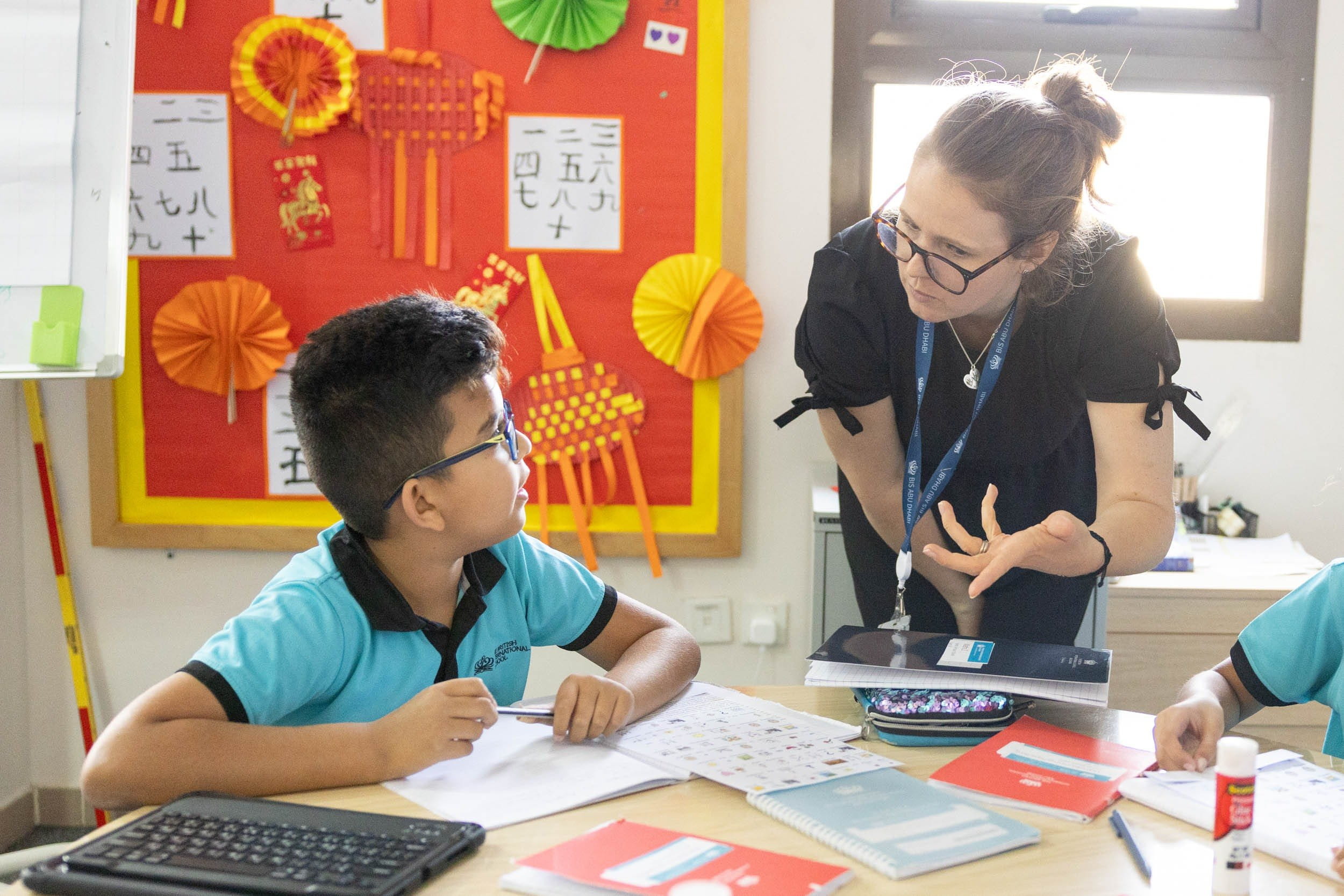
News Developing Creative and Compassionate Thinkers for the Future
Helping students build creativity, compassion and flexible thinking through routines that prepare them for a changing world.
News image  Blog | Advice and Guidance | Educational Insights | Leadership Insights | Wellbeing and Pastoral Care
 Blog | Advice and Guidance | Educational Insights | Leadership Insights | Wellbeing and Pastoral Care
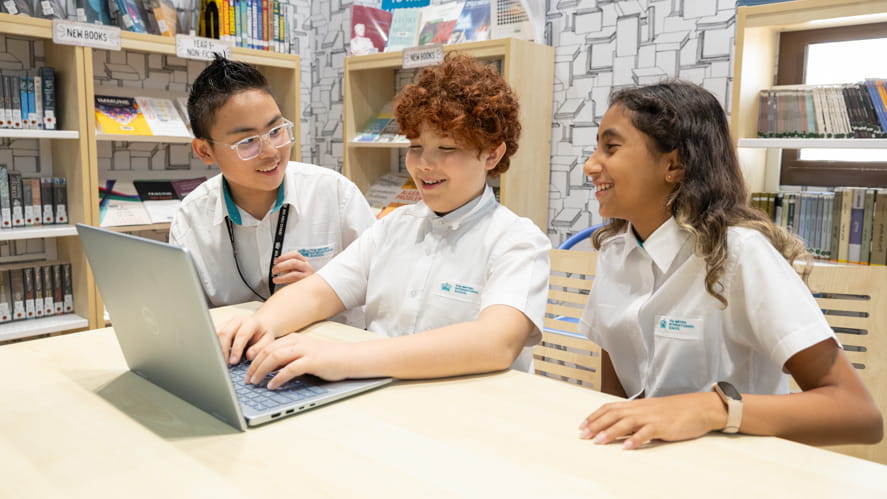
 Preparing Students for an AI-Enabled Future
Discover how BIS Abu Dhabi ensures safe, responsible AI use in the classroom while building students’ confidence, critical thinking, and good digital habits.
News image  Blog | Advice and Guidance | Choosing A School | Nord Anglia Education
 Blog | Advice and Guidance | Choosing A School | Nord Anglia Education
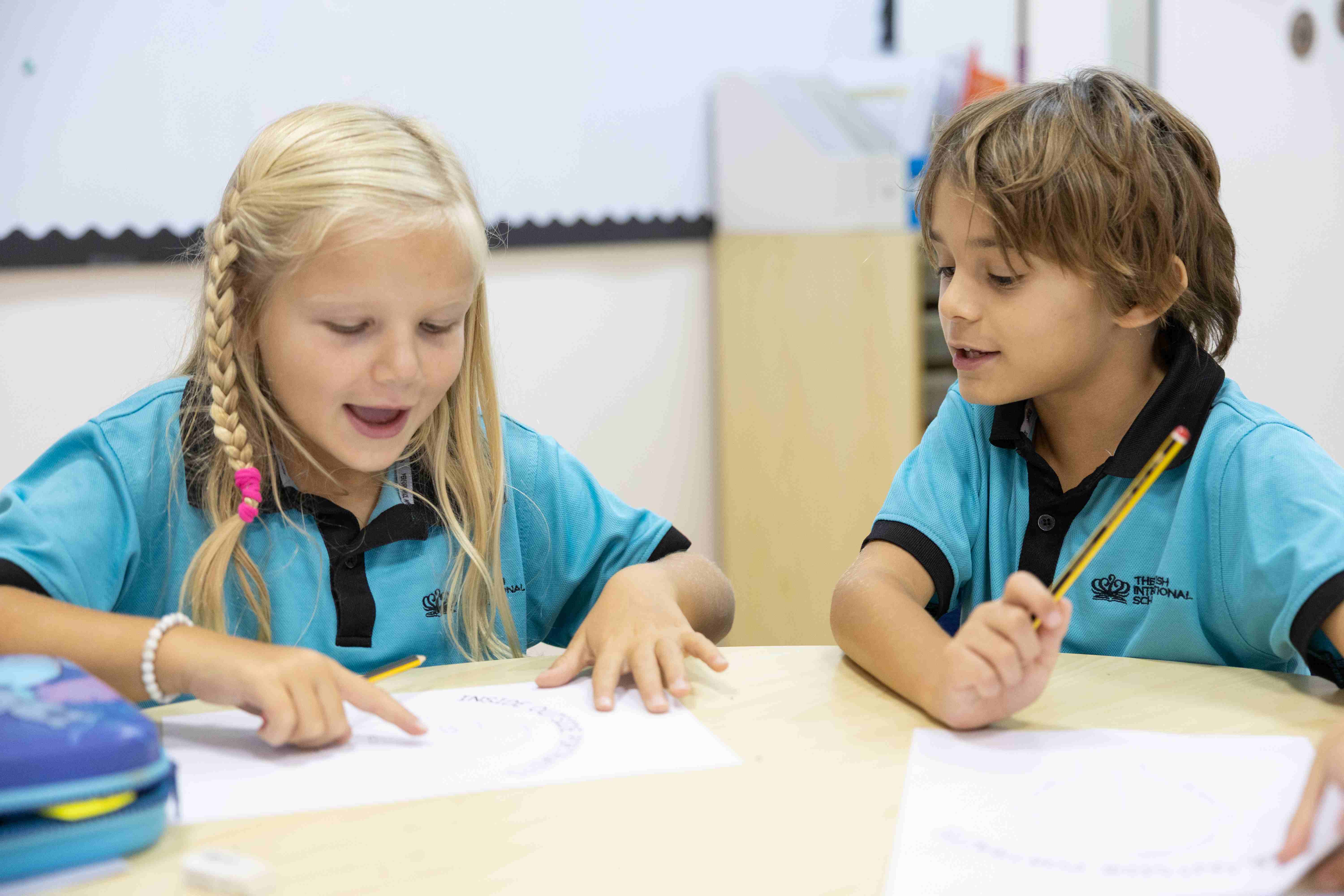
 From Primary Foundations to Future Pathways
How BIS Abu Dhabi builds strong Primary foundations and prepares students for GCSE, IB and BTEC through the holistic BISAD Diploma.
News image  Blog | Advice and Guidance | Educational Insights | Leadership Insights | Posts From Our People
 Blog | Advice and Guidance | Educational Insights | Leadership Insights | Posts From Our People
 Helping Students Succeed Through Simple Daily Habits
As we begin a new year, many of us reflect on what we hope to change, improve, or achieve. Simple daily habits can make a real difference. Our Deputy Head of Secondary, Alan Grant, shares why small, consistent routines matter for learning, wellbeing, and long-term success, and how schools and families can work together to support students.
News image  Blog | Advice and Guidance | Educational Insights | Early Years | Primary | Posts From Our People
 Blog | Advice and Guidance | Educational Insights | Early Years | Primary | Posts From Our People
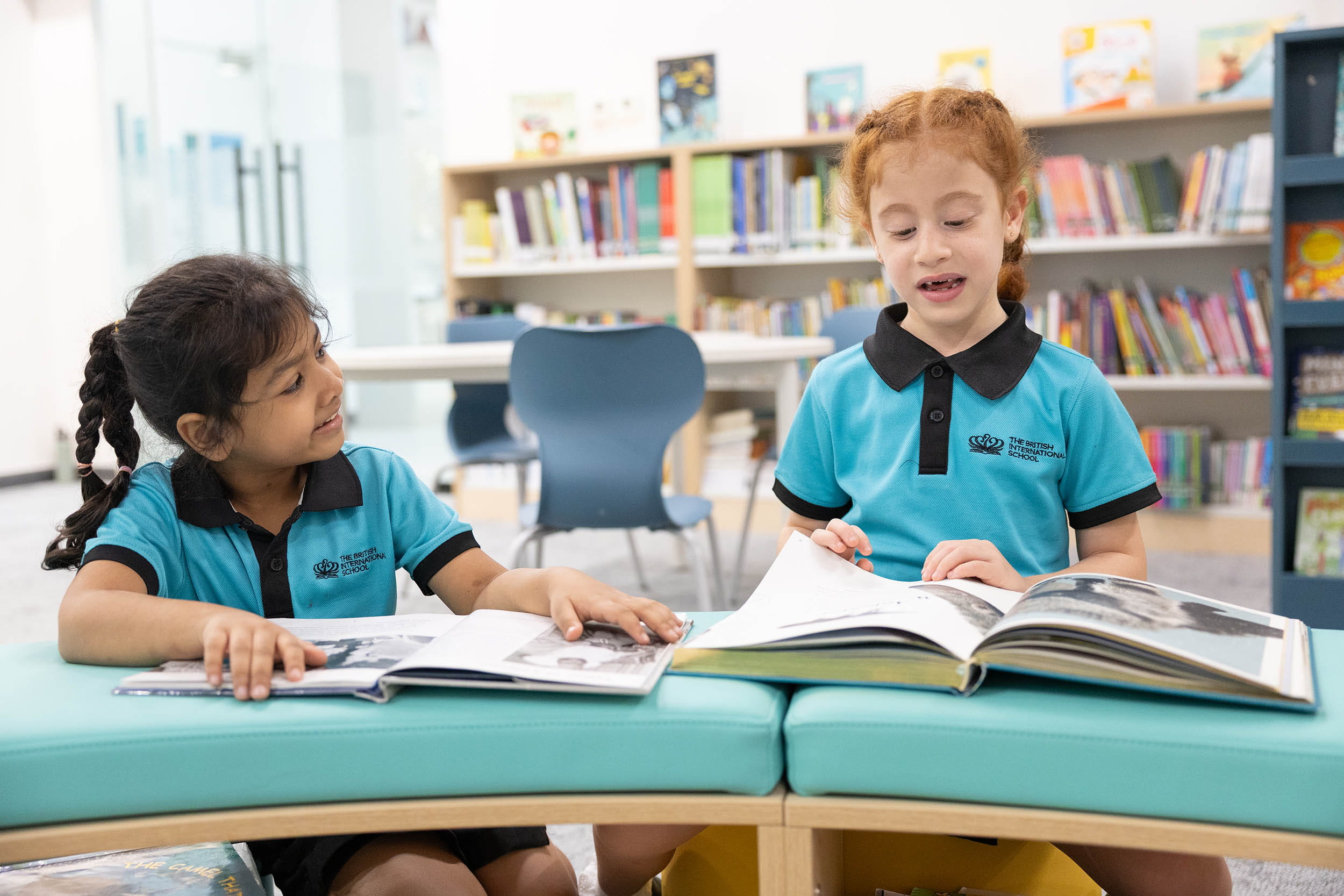
 Why Bedtime Stories Matter for Your Child’s Development
“Some of my earliest, warmest memories are of bedtime stories with my parents.” In his latest blog, our Head of Primary, John Dibdin, shares why those moments matter, not just for literacy, but for love, imagination, and lifelong learning. Discover practical tips and heartfelt insights that will make bedtime reading a cherished part of your child’s day.
.png?rev=1619813b30a347d9bc71977e2cfe09d2&hash=66B98CDC659BBF07EB36660B4381E1E7)