.jpg?h=249&iar=0&w=374&rev=3fbcfab32dc84e0bb6c19d644616e88a&hash=2E2B8E367BFD2DB7314DAB1AD5C50F8C "How Metacognition Builds the Skills AI Can’t Replace")

We use cookies to improve your online experiences. To learn more and choose your cookies options, please refer to our cookie policy.

06 May, 2026
How Metacognition Builds the Skills AI Can't Replace
.jpg?h=1667&iar=0&w=2500&rev=316a521916e845bdba2e70442ff00371&hash=71FEA428D6FD9D1112C41B72452F7F15 "How Metacognition Builds the Skills AI Can’t Replace")
In a world where artificial intelligence can generate instant answers, the most important question facing education today is no longer what children know, but how they think.
At The British International School Abu Dhabi, this belief is central to our approach to learning. As part of Nord Anglia Education, we are proud to be actively involved in a landmark global research collaboration with Boston College, exploring how metacognition and thinking routines help children develop the human skills AI cannot replicate.
Parents can explore these skills in more depth on our dedicated page: Skills AI Cant Match.
What Is Metacognition, and Why Does It Matter?
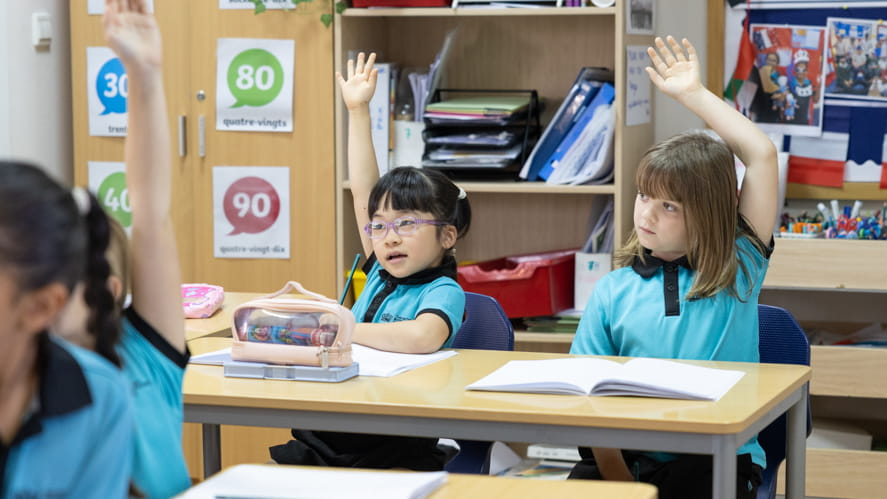
Metacognition is often described simply as thinking about thinking. In practice, it helps students become aware of how they learn, why certain strategies work, and how to improve when things feel challenging.
Through carefully embedded thinking routines, students learn to:
- Pause and reflect before responding
- Explore multiple perspectives
- Explain and justify their thinking
- Adapt strategies when something isn’t working
These skills go far beyond academic attainment. They help children grow into independent, confident and resilient learners, qualities that matter not just for exams, but for life.
Global Research, Real Impact at BIS Abu Dhabi
Nord Anglia’s two-year global research project with Boston College involved over 12,000 students worldwide and investigated how metacognitive strategies support learners across diverse contexts. The global findings showed clear, measurable growth, with research demonstrating a 40–50% increase in key human skills including creativity, independence and critical thinking, skills AI can’t match.
At BIS Abu Dhabi, our own data mirrors and strengthens these outcomes.
What the Research Shows in Our School
Our most recent metacognition survey highlights powerful trends.
Students rated themselves highly across the Nord Anglia Learner Ambitions:
- 91% collaboration
- 85% creativity
- 81% curiosity
- 79% compassion
- 79% commitment
- 74% critical thinking
Teachers observed clear growth across the year:
- 100% reported growth in collaboration and curiosity
- 91% in compassion
- 85% in creativity
For students using thinking routines daily, the impact was even stronger:
- 95% felt confident knowing how to improve their learning
- 82% reported liking learning
- 77% felt able to work independently
Parents who would like to explore the findings in more depth can access the full BIS Abu Dhabi reports below: the Student Metacognition Survey Report, which captures learners’ perspectives on their thinking and learning, and the Teacher Metacognition Survey Report, which highlights observed changes in learning behaviours across the school.
These findings show that metacognition is not an abstract concept. It is shaping daily classroom experiences and strengthening learning habits across our school.
Students Know How Thinking Helps Them Learn
The voices of our students are especially powerful, showing how well they understand the value of thinking routines:
“It boosts your learning and helps you deeply understand something.”
These reflections highlight how students are developing ownership of their learning, applying strategies independently and transferring them across subjects.
Teachers See the Difference Every Day
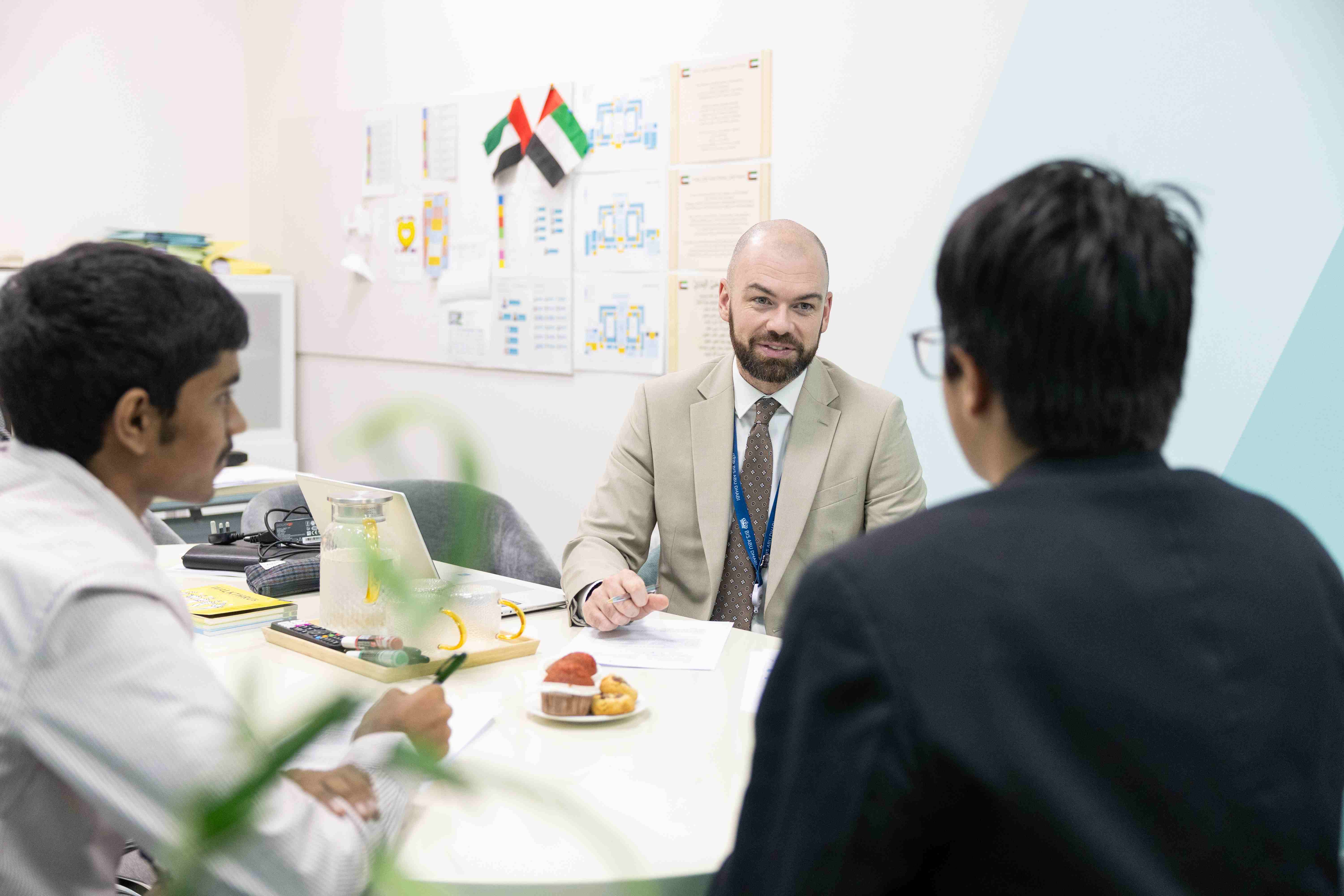
Teachers describe classrooms where thinking is more visible, purposeful and confident:
“Students are more aware of the strategies they are using and can explain their thinking.”
“Classroom dialogue is richer, with clearer justification of ideas.”
Metacognition is helping students understand not just what they learn, but how they learn best.
To learn more about the approaches behind this, explore our How We Teach philosophy.
Preparing Learners for a World with AI
AI will continue to shape the world our children grow up in. What will remain uniquely human is the ability to think critically, make sound judgements, persevere through uncertainty, collaborate with empathy, and adapt independently.
This is why we don’t just teach answers. We teach thinking.
At BIS Abu Dhabi, our involvement in this research means parents can be confident that global evidence, classroom practice and measurable outcomes are closely aligned, giving children the skills they need to thrive now and in the future.
To learn more about how we intentionally develop the skills AI can’t replace, explore our approach to learning on our Skills AI Can’t Match page or enquire today to discover how BIS Abu Dhabi supports every learner’s future.
Related news
News image  Blog | Advice and Guidance | Educational Insights | Leadership Insights | Wellbeing and Pastoral Care
 Blog | Advice and Guidance | Educational Insights | Leadership Insights | Wellbeing and Pastoral Care
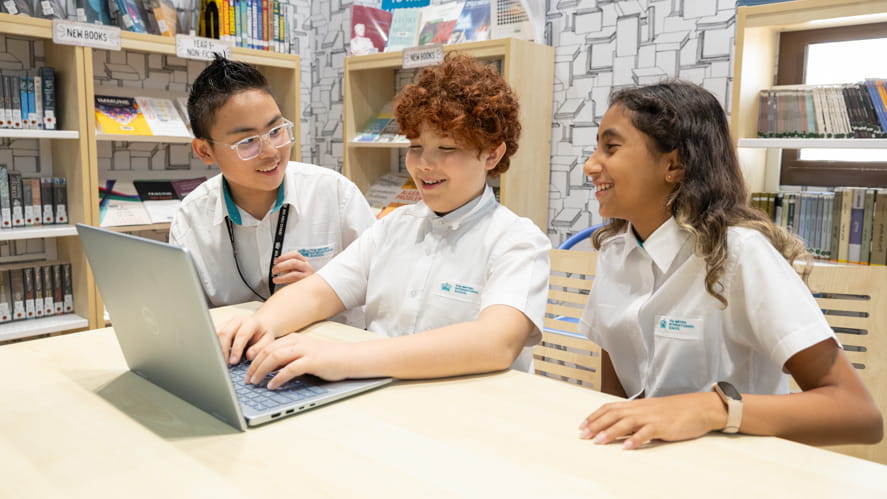
 Preparing Students for an AI-Enabled Future
Discover how BIS Abu Dhabi ensures safe, responsible AI use in the classroom while building students’ confidence, critical thinking, and good digital habits.
News image  News
News
 News
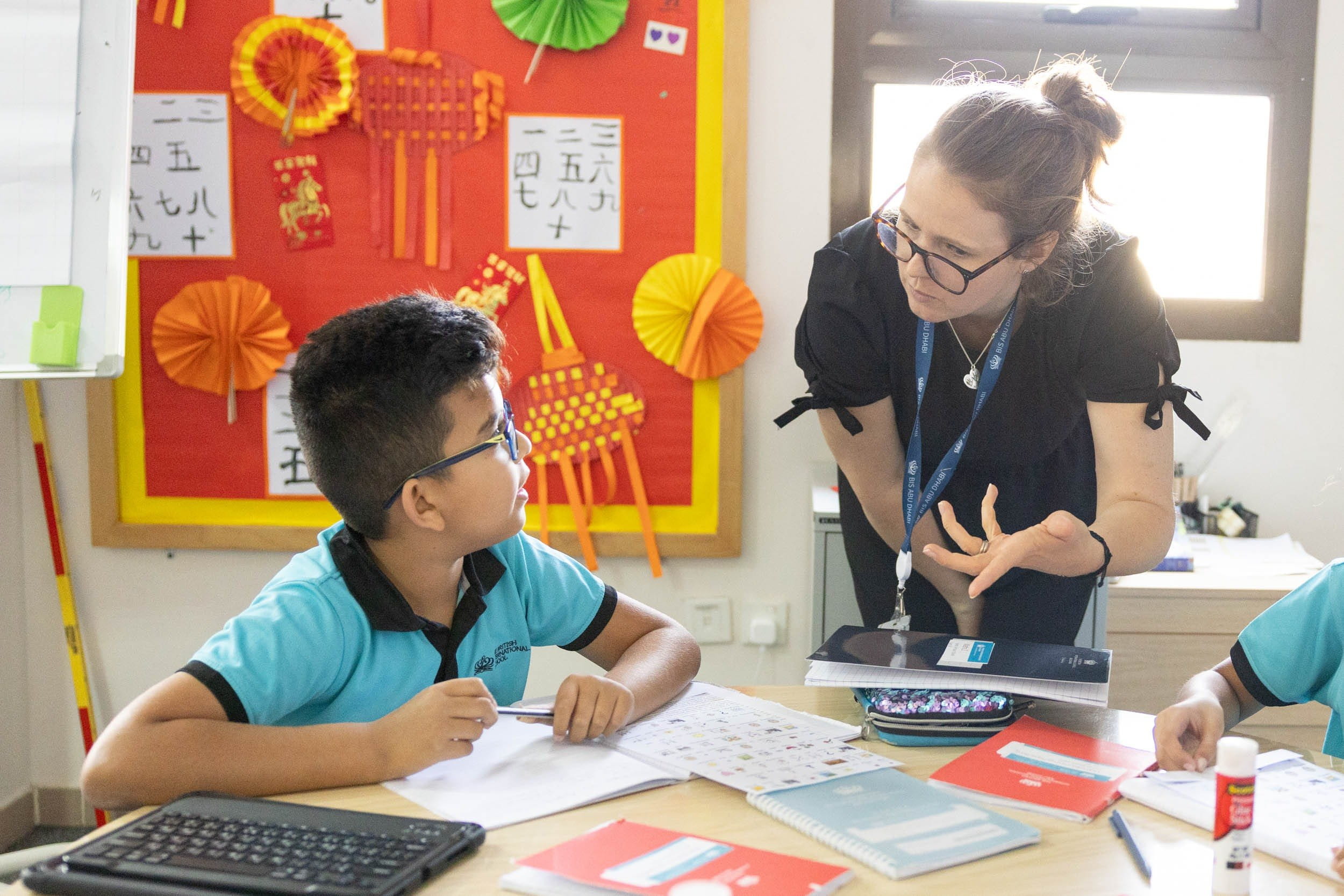
News Developing Creative and Compassionate Thinkers for the Future
Helping students build creativity, compassion and flexible thinking through routines that prepare them for a changing world.
News image ![How we support your family journey from application to first - How we support your family journey from application to first day]() Blog | Advice and Guidance | Choosing A School | Educational Insights | Posts From Our People
Blog | Advice and Guidance | Choosing A School | Educational Insights | Posts From Our People
 Blog | Advice and Guidance | Choosing A School | Educational Insights | Posts From Our People
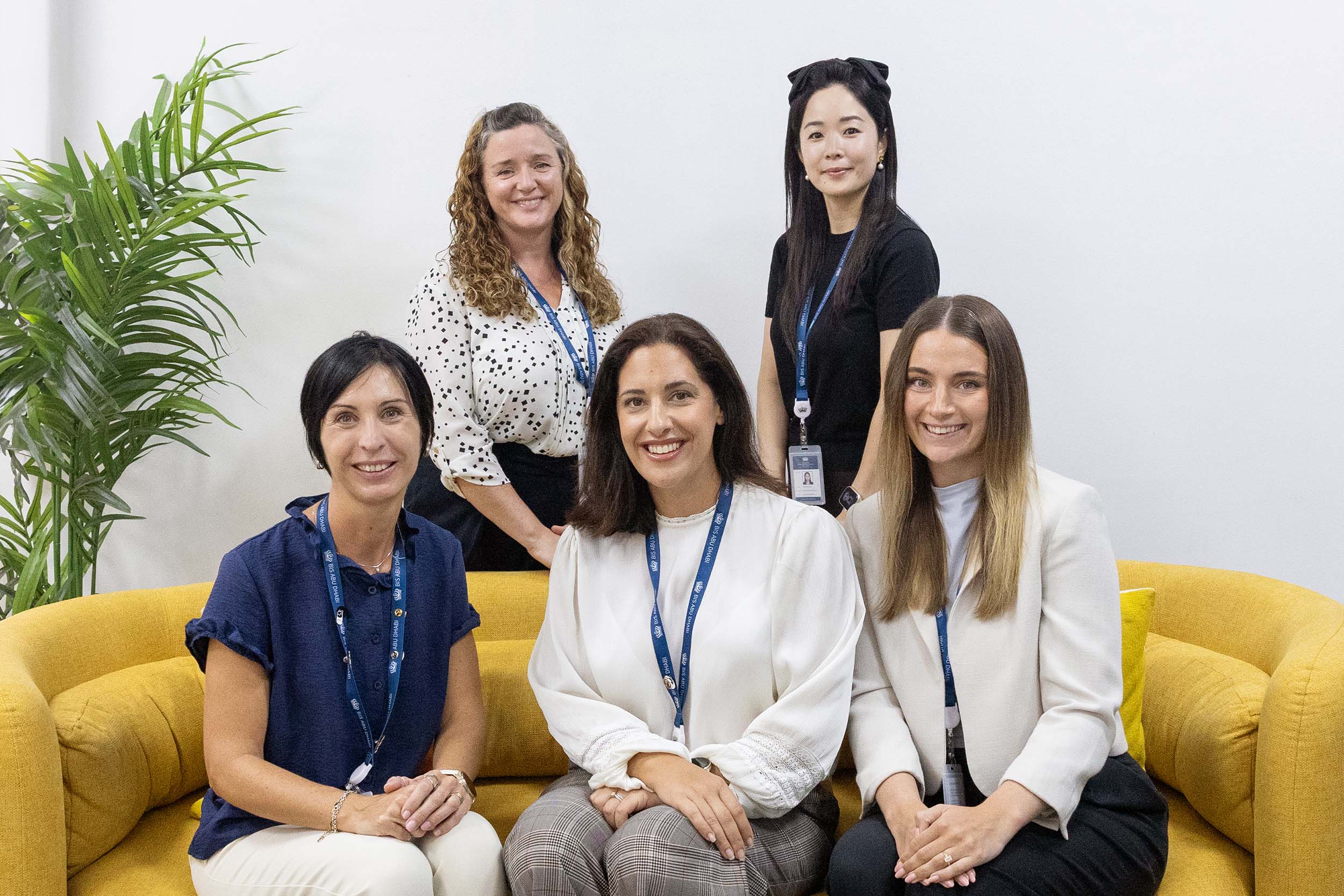
 How We Support Your Family Transition From Application to First Day
Discover how BIS Abu Dhabi supports families from enquiry to first day, ensuring a smooth transition with care, communication, and a welcoming community.
News image  Blog | Choosing A School | Leadership Insights | Nord Anglia Education | Secondary
 Blog | Choosing A School | Leadership Insights | Nord Anglia Education | Secondary
 'It was the only job I applied for': Why one UK school leader chose Nord Anglia and The British International School Abu Dhabi
One job, one move, one new chapter. Discover why Head of Secondary Dave MacCormick chose BIS Abu Dhabi for his first international leadership role.
.png?rev=1619813b30a347d9bc71977e2cfe09d2&hash=66B98CDC659BBF07EB36660B4381E1E7)