
/microsoftteams-image-(7)/hanoi-w.png?h=48&iar=0&w=235&rev=1d3bc711cdeb4b6282c27183e9a86f6a&hash=0DF2F1F1B8575D3D4EC23A938468783C)

We use cookies to improve your online experiences. To learn more and choose your cookies options, please refer to our cookie policy.
10 March, 2026
How to assess whether an international school will support your child as they grow
.png?h=300&iar=0&w=400&rev=61967d17d2544b339f76d7c2651eb5ab&hash=931EC53B1ABCC1A178526B33B47FD6A1)
Children change quickly. Their academic abilities develop, their interests evolve, and the expectations placed on them increase each year. A school that supports this journey well must be able to adapt alongside the child, while maintaining clear academic standards and consistent teaching.
At the British International School Hanoi, staff pay close attention to how learning evolves from the earliest years onward. Laurence Cabanne, Head of Primary, explains how the foundations built in early years and primary help children develop the skills they will rely on as they move into the later stages of school.
“In early years, we focus on the social, physical and emotional development of children. We want children to learn how to behave socially, manage their emotions and develop the gross and fine motor skills they will need later on.”
These early foundations may appear simple, but they play an important role in long-term academic success. Children who are confident communicating, collaborating, and managing their emotions are better prepared to engage with increasingly complex learning in later years.
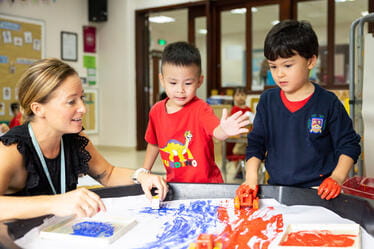
“At BIS Hanoi, we focus on Learning through purposeful play. Supported by the Development Matters framework, teachers and teaching assistants review the provisions of play daily to ensure that they match students' interests and learning paths, ” Laurence explains.
“Early years is really about building the foundation of later education,” she says. “Children need to feel safe and recognised for who they are before they are ready to learn.”
This stage also allows teachers to identify how each child learns best. Language development, confidence in social interaction, and independence all become visible during these years.
These insights guide teachers as students progress into primary school, where the academic demands gradually increase.
“In primary, as children grow, the academic side takes more and more time,” Laurence explains. “But there is always a balance. We still focus on making sure that students are happy, healthy learners and that their wellbeing supports their learning.”
This gradual shift allows students to build confidence with academic skills while continuing to develop important personal capabilities.
Primary teachers also observe how students’ interests and learning needs evolve over time. Close relationships between teachers, students and families help schools identify when expectations should change or when additional support may be required.
“When it comes to noticing how children evolve over time, it’s really about the relationships we build with them and with their families,” Laurence says. “Teachers work closely together and share insights so that we can see how students are developing academically, pastorally and socially.”
Because teachers collaborate across year groups, patterns in student development can be identified early. This helps schools adapt support before small challenges grow into larger obstacles.
In the early years and primary school, communication with parents happens frequently. Teachers interact with parents during drop-off and pick-up times, and schools provide regular updates about learning and development.
“In early years and primary it’s almost daily contact,” Laurence explains. “Parents drop their children off, pick them up, and we have daily conversations that continue through Foundation Stage 1 to 3.”
Schools also use structured communication to keep parents informed about learning.
“We use daily posts to keep parents engaged with what’s happening in the classroom,” she adds. “Parents also receive weekly updates on their child’s progress across different areas of the curriculum and even in their social and emotional development.”
Parent focus groups and regular discussions allow families to share feedback and better understand the reasoning behind school decisions.
“The priority is that parents have a voice in what we do and understand the thinking behind changes we make,” Laurence says. “Sometimes those changes help us grow as a school and continue supporting students effectively.”
Strong schools show how learning evolves as students grow. They build strong foundations in the early years and primary years, preparing students for the increasing academic expectations they will meet as they move into later stages of school.
When teachers know their students well and work closely with parents, schools can respond as children’s needs change.
At the British International School Hanoi, this long-term perspective helps ensure that students continue developing the knowledge, skills, and confidence they will need as they move toward the next stages of their education.
Families who wish to understand how learning develops across different stages of school are always welcome to speak with our academic leaders and explore how this journey is supported over time.
At the British International School Hanoi, staff pay close attention to how learning evolves from the earliest years onward. Laurence Cabanne, Head of Primary, explains how the foundations built in early years and primary help children develop the skills they will rely on as they move into the later stages of school.
“In early years, we focus on the social, physical and emotional development of children. We want children to learn how to behave socially, manage their emotions and develop the gross and fine motor skills they will need later on.”
These early foundations may appear simple, but they play an important role in long-term academic success. Children who are confident communicating, collaborating, and managing their emotions are better prepared to engage with increasingly complex learning in later years.
Foundations built in the early years
The early years stage is often where parents first experience the culture of a school. It is also where teachers begin to understand each child as an individual learner.“At BIS Hanoi, we focus on Learning through purposeful play. Supported by the Development Matters framework, teachers and teaching assistants review the provisions of play daily to ensure that they match students' interests and learning paths, ” Laurence explains.
“Early years is really about building the foundation of later education,” she says. “Children need to feel safe and recognised for who they are before they are ready to learn.”
This stage also allows teachers to identify how each child learns best. Language development, confidence in social interaction, and independence all become visible during these years.
These insights guide teachers as students progress into primary school, where the academic demands gradually increase.
How the learning experience evolves through primary
As students move into primary, the balance between development and academic learning begins to shift.“In primary, as children grow, the academic side takes more and more time,” Laurence explains. “But there is always a balance. We still focus on making sure that students are happy, healthy learners and that their wellbeing supports their learning.”
This gradual shift allows students to build confidence with academic skills while continuing to develop important personal capabilities.
Primary teachers also observe how students’ interests and learning needs evolve over time. Close relationships between teachers, students and families help schools identify when expectations should change or when additional support may be required.
“When it comes to noticing how children evolve over time, it’s really about the relationships we build with them and with their families,” Laurence says. “Teachers work closely together and share insights so that we can see how students are developing academically, pastorally and socially.”
Because teachers collaborate across year groups, patterns in student development can be identified early. This helps schools adapt support before small challenges grow into larger obstacles.
How parents stay involved as expectations change
A school’s ability to support long-term development also depends on strong communication with families.In the early years and primary school, communication with parents happens frequently. Teachers interact with parents during drop-off and pick-up times, and schools provide regular updates about learning and development.
“In early years and primary it’s almost daily contact,” Laurence explains. “Parents drop their children off, pick them up, and we have daily conversations that continue through Foundation Stage 1 to 3.”
Schools also use structured communication to keep parents informed about learning.
“We use daily posts to keep parents engaged with what’s happening in the classroom,” she adds. “Parents also receive weekly updates on their child’s progress across different areas of the curriculum and even in their social and emotional development.”
Parent focus groups and regular discussions allow families to share feedback and better understand the reasoning behind school decisions.
“The priority is that parents have a voice in what we do and understand the thinking behind changes we make,” Laurence says. “Sometimes those changes help us grow as a school and continue supporting students effectively.”
Looking ahead with confidence
Assessing whether a school will continue to support a child over many years is not always straightforward. But parents can look for clear signs.Strong schools show how learning evolves as students grow. They build strong foundations in the early years and primary years, preparing students for the increasing academic expectations they will meet as they move into later stages of school.
When teachers know their students well and work closely with parents, schools can respond as children’s needs change.
At the British International School Hanoi, this long-term perspective helps ensure that students continue developing the knowledge, skills, and confidence they will need as they move toward the next stages of their education.
Families who wish to understand how learning develops across different stages of school are always welcome to speak with our academic leaders and explore how this journey is supported over time.
Related news
News image ![BIS Hanoi welcomes Juilliard specialists to inspire learning in the performing arts | British International School Hanoi - BIS Hanoi welcomes Juilliard specialists to inspire learning in the performing arts]() News
News
 News
News BIS Hanoi welcomes Juilliard specialists to inspire learning in the performing arts
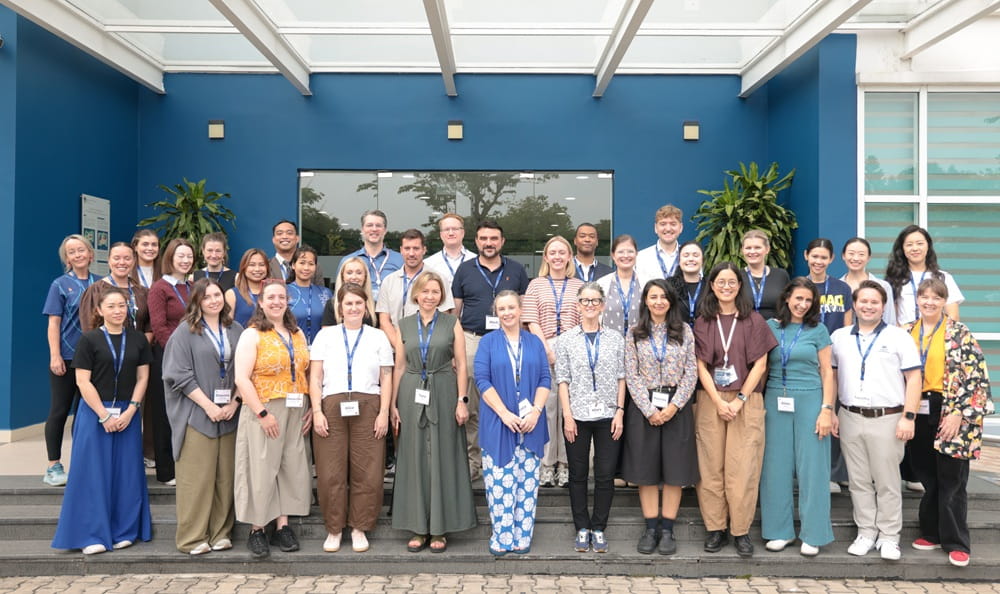
BIS Hanoi was delighted to welcome seven specialists from The Juilliard School for three days of professional learning, collaboration and creativity. The visit brought together our Performing Arts team and 30 educators from Nord Anglia Education schools across Asia, creating an inspiring opportunity to learn from world-leading experts and from one another.
News image ![BIS Hanoi celebrates Mid-Autumn Festival with music, culture and community | British International School Hanoi - BIS Hanoi Celebrates Mid Autumn Festival with Music Culture and Community]() News
News
 News
News BIS Hanoi celebrates Mid-Autumn Festival with music, culture and community
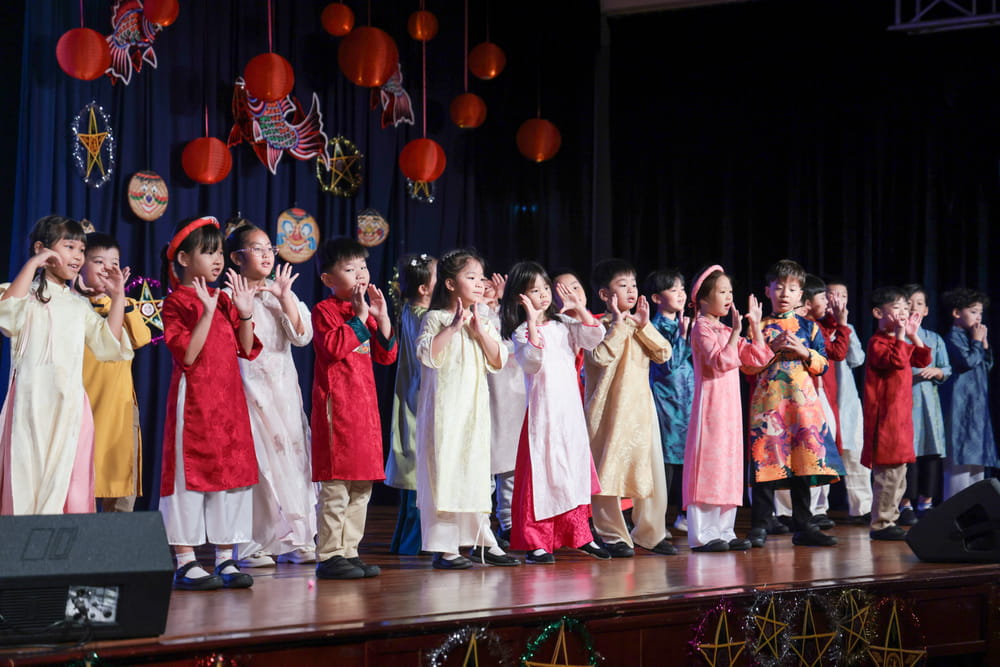
The BIS Hanoi community came together on Friday for a joyful Mid-Autumn Festival assembly, celebrating one of Vietnam’s most cherished cultural traditions through music, dance and performances from students and parents across the school.
News image ![BIS Hanoi scholars for AY 2026-27: Celebrating excellence across our community | British International School in Hanoi9 - BIS Hanoi scholar for AY 2026 2027 Celebrating Excellence Across Our Community]() News
News
 News
News BIS Hanoi scholars for AY 2026-27: Celebrating excellence across our community
BIS Hanoi is proud to recognise and celebrate 48 exceptional students who have been awarded scholarships for the 2026-27 academic year.
News image ![What Is the IB Diploma Programme? A Parent's Guide to IBDP in Hanoi | BIS Hanoi - A Parent Guide to IBDP in Hanoi]() Blog | IB Diploma Programme | International Education | Educational Insights
Blog | IB Diploma Programme | International Education | Educational Insights
 Blog | IB Diploma Programme | International Education | Educational Insights
 What Is the IB Diploma Programme? A Parent's Guide to IBDP in Hanoi
Discover what the IB Diploma Programme (IBDP) is, what students study, and how it prepares them for university. Learn why families choose BIS Hanoi, a leading IB school in Hanoi.