
/microsoftteams-image-(7)/hanoi-w.png?h=48&iar=0&w=235&rev=1d3bc711cdeb4b6282c27183e9a86f6a&hash=0DF2F1F1B8575D3D4EC23A938468783C)
.jpg?h=562&iar=0&w=1000&rev=0466bd02f351432eb5728d25a960a063&hash=0B379DE3851CDDF614EC4D19B6BF1A0A)

We use cookies to improve your online experiences. To learn more and choose your cookies options, please refer to our cookie policy.
10 March, 2026
How educational focus shapes the student experience at a British international school
.png?h=300&iar=0&w=400&rev=3d95a43172da4f8ea76261c6d17303a1&hash=73744BE1C519F91A4ECD1CAEF1BBD0BE)
Parents often evaluate a school by looking at visible features such as facilities, examination results, or university destinations. These are important indicators, but they are outcomes. Behind them sit deeper decisions about a school’s educational focus. Those decisions influence how teachers teach, how students learn, and how progress develops over time.
At the British International School Hanoi, these priorities guide the everyday experience of students across the school.
Rebecca Carroll, Principal, explains that strong educational outcomes rarely come from isolated initiatives. Instead, they grow from a coherent approach to teaching, learning, and professional development.
“Our practices, processes, and curriculum are designed to support the needs of our students and our context,” she says. “We understand our school well, but we are also part of a global family of schools, which means we benefit from world-class partnerships and collaboration.” These priorities influence both the structure of the curriculum and the culture within the school.
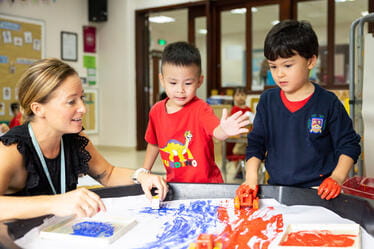
Rebecca believes that effective learning begins with strong relationships between teachers and students.
“Our teachers build excellent relationships with students,” she explains. “That connection builds empathy and trust, and we know that real learning does not happen without a strong relationship between teacher and student.”
When students feel understood and supported, they are more willing to take on challenges and take ownership of their learning. Teachers can then adapt their approach based on what students need most at that moment.
This relationship-based approach also allows teachers to recognise how each student learns best. By understanding students as learners, teachers can adjust instruction, provide support when necessary, and create opportunities for deeper learning.
Over time, these classroom practices help students develop both confidence and academic independence.
As part of a global network of schools, BIS Hanoi works with leading institutions and organisations to strengthen both teaching practice and student learning.
Rebecca explains that these partnerships influence how teachers continue to develop professionally.
“Our collaboration with world-leading organisations supports both our students and our staff,” she says. “Teachers learn from experts in their fields, and that knowledge strengthens the quality of teaching that students experience every day.”
Continuous learning allows teachers to refine their practice, stay current with educational research, and adapt teaching approaches to support student progress. We see it clearly when we carry out learning walks in the classrooms; teachers’ professional development has a direct positive impact on students.
For students, these collaborations provide opportunities to connect classroom learning with wider fields such as science, performing arts, and sport.
Over time, this commitment to improvement helps maintain consistent academic standards across the school.
Rebecca believes that families often recognise a school’s priorities through how connected they feel to their child’s learning.
“Parents want to know where their child is, understand their strengths and feel connected to their learning,” she says. Good communication between home and school ensures parents are kept informed about their child’s progress.
When teachers communicate clearly about progress, students feel confident discussing their learning, and families understand how challenges and support are being balanced.
This sense of connection develops gradually through everyday interactions between teachers, students, and families. Parents feel happy and informed about their child’s learning.
Rebecca emphasises that the goal is not simply to deliver a curriculum, but to guide students through a meaningful learning journey.
“They feel that teachers understand their child’s journey,” she says. “They see the support and challenge that are in place, and they feel part of that journey through regular dialogue and an open conversation”.
At the British International School Hanoi, a clear educational focus guides teaching practice, professional development, and the opportunities available to students. These priorities support strong relationships in the classroom, consistent academic standards, and a learning environment where students can make steady progress.
For families considering an international education, understanding these underlying priorities can be as important as reviewing academic results.
Parents who would like to explore how these priorities shape daily learning at BIS Hanoi are always welcome to speak with academic leaders about how the school supports each student’s growth and development.
At the British International School Hanoi, these priorities guide the everyday experience of students across the school.
Rebecca Carroll, Principal, explains that strong educational outcomes rarely come from isolated initiatives. Instead, they grow from a coherent approach to teaching, learning, and professional development.
“Our practices, processes, and curriculum are designed to support the needs of our students and our context,” she says. “We understand our school well, but we are also part of a global family of schools, which means we benefit from world-class partnerships and collaboration.” These priorities influence both the structure of the curriculum and the culture within the school.
Building strong foundations through relationships and teaching
One of the most visible ways a school’s priorities appear is in the classroom itself.Rebecca believes that effective learning begins with strong relationships between teachers and students.
“Our teachers build excellent relationships with students,” she explains. “That connection builds empathy and trust, and we know that real learning does not happen without a strong relationship between teacher and student.”
When students feel understood and supported, they are more willing to take on challenges and take ownership of their learning. Teachers can then adapt their approach based on what students need most at that moment.
This relationship-based approach also allows teachers to recognise how each student learns best. By understanding students as learners, teachers can adjust instruction, provide support when necessary, and create opportunities for deeper learning.
Over time, these classroom practices help students develop both confidence and academic independence.
Connecting classroom practice with global expertise
Educational priorities also shape the opportunities available to students and teachers beyond the classroom.As part of a global network of schools, BIS Hanoi works with leading institutions and organisations to strengthen both teaching practice and student learning.
Rebecca explains that these partnerships influence how teachers continue to develop professionally.
“Our collaboration with world-leading organisations supports both our students and our staff,” she says. “Teachers learn from experts in their fields, and that knowledge strengthens the quality of teaching that students experience every day.”
Continuous learning allows teachers to refine their practice, stay current with educational research, and adapt teaching approaches to support student progress. We see it clearly when we carry out learning walks in the classrooms; teachers’ professional development has a direct positive impact on students.
For students, these collaborations provide opportunities to connect classroom learning with wider fields such as science, performing arts, and sport.
Over time, this commitment to improvement helps maintain consistent academic standards across the school.
What parents should notice when priorities are lived well
For parents, educational priorities become visible through daily experiences rather than formal statements.Rebecca believes that families often recognise a school’s priorities through how connected they feel to their child’s learning.
“Parents want to know where their child is, understand their strengths and feel connected to their learning,” she says. Good communication between home and school ensures parents are kept informed about their child’s progress.
When teachers communicate clearly about progress, students feel confident discussing their learning, and families understand how challenges and support are being balanced.
This sense of connection develops gradually through everyday interactions between teachers, students, and families. Parents feel happy and informed about their child’s learning.
Rebecca emphasises that the goal is not simply to deliver a curriculum, but to guide students through a meaningful learning journey.
“They feel that teachers understand their child’s journey,” she says. “They see the support and challenge that are in place, and they feel part of that journey through regular dialogue and an open conversation”.
Educational focus that supports long-term success
Over time, the educational priorities of a school shape both the learning culture and the outcomes that students achieve.At the British International School Hanoi, a clear educational focus guides teaching practice, professional development, and the opportunities available to students. These priorities support strong relationships in the classroom, consistent academic standards, and a learning environment where students can make steady progress.
For families considering an international education, understanding these underlying priorities can be as important as reviewing academic results.
Parents who would like to explore how these priorities shape daily learning at BIS Hanoi are always welcome to speak with academic leaders about how the school supports each student’s growth and development.
Related news
News image ![BIS Hanoi scholars for AY 2026-27: Celebrating excellence across our community | British International School in Hanoi9 - BIS Hanoi scholar for AY 2026 2027 Celebrating Excellence Across Our Community]() News
News
 News
News BIS Hanoi scholars for AY 2026-27: Celebrating excellence across our community
BIS Hanoi is proud to recognise and celebrate 48 exceptional students who have been awarded scholarships for the 2026-27 academic year.
News image ![What Is the IB Diploma Programme? A Parent's Guide to IBDP in Hanoi | BIS Hanoi - A Parent Guide to IBDP in Hanoi]() Blog | IB Diploma Programme | International Education | Educational Insights
Blog | IB Diploma Programme | International Education | Educational Insights
 Blog | IB Diploma Programme | International Education | Educational Insights
 What Is the IB Diploma Programme? A Parent's Guide to IBDP in Hanoi
Discover what the IB Diploma Programme (IBDP) is, what students study, and how it prepares them for university. Learn why families choose BIS Hanoi, a leading IB school in Hanoi.