
From food insecurity to environmental sustainability, the issues facing our world are complex, interconnected and rarely have simple solutions. Preparing young people to navigate these challenges takes more than knowledge alone. It means giving them opportunities to question what they see, listen to different perspectives and develop the confidence to turn their ideas into action.
At BIS HCMC, learning extends beyond the classroom, helping students connect what they learn with the world around them and consider how they can contribute to something bigger than themselves.
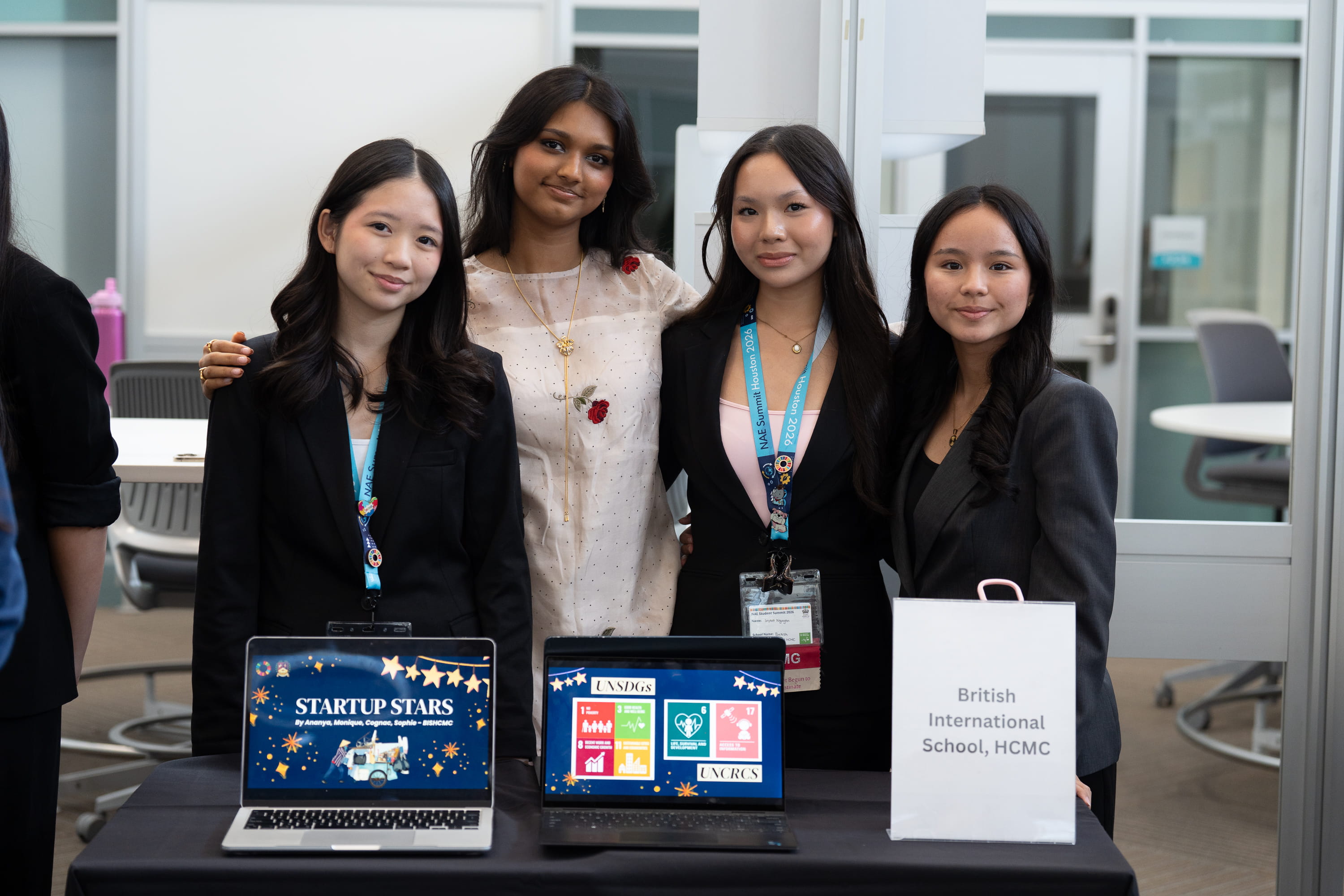
This past summer, four BIS HCMC student ambassadors, Ananya, Cognac, Sophie and Monique, travelled to Houston, Texas, as part of the Social Impact Ambassadors, to join 140 students from across the Nord Anglia Education (NAE) family of schools at theNAE Social Impact Summit 2026. Hosted by our sister schools, The Village School and the British International School of Houston, the Summit brought together young people from around the world to explore the United Nations Sustainable Development Goals (SDGs) and consider how they could contribute to positive change in their communities.
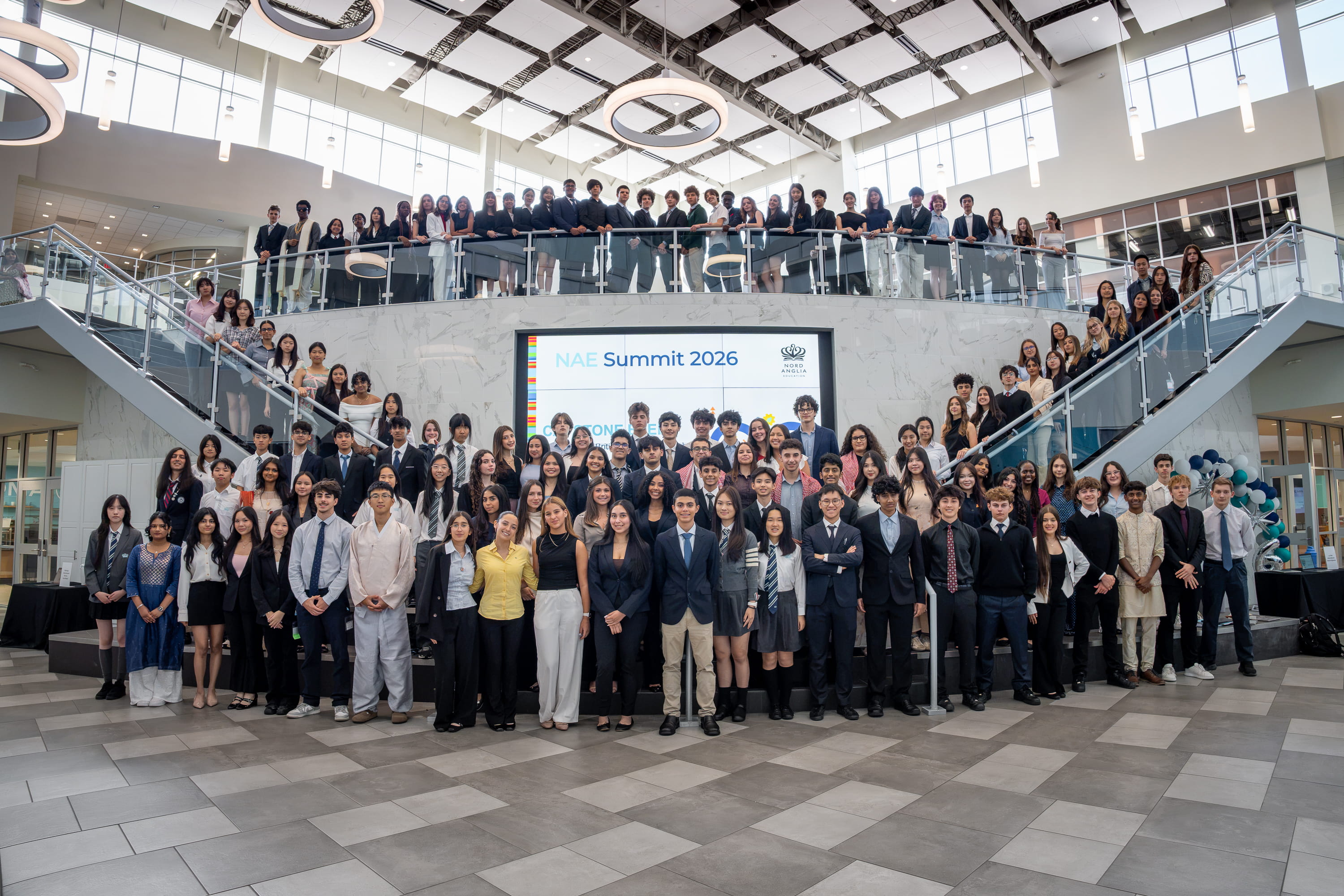
Delivered through Nord Anglia's collaboration with UNICEF, the Summit explored a question that extends far beyond the event itself: how can young people move from understanding the world's challenges to helping address them?
Learning to see what others might overlook
This year's Summit centred on the theme Making the Invisible Visible, encouraging students to look more closely at issues that can easily go unnoticed in everyday life.
Food insecurity, for example, may not always be visible in a busy city. The resources required to produce everyday goods and the waste they generate can remain out of sight long after a purchase has been made. Recognising these challenges requires us to look beyond what is immediately apparent and consider the experiences of people whose lives may be very different from our own.
For Ananya, Cognac, Sophie and Monique, this meant connecting discussions about global challenges with practical action. During a visit to the Houston Food Bank, they volunteered alongside fellow student ambassadors, sorting food donations and sanitising supplies to support the organisation's work for people in need.
The experience offered a tangible example of how a complex social issue connects with the needs of a local community. It also highlighted an important part of developing social awareness: understanding a challenge means looking beyond statistics and headlines to consider the people affected by it.
“Throughout the experience, I collaborated with students from around the world and learned about their views on waste reduction and sustainable consumption. The experience also made me realise the severity of wasteful consumption and how manageable the problem would be if each individual contributed by being more mindful about their consumption.” — Sophie, Year 12 Student
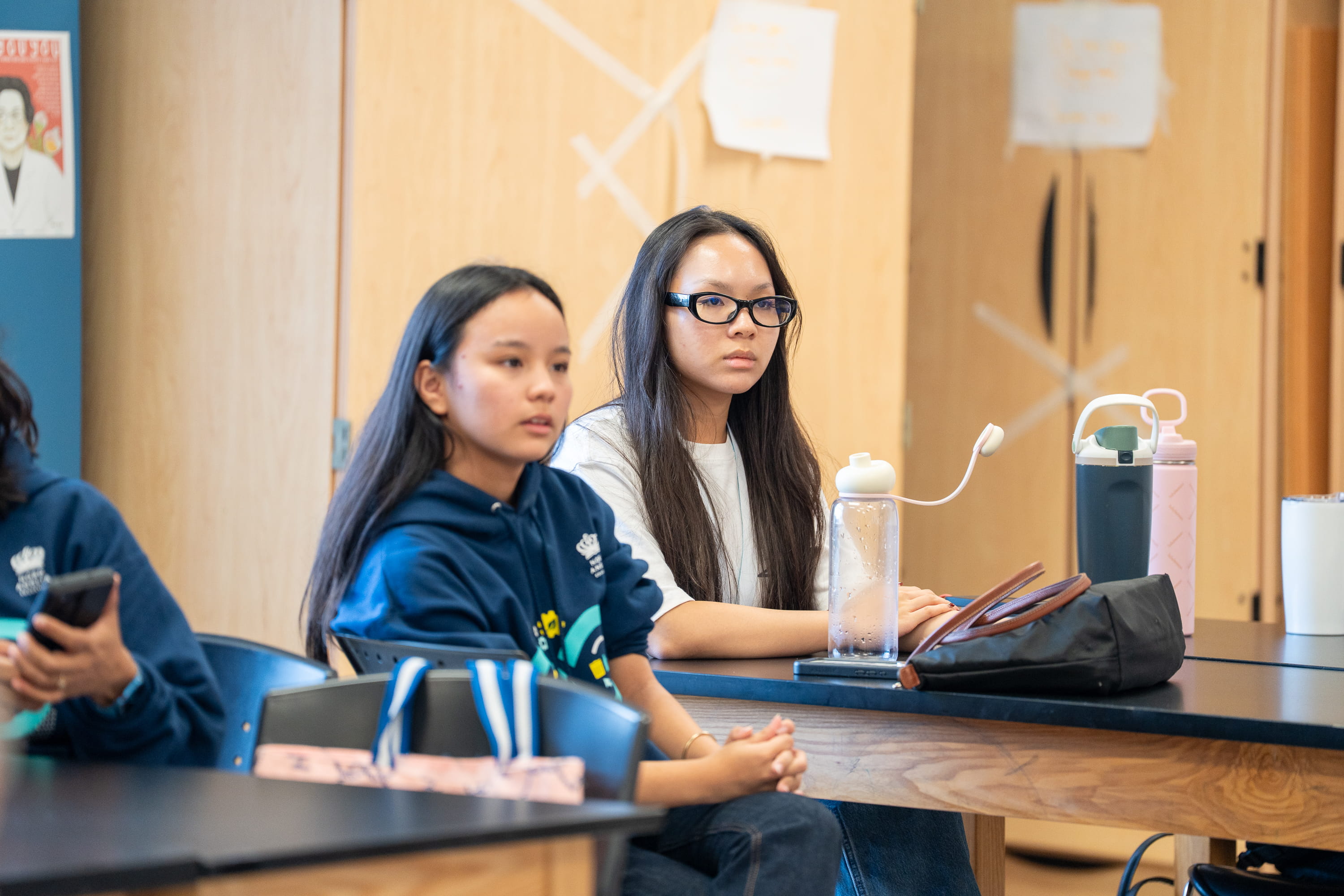
Experiences like this help students connect what they learn about the world with the realities of people's lives. They also encourage them to ask a more important question: having recognised a problem, what can we do to help?
Why young people need more than answers
Many of the challenges young people will encounter throughout their lives are complex and constantly evolving. There is rarely one correct answer, and approaches that work in one community may not work in another.
Preparing students for this reality means giving them opportunities to think critically, communicate thoughtfully and work collaboratively, particularly when there is no obvious way forward.
At the Summit, workshops led by UNICEF and other organisations introduced students to practical approaches to advocacy and leadership. They explored how to define a problem clearly, communicate why it matters and identify realistic ways to address it. A session on values-based leadership and the Japanese concept of ikigai, which considers purpose and what gives life meaning, also encouraged students to reflect on the motivations behind their ambitions.
Another workshop, led by Generation Global, explored the differences between dialogue, discussion and debate. Students considered when each approach is most useful and practised engaging in conversations with shared guidelines and respect for different perspectives.
These experiences highlighted that effective communication is about more than presenting an argument or persuading others to agree. It also means listening carefully, asking thoughtful questions and being willing to reconsider an initial point of view.
The students had further opportunities to put these skills into practice during Peer Talks, where young people from different schools and countries shared issues they cared about and initiatives they had developed in their own communities.
“Meeting students from around the world showed me that, despite our different backgrounds, cultures, and experiences, we share many of the same hopes and concerns. We may approach problems differently, but we are united by our desire to create positive change. I realised that making a difference is not something we have to do alone. By listening to different perspectives, sharing ideas, and working together, we can find solutions that are more meaningful and impactful than anything we could achieve individually.” — Ananya, Year 12 Student
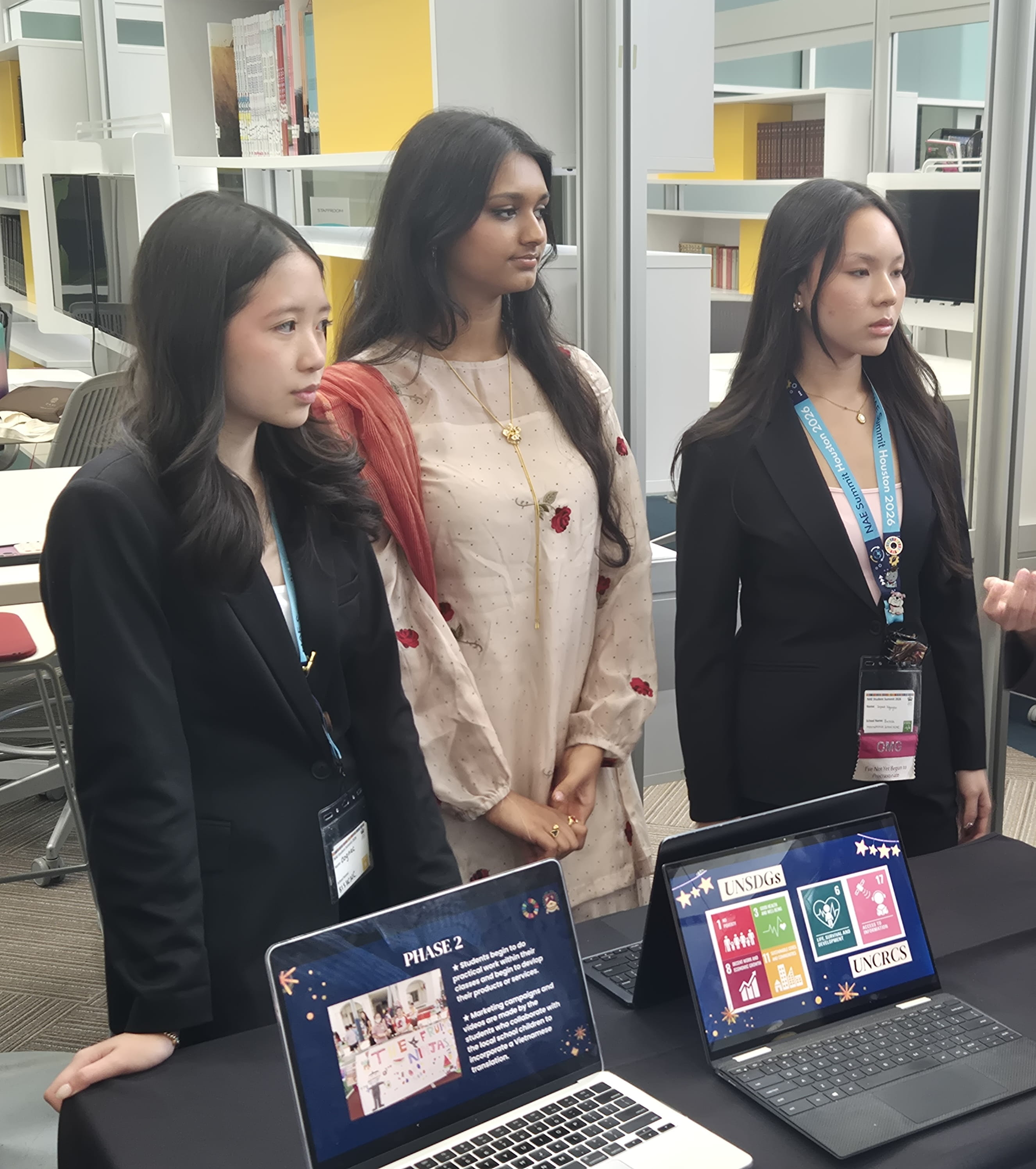
For students, learning alongside peers with different experiences can open up new ways of understanding familiar issues. It encourages them to look beyond their own assumptions and consider how ideas might be adapted to different communities, including their own in Ho Chi Minh City.
These are valuable skills not only for addressing social challenges, but also for navigating an increasingly interconnected world.
From global challenges to local solutions
Understanding a problem is an important first step. Developing a response that is focused, realistic and capable of making a difference requires another set of skills.
The Summit's Capstone Challenge gave students an opportunity to put their learning into practice, focusing on United Nations Sustainable Development Goal 12: Responsible Consumption and Production.
Every day, we make choices about the things we buy, use and throw away. Yet the resources required to produce those items, the waste they generate and their wider environmental impact are not always immediately visible. Encouraging more responsible consumption requires us to understand these connections and consider what might motivate people to change their habits.
Working together as the BIS HCMC team, Ananya, Cognac, Sophie and Monique explored how they could approach this theme through a project relevant to their own community.
Throughout the process, they learned to develop clear problem statements and use SMART targets, setting objectives that are specific, measurable, achievable, relevant and time-bound. These approaches helped them think beyond broad intentions and consider how to shape their ideas into a more focused plan.
The students also presented their work to teachers and peers, receiving feedback that allowed them to identify gaps, refine their thinking and strengthen their proposals before sharing them more widely.
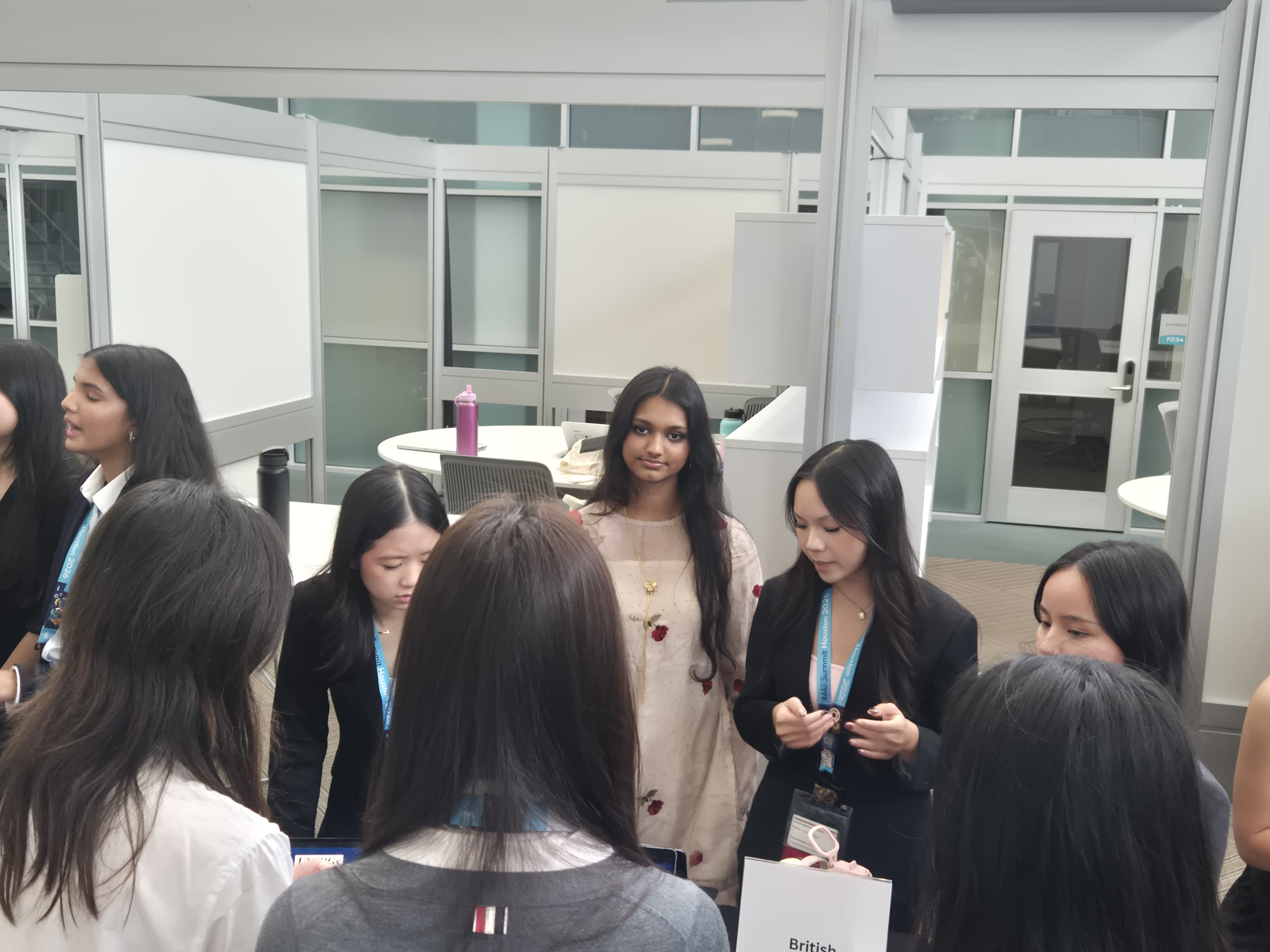
This process is an important part of learning through real-world challenges. Students are encouraged not simply to arrive at an answer, but to explain their reasoning, test their assumptions and recognise that an initial idea can improve through collaboration and constructive feedback.
“Our Capstone project aimed to foster entrepreneurship literacy among children aged 8-12 (Y3-6). Our idea was built on the foundation of Enterprise Day, a Primary tradition that allowed students to collaborate and express their creativity in creating a business. We hoped to provide students with opportunities to engage with soft skills and technical skills that are not typically taught within the school curriculum, and from there, give them more exposure to the real-life experience of operating a business.” — Cognac, Year 12 Student
By exploring responsible consumption through the lens of their own community, the students had an opportunity to connect a global sustainability goal with choices and behaviours they encounter in everyday life.
The project also illustrates a wider lesson: meaningful action often begins with a clearly defined problem, an achievable objective and a willingness to learn along the way.
Learning through a global community
Developing an understanding of the world also means learning from the people and places beyond our immediate surroundings.
Throughout the Summit, conversations and shared experiences brought students together across different cultures and backgrounds. Whether exchanging ideas during workshops, supporting one another's projects or discovering Houston together, the ambassadors had opportunities to build friendships and find common ground with peers from around the world.
Beyond the Summit sessions, the students also explored the city and experienced some of its cultural highlights. They visited Space Center Houston and the National Museum, and experienced American sporting culture at Constellation Field, watching the Sugar Land Space Cowboys take on the El Paso Chihuahuas in a Triple-A baseball game.
These experiences offered a chance to discover a new place alongside their international peers, creating shared memories beyond the classroom and strengthening the connections they had built throughout the week.
Sophie and Monique also documented parts of their journey through Instagram Reels, offering a glimpse into the people, activities and experiences that made the Summit memorable.
For young people growing up in an interconnected world, the ability to engage with different perspectives is increasingly important. Learning alongside people from different backgrounds, while experiencing unfamiliar places and cultures, can help students approach the world with greater curiosity, openness and understanding.
Bringing new perspectives back to BIS HCMC
For Ananya, Cognac, Sophie and Monique, the value of the NAE Social Impact Summit extends beyond the week they spent in Houston. The next opportunity is to bring their learning back to the BIS HCMC community, share new perspectives with their peers and continue developing their Capstone project.
Their involvement will continue through an exciting upcoming opportunity: leading BIS HCMC's UNICEF World Children's Day celebrations. This will give them a platform to bring their ideas about advocacy, social impact and the voices of young people to the wider school community, putting many of the skills developed at the Summit into practice.
“More than any technical skills or project, I hope to bring back a new perspective to the BIS HCMC community: minor changes could lead to major improvements. Our BIS community has shown that they are more than capable of impactful projects and hands-on activities; yet, I have recognised that many are still afraid to go beyond their comfort zones out of fear that their project would not be successful. However, I hope that students understand that not all projects need to be grand and impactful to a large community; rather, a simple project that can improve the living experience of a small, focused group could be just as impactful and significant.” — Sophie, Year 12 Student
Experiences like the Summit help students see themselves not only as learners, but also as people who can contribute to the communities around them. They provide opportunities to practise critical thinking, collaborate with others and explore how knowledge can be applied to challenges beyond the classroom.
At BIS HCMC, these experiences are part of a broader approach to education that encourages students to remain curious, think independently and engage meaningfully with the world around them. Academic learning provides an important foundation, while opportunities to apply that learning help students develop the skills and confidence to navigate unfamiliar challenges.
Meaningful change does not always begin with a grand gesture. It can start with noticing something others have overlooked, asking a question that leads to a new understanding or encouraging the people around us to think differently.
By helping students explore real-world challenges, learn from different perspectives and develop their ideas into practical proposals, we give them opportunities to discover what thoughtful, purposeful action can look like.
Because preparing young people for the future is not simply about helping them understand the world as it is. It is about giving them the skills, perspective and confidence to help shape what it becomes.