
We use cookies to improve your online experiences. To learn more and choose your cookies options, please refer to our cookie policy.

July 02, 2026
How to Prevent Learning Loss Over the Summer

A WORLD-CLASS EDUCATION
British International School of Boston gives your child just the right balance of support and challenge that they need to accelerate through their strengths. We welcome you to visit our campus to meet our talented teachers and see our world-class learning experiences firsthand.
Inquire nowHow to Prevent Learning Loss Over the Summer
Summer is a time for relaxation, travel, and family adventures. For students, it is also a valuable opportunity to recharge before the next academic year begins. However, the long break from structured learning can sometimes lead to what educators call "summer learning loss"—the decline in academic skills and knowledge that may occur when students are not actively engaged in educational activities.
At the British International School of Boston, we believe summer should be both enjoyable and enriching. With the right balance, families can help children maintain their academic progress while still making the most of their vacation.
- Keep Reading a Daily Habit
One of the most effective ways to prevent learning loss is through regular reading. Encourage your child to read for at least 20–30 minutes each day. This can include novels, magazines, biographies, or books related to topics they find interesting.
For international students, summer reading is also an excellent opportunity to strengthen language skills. Reading in both a student's native language and English can improve vocabulary, comprehension, and communication abilities while fostering a lifelong love of learning.
- Incorporate Learning into Everyday Activities
Learning doesn't have to happen at a desk. Everyday experiences offer countless opportunities to develop academic skills.
Cooking together can reinforce math concepts such as measurement and fractions. Family travel can inspire lessons in geography, history, and culture. Shopping activities can help children practice budgeting and problem-solving. Even simple conversations about current events can build critical thinking and communication skills.
By connecting learning to real-world experiences, students often find education more meaningful and engaging.
- Encourage Curiosity and Exploration
Summer is the perfect time for students to pursue their interests beyond the classroom. Whether it's coding, robotics, art, music, science experiments, or creative writing, passion projects help keep young minds active.
Parents can encourage exploration by visiting museums, libraries, nature centers, and cultural institutions. These experiences not only support academic development but also spark curiosity, creativity, and confidence.
- Maintain Basic Academic Practice
While students do not need a full school schedule during the summer, maintaining a light academic routine can be highly beneficial. Spending just a few minutes each day reviewing math facts, completing puzzles, practicing handwriting, or working on educational apps can help reinforce important skills.
Consistency matters more than duration. Short, regular learning sessions are often more effective than occasional intensive study periods.
- Balance Structure and Rest
It is important to remember that rest is also essential for healthy development. Students need time to relax, socialize, and enjoy unstructured play. The goal is not to replicate the school year but to create a balance between enrichment and recreation.
A flexible schedule that includes reading, physical activity, creative pursuits, and family time can help children stay engaged without feeling overwhelmed.
- Preparing for a Strong Start
Summer provides a unique opportunity for students to continue growing academically, socially, and emotionally. By encouraging reading, fostering curiosity, and integrating learning into everyday life, families can help prevent learning loss and ensure children return to school confident and ready for success.
At BISB we encourage families to view summer as an extension of the learning journey—one filled with discovery, exploration, and meaningful experiences that support lifelong achievement.
Related news
News image ![2027 Niche Rankings Are in - 2027 Niche Rankings Are in]() Blog | Admissions | Homepage Featured Article | LatestNews | School News
Blog | Admissions | Homepage Featured Article | LatestNews | School News
 Blog | Admissions | Homepage Featured Article | LatestNews | School News
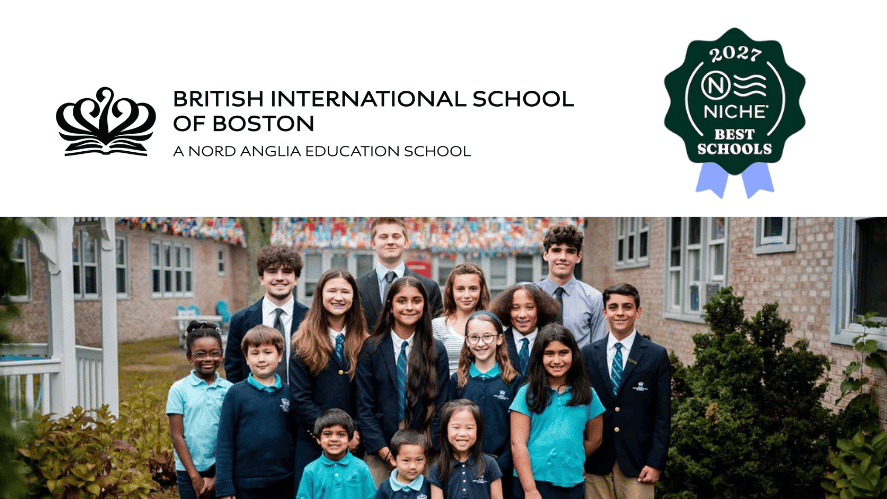
 British International School of Boston Earns Top Recognition in the 2027 Niche Rankings
With an A+ rating, #2 Best Private K-12 School in the Boston Area and Massachusetts ranking, BISB continues to be recognized as one of the top private educational destinations. These rankings reflect our commitment to academic excellence, global citizenship, and helping every student create their future.
News image ![Why a Diverse Extracurricular Program Helps Students Discover Who They Are - Importance of Diversified Extra Curriculars]() Blog | Advice and Guidance | Arts and Culture | Athletics | Student Success
Blog | Advice and Guidance | Arts and Culture | Athletics | Student Success
 Blog | Advice and Guidance | Arts and Culture | Athletics | Student Success
 Why a Diverse Extracurricular Program Helps Students Discover Who They Are
At British International School of Boston, learning goes beyond the classroom. Through clubs, arts, sports, STEAM, outdoor learning, languages, and Nord Anglia global opportunities, students are encouraged to try new things, discover their passions, and develop the confidence, creativity, and character they need to thrive.
News image ![Made the Switch? Here's how to Help Your Child Adjust to a New School - Adjusting to a New School]() Blog | Homepage Featured Article | Student Success | Advice and Guidance
Blog | Homepage Featured Article | Student Success | Advice and Guidance
 Blog | Homepage Featured Article | Student Success | Advice and Guidance
 Made the Switch? Here's how to Help Your Child Adjust to a New School
Made the switch? Starting at a new school can be both exciting and challenging for children and parents alike. Discover practical tips to help your child build confidence, make new friends, and settle into their new school community with ease.
News image ![Moving to Boston: A Guide for International Families - Moving to Boston]() Blog | Advice and Guidance | Homepage Featured Article | Student Success | Admissions
Blog | Advice and Guidance | Homepage Featured Article | Student Success | Admissions
 Blog | Advice and Guidance | Homepage Featured Article | Student Success | Admissions
 Moving to Boston: A Guide for International Families
Moving to Boston with your family? This quick guide helps international families understand what to expect when relocating to a new country- which can be both exciting and overwhelming. Explore what international families can expect when making Boston their new home. From navigating New England's four distinct seasons and understanding local culture to learning about the region's renowned educational institutions and family-friendly attractions, this article offers valuable insights for a successful transition. Whether you're preparing for your move or have recently arrived, you'll find helpful information to make settling into life in Boston easier and more rewarding.