

We use cookies to improve your online experiences. To learn more and choose your cookies options, please refer to our cookie policy.
18 November, 2026
Beyond the Grade: How Wellbeing Supports Academic Success
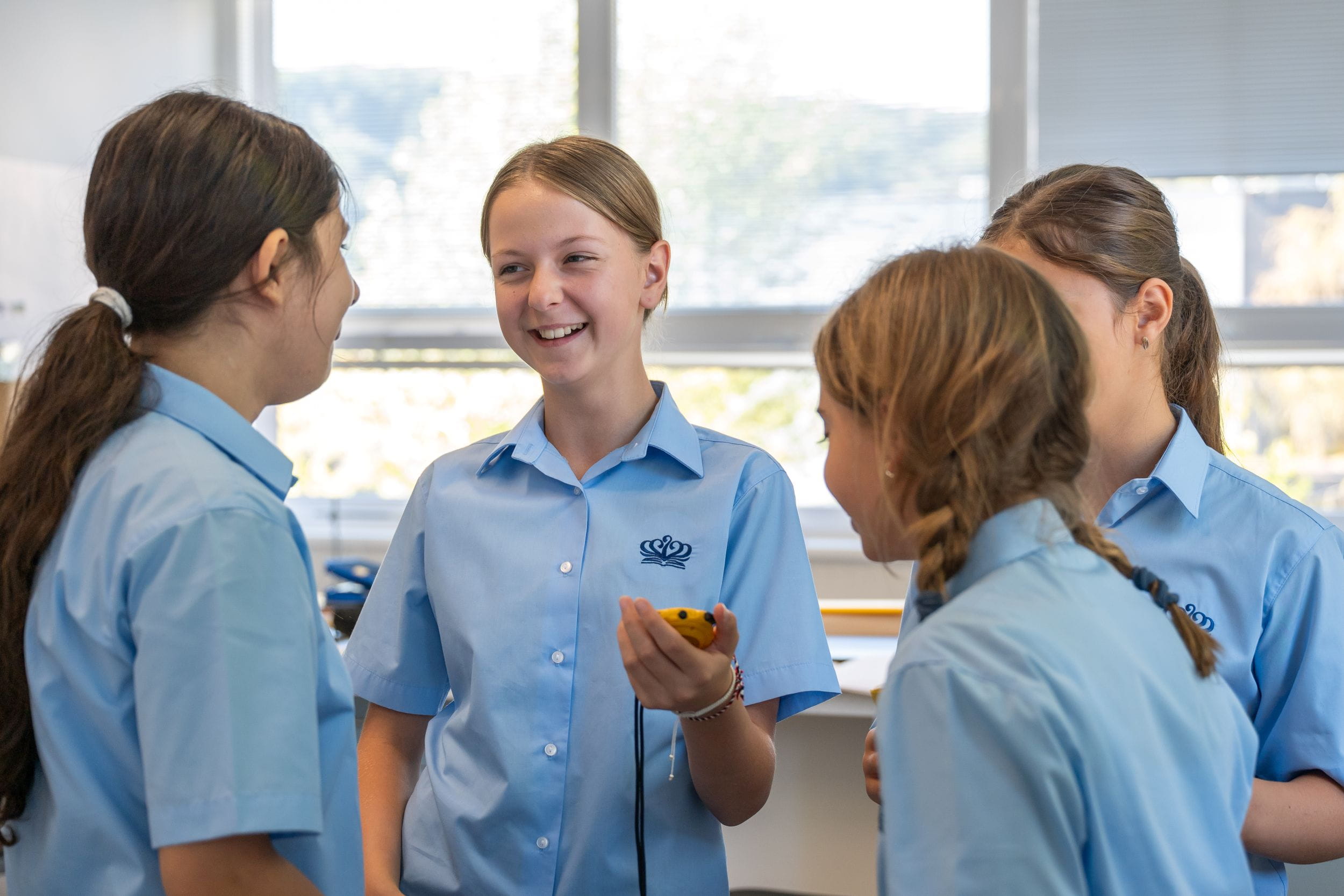
If you had to choose between your child having high levels of social and emotional wellbeing and your child achieving academically – which would you choose?
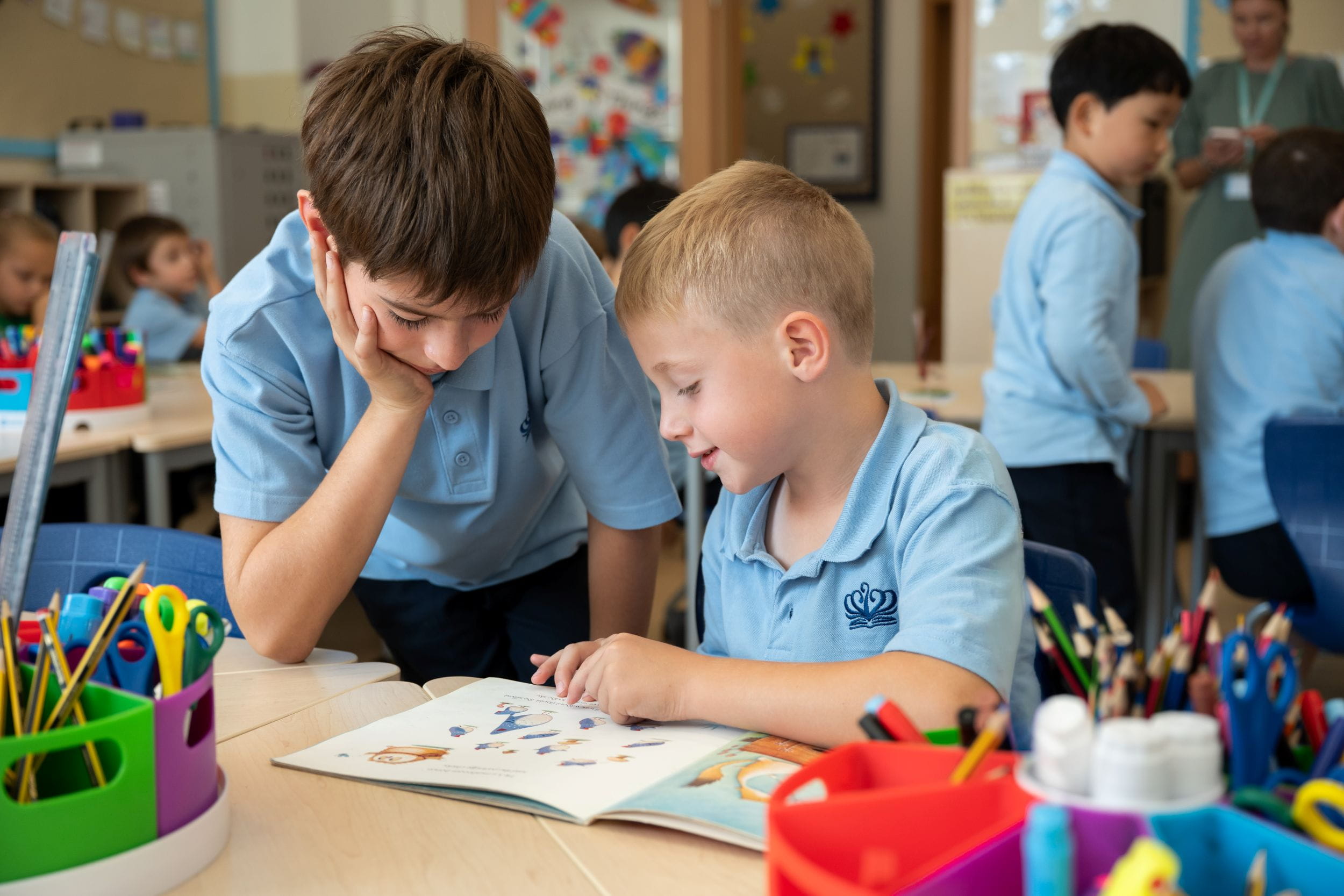
What if you cannot have one without the other? Children who feel safe, happy and that they belong in the school community are more able to thrive academically.
We ensure that students are ready and able to learn by creating a safe and supportive environment where they feel they belong. We also know that we have to develop students’ resilience and sense of purpose, so that they can learn from setbacks and that they shift their mindset from achievement to growth. We do this by shifting the focus to the process of learning, rather than the outcome.
In our international setting, we have students and parents with high aspirations and high mobility which brings its own set of risk factors such as increased anxiety over academic success and friendships being transient. When achievement becomes a student's identity, any setback undermines their sense of self.
In the book The Perfectionist Trap by Thomas Curran, he quotes research from psychologist Suniya Luthar who has found that “school pressures create emotional distress and that this distress is found most acutely in more affluent teens – the one’s who’re most aggressively primed for elite college.” Achievement based identity means that children are even more scared of failure which leads to them working harder and harder without reflecting or changing their approach. This study then makes little difference to grades and causing them to burn out. Therefore, both teachers and parents have a vital role to play in making sure that our children feel valued for their effort, attitude and growth rather than linking their perceived value to their attainment.
What are we doing at BISB to help combat this problem?
From a holistic perspective, we are now using the YouHQ platform to regularly collect wellbeing data from student check-ins. This has meant that we can now tailor our PSHE programme and pastoral interventions to best meet the emerging needs of our students at all ages. As an example, they have told us that sleep, not social media is their biggest concern, leading to us delivering sessions on how to manage evening routines and the best way to get a good night’s sleep. On an individual basis, our counsellors can work with students who are particularly struggling, and our class teachers, tutors and Heads of Year can also support.
Academically, we are implementing curricula across the subject areas and through the whole school that have a focus on deliberate development of metacognitive skills and learner attributes that will equip our students to be critical thinkers, open to challenge and reflective self-managers. They have opportunities to work on collaborative projects where they have to learn to work compassionately, empathetically and to communicate their ideas effectively. We teach them to persevere when things are difficult, to be curious and ask question, and to solve problems creatively. All of this is done within the framework of our Learner Ambitions (6Cs) in Early Years to Year 11 and through the IB Learner Profile in Years 12 and 13. We emphasise that by really honing these skills, they are more likely to have better academic outcomes
How can you help at home?
In your discussions with your child, it is helpful to connect their education to a larger purpose. For example, learning biology not for the "A," but because they genuinely want to help cure diseases or understand the environment in the future.
Another way is to celebrate "growth goals" and grit. Success is measured by looking back at where you started and recognising the skills you have developed through hard work.
Even though you might not feel you put on any pressure on your child to succeed, they desperately don’t want to disappoint you, so keep reminding them about what it is that you value about them and that not everything will go their way. It’s ok to be uncomfortable and to sit with that for a while before you try and make it better.
Finally, model good learner behaviours in yourself. Talk about your day in the same way you want your child to, using learning language. Be curious and critical thinkers about what’s happening in the world and encourage discussion with your child. Agree and commit to a healthy family evening and bedtime routine to aid sleep.
We all have our part to play in what happens, ‘beyond the grade’ but the more we can help our children to focus on progress not perfection, the more they will be likely to succeed.
If you would like to find out how BISB helps students thrive both academically and personally, we invite you to speak with our Admissions Team.
Gabrielle Clover (Head of Safeguarding & Student Support)
Fiona Shanks (Head of Teaching and Learning)
Related news
News image ![How to Choose an International School in Bratislava - How to Choose an International School in Bratislava]() Blog
 Blog
How to Choose and Apply to an International School in Bratislava: A Parent's Guide
Choosing an international school in Bratislava? This guide covers what to look for, what questions to ask and how the admissions process works. Start here.
News image ![Raising Multilingual Children - Raising Multilingual Children]() Blog
 Blog
Raising Multilingual Children: What Every Parent Should Know
Discover how multilingual children benefit academically, socially, and cognitively, and how the right school environment supports their success.


