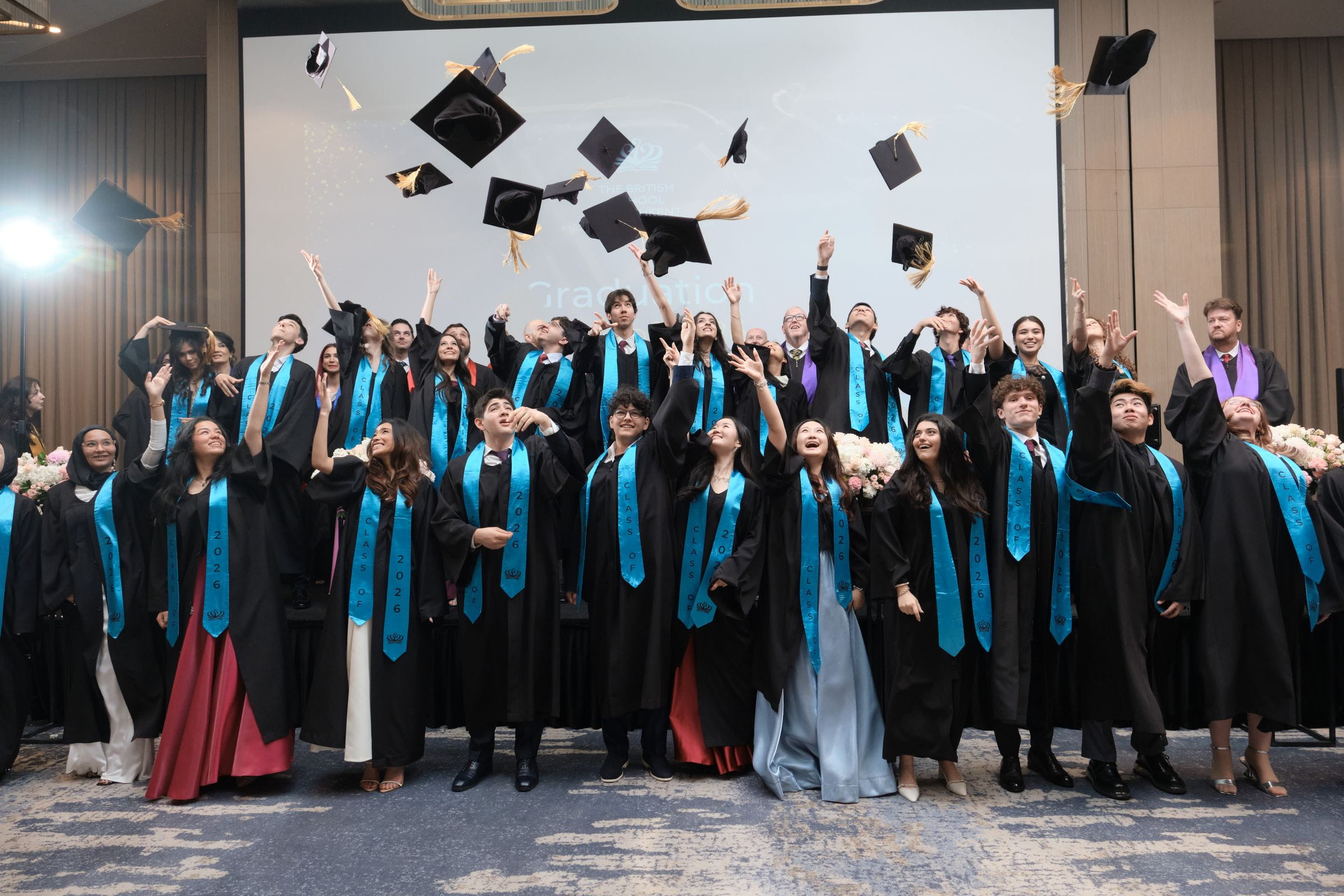
Nord Anglia Education has released new findings from a major research project with Boston College, showing how students across our global family of schools are developing the independence, judgement, and critical thinking skills that AI cannot replace.

19 February, 2026
How The British School of Tashkent helps students develop the skills AI cannot replace
.jpg?h=249&iar=0&w=374&rev=5c3dacca1895403ea4fbab0c28e6fe0d&hash=E43DDE2E55CCD139473D7779AE3ADAD8)
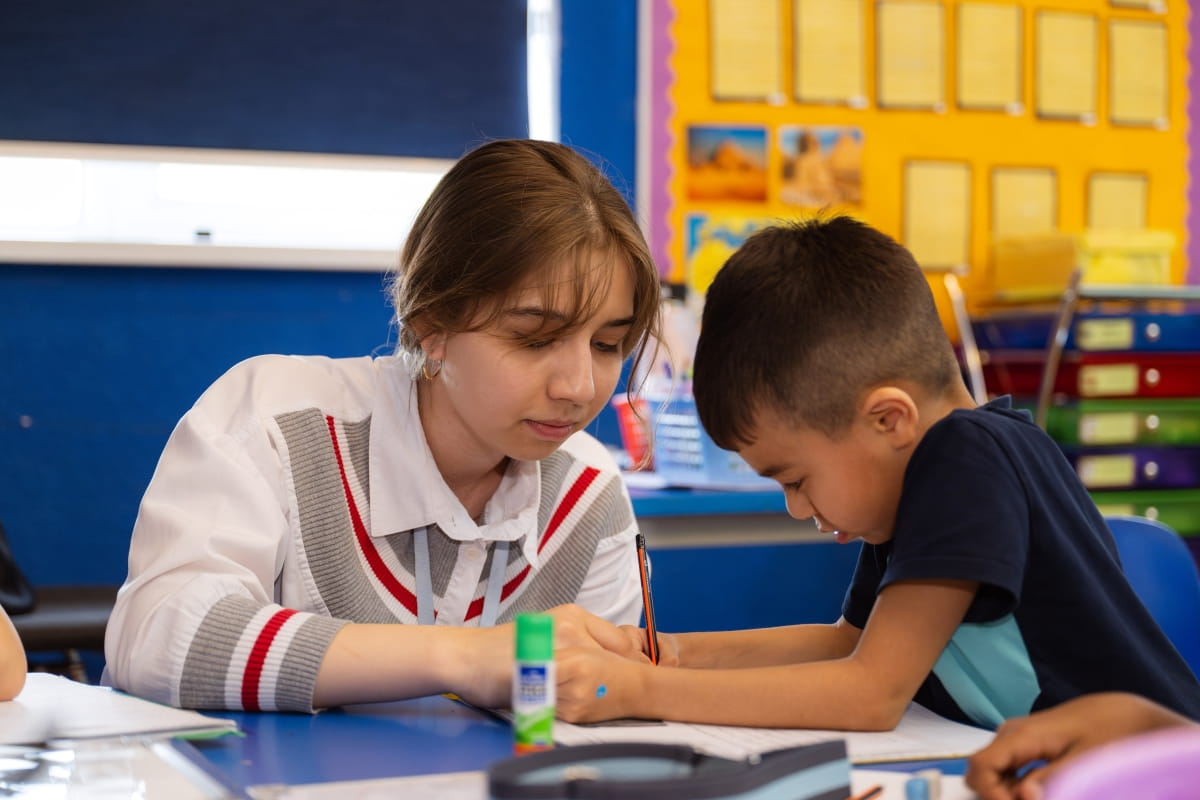
Nord Anglia Education has published new findings from a major research project with Boston College, and The British School of Tashkent is proud to share the results. More than 12,000 students across our family of schools took part, creating one of the most comprehensive studies into how young people learn to think for themselves in an era shaped by artificial intelligence.
Around the world, families are asking an important question: If AI can generate answers instantly, how will my child learn to think independently?
This research offers a clear, evidence-based response.
Building skills for a changing world
The study shows that Nord Anglia students are becoming more reflective, more independent, and more socially aware. These are the human skills that allow children to thrive, regardless of how technology develops.
Teachers saw strong growth across key skills
- 78% observed improvements in how students reflect on their learning
- 74% saw clearer communication of thinking
- 71% noticed stronger independent working
Students reported increased confidence and self-awareness
- 85% said they better understand their own strengths
- 76% reported greater independence
- 70% noted improved social and interpersonal skills
The findings also highlight the impact of structured Thinking Routines, which help students make their thinking visible. When used daily, these routines increased curiosity by up to 50% across subjects.
Why this matters for your child
AI can provide answers, but it cannot replace judgement, curiosity, communication, or the confidence to navigate uncertainty. These life skills sit at the heart of our teaching at BST, preparing students to face future challenges with clarity and independence.
This research also supports our new campus vision, which focuses on creating environments where students can explore ideas, reflect on their learning, and practise the metacognitive skills identified in the study. As we move toward a more innovative and future-focused campus model, these findings reinforce why our learning spaces and teaching approaches are evolving.
A vision for the future of learning at BST
Our new campus is designed around the same principles highlighted in the Boston College research. Future-ready learning environments, collaborative spaces, and enhanced opportunities for reflection and creativity will help students strengthen the skills that AI cannot replace. The research gives strong evidence that thoughtful design, combined with metacognitive teaching, supports deeper learning and greater independence.
For prospective families, this means your child will learn in a school that is actively aligning its vision, teaching, and campus development around global best practice and the needs of tomorrow.
Continuing a global research partnership
Because of the powerful impact seen across our schools, Nord Anglia Education is extending its collaboration with Boston College for another three years. This next phase will study the long-term benefits of metacognitive approaches on student success, providing further guidance as we continue to shape our campus and curriculum for the future.
Learn more
A parent-friendly summary of the full report is now available to explore online. You will find examples of Thinking Routines and practical insights into how metacognition strengthens learning.
Related news
News image ![A group of BST participants stand on a stage holding large flags including The British School of Tashkent flag and the Uzbekistan national flag.]() News | Highlights | Events | Academic
News | Highlights | Events | Academic
 News | Highlights | Events | Academic
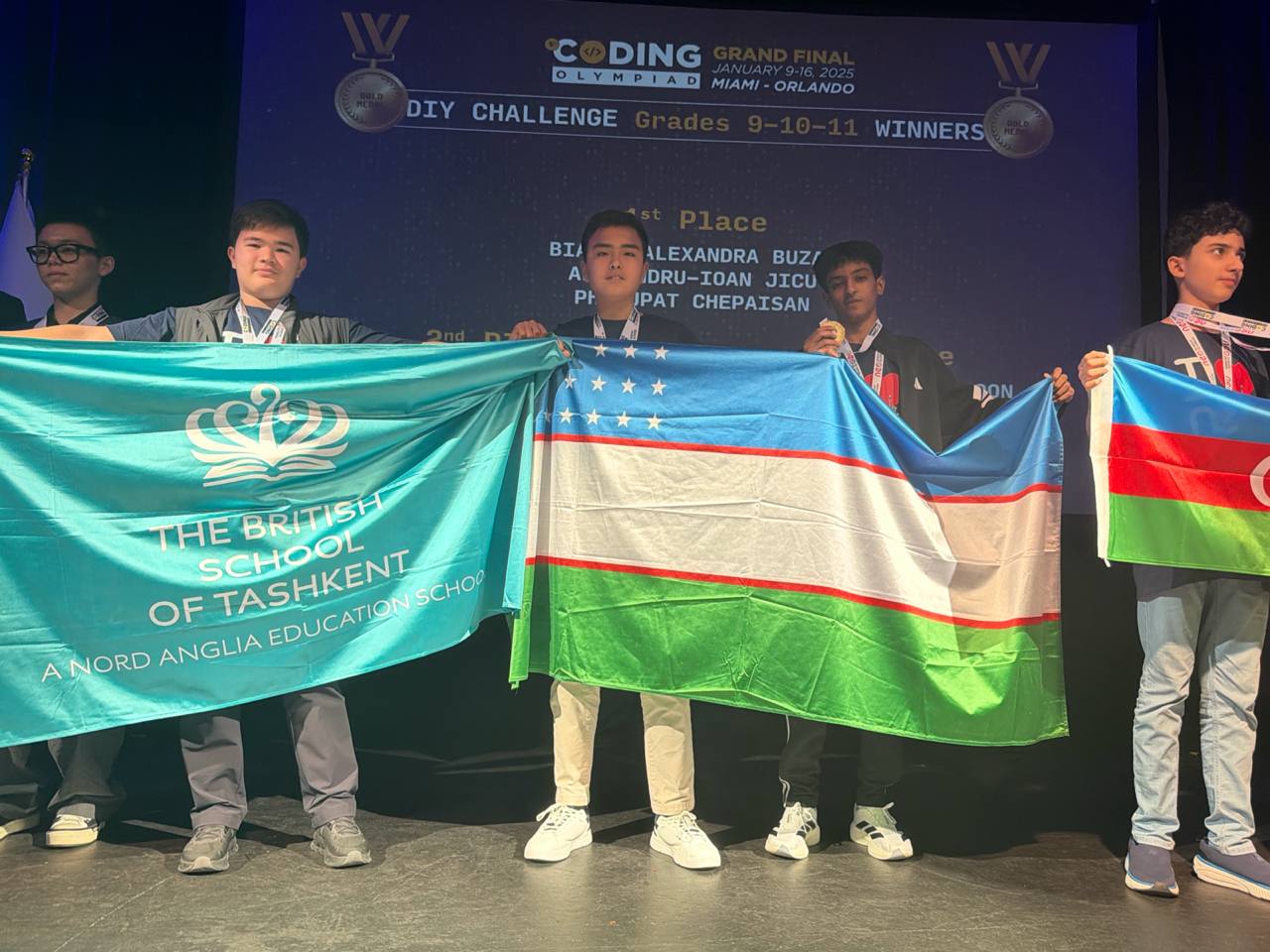
 BST students shine at the 2026 NEO Science Olympiad
BST students achieved outstanding results at the 2026 NEO Science Olympiad, earning 44 medals and showcasing excellence, creativity, and global collaboration in STEM
News image ![Students learning together at The British School of Tashkent, the only school in Uzbekistan accredited by COBIS, BSO, FOBISIA, and AoBSO.]() Blog | Highlights | Helpful Guides
Blog | Highlights | Helpful Guides
 Blog | Highlights | Helpful Guides
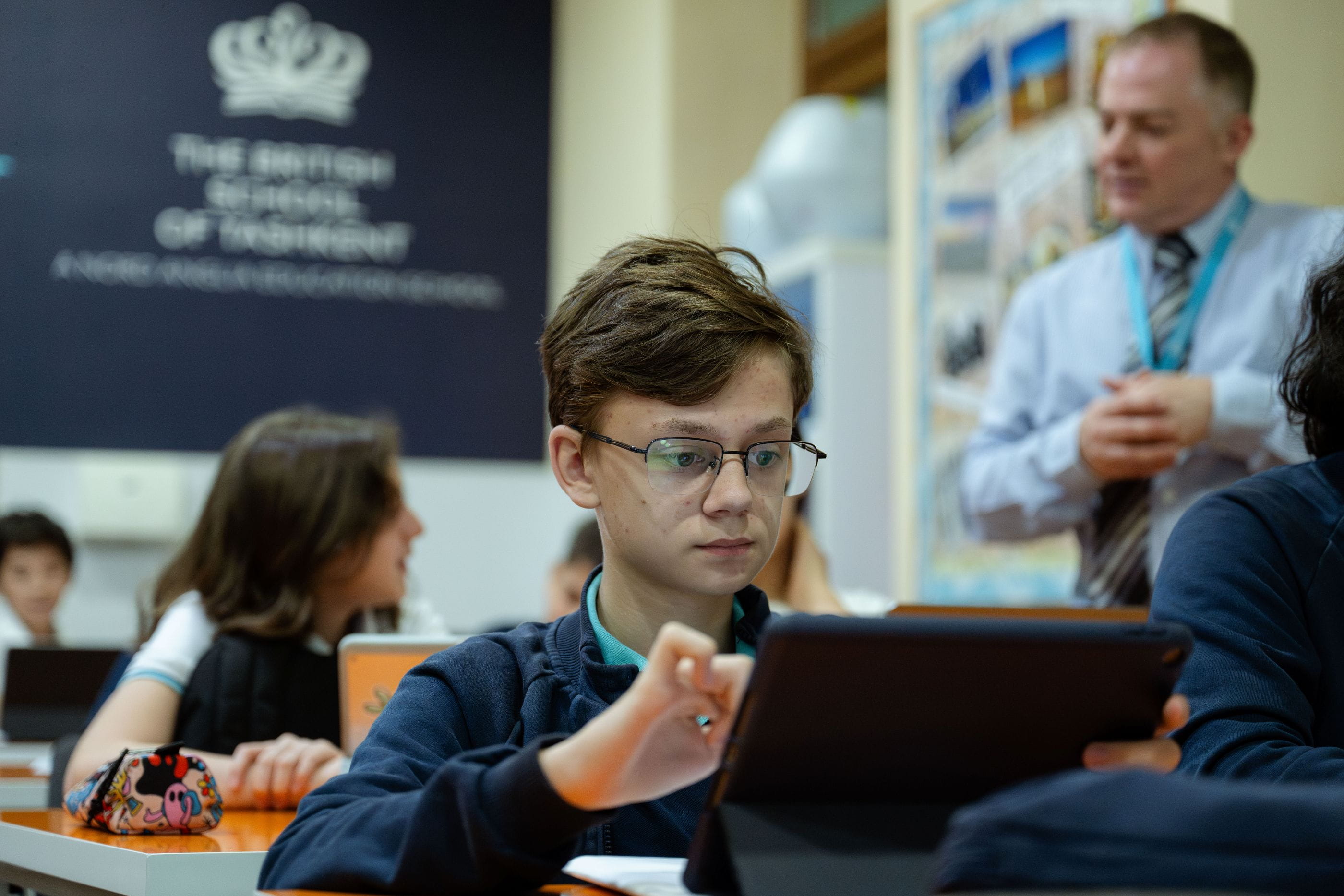
 International educational excellence you can trust: What independent accreditations mean for your child
Accreditations and partnerships like COBIS, BSO, FOBISIA, and AoBSO ensure your child receives a world-class education. Learn why BST leads in quality assurance.
.jpg?h=810&iar=0&w=1080&rev=4041d87cdaed4d8ba380bc438210709c&hash=6B2972A579BBE61843A5C36F84BEE1DA)