
.jpg?h=249&iar=0&w=374&rev=5c3dacca1895403ea4fbab0c28e6fe0d&hash=E43DDE2E55CCD139473D7779AE3ADAD8)

We use cookies to improve your online experiences. To learn more and choose your cookies options, please refer to our cookie policy.
13 April, 2026
How schools help students build confidence as they grow

Parents sometimes describe their children as naturally confident or naturally shy. But confidence is not a fixed trait, it is something that develops over time, shaped by experiences, support, and opportunities.
For many parents, this raises an important question: will my child continue to grow in confidence?
Strong schools build confidence deliberately, through structured support, meaningful opportunities, and a clear progression in responsibility as students mature.
At The British School of Tashkent (BST), confidence is not treated as a by-product of success. It is developed alongside learning, shaping how students engage, reflect, and take ownership of their progress.
Building confidence through responsibility
Confidence grows when students begin to take ownership of their progress.
At BST, this process starts with structured reflection and target setting. At the beginning of each term, students review their academic performance and set clear, achievable goals.
Rebecca Wolfe, Head of Secondary, explains how students set their goals.
“Students use their academic reports to set SMART (Specific, Measurable, Achievable, Relevant and Time-bound) targets, helping them take ownership of their learning from an early stage.”
Teachers and form tutors guide the process, helping students understand what realistic progress looks like and how to achieve it.
Over time, this develops a sense of responsibility. Students begin to understand that progress is not something that happens to them, but something they actively shape.
Learning to reflect and improve
Confidence is closely linked to self-awareness.
Students need to understand not only what they have achieved, but how they can improve. At BST, reflection is built into everyday learning.
“Reflection and target setting are integral to learning, helping students recognise their progress and identify next steps,” explains Rebecca.
Students are encouraged to:
- review their work and performance
- consider what strategies have been effective
- identify areas for improvement
This process helps students see progress as ongoing. They learn that improvement comes through effort and adjustment, not just ability.
It also reduces fear of failure. When reflection is normalised, mistakes become part of learning rather than something to avoid.
Creating opportunities to build confidence
Confidence develops through experience.
At BST, students are given a wide range of opportunities to apply their skills in different contexts, both inside and outside the classroom.
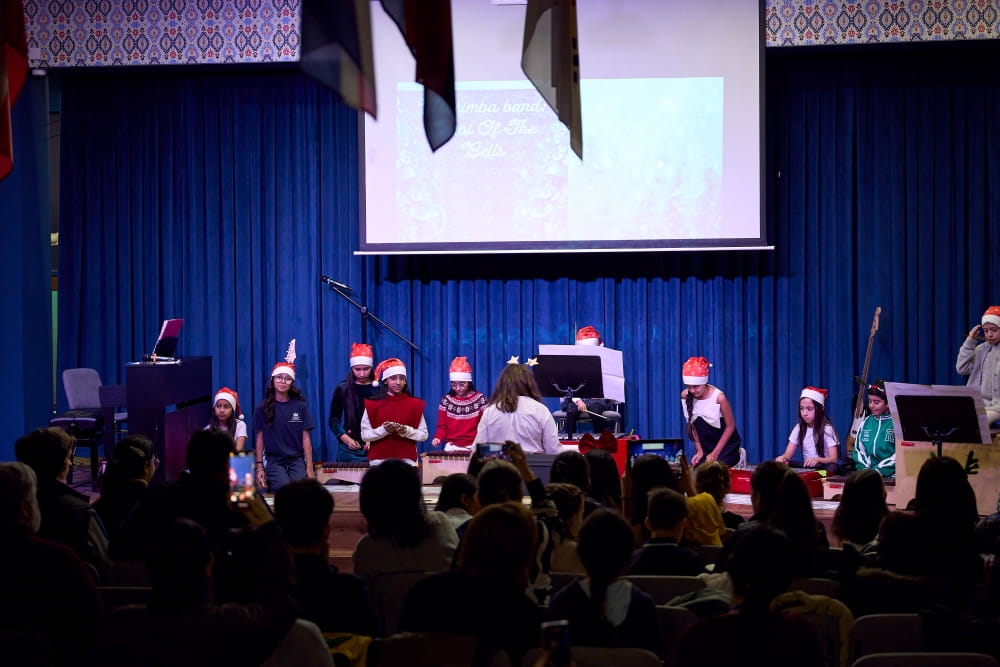
“Students build confidence through experiences such as debates, MUN conferences, performances, and competitions,” notes Rebecca.
These experiences are important because they require students to take initiative, involve collaboration and communication and expose students to challenge in different forms.
For some students, confidence develops through academic success. For others, it may come through performance, sport, or leadership roles.
This breadth ensures that all students have opportunities to succeed and grow.
Recognising progress, not just achievement
One of the most effective ways to build confidence is through recognition.
At BST, progress and effort are valued alongside academic achievement.
“Progress and effort are celebrated regularly, helping students see that progress is as important as results,” shares Rebecca.
Weekly assemblies and end-of-term celebrations reinforce this message. Students are recognised for their commitment, resilience, and growth.
This approach helps students develop a more balanced view of success. They understand that confidence comes from consistent effort over time.
A gradual progression towards independence
Confidence is not built in a single moment. It develops gradually.
At BST, expectations increase as students move through the school. They are given more responsibility, more independence, and more complex challenges.
Teachers continue to support this process, ensuring that students are guided as they develop.
Over time, students become more independent in their learning. more confident in their decision-making and more willing to take on challenges.
This progression prepares them not only for academic success, but for future pathways beyond school.
Confidence that supports long-term success
The impact of this approach becomes clearer over time.
Students who develop confidence in their learning are more likely to:
- engage actively in lessons
- persist through difficulty
- take ownership of their progress
At The British School of Tashkent, confidence is not treated as a personality trait. It is a skill that is developed through structured teaching, reflection, and opportunity.
For parents, this provides reassurance that their child will not only succeed academically, but will continue to grow as a confident and capable learner.
Parents who would like to learn more about how BST supports student development are always welcome to speak with the academic team and explore how these approaches are embedded across the school.
Related news
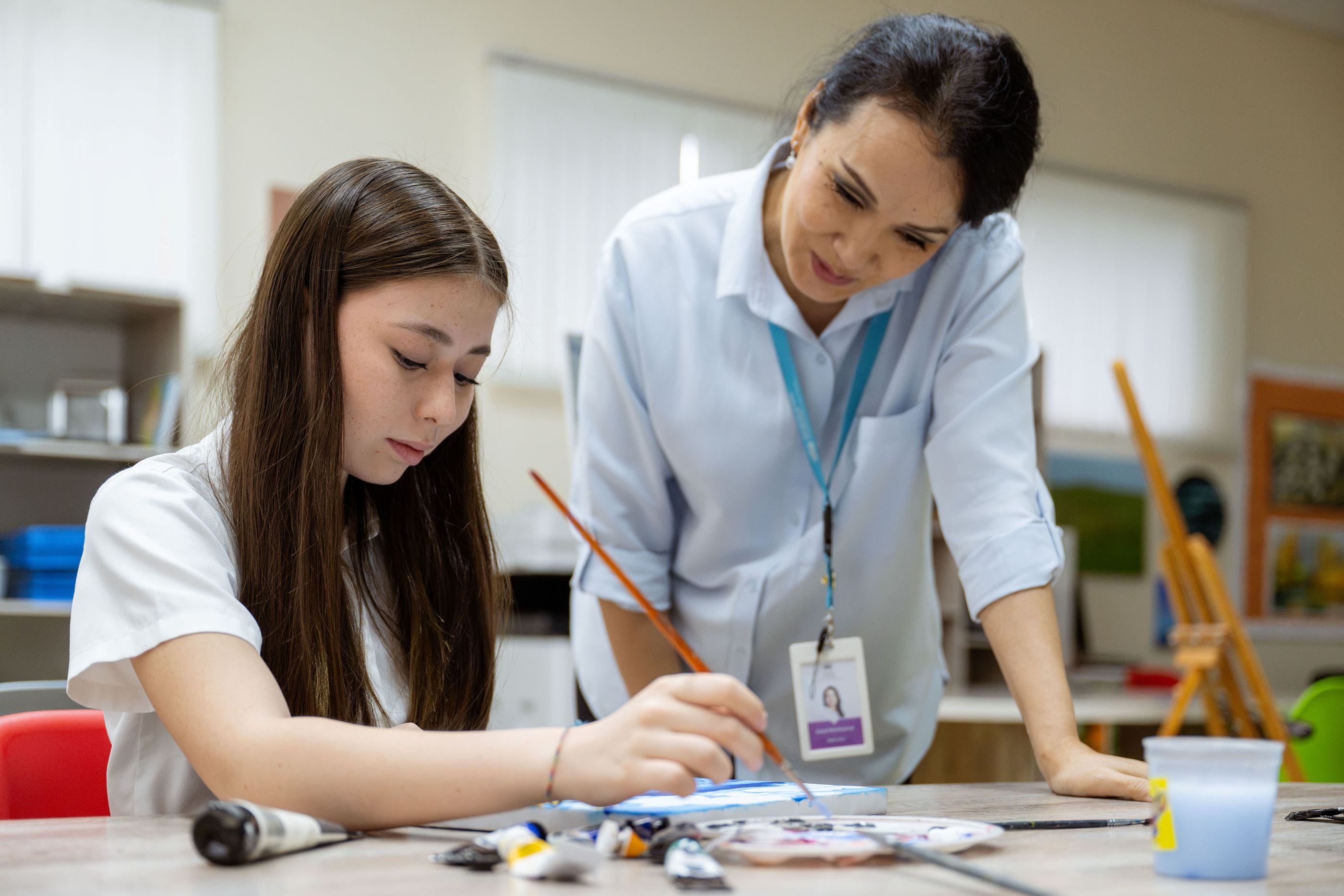
News image ![Secondary student developing an Art project at The British School of Tashkent.]() Blog | Art
Blog | Art
 Blog | Art
 Why study Art at GCSE and A Level? The value of creative education
Discover the benefits of studying Art at GCSE and A Level, including academic skills, creative thinking, university pathways and future career opportunities.
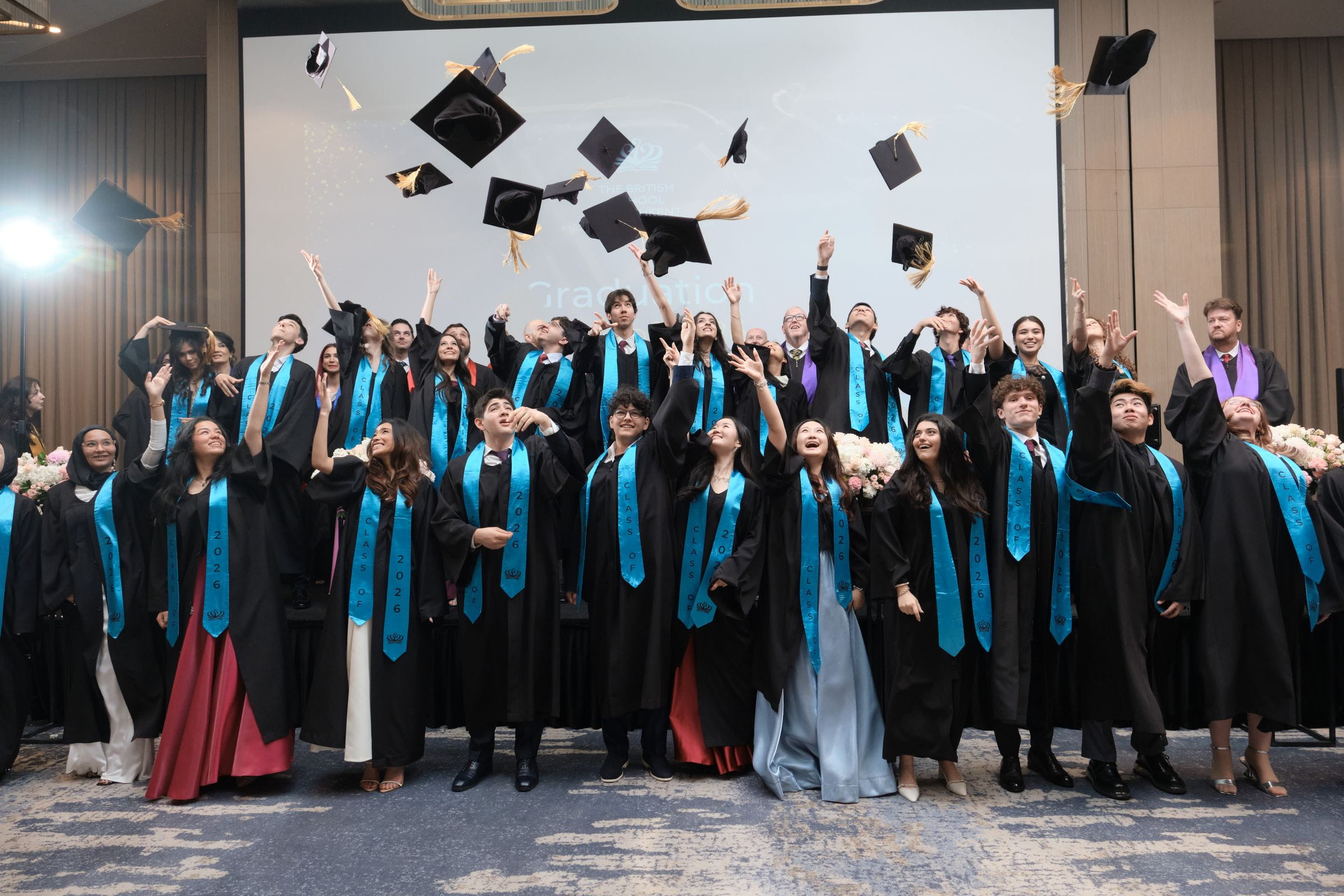
News image ![Students from The British School of Tashkent celebrating at Graduation by throwing their caps in the air]() News | Academic | Highlights
News | Academic | Highlights
 News | Academic | Highlights
 Celebrating GCSE and A Level success at The British School of Tashkent
The British School of Tashkent celebrates strong 2025/26 GCSE and A Level results, with students achieving highly at different stages of their education