



We use cookies to improve your online experiences. To learn more and choose your cookies options, please refer to our cookie policy.
31 March, 2026
How schools prepare students for the academic demands of university

For many families, the value of a school education becomes most visible when students move on to university. The transition can be demanding, particularly when students are expected to manage their time independently, think critically, and take responsibility for their own learning.
In strong schools, however, these skills are not left to develop at the point of transition. They are built gradually over time, so that students arrive at university already confident in how to learn, organise themselves, and engage with more complex academic expectations.
This raises an important question for parents: how well does a school prepare students not just to enter university, but to succeed once they are there?
At Dover Court International School (DCIS), this preparation is developed through a combination of academic skill-building, structured guidance, and increasing independence as students move through the school. Programmes such as the IB Diploma Programme play an important role in this, fostering critical thinking, research skills, and extended writing, all of which support a smoother transition to university study.
Building the academic skills students need
Success at university depends on a set of core academic skills that go beyond subject knowledge.
Students need to manage their time effectively, process large amounts of information, and apply their knowledge in unfamiliar contexts. They also need to think critically, communicate clearly, and remain resilient when faced with academic challenges.
Hani Rahman, Careers and University Guidance Counsellor, explains the range of skills students need to develop.
“Students need strong time management, critical thinking, and the ability to transfer knowledge to different contexts. They also need technical study skills, such as how to take notes, process information, and test themselves, alongside resilience and effective communication.”
These skills are not developed in isolation. They are embedded into daily learning, helping students build the habits and approaches they will rely on at university.
Developing independent learning over time
A key difference between school and university is the level of independence expected from students.
At Dover Court, teachers support this transition by gradually increasing student responsibility. Rather than expecting independence to appear suddenly, students are guided step by step in how to manage their own learning.
Hani Rahman describes how this process is structured.
“We scaffold responsibility for students so they learn how to create their own study schedules, test them out, and adjust them over time. This helps them develop the independence they will need later.”
Students are also supported through regular one-to-one mentoring. These sessions provide an opportunity to review study techniques, reflect on progress, and discuss how to improve.
“Regular mentor meetings give students the chance to review their revision techniques, schedules, and overall wellbeing, helping them build effective study habits.”
Reflection is also built into the learning process. Students are encouraged to think about how they learn, what is working well, and what they need to improve. Over time, this helps them develop strong independent learning skills and greater ownership of their academic progress.
Structured guidance for future pathways
Preparation for university also involves helping students make informed decisions about their academic pathways.
At DCIS in Singapore, this process begins early. From Year 8 onwards, students take part in structured guidance sessions that introduce them to subject choices, extracurricular opportunities, and routes into high education and careers.
Hani Rahman explains how this support is delivered.
“From Year 8, students attend assemblies focused on subject selection, extracurricular opportunities, and early career and university planning. This is supported by Progress Leaders, Form Tutors, and Careers and Higher Education Guidance Counsellors.”
As students move into the later years of school, this guidance becomes more personalised.
Students and parents have access to one-to-one meetings with careers and university counsellors, allowing them to explore individual interests, strengths, and future goals.
“In the Sixth Form, students have regular one-to-one meetings with careers and higher education counsellors, as well as ongoing support from mentors as they approach exams and final decisions.”
This structured approach ensures that students are supported at each stage of the process.
Practical preparation for university applications
In addition to academic preparation, students also receive practical support as they move towards university applications.
Workshops and information sessions help students understand application processes, from completing forms to requesting references. Events such as university fairs and careers fairs provide opportunities to engage directly with institutions and explore different pathways.
Regular visits from universities further support this process, helping students gain a clearer understanding of what to expect in higher education.
These experiences allow students to approach university applications with greater confidence and clarity.
Preparing students for success beyond school
Preparing for university is not only about achieving strong results. It is about ensuring students have the skills, habits, and confidence to succeed in a more independent learning environment.
Through structured academic skill development, guided independence, and comprehensive university preparation programmes, Dover Court International School supports students at every stage of this journey.
This approach helps ensure that when students leave school, they are not only ready for university entry but prepared to manage its demands and make the most of the opportunities ahead.
Parents who would like to understand more about how Dover Court supports university preparation are always welcome to speak with the academic and guidance team and explore how students are supported throughout their secondary years.
Related news
News image ![How Dover Court Develops Leadership, Initiative and Human Skills - How Student Voice and Leadership Come to Life at Dover Court]() Blog | Art Drama and Music | Academic
Blog | Art Drama and Music | Academic
 Blog | Art Drama and Music | Academic
 How Student Voice and Leadership Come to Life at Dover Court
What happens when students are empowered to turn ideas into reality? Discover how Year 9 student Daksh developed leadership, communication and problem-solving skills through a student-led initiative, and how experiences like these help young people develop the human skills needed for the future.
News image ![Why Struggle and Joy Belong Together in Maths | Dover Court International School Singapore - Why Struggle and Joy Belong Together in Maths]() Blog | Academic | Parent Guides
Blog | Academic | Parent Guides
 Blog | Academic | Parent Guides
 Why Struggle and Joy Belong Together in Maths: Reflections from a Parent Workshop
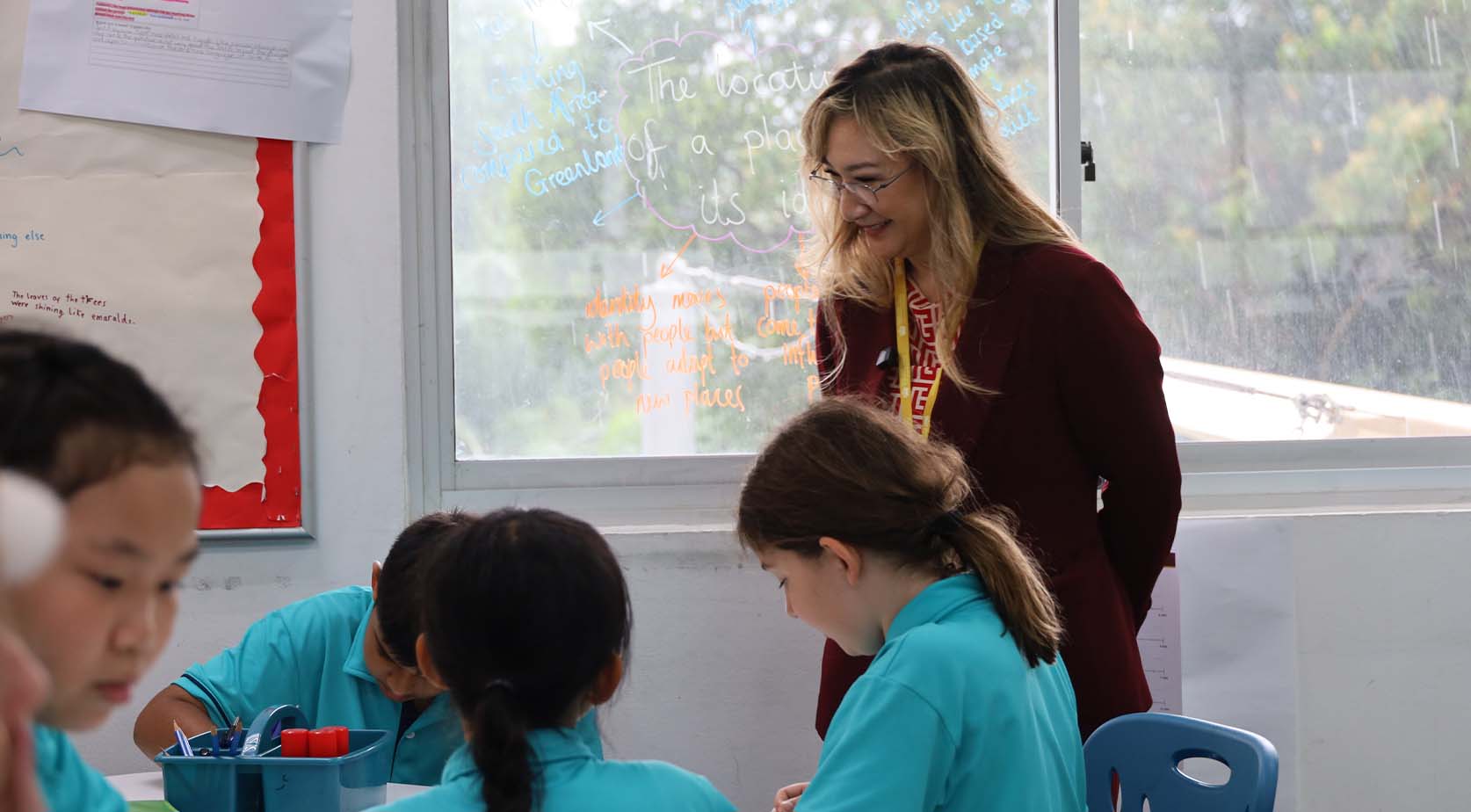
How can we help children develop confidence and enjoyment in mathematics? Following a parent workshop at Dover Court International School, internationally recognised mathematics educator Dr Jennifer Chang Wathall explores the relationship between challenge, resilience and joyful learning.
News image ![Student Leadership at Dover Court International School Singapore | Meet Our 2026-27 Head and Deputy Head Students - Student Leadership at Dover Court Meet Our Head and Deputy Head Students for 2026-27]() News
News
 News
News Student Leadership at Dover Court: Meet Our Head and Deputy Head Students for 2026-27
Meet our Head and Deputy Head Students for 2026-27 and learn how leadership opportunities at Dover Court help students develop confidence, responsibility and a strong sense of community. From Primary School leadership opportunities to student-led initiatives and global experiences, leadership is nurtured at every stage of the Dover Court journey.
News image ![Dover Court International School Welcomes New Principal Richard Vaughan - Dover Court International School Welcomes New Principal Richard Vaughan]() News
News
 News
News Dover Court International School Welcomes New Principal Richard Vaughan
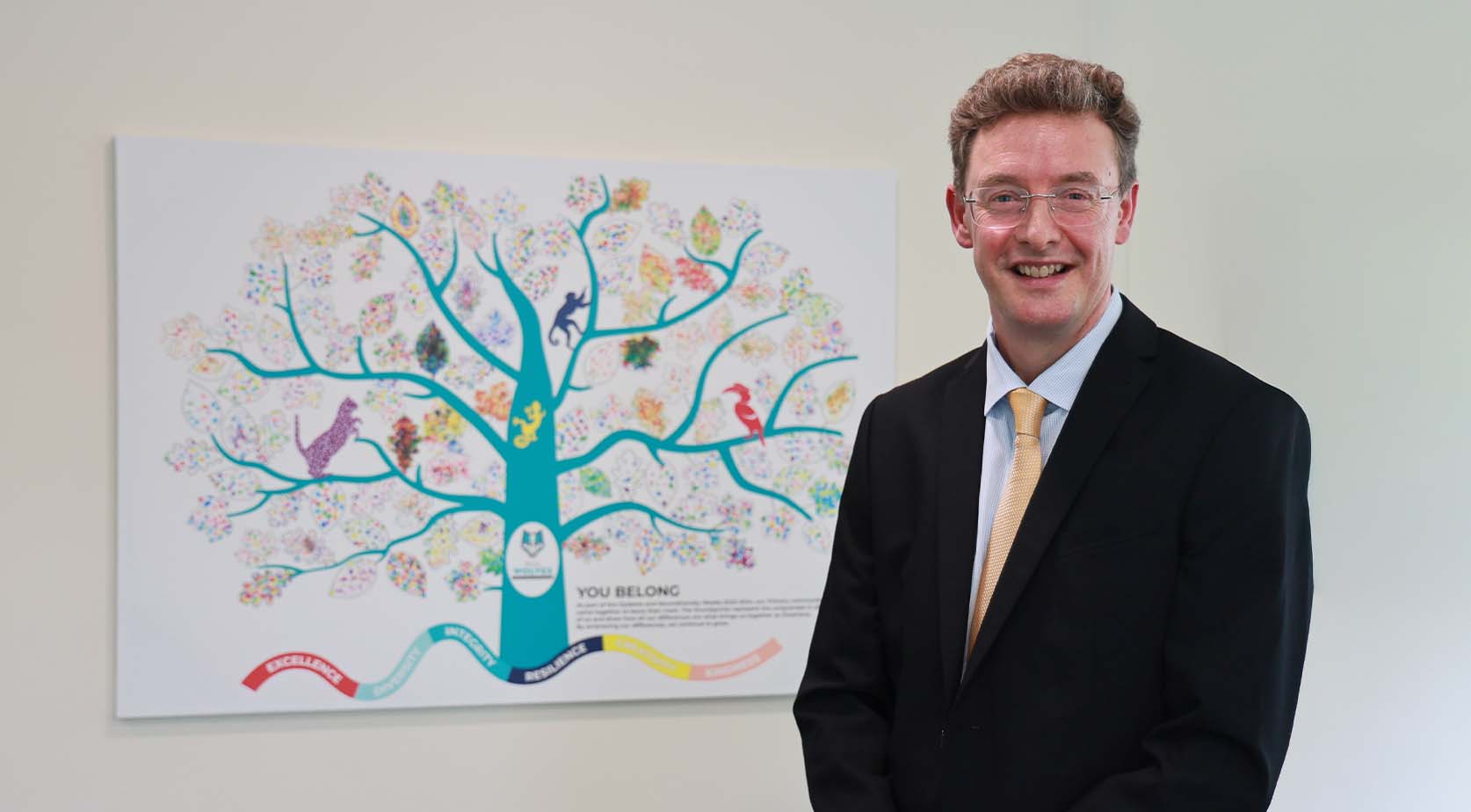
Dover Court International School is delighted to welcome Richard Vaughan as Principal, having joined the school at the start of the 2026-27 academic year. Bringing more than 25 years of educational leadership experience across the UK and internationally, Mr Vaughan joins Dover Court with a strong track record of fostering academic excellence, inclusive education and community-building.


