


We use cookies to improve your online experiences. To learn more and choose your cookies options, please refer to our cookie policy.
12 May, 2026
How Youngest Learners at DCIS Bring Learning to Life: Inside the EYFS Exhibition of Learning
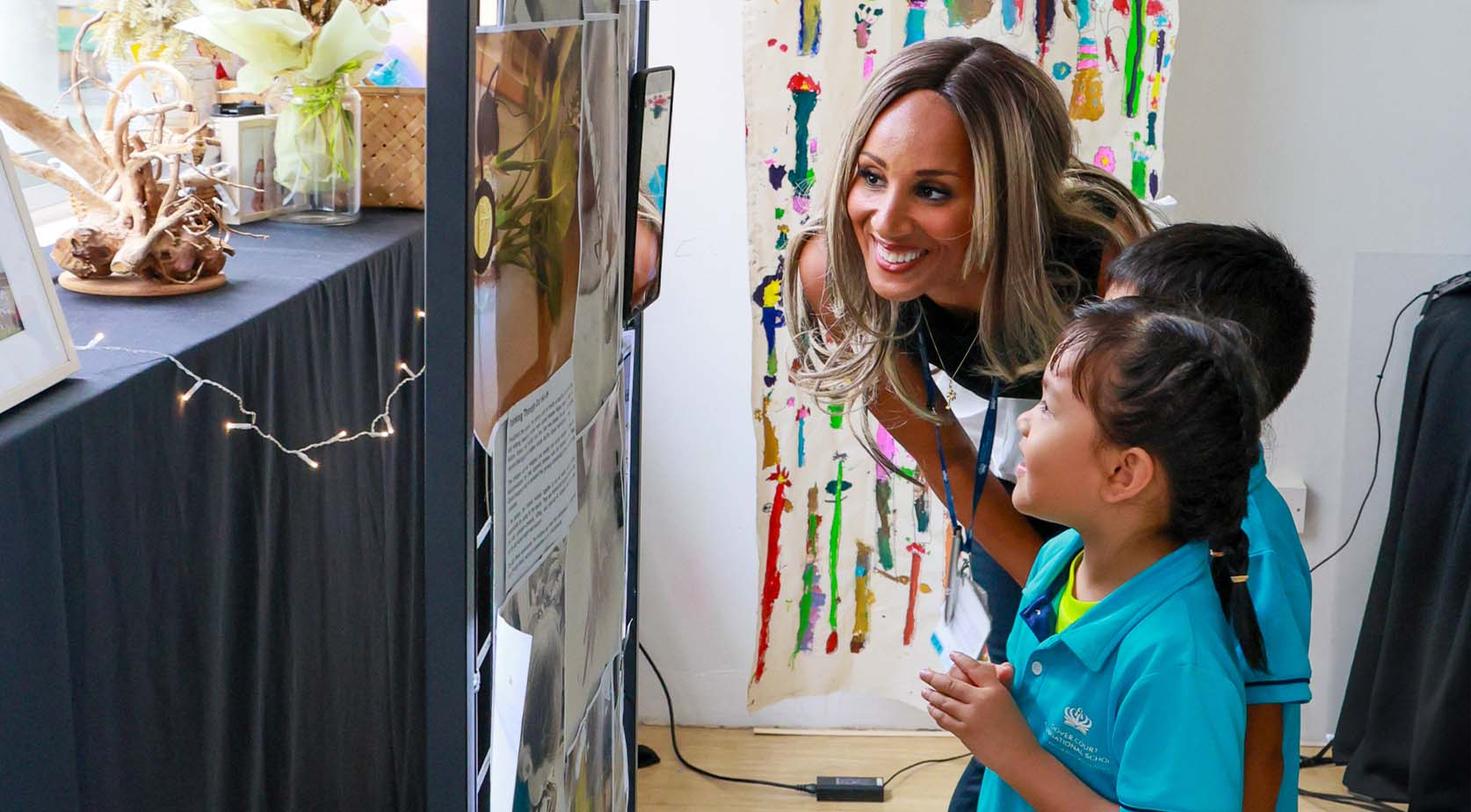
What does learning really look like in Nursery and Reception? Step into our EYFS Exhibition of Learning, and you’ll find more than artwork on display – you’ll see curiosity in action, ideas taking shape, and children confidently sharing the stories behind their thinking.
Last week, our Nursery and Reception classrooms were transformed into vibrant exhibition spaces, filled with documentation, sculptures, creative work and hands-on investigations. More than anything, they were filled with children – welcoming visitors, guiding tours, and proudly sharing their learning journeys.
As one parent shared, “Wow! This is like a proper trendy art gallery!” — and it truly was.
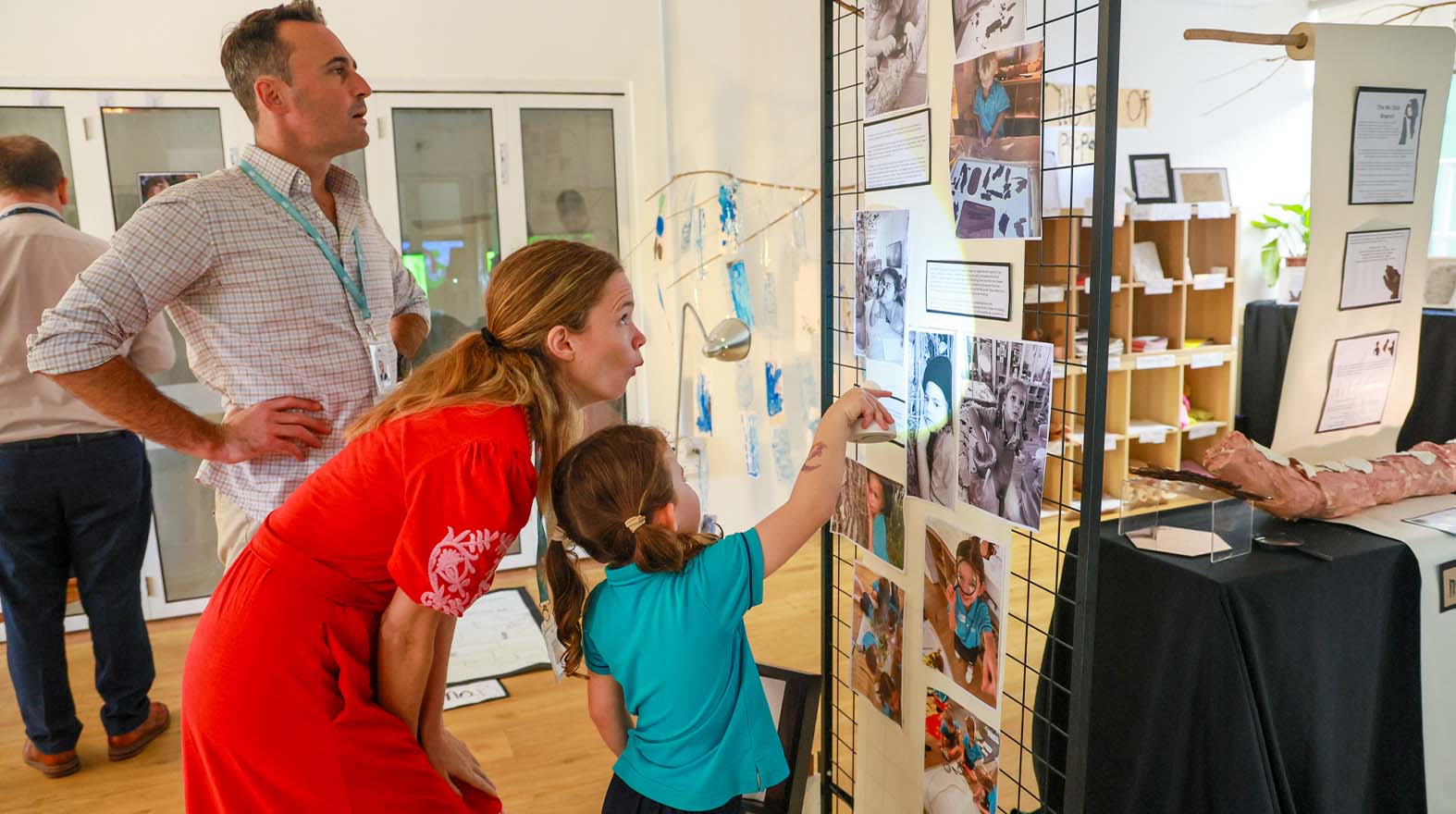
The exhibitions were a window into the learning process itself. Every piece of work, every photograph, every construction told part of a bigger story: how ideas began, changed, and grew over time. Visitors were invited to look closely, ask questions, and explore how those ideas developed over time.
And at the centre of it all were the children, ready to guide, explain and reflect. They explained their thinking, reflected on their process, and shared their learning with a real sense of pride. This sense of ownership and understanding grows naturally from children’s curiosity and the experiences they have throughout the year.
A Year of Curiosity, Connection and Growth
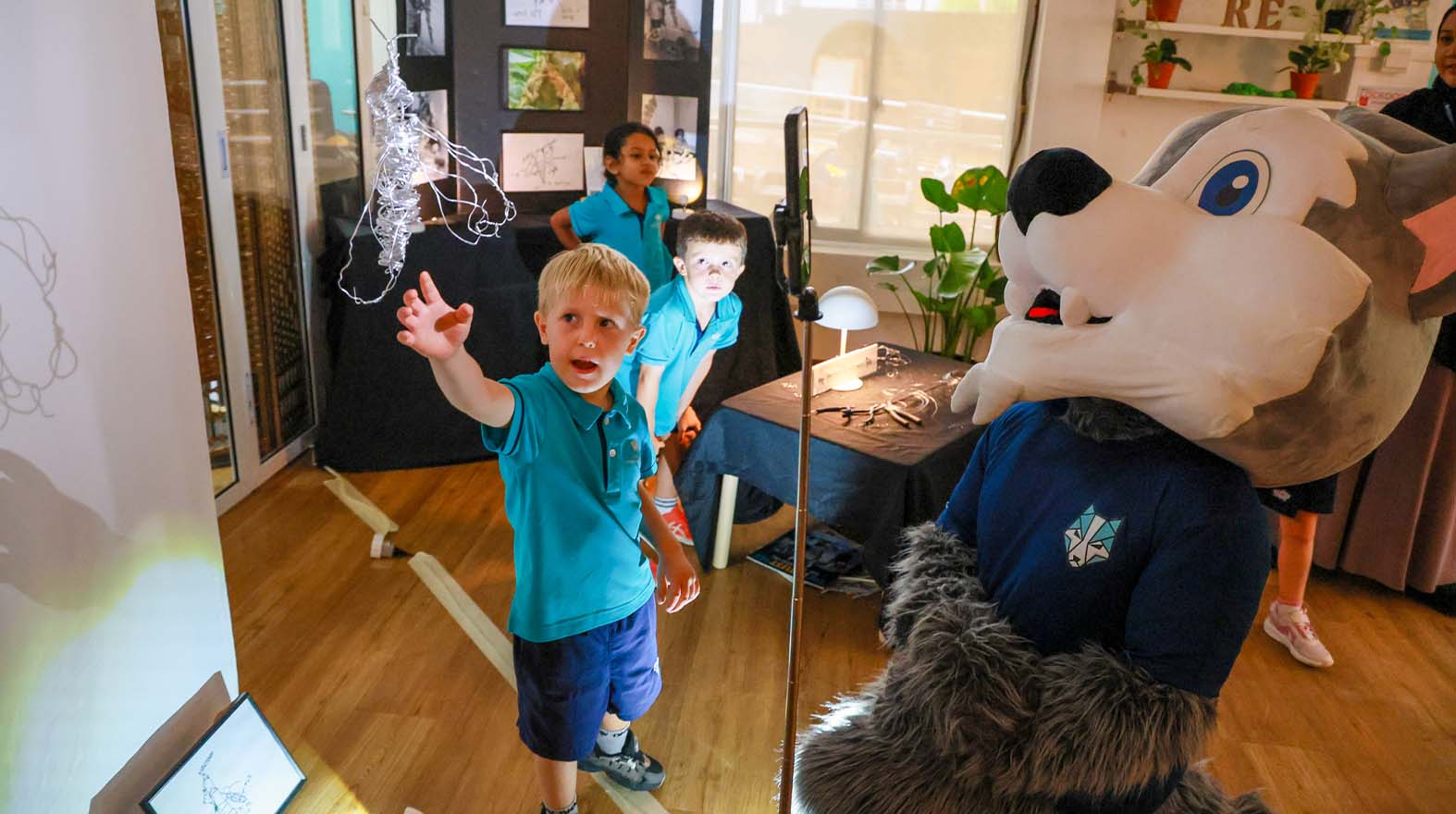
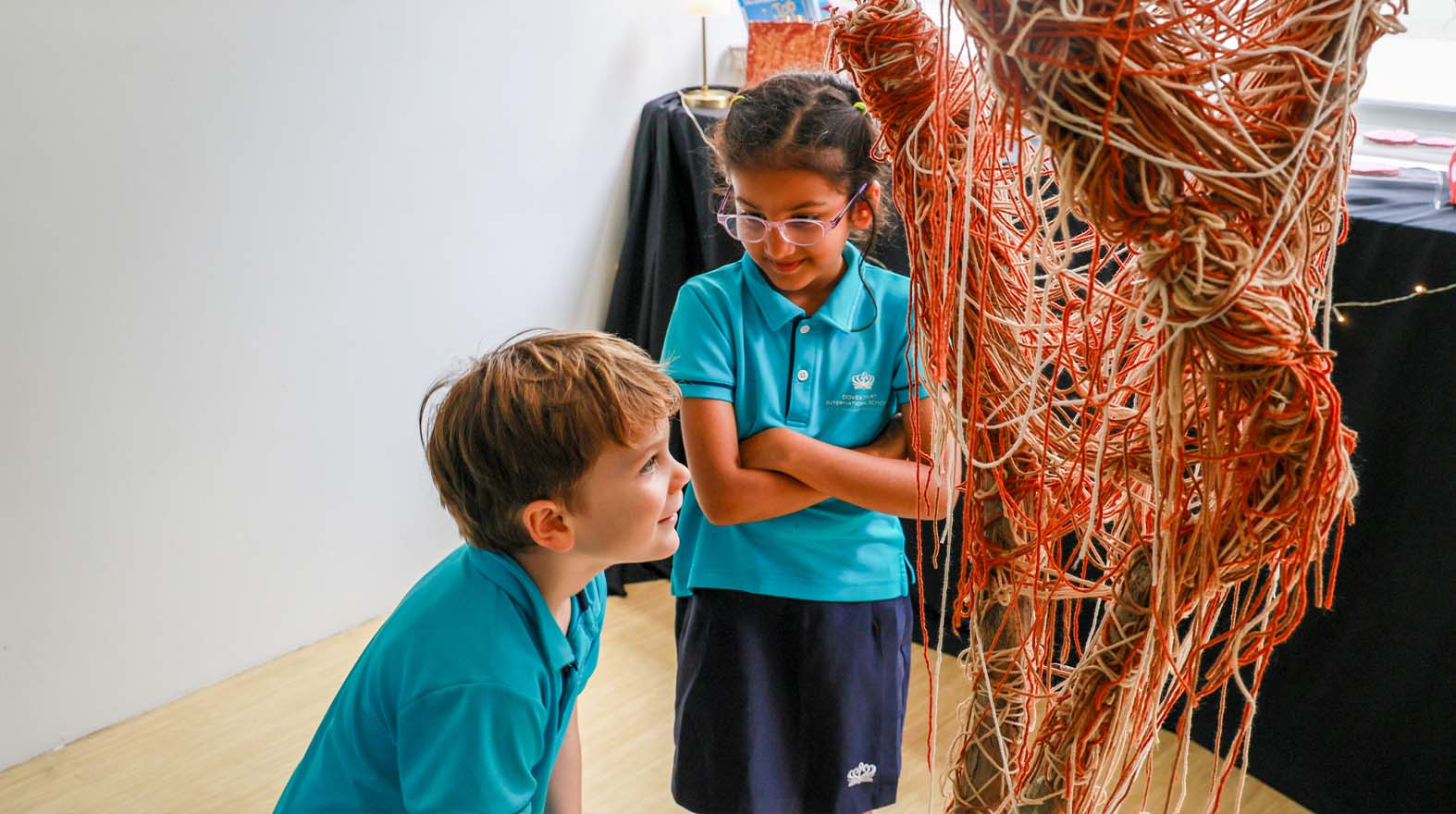
Many of the children’s explorations began with simple moments. A vine discovered during a nature walk, for example, sparked early thinking about how things grow – becoming longer, bigger and more connected.
From there, ideas began to expand. Children explored how materials can be layered and combined, how textures and forms can change, and how small pieces can come together to create something larger.
These experiences weren’t isolated – they built on one another over time, helping children make connections across their learning. In many ways, they reflect how learning is approached every day in our classrooms.
Learning Through Play
At the heart of this is the belief that children learn best through play, inquiry and meaningful connections – and this exhibition was a beautiful example of this in practice.
Through play, children test ideas, explore cause and effect, and build early mathematical, scientific and literacy skills in meaningful ways. A simple interaction with materials can lead to problem-solving, questioning, and new discoveries.
Just as importantly, play is social. Through working alongside others, children learn to negotiate, share, cooperate and resolve conflicts – developing confidence and a strong sense of belonging.
These experiences are also physical. Hands-on, active play supports both fine motor development and larger movements, contributing to overall wellbeing.
Teachers play an important role in this process by observing, listening, and gently extending children’s thinking. This allows learning to remain engaging, relevant and rooted in children’s own ideas.
And it is this foundation that allows children to take the lead so confidently when it comes time to share their learning.
Children Leading Their Own Learning
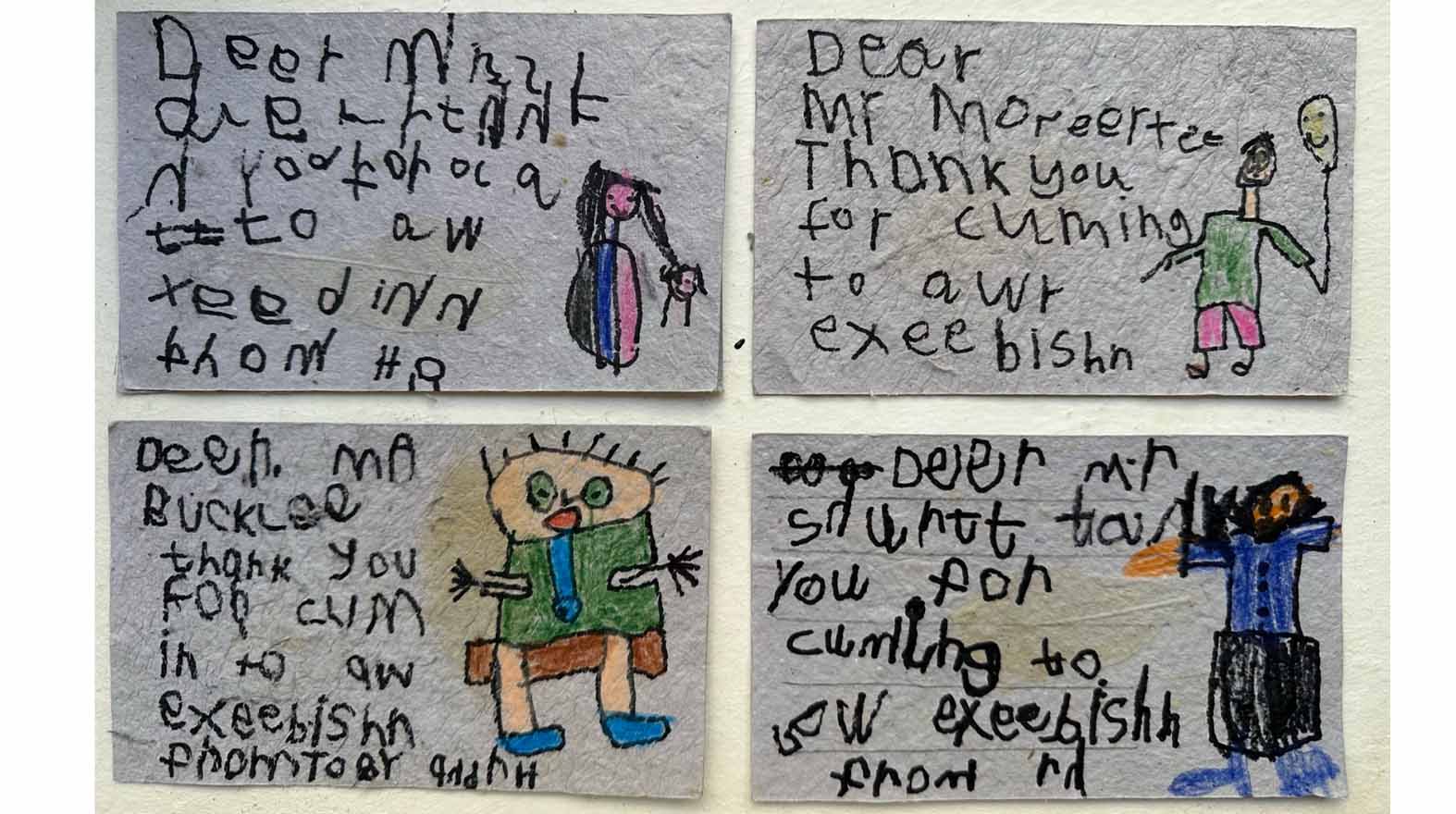
What made the exhibition especially meaningful was the ownership the children demonstrated. They were involved in every stage – from creating invitations and welcoming visitors, to guiding tours and reflecting afterwards through thank-you messages.
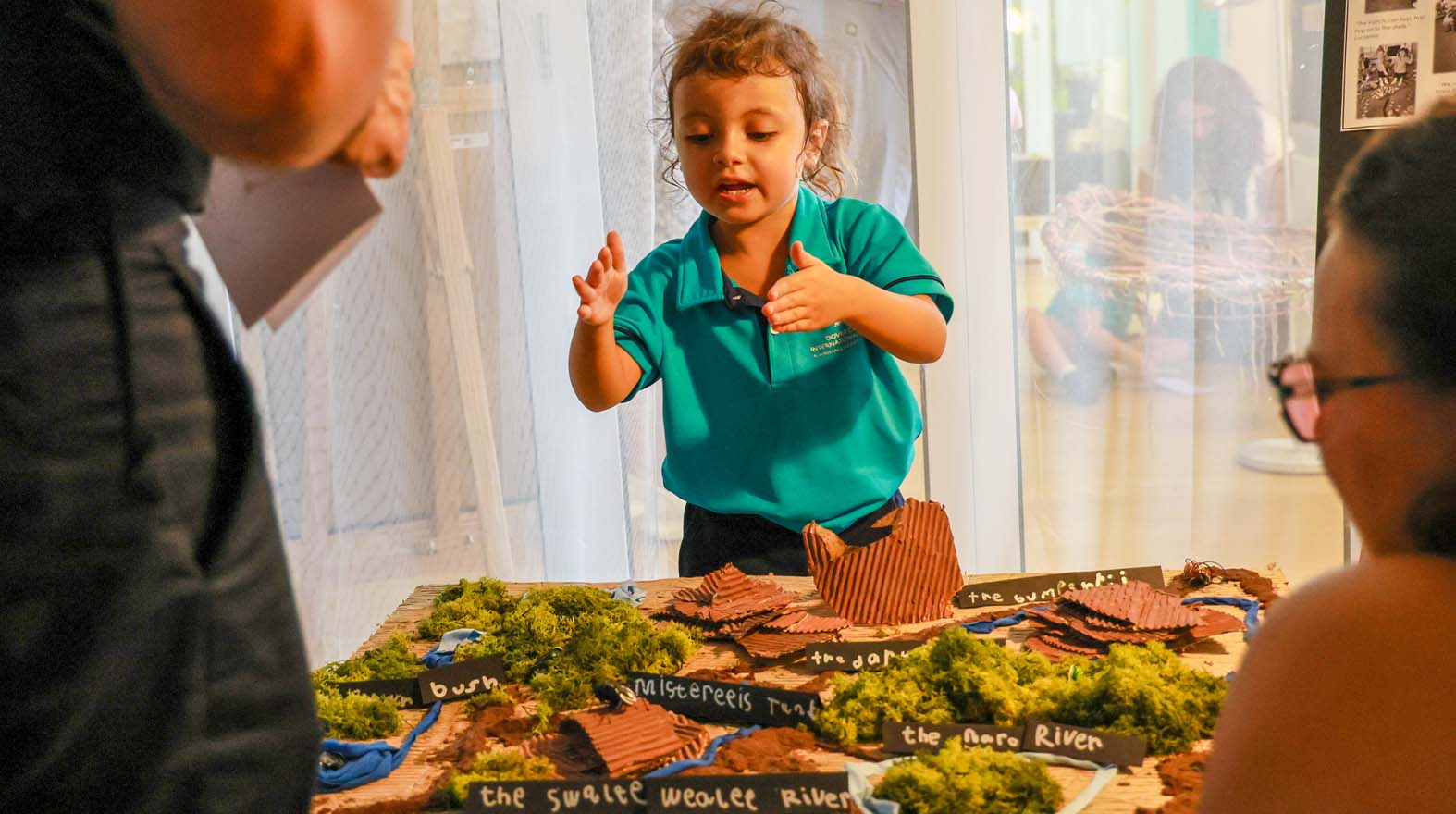
With confidence and pride, they shared not just what they had created, but how their ideas had evolved. They took on the role of hosts, communicating clearly, collaborating with peers, and demonstrating a deep understanding of their learning journey.
A Reception parent captured this beautifully: “What a wonderful exhibition it was. So good to see kids telling all about their project with so much enthusiasm.”
From Play to Storytelling: Bringing Ideas to Life
In one Reception class, children explored storytelling in a way that brought together many of these elements. What began as loose parts play and imaginative world-building gradually evolved into role play, drawing and shared storytelling. As a class, they explored a simple but meaningful question: What is a story?
Together, they built a collective narrative, combining their ideas into one shared creation. Wanting to bring it to life, they then used animation to transform their drawings into moving stories – experimenting with voice, expression and different ways of telling and retelling.
You can watch their animation here:
Projects like this highlight not just creativity, but the depth of thinking and collaboration behind the work. Which is why experiences like the exhibition matter so much.
A Shared Celebration of Learning
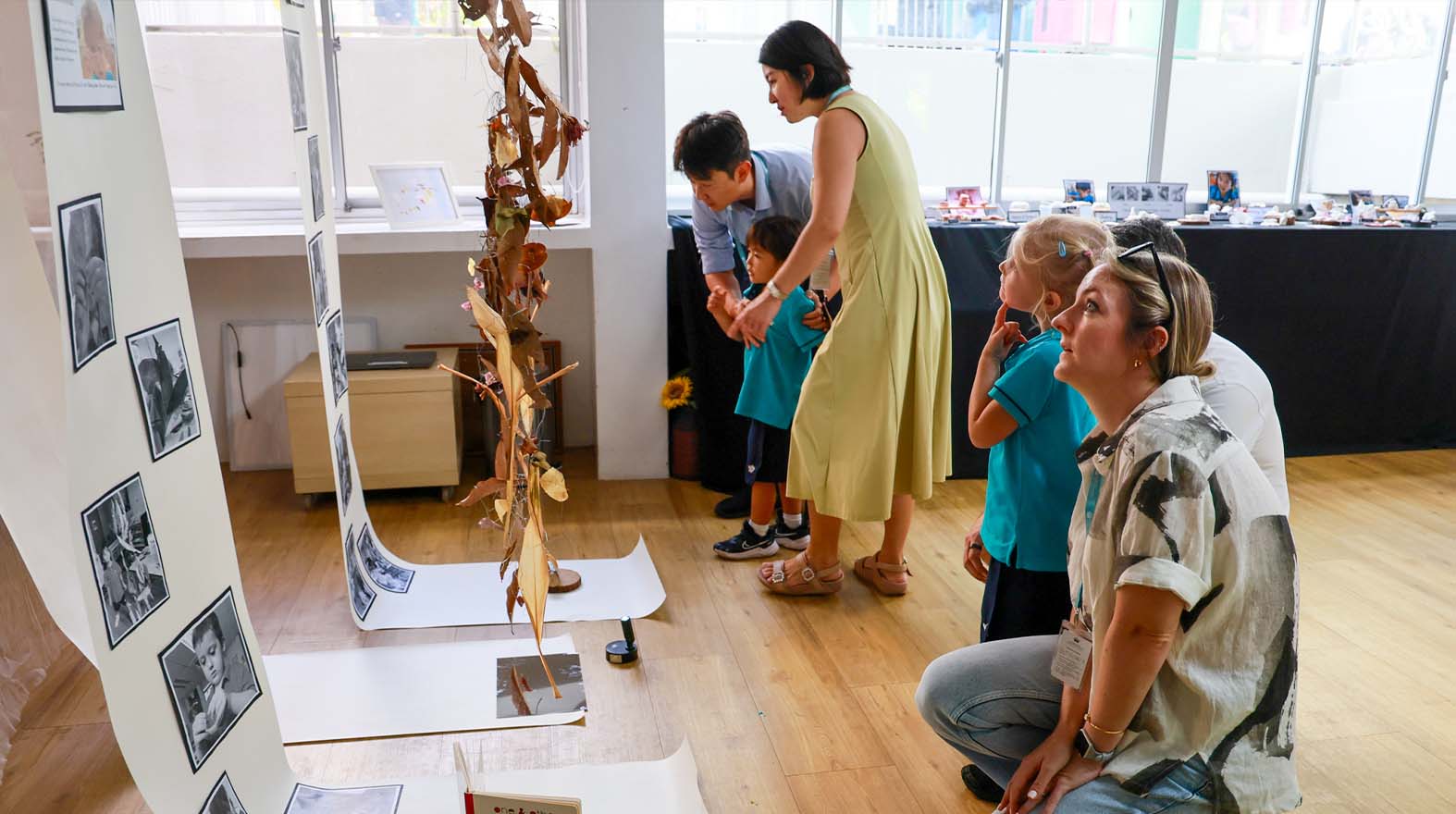
The exhibition is not just a celebration of outcomes – it’s a way of making the learning journey visible. It shows the thinking, experimentation, collaboration, and persistence behind each project and piece of work. It highlights how children develop confidence, communicate their ideas, and build understanding over time.
For families, it offers a deeper insight into how learning happens and why it matters.
We are incredibly proud of our youngest learners and grateful to everyone who joined us, asked questions, and engaged so thoughtfully with the children’s work. Moments like these remind us just how capable children are when given the opportunity to lead their own learning.
Explore more about our Early Childhood Education approach and how children learn through play and inquiry.
Related news
News image ![Dover Court NEST Discovery Play Cove - Dover Court NEST Discovery Play Cove]() News | Early Years
News | Early Years
 News | Early Years
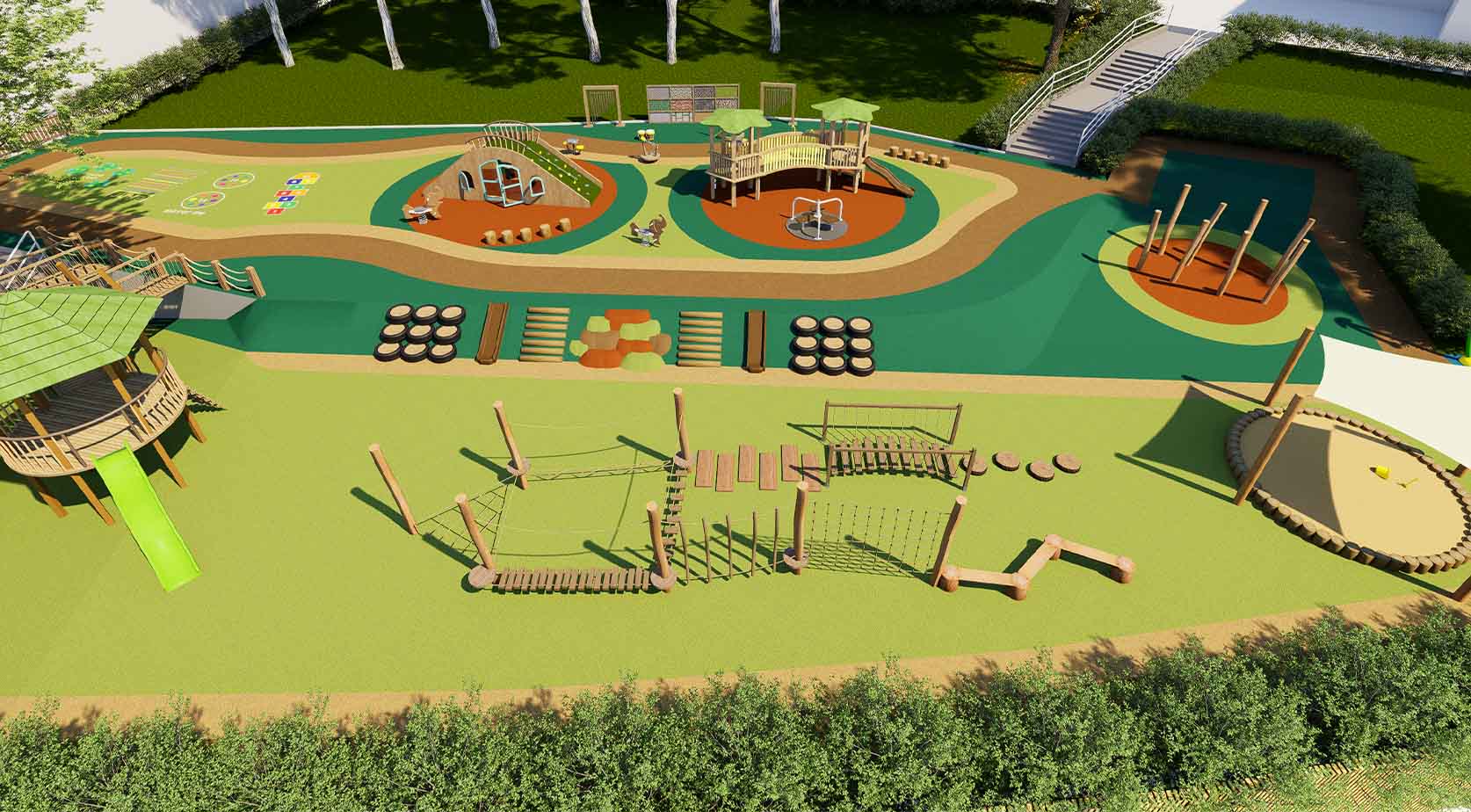
 A New Nature Inspired Discovery & Play Cove at Dover Court International School
Explore Dover Court’s new NEST Discovery & Play Cove, opening in the 2026–2027 academic year – a purposefully designed, nature inspired playground for children aged 3–7.
News image ![Early Years Learning in Action: How Nature Sparks Curiosity - early-years-hands-on-learning-dover-court-2026]() Blog | Parent Guides | Early Years
Blog | Parent Guides | Early Years
 Blog | Parent Guides | Early Years
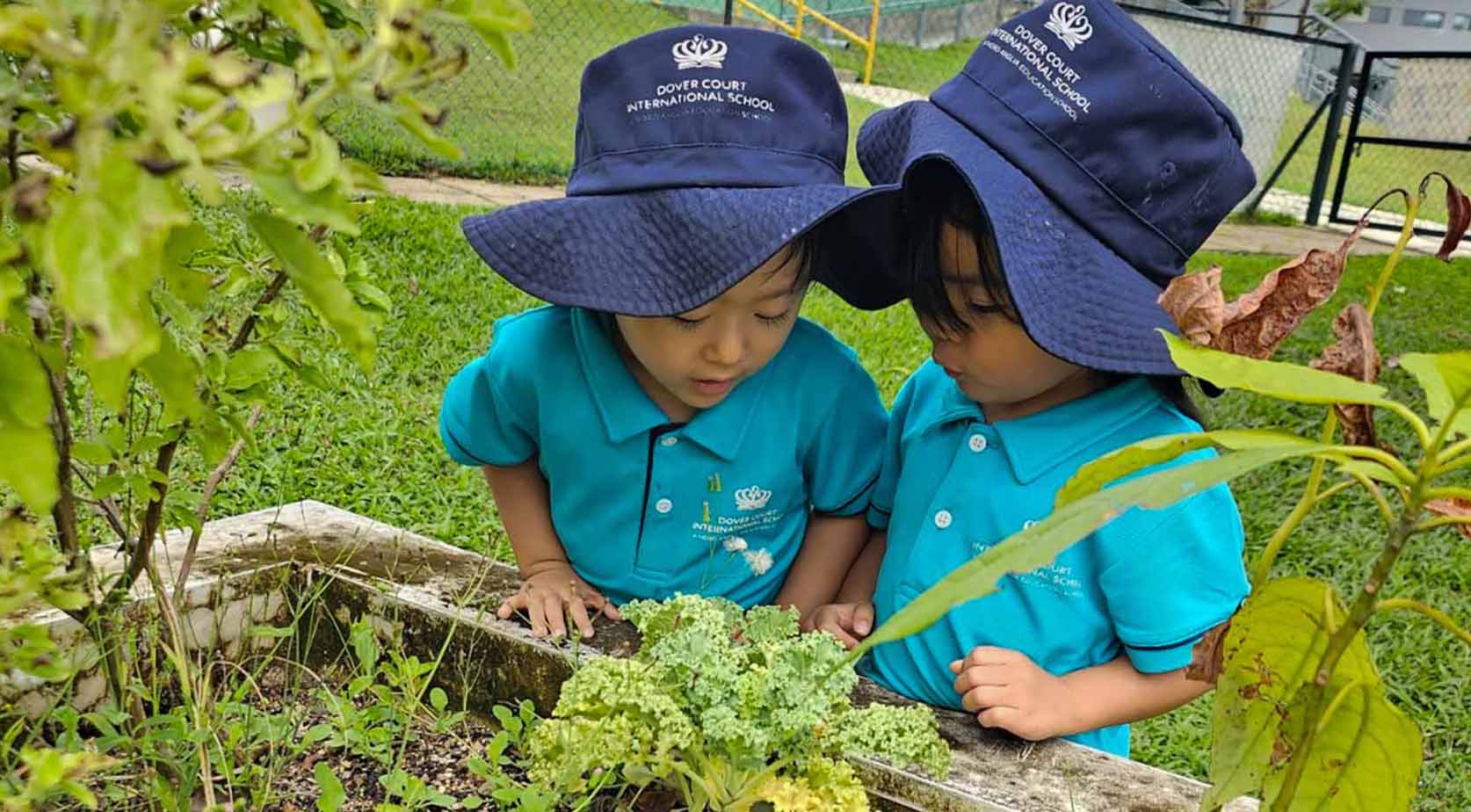
 Early Years Learning in Action: How Nature Sparks Curiosity at Dover Court
Curiosity is growing in our Early Years garden! Our Nursery children have been looking after their own garden — planting, watering and noticing each new sprout with joy. Discover how hands-on exploration shapes confident, capable learners at Dover Court.
News image ![Early Years at Dover Court A Place to Belong Explore - Early Years at Dover Court A Place to Belong Explore and Grow]() Blog
Blog
 Blog
Blog Early Years at Dover Court: A Place to Belong, Explore and Grow
Early Childhood Education at Dover Court International School offers a warm and welcoming environment where young children can build confidence, explore through play, and develop a strong sense of identity. Guided by caring educators, each child's unique interests are nurtured through meaningful experiences that ignite curiosity, creativity, and a love of learning. It is a place where children thrive, feeling safe, valued, and confident.
News image ![Dover Court International School Celebrates Triple Win - Dover Court International School Celebrates Triple Win at HoneyKids Singapore Education Awards 2025]() News
News
 News
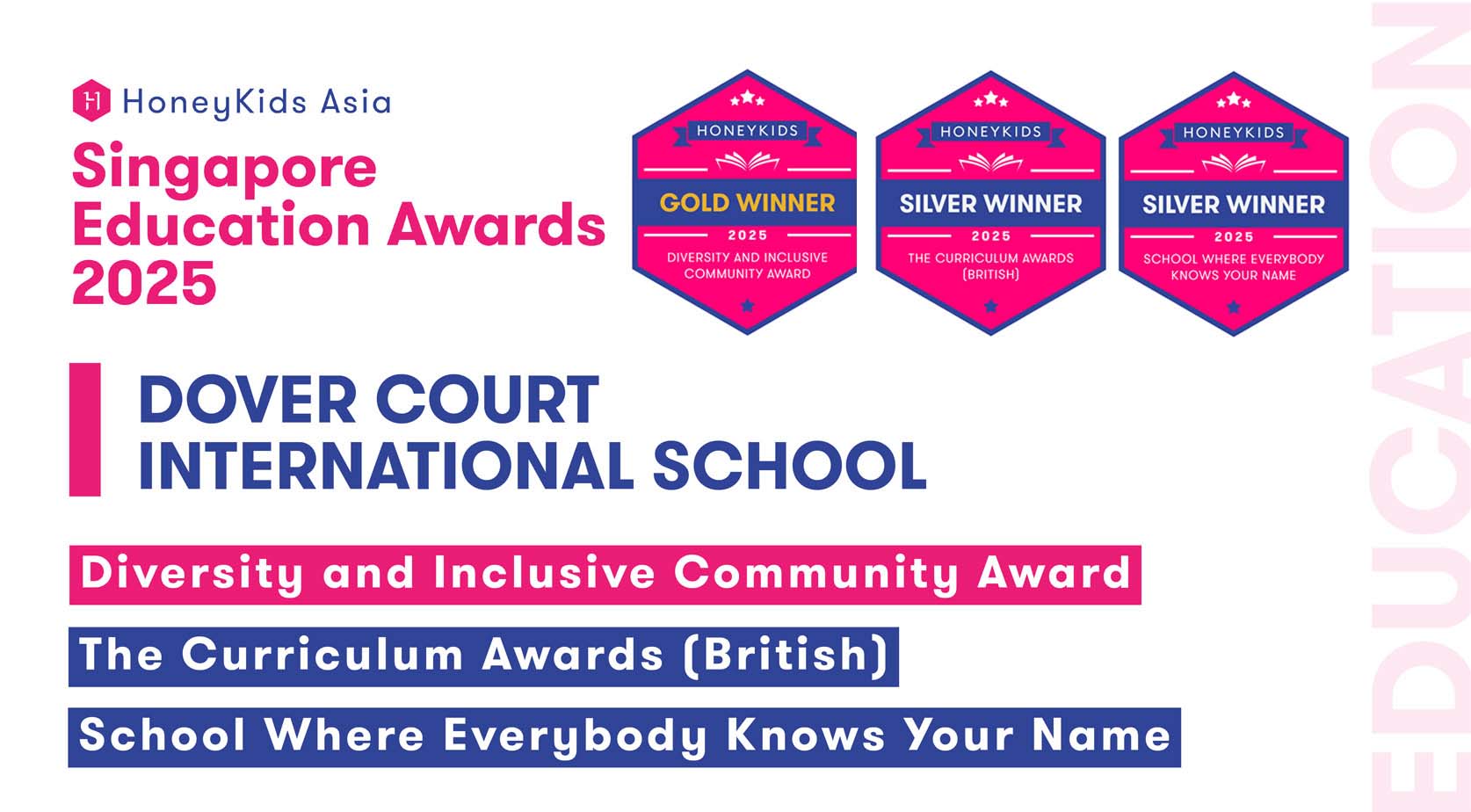
News Dover Court International School Celebrates Triple Win at HoneyKids Singapore Education Awards 2025
We are excited to announce that we have been honoured with three awards at the HoneyKids Singapore Education Awards 2025. These include Gold for the Diversity and Inclusive Community Award, Silver for the Curriculum Award (British), and Silver for School Where Everybody Knows Your Name.


