


We use cookies to improve your online experiences. To learn more and choose your cookies options, please refer to our cookie policy.
11 June, 2026
The Importance of Nasal Breathing for Learning, Communication and Wellbeing
Written by Debora Marchini da Costa
Speech and Language Therapist, Dover Court International School
Breathing is something we often take for granted, yet how a child breathes can significantly impact their learning, communication, and overall development. For children in particular, nasal breathing plays a crucial role in supporting attention, speech, sleep, and emotional wellbeing.
As Speech and Language Therapists, we frequently observe that breathing patterns can influence multiple areas of a child’s functioning, both in and out of the classroom. Understanding the importance of nasal breathing can help parents and educators better support children’s development.
Why is Nasal Breathing So Important?
Breathing through the nose is the body’s natural and most efficient way of breathing. The nose plays a key role in filtering, warming and humidifying the air, supporting optimal oxygen delivery to the brain and body.
In contrast, habitual mouth breathing may affect several areas of development.
Impact on Learning and Attention
Research suggests that nasal breathing supports:
- Improved oxygenation of the brain, which is essential for concentration and cognitive processing
- Better sustained attention and focus in the classroom
- Increased mental clarity and alertness
Children who predominantly breathe through their mouths may appear more fatigued, distracted, or may have difficulty maintaining attention during tasks.
Impact on Speech and Language Development
Nasal breathing is closely linked to oral posture and muscle function, which are essential for speech. When a child is mouth breathing, we may observe:
- Low tongue posture, with the tongue resting on the floor of the mouth rather than on the palate
- Reduced oral muscle tone
- Differences in speech sound production (articulation)
- Less efficient coordination of breathing and speaking
Optimal tongue placement, resting against the palate, supports clearer speech and overall oral development.
Impact on Feeding and Oral Development
Nasal breathing also plays an important role in feeding, chewing and swallowing. When a child is breathing through their mouth, it can be more challenging to coordinate breathing with eating. This may impact:
- Chewing efficiency, as the mouth may remain open for breathing rather than closed for eating
- Lip closure, which is important for managing food and liquids safely
- Tongue function, affecting how food is moved and prepared for swallowing
- Swallowing patterns, which may become less mature or efficient over time
Children who predominantly mouth breathe may also show:
- A preference for softer foods
- Picky eating behaviours
- Fatigue during meals
- Difficulty managing a variety of textures
Optimal nasal breathing supports a more stable oral posture, which is essential for safe, efficient and comfortable feeding.
Impact on Sleep and Energy Levels
Nasal breathing is also essential for quality sleep. Mouth breathing during sleep has been associated with:
- Poor sleep quality
- Increased restlessness
- Daytime fatigue
- Reduced readiness for learning
Well-regulated breathing supports deeper, more restorative sleep, which directly impacts a child’s energy, mood and engagement at school.
Sensory Regulation and Emotional Wellbeing
Breathing plays a key role in nervous system regulation. Nasal breathing helps:
- Promote a calm and regulated state
- Support emotional regulation
- Reduce physiological stress responses
Children who breathe efficiently are often better able to manage transitions, challenges and sensory input.
What Can Parents Look Out For?
- Does your child frequently breathe through their mouth during the day?
- Do they sleep with their mouth open or snore?
- Do they often appear tired, even after a full night’s sleep?
- Do they have difficulty sustaining attention?
How Can We Support Children?
Simple strategies can make a meaningful difference:
- Encouraging nose breathing during rest and quiet activities
- Promoting good posture and oral awareness
- Supporting healthy routines for sleep and hydration
- Seeking professional advice (e.g. ENT specialist, paediatrician, or therapist) if concerns persist
Final Thoughts
Nasal breathing may seem like a small detail, but it plays a foundational role in a child’s development. From supporting speech and language to enhancing attention, learning, feeding, sleep and emotional regulation, healthy breathing patterns are key to a child’s overall wellbeing.
At Dover Court, we take a holistic approach to wellbeing and learning. Alongside their classroom teachers, children are supported by a dedicated team of specialists. Alongside their classroom teachers, students benefit from a dedicated team of specialists who work closely together to support individual needs and nurture each child’s strengths. This includes Speech and Language Therapists, who play an important role in helping children develop clear communication skills and the confidence to express themselves.
If you have any concerns about your child’s breathing, communication, or development, the Speech and Language Therapy team at Dover Court International School is always happy to support DCIS families and provide further advice.
References
- American Academy of Paediatrics (2012). Diagnosis and Management of Childhood Obstructive Sleep Apnea Syndrome
- American Speech-Language-Hearing Association (ASHA) Practice Portal
- International Association of Orofacial Myology – Resources on orofacial myofunctional disorders
- Journal of Clinical Sleep Medicine (various studies)
- Sleep Medicine Reviews (various studies)
- Nestor, J. (2020). Breath: The New Science of a Lost Art
Related news
News image ![The Power of Parent Volunteers | Building a Stronger Dover Court Community - The Power of Parent Volunteers Building a Stronger Dover Court Community]() Blog
Blog
 Blog
Blog The Power of Parent Volunteers: Building a Stronger Dover Court Community
Behind many of the events, celebrations and initiatives that enrich life at Dover Court is a dedicated community of parent volunteers. Through the Dover Court Association (DCA), parents help build connections, support students and create meaningful experiences for families across the school. From welcoming new families and organising community events to supporting sustainability projects and student-led initiatives, every contribution helps strengthen our community. Find out how you can get involved and make a difference this year.
News image ![Inclusive Education in Singapore: Strong SEN Support and Academic Excellence at DCIS - inclusive-education-singapore-sen-support-academic-excellence]() Blog | Academic
Blog | Academic
 Blog | Academic
 Why Inclusion Creates Better Outcomes for Every Student
Can an inclusive school also deliver strong academic outcomes and provide appropriate stretch and challenge for students working above age-related expectations? At Dover Court International School, we believe the answer is yes. Inclusion is embedded across every aspect of school life, from teaching and learning to wellbeing, personalised support and enrichment. Through our Pathway 2 provision and whole-school commitment to adaptive teaching, students receive the challenge and support they need to thrive.
News image ![Dover Court Students Achieve 100% Pass Rate Across ASDAN Programmes - Dover Court Students Achieve 100 Pass Rate Across ASDAN Programmes]() News
News
 News
News Dover Court Students Achieve 100% Pass Rate Across ASDAN Programmes
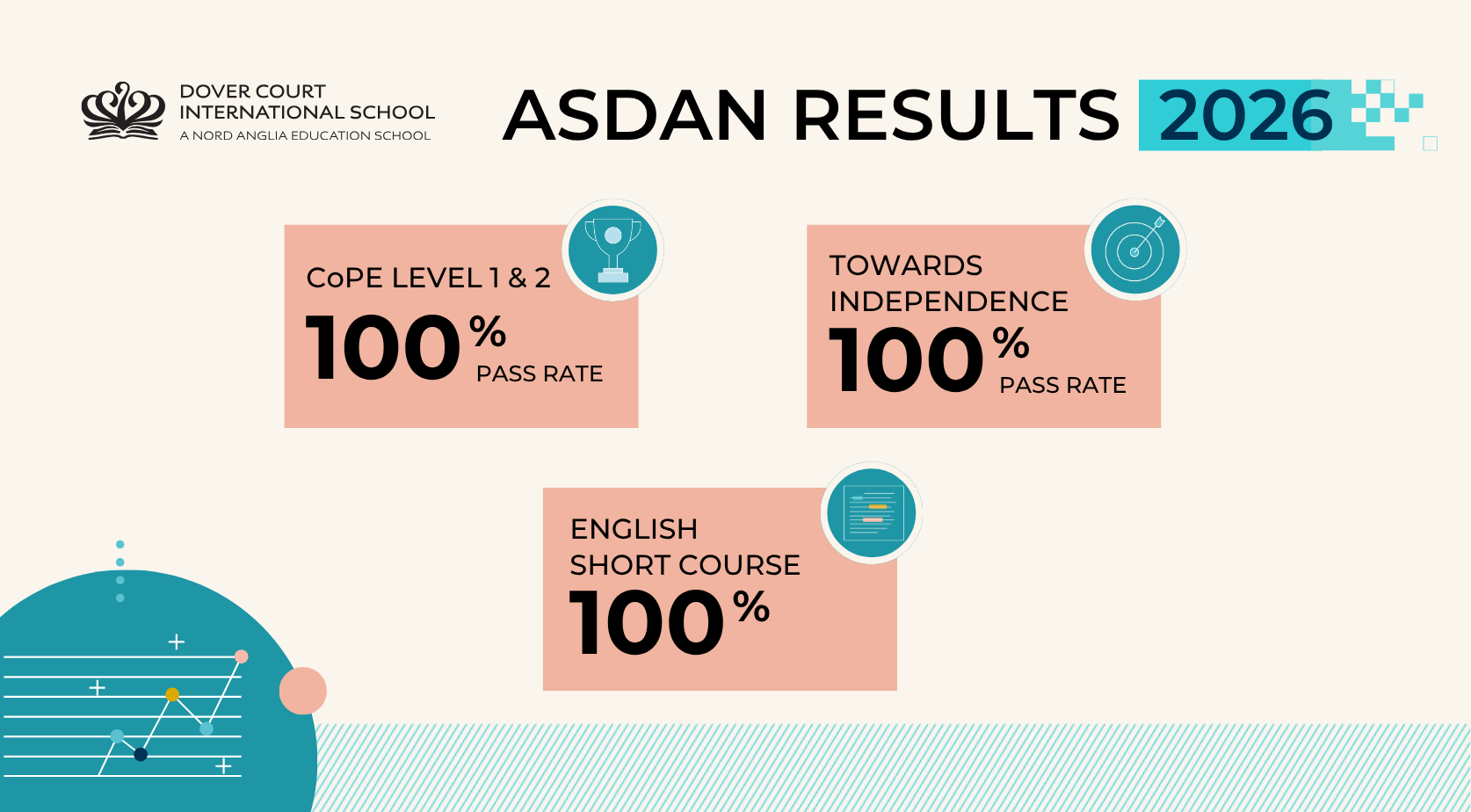
Dover Court International School is celebrating an outstanding 100% pass rate across all ASDAN programmes in the 2025-26 academic year. Students successfully completed the ASDAN Certificate of Personal Effectiveness (CoPE), Towards Independence and English Short Course programmes, developing valuable skills in communication, problem-solving, independence and self-reflection while achieving recognised qualifications.
News image ![Nature as a Classroom: Outdoor Learning in Early Years | Dover Court Singapore - Nature as a Classroom Big Learning from Small Discoveries]() Blog | Early Years | Academic
Blog | Early Years | Academic
 Blog | Early Years | Academic
 Nature as a Classroom: Big Learning from Small Discoveries
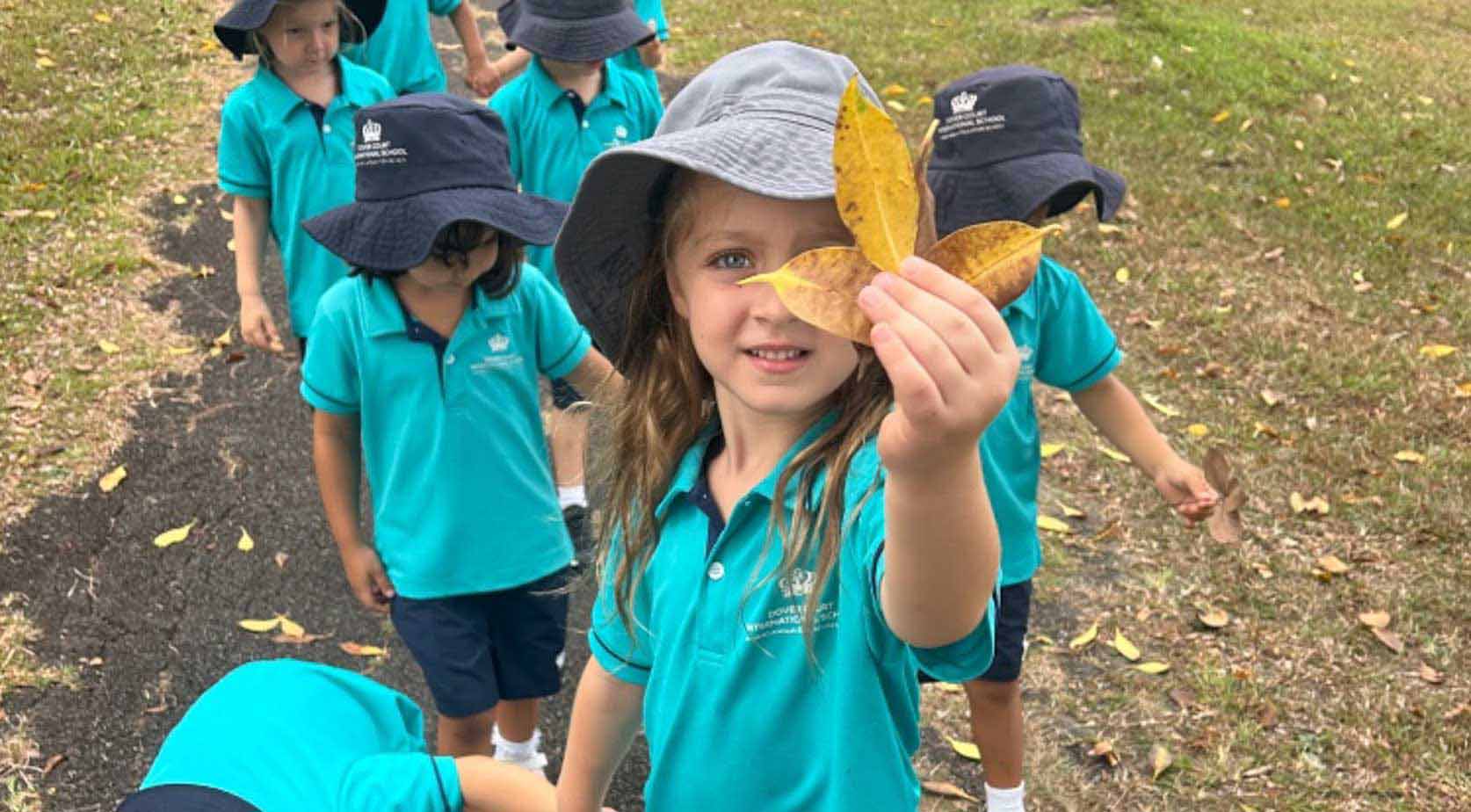
From collecting leaves and seeds in the park to examining natural objects under microscopes and creating artwork with berries, our Early Years children are discovering that nature is full of opportunities for inquiry, creativity and wonder. Read how outdoor learning and NEST (Nurturing Early Success Together), our Early Childhood Education Programme for children from Nursery to Year 2, help children develop curiosity, confidence and a deeper understanding of the world around them.


