Transdisciplinary Approach
Six transdisciplinary topics of global relevance—who we are, where we are in place and time, how we express ourselves, how the world works, how we organise ourselves, and even share the planet—formulate the curriculum. These themes let students investigate areas outside of their disciplines and observe their practical relevance. Students can develop ideas and abilities in many disciplines through this all-encompassing learning process.
Inquiry-Based Learning
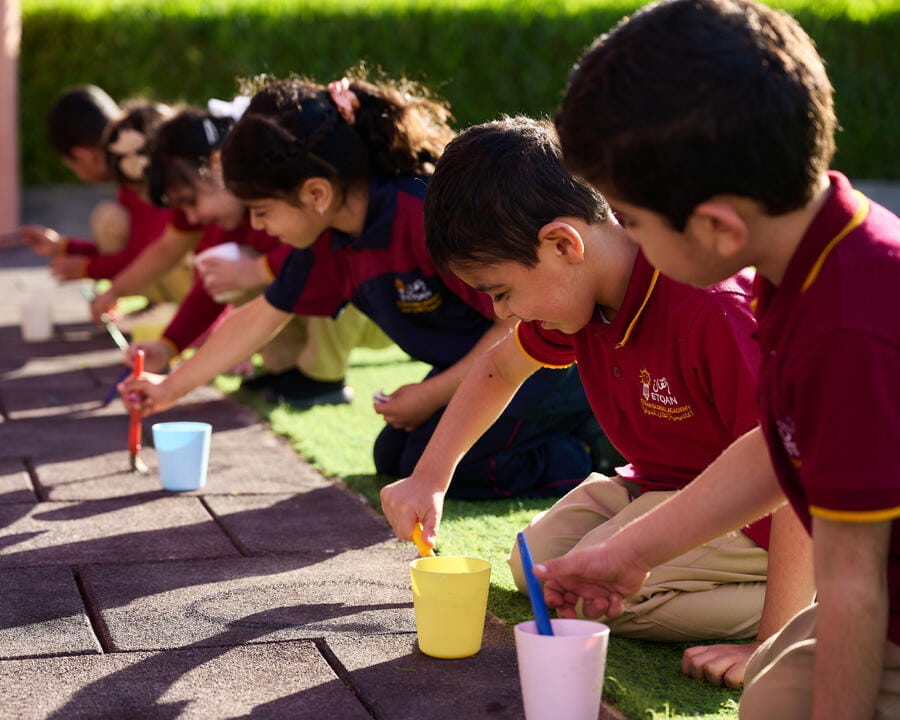
As the name implies, in inquiry-based learning, students work on projects motivated by questions. This method motivates pupils to create reasonable objectives, probe exciting topics, and tenaciously follow their dreams. More profound learning results from investigating fresh ideas, changing hypotheses, and finding new difficulties.
Assessment and Reflection
In the PYP, the assessment includes pre-assessment, formative assessment, and summative assessment.
Pre-assessment determines students’ prior knowledge and skills, while formative assessment informs teaching and learning throughout a unit of inquiry. Summative assessment measures students’ understanding of central ideas and their progress.
Teachers can regularly reflect on the outcomes of assessments and use this information to improve future teaching and learning.
Student portfolios are also used to collect and store evidence of learning, celebrating students’ achievements and progress. They may include samples of work, assessments, and reflections, providing a complete overview of each student’s learning journey.