Start the Conversation Early
Children do better with transitions when they feel informed and involved rather than managed. Talk about your child's new school in the weeks and months before the new term starts, not just in the final few days of summer. Keep it factual and positive without dismissing any worries they raise.
Ask what they are most looking forward to. Ask what they are less sure about. Listen to both without rushing to fix anything. Children who feel heard about their concerns tend to be less anxious when the first day arrives.
Get Familiar with the School Before Day One
One of the biggest sources of first-day anxiety for children is the simple unknown. What does the school look like? Where do they go? Who will be there?
Most international schools make information available online over the summer, including virtual tours, key dates, timetable details, and practical guides for new families. It is worth spending time with your child going through this together so the school feels a little less unfamiliar before they walk through the door. Nord Anglia International School Rotterdam has a dedicated Back to School page for new families with exactly this kind of information.
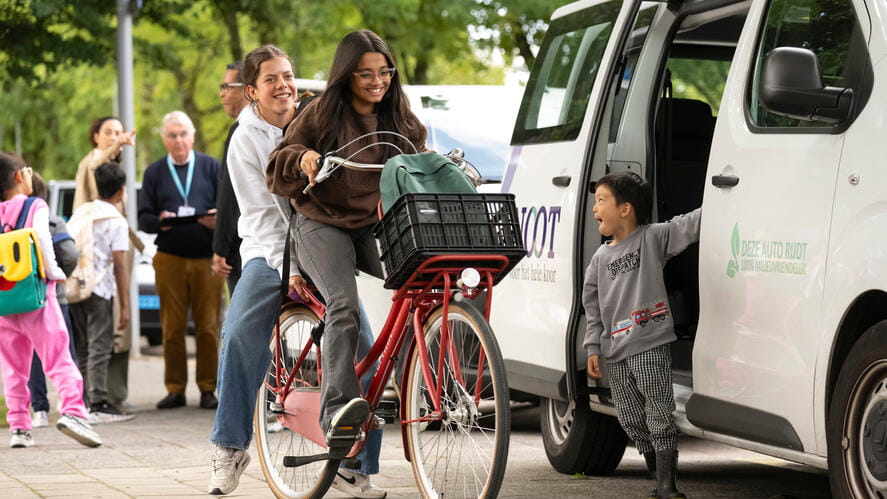
If you live within cycling distance, a practice run of the morning route is worth doing before term starts. Children who know exactly how they are getting to school, and how long it takes, already feel more settled on day one.
Build the Routine Before September
The shift from summer freedom to school structure is jarring for most children. Reintroducing a school-day routine two weeks before term starts gives children time to adjust gradually rather than overnight.
Earlier bedtimes, regular mealtimes, and a consistent morning routine all help. Research consistently shows that sleep is one of the most significant factors in a child's ability to manage new situations and regulate emotions. A tired child finds transitions harder in every respect.
If your child has been in a different time zone over the summer, allow extra adjustment time and start the routine shift earlier than you think you need to.
Let Them Pack Their Own Bag
It sounds small, but giving children agency over small details of their school preparation builds a sense of ownership and readiness. Let them choose their stationery. Involve them in sorting their supplies. Ask their opinion on what to have for breakfast on the first morning.
Control over the small things matters when the big things feel overwhelming.
Make a Dutch Connection Before School Starts
One of the most valuable things expat families in Rotterdam can do is connect children with Dutch life outside school before term begins. It is a simple step that makes a real difference.
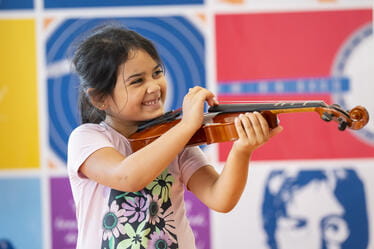
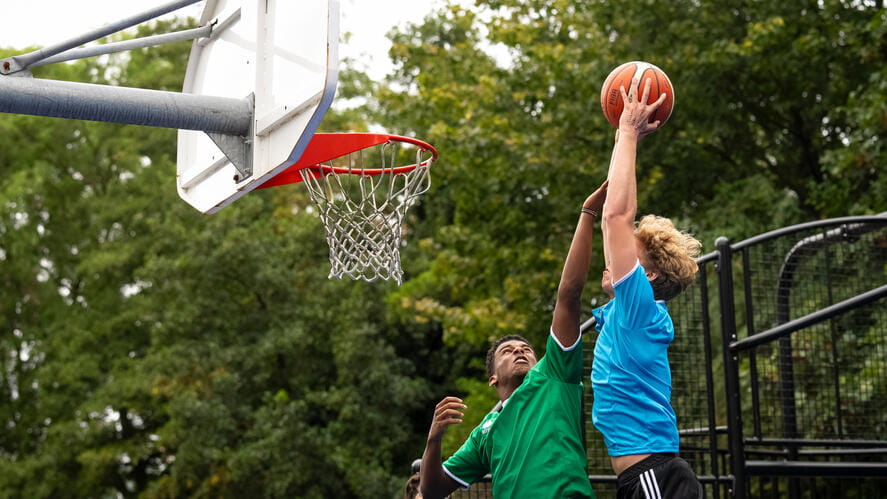
Signing up for a local sports club, a swimming team, or a music group over the summer gives children a social anchor in the city that exists independently of school. They arrive in September already knowing someone in Rotterdam. That helps to create a sense of belonging.
Rotterdam has excellent junior sports provision across football, hockey, gymnastics, swimming, and tennis. Most clubs welcome international children warmly and coaching is often available in English as well as Dutch.
Know the Signs That Your Child Is Struggling
Most children settle well within the first half-term. But some take longer, and it is worth knowing what to look for.
• Reluctance to go to school after the first week or two, beyond the initial nerves.
• Significant changes in sleep, appetite, or mood that persist beyond the first few days.
• A reluctance to talk about school at all, combined with withdrawal at home.
• Complaints about feeling excluded or not having anyone to sit with.
None of these are automatic causes for alarm, but they are signals worth taking seriously. Good international schools have experienced pastoral teams for exactly this reason. Early communication with the school is always better than waiting.
For Parents: Take Care of Yourself Too
The back-to-school transition is not only challenging for children. Parents who have relocated feel it too. The combination of a new city, a new social environment, and the emotional labour of supporting children through their own adjustment is tiring.
International school parent communities tend to be warm and welcoming, especially since most families in them have been the new arrival themselves at some point. Do not wait to be introduced. At NAISR, the Back2School coffee morning in August is one of the best early steps you can take to connect informally with other parents, and well worth an hour of your morning before term begins.
Most international schools also have some version of a class contact system, a parent volunteer in each year group who helps new families feel included and connected. These informal networks are very handy, both for practical questions and for gaining a sense of belonging.
The connections made in those first weeks tend to be some of the most long-lasting, built on the shared experience of being new somewhere together.