By Charles Pflanz
Theory of Knowledge
CL Lead Individuals and Societies
An IB Perspective from Northbridge International School Cambodia (NISC)
In an increasingly interconnected yet fragile world, language learning has never been more important. At NISC, we believe that languages are not simply tools for communication—they are powerful frameworks that shape how we think, interpret, and engage with the world around us.
Language as a Foundation of Knowledge
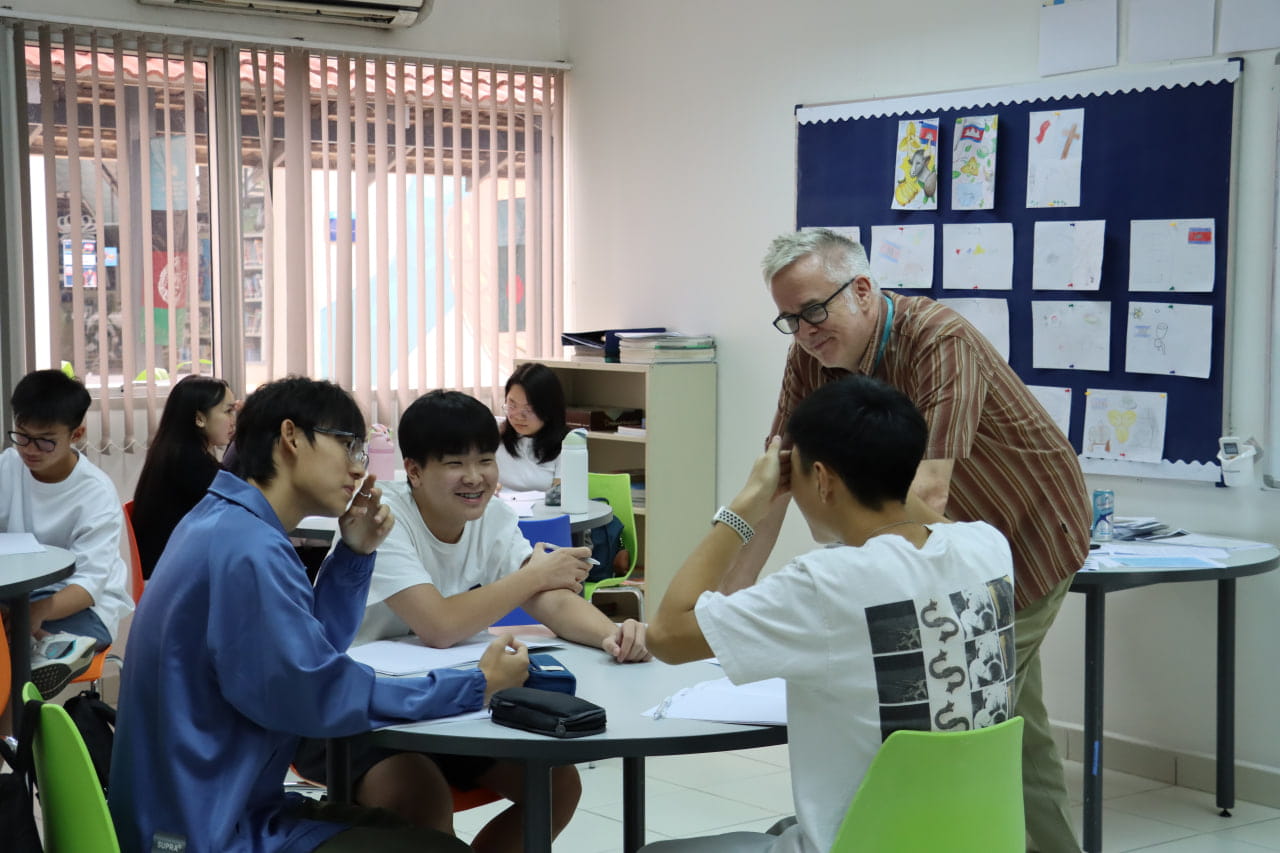
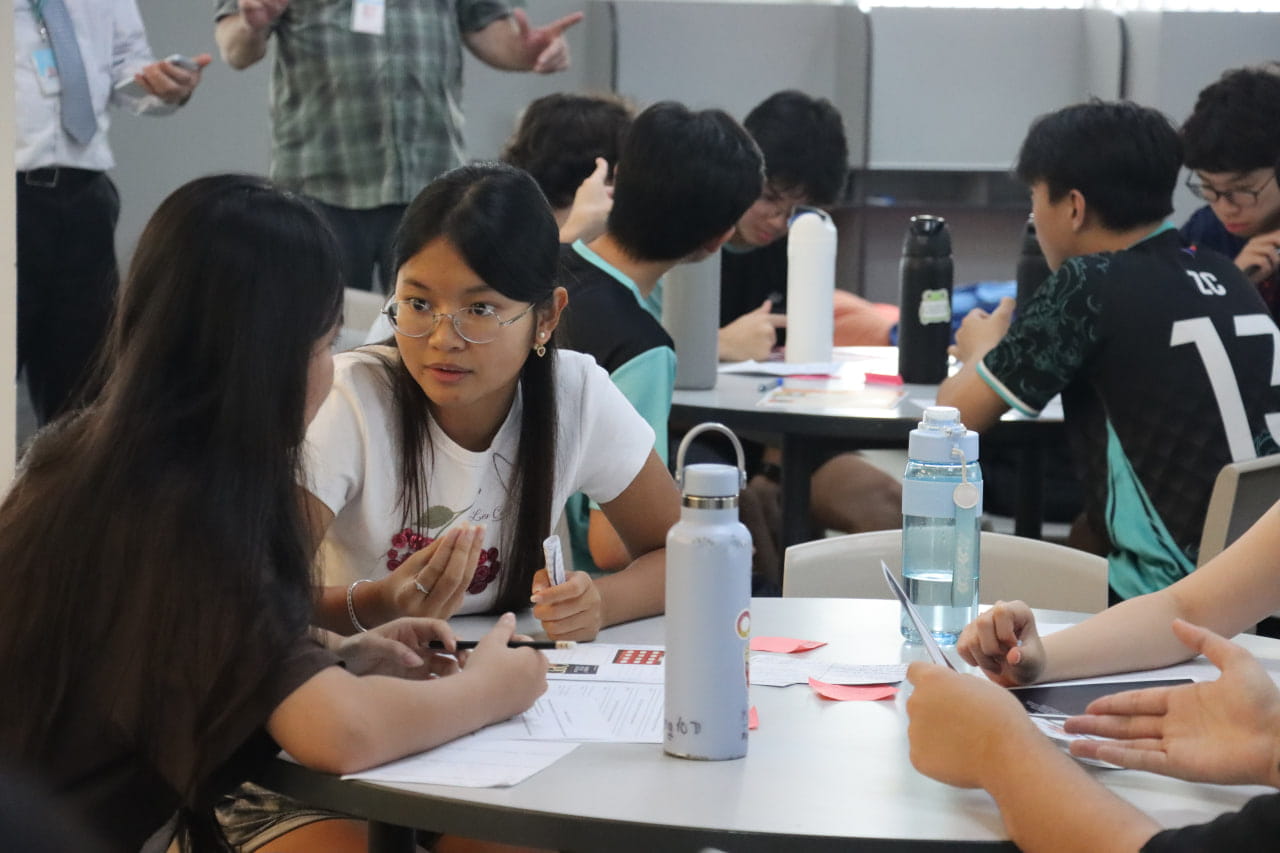
Within the IB Theory of Knowledge (TOK) classroom, students explore how knowledge itself is constructed—often through language. Our NISC TOK curriculum includes a dedicated unit on Knowledge and Language, where students critically examine how linguistic structures influence understanding and, at times, limit perspective.
Through this lens, language becomes more than vocabulary and grammar; it is central to how we define truth, certainty, and meaning.
Building Global Perspectives Through Multilingualism
Learning additional languages opens the door to new ways of thinking. Students begin to recognise that meaning shifts across cultures, and that certain words or concepts are deeply rooted in specific cultural contexts—sometimes even untranslatable.
This process nurtures:
Empathy across cultures
Open-mindedness and curiosity
Critical thinking and perspective-taking
At NISC, these skills extend far beyond TOK. They enrich learning across the IB continuum—PYP, MYP, and DP—including subjects such as Economics, Humanities, and the Arts. Language learning empowers students to challenge assumptions and explore multiple viewpoints with confidence.
Language Learning Beyond the Classroom
The benefits of language acquisition also extend into everyday life. As students develop multilingual fluency, they become more discerning users of translation tools, understanding nuance rather than relying on literal, word-for-word interpretations.
There are also well-documented cognitive benefits. Language learning helps to:
Strengthen memory and mental agility
Enhance problem-solving skills
Support lifelong brain health
In essence, each new language is an investment in both intellectual growth and global awareness.
A Multilingual Community at Northbridge
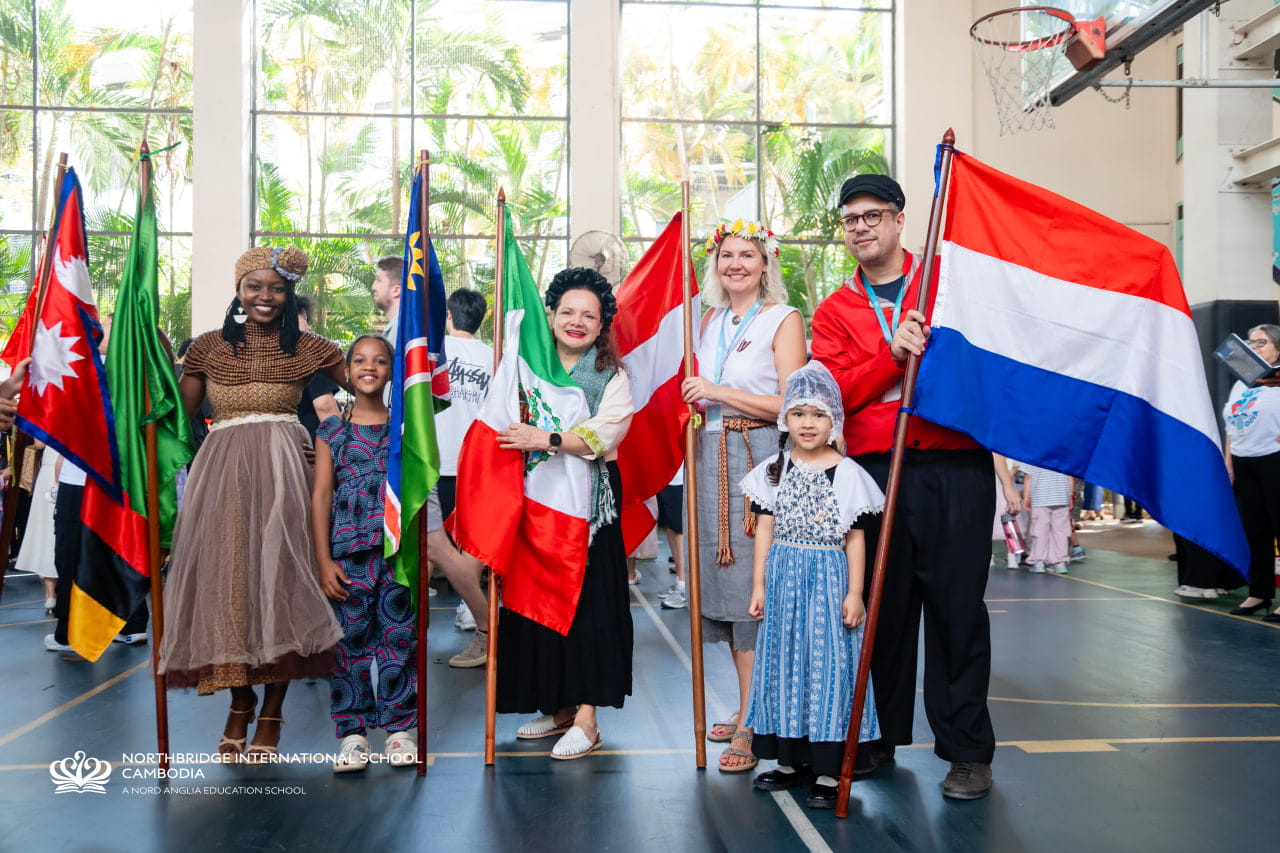
At Northbridge, our diverse language programme reflects our commitment to global citizenship. Students can explore a wide range of languages, including:
Khmer, English, French, Japanese, Korean, Mandarin, and Spanish
This breadth of choice enables students to connect meaningfully with different cultures while strengthening their identity as internationally minded learners.
Language Learning as a Pathway to Global Responsibility
Ultimately, language learning is about connection—connection to people, ideas, and the shared challenges facing our planet. It fosters the understanding needed to collaborate across cultures and contribute positively to a rapidly evolving world.
As an ancient Navajo proverb reminds us:
“We do not inherit the Earth from our parents; we borrow it from our children.”
At NISC, we believe that multilingualism plays a vital role in preparing students not only for academic success, but for responsible, compassionate global citizenship.