


We use cookies to improve your online experiences. To learn more and choose your cookies options, please refer to our cookie policy.
30 March, 2026
What it looks like when students take learning seriously
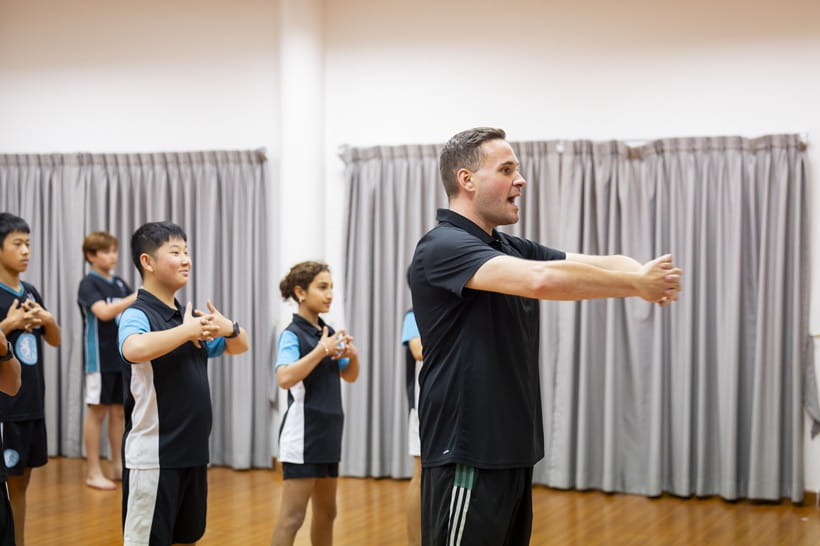
A quiet classroom can reflect productivity, a busy classroom can reflect engagement, but neither one will give you a clear picture of the depth of learning.
Depth of learning is evident in how students think, respond to challenge, and take responsibility for their work over time.
At Regents International School Pattaya, consistently strong standards are visible in the daily habits of students and the intentional actions of teachers. They shape how learning feels, how students behave, and how progress is made.
What serious learning looks like in practice
In classrooms where learning expectations are clearly defined and consistently applied, students behave differently.
They arrive prepared, settle quickly, and treat time as something valuable. Lessons begin with purpose, and students understand that every session is an opportunity to grow.
Dale Jackson, Head of Secondary, describes this clearly.
“Students show they take learning seriously through visible habits of scholarship, active engagement and hard work. There is a clear sense that learning matters and that every lesson is an opportunity to get better.”
Students are not passive. They listen carefully, contribute thoughtfully, and engage with questioning. They aim to understand ideas, not just complete tasks.
This creates a classroom culture where effort, focus, and intellectual ambition are both expected and respected.
A culture where challenge is normal
At Regents Pattaya, challenge is not something to avoid. It is part of everyday learning. Students are encouraged to push beyond the basics, explore ideas in depth, and take pride in meeting ambitious goals.
“Students respond positively to challenge. Being stretched is normal here, and students enjoy the experience of being pushed to think more deeply,” adds Dale.
Mistakes are treated as part of the process. Students are expected to rethink, refine, and improve their work. This helps build resilience and a mindset where progress comes through sustained effort.
Over time, students become more confident in tackling complex tasks. Challenge is not only familiar, but something students actively embrace.
Making expectations clear and visible
Students can only meet expectations when they understand them fully.
Dale Jackson, Head of Secondary, explains:
“Teachers make expectations explicit through modelling, worked examples and clear success criteria, so students understand exactly what high-quality work looks like.”
Nothing is left to guesswork. Teachers break down tasks step by step, ensuring that students know how to approach them and what is required for success.
This clarity allows students to take ownership of their work. They are able to check their progress, refine their responses, and improve the quality of their thinking.
Teaching that stretches and supports
Strong academic learning is not about making work harder, but about giving it purpose. Students are encouraged to stretch themselves and engage with challenge in a meaningful way.
Teachers design lessons that require students to think carefully, analyse ideas, and explain their reasoning. Questioning plays an important role, encouraging students to justify their answers and refine their thinking.
At the same time, support is carefully structured.
“High standards are always paired with strong support so every student can succeed.”
Teachers model complex ideas, guide students through examples, and provide opportunities for practice before expecting independent work. Support is adapted where needed, without lowering expectations.
This balance ensures that all students can access the learning while still being challenged to improve.
Feedback that drives improvement
Feedback is central in maintaining clear standards and supporting ongoing growth.
Teachers provide clear, specific guidance on what students have done well and how they can improve further. This feedback is often given during the lesson, allowing students to act on it immediately.
“Feedback is developmental. Students are encouraged to reflect, refine and redraft their work so that improvement becomes a normal part of learning.”
Students are expected to respond to feedback, improving their work and deepening their understanding. This process reinforces the idea that learning is ongoing and that quality improves through effort.
Building habits that last beyond the classroom
Ongoing development extends beyond individual lessons.
Students are expected to complete follow-up work, consolidate their learning, and develop independent study habits. They organise their work carefully, sustain concentration, and take responsibility for meeting deadlines beyond the classroom.
Over time, these habits become part of how students approach learning more broadly.
“Learning is not passive. Students think critically, challenge ideas respectfully and take responsibility for their progress.”
This prepares students not only for academic success, but also for the demands of future study.
High standards as a foundation for real learning
High expectations do not mean high pressure. They are about clarity, consistency, and belief in the unlimited potential of every child.
At Regents International School Pattaya, these student expectations are built into every part of classroom practice, from how lessons are structured to how students respond to challenge and feedback.
For parents, this provides a clear answer to an important question. Strong learning is not defined by appearances, but by the depth of thinking, the quality of work, and the habits students develop over time.
Parents who would like to see how high expectations shape learning in practice are always welcome to speak with the academic team and explore how these principles are applied across the school.
Related news
News image ![Future Ready Education: The 6Cs at Regents International School Pattaya - future-ready-learning-6cs-regents-pattaya]() Blog | Outstanding Learning | Choosing A School
Blog | Outstanding Learning | Choosing A School
 Blog | Outstanding Learning | Choosing A School
 Future-ready starts here: How Regents Pattaya develops the skills that matter most
Discover how Regents International School Pattaya develops curious, creative, critical, collaborative, compassionate and committed learners through its future-ready 6Cs framework.
News image ![How Regents Builds Strong Literacy Foundations in Early Years | Regents Pattaya - early-years-literacy-foundations-regents-pattaya]() Blog | Early Years | Choosing A School
Blog | Early Years | Choosing A School
 Blog | Early Years | Choosing A School
 Building strong literacy foundations in Early Years
Discover how Regents International School Pattaya develops confident readers, writers and communicators through personalised learning, Monster Phonics, a carefully curated reading spine, Forest School and the Curiosity Approach.
News image ![How Multilingual Learners Thrive at Regents International School Pattaya - multilingual-learners-thrive-regents-pattaya]() Blog | Choosing A School
Blog | Choosing A School
.jpg?h=534&iar=0&w=800&rev=15c7ae9292074fcd8be922c7c6b250f0&hash=8157C9BF87A40B8C363698386D67C020) Blog | Choosing A School
Blog | Choosing A School How multilingual learners thrive at Regents International School Pattaya
Can a child succeed in an international school if English is not their first language? Discover how Regents International School Pattaya supports multilingual learners to thrive academically and confidently.
News image ![Little Explorers Holiday Camp | Ages 1–6 | Regents International School Pattaya - little-explorers-holiday-camp-pattaya]() News | Early Years | Choosing A School
News | Early Years | Choosing A School
 News | Early Years | Choosing A School
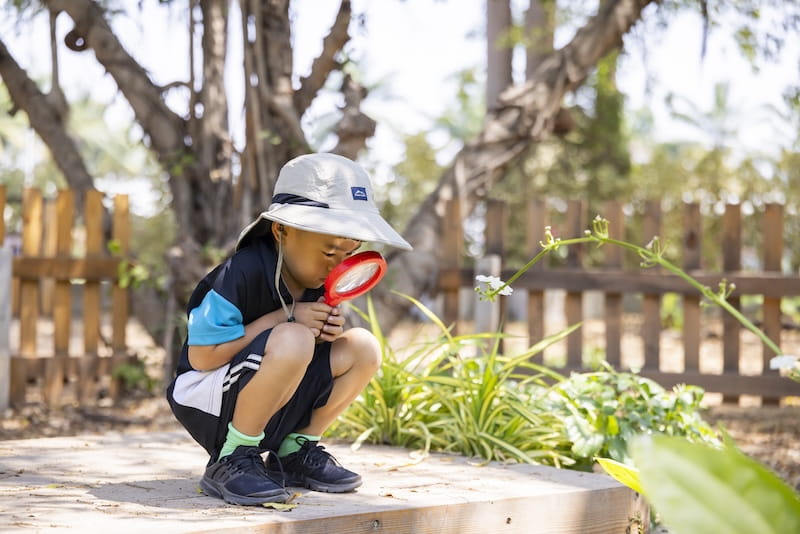
 Little Explorers Holiday Camp: A week of adventure, discovery and fun for children aged 1–6
Join the Little Explorers Holiday Camp at Regents International School Pattaya. A fun-filled week of Forest School adventures, STEAM, baking, creative play and exciting visitors for children aged 1–6.


