


We use cookies to improve your online experiences. To learn more and choose your cookies options, please refer to our cookie policy.
31 March, 2026
How schools help students grow into confident, independent young adults

One of the most important outcomes of education is not just what students know, but who they become.
Alongside academic progress, independence, responsibility, and confidence develop over time. These qualities shape how students approach challenges, make decisions, and prepare for life beyond school.
At Regents International School Pattaya, independence does not suddenly develop in their final years. It is built gradually, through daily classroom practice, wider opportunities, and a clear progression of responsibility as students grow.
Building responsibility through everyday learning
Independence begins in the classroom.
At Regents Pattaya, teachers create a culture where students are expected to take responsibility for their learning from an early stage. This is not treated as an abstract idea, but as something developed through daily habits.
Dale Jackson, Head of Secondary, explains how this is established.
“Students are taught that learning is not something that is simply delivered to them. They are expected to engage actively, think carefully and take ownership of their progress.”
Clear routines and expectations help reinforce this. Students are expected to arrive prepared, manage their time effectively, and take pride in the quality of their work.
Over time, responsibility becomes part of how students approach learning, rather than something they are reminded of occasionally.
Developing independence through feedback and reflection
A key part of becoming an independent learner is understanding how to improve.
At Regents Pattaya, feedback is used as a tool to develop self-awareness and independence. Students are guided to reflect on their work, identify areas for improvement, and take action to refine their thinking.
“Feedback helps students understand what is strong, what needs to improve and what their next steps should be, building independence over time,” Dale explains.
This process encourages students to take ownership of their learning. They begin to evaluate their own work, ask purposeful questions, and develop the ability to manage their progress more independently.
As these habits develop, students gain confidence in their ability to learn without constant direction.
Creating opportunities to build confidence
Independence is strengthened through experience.
At Regents Pattaya, students are given a wide range of opportunities to develop confidence both inside and beyond the classroom. These experiences allow them to apply their learning, take on responsibility, and build self-belief.
Dale Jackson highlights how this is supported.
“Students develop confidence when they experience challenge, receive support and realise they can achieve more than they first thought possible.”
Within lessons, students engage in challenging work, deliberate practice, and structured feedback. This helps them build competence and confidence in their abilities.
Beyond the classroom, opportunities such as leadership roles, house activities, expeditions and co-curricular programmes allow students to develop independence in different contexts.
Through these experiences, students learn to make decisions, manage challenges, and take ownership of their contributions. Whether leading a team, navigating unfamiliar environments, or committing to a shared goal, they begin to understand what it means to be accountable to others as well as to themselves.
These experiences encourage students to take initiative, work collaboratively, and contribute to the school community.
A structured pathway towards independence
Developing independence is a gradual process.
At Regents Pattaya, expectations and responsibilities increase as students move through the school. Teachers provide guidance in the early years, helping students build the habits that support learning.
As students mature, this guidance shifts towards coaching.
“Teachers gradually move from directing learning to coaching students, helping them manage their own progress and make decisions about their learning.”
Students begin to take greater responsibility for managing deadlines, reflecting on their work, and planning their next steps.
This progression ensures that independence develops naturally, supported by consistent expectations and strong relationships.
Preparing students for life beyond school
In the later years of school, independence becomes even more important.
Students are supported in making decisions about their academic pathways, whether through A Levels or the IB Diploma Programme. They are guided through university applications and encouraged to take ownership of their future plans.
Experiences such as extended research, leadership opportunities, and global collaborations further support this development.
“By the time students leave school, they are confident, independent young adults who take responsibility for their learning and are prepared for the next stage of their lives” explains Dale.
These skills extend beyond academic success. They prepare students to adapt, think independently, and manage the challenges they will encounter in university and beyond.
Independence that supports long-term success
Independence is built through consistent expectations, meaningful opportunities, and careful guidance over time.
At Regents International School Pattaya, this process is embedded across the school, helping students grow into confident, capable individuals.
For parents, this provides reassurance that their child is not only progressing academically, but also developing the independence and resilience needed for the future.
Parents who would like to learn more about how Regents Pattaya supports student development are always welcome to speak with the academic team and explore how independence is built across the school.
Related news
News image ![Future Ready Education: The 6Cs at Regents International School Pattaya - future-ready-learning-6cs-regents-pattaya]() Blog | Outstanding Learning | Choosing A School
Blog | Outstanding Learning | Choosing A School
 Blog | Outstanding Learning | Choosing A School
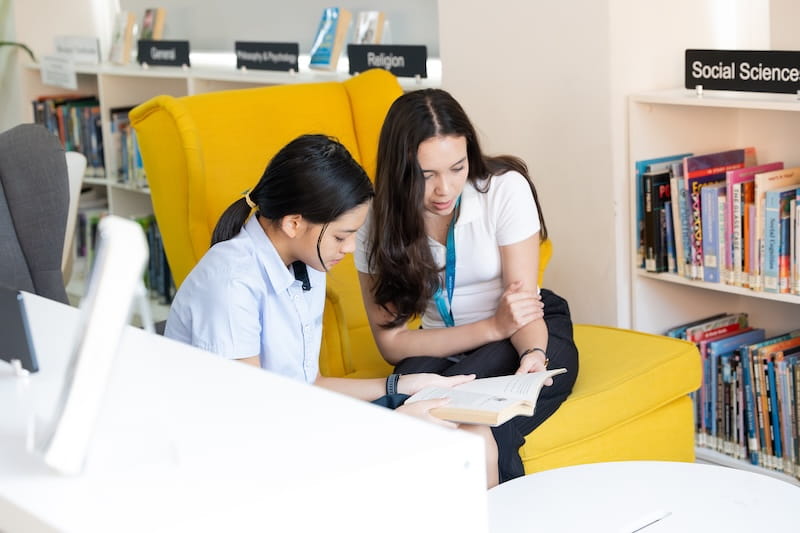
 Future-ready starts here: How Regents Pattaya develops the skills that matter most
Discover how Regents International School Pattaya develops curious, creative, critical, collaborative, compassionate and committed learners through its future-ready 6Cs framework.
News image ![How Regents Builds Strong Literacy Foundations in Early Years | Regents Pattaya - early-years-literacy-foundations-regents-pattaya]() Blog | Early Years | Choosing A School
Blog | Early Years | Choosing A School
 Blog | Early Years | Choosing A School
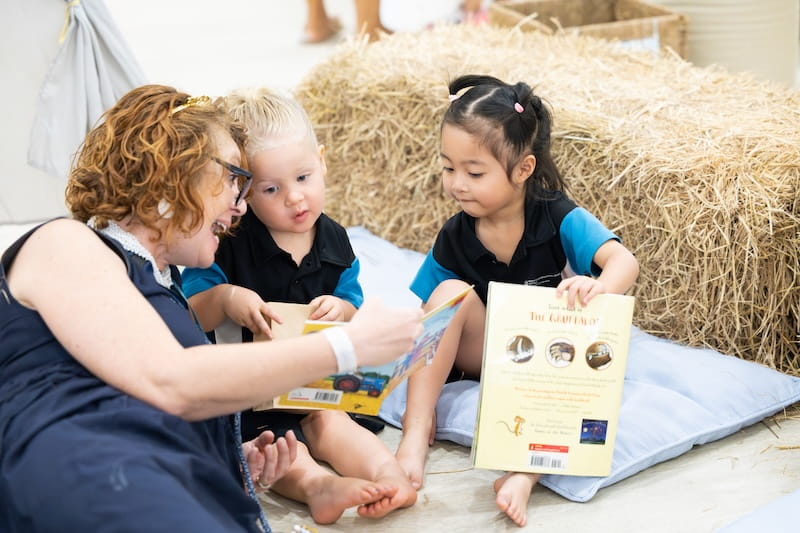
 Building strong literacy foundations in Early Years
Discover how Regents International School Pattaya develops confident readers, writers and communicators through personalised learning, Monster Phonics, a carefully curated reading spine, Forest School and the Curiosity Approach.
News image ![How Multilingual Learners Thrive at Regents International School Pattaya - multilingual-learners-thrive-regents-pattaya]() Blog | Choosing A School
Blog | Choosing A School
.jpg?h=534&iar=0&w=800&rev=15c7ae9292074fcd8be922c7c6b250f0&hash=8157C9BF87A40B8C363698386D67C020) Blog | Choosing A School
Blog | Choosing A School How multilingual learners thrive at Regents International School Pattaya
Can a child succeed in an international school if English is not their first language? Discover how Regents International School Pattaya supports multilingual learners to thrive academically and confidently.
News image ![Little Explorers Holiday Camp | Ages 1–6 | Regents International School Pattaya - little-explorers-holiday-camp-pattaya]() News | Early Years | Choosing A School
News | Early Years | Choosing A School
 News | Early Years | Choosing A School
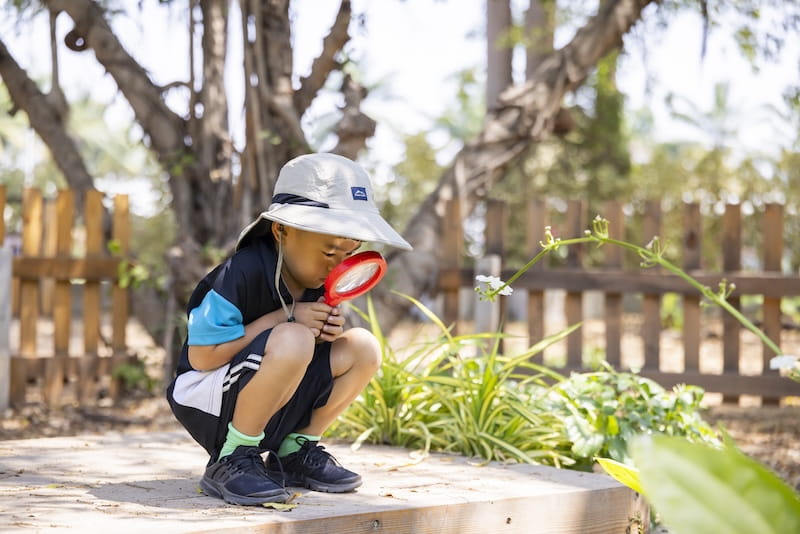
 Little Explorers Holiday Camp: A week of adventure, discovery and fun for children aged 1–6
Join the Little Explorers Holiday Camp at Regents International School Pattaya. A fun-filled week of Forest School adventures, STEAM, baking, creative play and exciting visitors for children aged 1–6.


