


We use cookies to improve your online experiences. To learn more and choose your cookies options, please refer to our cookie policy.
12 June, 2026
Why emotional resilience for children is becoming a core skill
.jpg?h=630&iar=0&w=820&rev=c76c7473b1fa43ca8b880f0b0d4349d1&hash=DD39A4C2A7987E48EAD310846A76C22D)
More parents are recognising the importance of emotional resilience for children. In a world shaped by constant change, increasing academic expectations and growing social pressures, they are looking beyond academic results alone. They want to know whether their child can adapt to challenges, recover from setbacks and approach new situations with confidence. Alongside academic achievement, resilience supports wellbeing, learning and long-term success in life.
Emotional resilience helps children adapt to change, recover from setbacks and continue learning when challenges arise.
Why is emotional resilience important for children today?
Children will inevitably face moments of disappointment, uncertainty and difficulty. Whether they are tackling a challenging piece of work, adapting to a new environment or managing friendship issues, their ability to respond constructively can shape both their confidence and progress.
According to Tamika Daley-Bacchus, Head of Primary at Regents International School Pattaya, resilience has become increasingly important because of the world children are growing up in.
"Children are growing up in a world of constant change and uncertainty. They face increasing academic, social and online pressures. Resilience helps children cope with setbacks, disappointment and change. It enables them to adapt, persevere and maintain a positive outlook."
This ability to persevere is particularly important in education. Children who develop resilience are often more prepared to keep trying when learning becomes difficult, rather than avoiding challenge altogether.
How does resilience affect academic performance?
Some parents view resilience primarily as a wellbeing concept. In reality, it has a direct relationship with learning.
Resilient children are more willing to take risks in their learning. They are often better able to recover from mistakes, respond to feedback and continue working towards their goals. Rather than seeing errors as failure, they learn to view them as part of the learning process.
As Tamika explains: "Resilience helps children view mistakes as opportunities for growth rather than reasons to give up. Children who are emotionally resilient are more likely to persevere when learning becomes challenging."
This connection between emotional development in children and academic progress is significant. When children feel confident enough to attempt difficult tasks, ask questions and learn from feedback, they are more likely to remain engaged and motivated in their studies. Learning is rarely a straight path, and children who can persist after disappointment or adjust their approach when something does not work are often better equipped to make sustained progress over time.
The habits developed during the primary years can also have a lasting influence. The way children learn to approach challenge today may shape how they respond to future opportunities and obstacles.
How do children develop resilience over time?
Building resilience in children does not happen through a single lesson. It develops gradually through everyday experiences, relationships and expectations.
At Regents International School Pattaya, resilience is developed through daily experiences that encourage children to approach challenge with confidence, reflect on setbacks and understand that progress often comes through persistence. Opportunities to lead, perform, compete and contribute give children opportunities to practise these skills in meaningful ways.
Children develop resilience when they are encouraged to see challenge as an opportunity for learning rather than something to avoid. Mistakes are treated as part of the learning journey, while effort, perseverance and improvement are recognised and celebrated.
At Regents Pattaya, resilience is strengthened through a wide range of experiences including leadership opportunities, performances, sporting competitions, residential trips, collaborative projects and daily classroom learning.
What experiences help build resilience?
Resilience skills for students are often strengthened when children are given opportunities to step outside their comfort zones in a supportive environment.
Experiences in sport, performing arts, leadership and enrichment activitiesoften place children in unfamiliar situations where they must manage nerves, respond to setbacks and keep going when outcomes are uncertain.
At the same time, staff model positive coping strategies and work closely with families to support the whole child. This consistency between school and home helps children develop a stronger foundation for managing future challenges.
Why does emotional support matter in education?
Children learn best when they feel safe, connected and valued. Positive relationships and a strong sense of belonging support both child wellbeing and mental health, while also encouraging engagement in learning.
An emotionally supportive school environment does not mean lowering expectations. Rather, it combines high standards with the support children need to meet them. When children feel secure, they are often more willing to take appropriate risks, embrace challenge and continue learning when things become difficult.
As education continues to evolve, helping children cope with challenges is becoming just as important as teaching academic content. Emotional resilience for children provides a foundation that supports learning, confidence and personal growth throughout their school years and beyond.
Key Takeaways
- Emotional resilience for children supports learning, wellbeing and confidence.
- Resilient children are more likely to persevere when learning becomes challenging.
- Resilience develops through repeated experiences of challenge, reflection and growth.
- Opportunities beyond the classroom can help children practise adaptability and perseverance.
- Positive relationships and emotional support help children engage more fully in learning.
For many parents, the question is no longer whether resilience matters, but how schools help children develop it. Understanding a school's approach to wellbeing, learning and personal development can be an important part of families' school selection process.Emotional resilience develops gradually through repeated experiences of challenge, reflection and growth. When children learn how to respond constructively to setbacks, adapt to change and persevere when learning becomes difficult, they develop the confidence, adaptability, and determination needed to thrive both in school and throughout life.
Frequently Asked Questions
What is emotional resilience for children?
Emotional resilience for children is the ability to respond constructively to challenges, setbacks and change while continuing to learn and grow.
Why is emotional resilience important in school?
Resilience helps children persevere when learning becomes difficult, respond positively to feedback and maintain engagement in their studies.
Can emotional resilience affect academic performance?
According to Tamika Daley-Bacchus, resilient children are more willing to take risks in their learning, recover from mistakes and continue working towards their goals.
How can schools help children develop resilience?
Schools can help by creating opportunities for challenge, encouraging reflection, celebrating effort and supporting children through both success and setbacks.
Related news
News image ![Future Ready Education: The 6Cs at Regents International School Pattaya - future-ready-learning-6cs-regents-pattaya]() Blog | Outstanding Learning | Choosing A School
Blog | Outstanding Learning | Choosing A School
 Blog | Outstanding Learning | Choosing A School
 Future-ready starts here: How Regents Pattaya develops the skills that matter most
Discover how Regents International School Pattaya develops curious, creative, critical, collaborative, compassionate and committed learners through its future-ready 6Cs framework.
News image ![How Regents Builds Strong Literacy Foundations in Early Years | Regents Pattaya - early-years-literacy-foundations-regents-pattaya]() Blog | Early Years | Choosing A School
Blog | Early Years | Choosing A School
 Blog | Early Years | Choosing A School
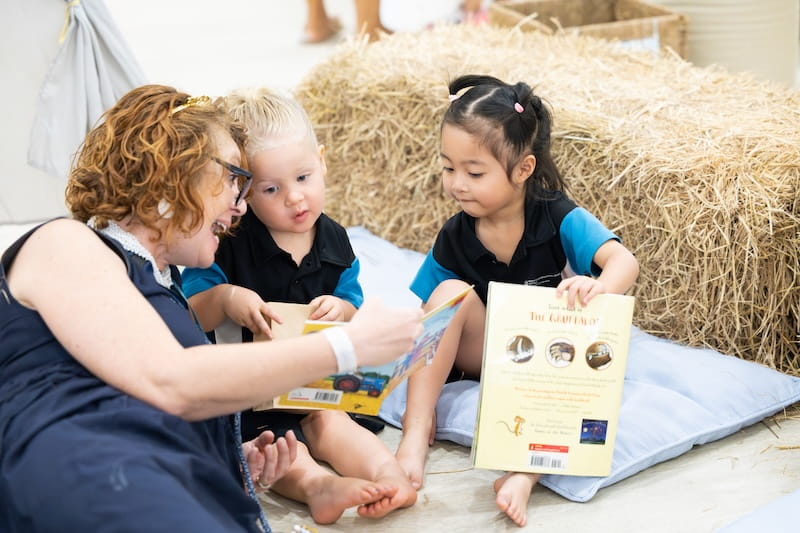
 Building strong literacy foundations in Early Years
Discover how Regents International School Pattaya develops confident readers, writers and communicators through personalised learning, Monster Phonics, a carefully curated reading spine, Forest School and the Curiosity Approach.
News image ![How Multilingual Learners Thrive at Regents International School Pattaya - multilingual-learners-thrive-regents-pattaya]() Blog | Choosing A School
Blog | Choosing A School
.jpg?h=534&iar=0&w=800&rev=15c7ae9292074fcd8be922c7c6b250f0&hash=8157C9BF87A40B8C363698386D67C020) Blog | Choosing A School
Blog | Choosing A School How multilingual learners thrive at Regents International School Pattaya
Can a child succeed in an international school if English is not their first language? Discover how Regents International School Pattaya supports multilingual learners to thrive academically and confidently.
News image ![Little Explorers Holiday Camp | Ages 1–6 | Regents International School Pattaya - little-explorers-holiday-camp-pattaya]() News | Early Years | Choosing A School
News | Early Years | Choosing A School
 News | Early Years | Choosing A School
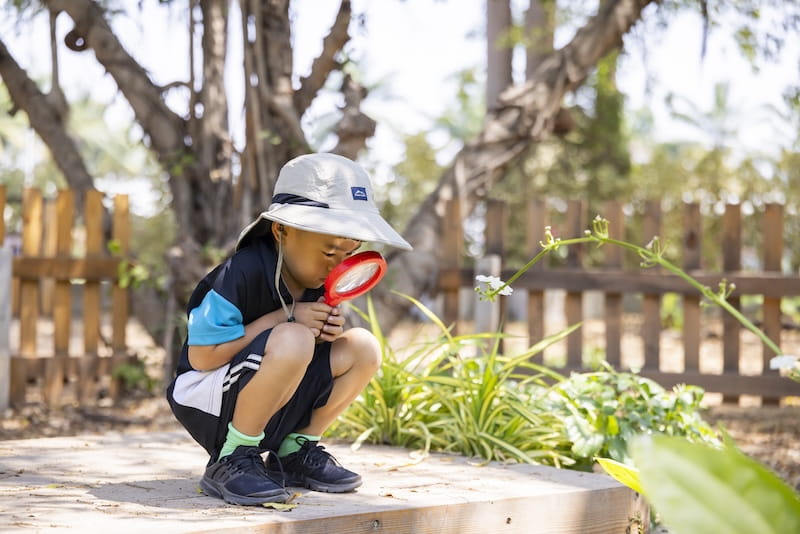
 Little Explorers Holiday Camp: A week of adventure, discovery and fun for children aged 1–6
Join the Little Explorers Holiday Camp at Regents International School Pattaya. A fun-filled week of Forest School adventures, STEAM, baking, creative play and exciting visitors for children aged 1–6.


