


We use cookies to improve your online experiences. To learn more and choose your cookies options, please refer to our cookie policy.
02 July, 2026
Why a sense of belonging in school matters more than ever in international education
/222a6893-(1).jpg?h=547&iar=0&w=820&rev=80e7de88e69149908a06fe6838776877&hash=206FDCA4D2908F81A588AE93201B6671)
A sense of belonging in school helps children feel connected, supported and included within their learning community. In international education, belonging can play an important role in helping students build friendships, participate confidently in school life and engage more fully in learning. At Regents International School Pattaya, belonging is supported through intentional classroom practices, pastoral care and opportunities to connect with the wider school community.
In an international setting, where children learn alongside peers from a wide range of backgrounds and experiences, a sense of belonging in school helps them feel part of a community where they can participate, contribute and grow with confidence.
When children feel connected and secure, they are often more willing to engage in lessons, build friendships and approach challenges positively. A strong sense of belonging provides a foundation that supports both student wellbeing and learning.
Creating that foundation begins long before a child enters the classroom.
How do schools help children develop a sense of belonging?
One common misconception is that friendships develop naturally without much adult support. While friendships often form organically, schools play an important role in creating the conditions that help children connect.
At Regents International School Pattaya, the process starts during the admissions process. Every child meets a member of the leadership team, helping staff gain a better understanding of the individual and make informed decisions about class placement.
As Hannah Naowasuk, Deputy Head of Primary and Designated Safeguarding Lead, explains: “We don’t leave it to chance. From the admissions process, we take time to get to know each child so we can make informed decisions about class placements and support them in settling into school.”
This early understanding helps ensure that children join a class environment where they can build positive relationships from the outset.
Creating opportunities for connection every day
A strong international school community is built through everyday interactions, not occasional events.
Teachers play an active role in helping students get to know one another. Group activities, collaborative learning and shared classroom experiences create regular opportunities for children to work with different classmates and develop confidence in new social situations.
For students joining during the school year, additional support can make a meaningful difference. Buddy systems and Wellbeing Ambassadors help new students navigate their first weeks and establish connections more quickly.
“Teachers are intentional about mixing children and creating opportunities to connect. Buddy systems help new students build friendships and feel part of the class from the outset, particularly when joining mid-year. Our Wellbeing Ambassadors also play an important role by providing peer support and helping students feel welcome within the wider school community,” says Hannah.
Beyond the classroom, trips, clubs and wider school experiences provide further opportunities for friendships to develop naturally. These shared experiences often help children discover common interests and strengthen their sense of connection to the wider school community.
How schools create a culture of belonging
A supportive school environment depends on more than friendships alone. Children need to feel recognised, included and valued within the wider school community.
A sense of belonging is built through everyday experiences across the school day. Classroom interactions, pastoral support, shared activities and opportunities to participate all help children feel connected to school life.
At Regents International School Pattaya, teachers invest time in getting to know their students, while pastoral systems provide an additional layer of support when needed. Clear routines and consistent support help children feel confident in their surroundings, particularly when adapting to a new environment.
Communication between school and home also plays an important role. When parents and teachers work together, children benefit from a consistent support network that helps them feel secure both academically and emotionally.
When children feel that they are valued members of a community, they are often more willing to participate, build relationships and engage fully in learning.
Can a sense of belonging affect learning?
The connection between student wellbeing and academic engagement is often clearer than parents might expect.
When children feel accepted by their peers and trusted by their teachers, they are generally more willing to contribute in class, ask questions and seek help when they need it. Rather than focusing their energy on fitting in socially, they can concentrate on learning.
As Hannah explains, “If children feel like they belong, they’re much more likely to speak up, ask questions and get involved. When they feel safe and settled socially, they can focus on learning rather than worrying about friendships.”
A positive international school experience is therefore about more than academic provision alone. Confidence often develops when children feel secure enough to take risks, make mistakes and persist when learning becomes challenging.
A foundation for learning and growth
Parents understandably want reassurance that their child will be happy, safe and able to achieve their potential. A strong sense of belonging in school supports all three.
At Regents International School Pattaya, systems, relationships and daily classroom practices work together to help children feel known and valued as members of the Regents International School Pattaya school community. When children develop a genuine sense of belonging, they are more likely to participate fully in school life, contribute confidently to their learning and build the relationships that support long-term growth. Belonging is not simply about feeling comfortable. It is about helping children see themselves as valued members of a community where they can thrive.
For families considering the next stage of their child's education, understanding how a school supports belonging can provide valuable insight into the environment in which learning takes place and the foundations that support long-term progress.
Key Takeaways
- A sense of belonging in school helps children feel connected, supported and included.
- Positive peer relationships can help students settle more quickly into school life.
- Teachers, pastoral systems and school-wide support all contribute to belonging.
- Children who feel they belong are often more confident participating in learning.
- A strong school community can support both wellbeing and engagement.
Frequently Asked Questions
What is a sense of belonging in school?
A sense of belonging in school is the feeling that a child is accepted, valued and included within their school community. It helps children feel connected to the people and experiences around them.
Why is a sense of belonging in school important?
A sense of belonging in school helps children feel accepted, valued and connected to their learning community. When children feel that they belong, they are often more willing to participate in class, build positive relationships and engage confidently with learning.
How can schools help children develop a sense of belonging?
Schools can support belonging through positive relationships, opportunities for collaboration, pastoral support and activities that help children connect with their peers and the wider school community.
Can a sense of belonging affect learning?
According to Hannah Naowasuk, Deputy Head of Primary and Designated Safeguarding Lead, children who feel safe and settled socially are often more willing to speak up, ask questions and get involved in learning. When children feel secure and connected, they can focus more fully on learning.
Why does belonging matter in an international school?
International schools often welcome students from a wide range of backgrounds and experiences. A strong sense of belonging can help children feel connected to their new community, build friendships and participate confidently in school life.
Related news
News image ![Future Ready Education: The 6Cs at Regents International School Pattaya - future-ready-learning-6cs-regents-pattaya]() Blog | Outstanding Learning | Choosing A School
Blog | Outstanding Learning | Choosing A School
 Blog | Outstanding Learning | Choosing A School
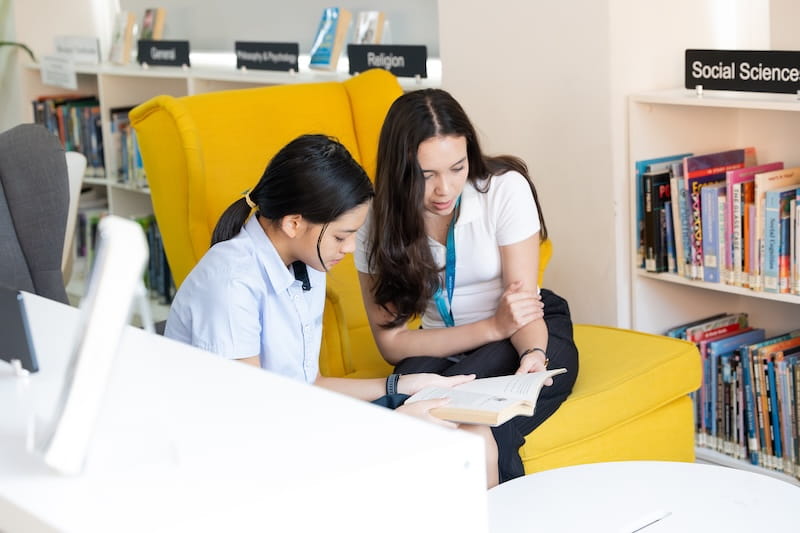
 Future-ready starts here: How Regents Pattaya develops the skills that matter most
Discover how Regents International School Pattaya develops curious, creative, critical, collaborative, compassionate and committed learners through its future-ready 6Cs framework.
News image ![How Regents Builds Strong Literacy Foundations in Early Years | Regents Pattaya - early-years-literacy-foundations-regents-pattaya]() Blog | Early Years | Choosing A School
Blog | Early Years | Choosing A School
 Blog | Early Years | Choosing A School
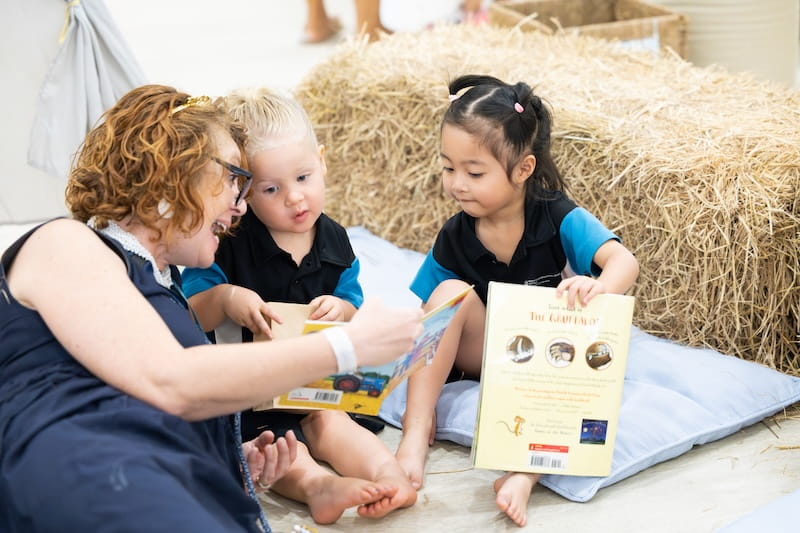
 Building strong literacy foundations in Early Years
Discover how Regents International School Pattaya develops confident readers, writers and communicators through personalised learning, Monster Phonics, a carefully curated reading spine, Forest School and the Curiosity Approach.
News image ![How Multilingual Learners Thrive at Regents International School Pattaya - multilingual-learners-thrive-regents-pattaya]() Blog | Choosing A School
Blog | Choosing A School
.jpg?h=534&iar=0&w=800&rev=15c7ae9292074fcd8be922c7c6b250f0&hash=8157C9BF87A40B8C363698386D67C020) Blog | Choosing A School
Blog | Choosing A School How multilingual learners thrive at Regents International School Pattaya
Can a child succeed in an international school if English is not their first language? Discover how Regents International School Pattaya supports multilingual learners to thrive academically and confidently.
News image ![Little Explorers Holiday Camp | Ages 1–6 | Regents International School Pattaya - little-explorers-holiday-camp-pattaya]() News | Early Years | Choosing A School
News | Early Years | Choosing A School
 News | Early Years | Choosing A School
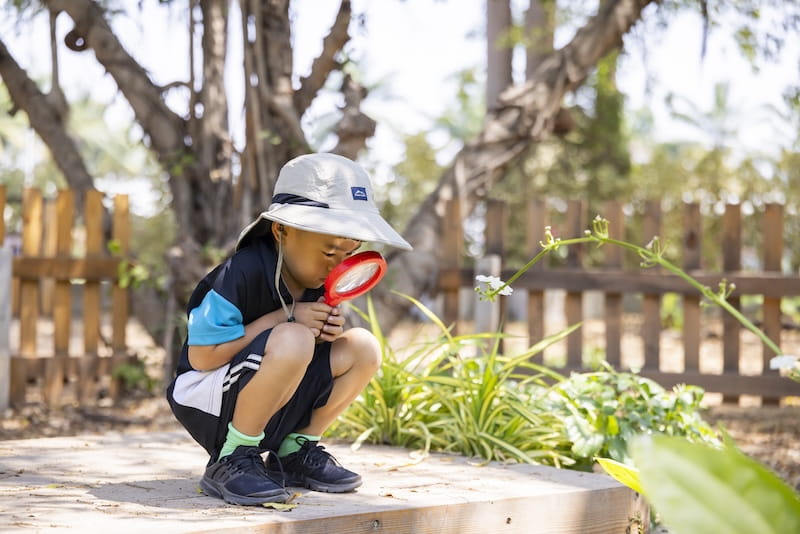
 Little Explorers Holiday Camp: A week of adventure, discovery and fun for children aged 1–6
Join the Little Explorers Holiday Camp at Regents International School Pattaya. A fun-filled week of Forest School adventures, STEAM, baking, creative play and exciting visitors for children aged 1–6.


