
.jpg?h=249&iar=0&w=374&rev=5c3dacca1895403ea4fbab0c28e6fe0d&hash=E43DDE2E55CCD139473D7779AE3ADAD8)
We use cookies to improve your online experiences. To learn more and choose your cookies options, please refer to our cookie policy.

13 April, 2026
Learning beyond the classroom
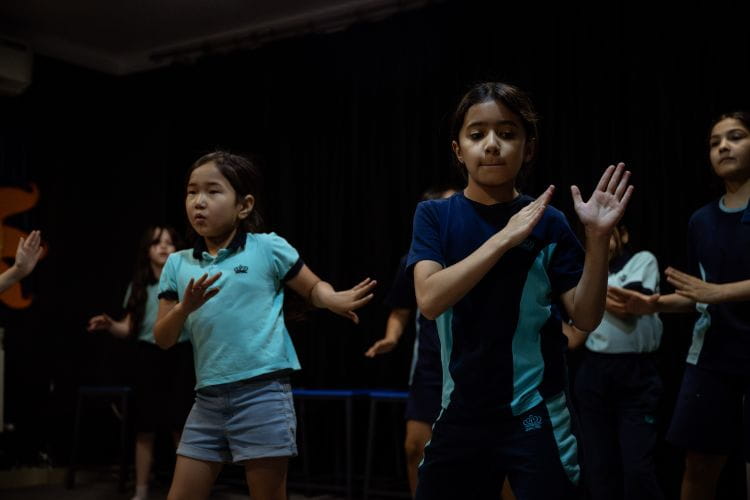
Children learn everywhere, not only during lessons. Some of the most meaningful progress in confidence, curiosity and resilience happens around the school day. After-school activities, weekend enrichment and holiday programmes give students the chance to explore new interests and build skills that support academic and personal growth.
Research shows that consistent learning routines matter. When students spend long periods without structured engagement, their progress can slow and sometimes slip. Studies tracking year-on-year patterns have found that achievement often flattens during extended breaks, with maths especially sensitive to reduced practice. These findings highlight the value of keeping young minds active, social and connected to purposeful learning experiences.
Learning beyond the classroom is not about extra homework. High-quality programmes create enjoyable opportunities for children to explore, create and collaborate while strengthening the foundations that help them move confidently into each new term.
This philosophy shapes the approach at The British School of Tashkent. Our after-school programme and our Summer Camp Experience provide engaging, well-planned activities that help students stay motivated and curious throughout the year.
Why continuity in learning matters
1. Skills Are Easier to Maintain Than Rebuild
A strong body of research shows that steady, ongoing practice helps children retain core skills. When opportunities to apply knowledge disappear for long stretches, progress can slow. Consistent engagement, even in light and enjoyable formats, helps children begin each new term with confidence.
2. Out-of-School Time Varies for Every Child
Children’s experiences beyond the school day differ widely. Some have access to enrichment, arts, sport and cultural activities that build language and background knowledge. Others have fewer structured opportunities. School-supported programmes help reduce this gap and strengthen curiosity, communication and personal development.
3. Structure Supports Wellbeing
Predictable routines help children feel secure and focused. Research into child wellbeing shows that long periods without structure can be challenging for some age groups. Programmes that include social interaction, supportive adults, movement and purposeful activities help students stay settled, balanced and connected.
What effective out-of-school learning looks like
High-quality after-school and holiday programmes consistently include several features.
• A clear purpose with age-appropriate learning goals
• Reliable routines that help children feel secure
• A balance of academic support and enrichment activities
• Regular movement and active time that support overall wellbeing
• A warm, positive atmosphere where children feel supported
• Skilled staff who deliver high-quality instruction and small-group guidance
Attendance also matters. Multi-year studies show that when students participate consistently, they experience the greatest benefits. Programmes that combine purposeful instruction with hands-on, enjoyable activities are the most effective.
How this philosophy shapes learning at BST
BST’s co-curricular programme applies these principles throughout the year. After-school clubs allow students to develop interests, strengthen skills and work with peers in new ways that complement classroom learning. Activities span creative arts, sport, STEM, languages and more, helping students build confidence and independence.
During the school holidays, the same approach guides the BST Summer Camp Experience. The programme blends learning, movement and practical discovery in a relaxed and welcoming environment. Students stay socially engaged and mentally active while enjoying meaningful experiences that support learning and wellbeing.
Together, these opportunities help students maintain their skills, nurture their curiosity and feel confident across the full year.
Supporting learning at home
Small everyday habits at home strengthen the impact of enrichment activities.
• Read regularly and allow children to choose material that interests them
• Use daily activities such as cooking and shopping to keep maths active
• Maintain consistent routines, including sleep and outdoor time
• Talk about what children noticed, created or solved
• Share experiences such as nature walks, simple projects or museum visits
These habits help learning feel continuous, positive and enjoyable.
Help your child stay curious, active and confident over the holiday period. Explore how the BST Summer Camp Experience supports learning in a calm, structured and enjoyable environment.
Give your child the benefit of focused, personalised support after school. Our tutoring sessions strengthen core skills and build steady, long-term confidence.
Related news
News image ![Students from The British School of Tashkent celebrating at Graduation by throwing their caps in the air]() News | Academic | Highlights
News | Academic | Highlights
 News | Academic | Highlights
 Celebrating GCSE and A Level success at The British School of Tashkent
The British School of Tashkent celebrates strong 2025/26 GCSE and A Level results, with students achieving highly at different stages of their education
News image ![BST students win medals at German Math Olympiad and Hi-Lingua Competition - The British School of Tashkent students win medals at international Olympiads in Frankfurt]() News | Academic
News | Academic
 News | Academic
 The British School of Tashkent students win medals at international Olympiads in Frankfurt
Students from The British School of Tashkent achieved outstanding results at the German Math Olympiad and Hi-Lingua Language Competition in Frankfurt, Germany, winning multiple Gold, Silver, and Bronze medals against competitors from 47 countries.
News image ![BST retains full BSO accreditation - BST retains full BSO accreditation]() News | Highlights | Academic
News | Highlights | Academic
 News | Highlights | Academic
 BST retains full BSO accreditation: a leading standard of academic excellence in Uzbekistan
The British School of Tashkent (BST) has once again achieved full British School Overseas (BSO) accreditation following its October 2025 inspection - reinforcing its position as one of the most recognised and academically ambitious schools in Uzbekistan.
News image ![bst]() News | Highlights | Academic
News | Highlights | Academic
 News | Highlights | Academic
 The British School of Tashkent named most popular school 2025
The British School of Tashkent has been recognised as the most popular international school in Tashkent for 2025, reflecting strong parent interest in our global education, personalised learning, and outstanding academic environment.