

What Great Teaching Really Looks Like
.jpg?h=1000&iar=0&w=1500&rev=4d467b37e52f4353ba108f277dd21488&hash=8FC789607CEA1C462E4C13F7563AF9AC)
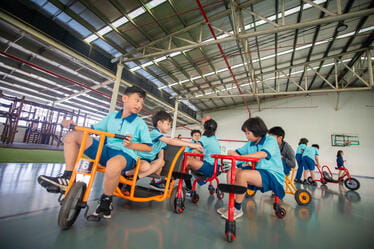
The answer goes far beyond what can be seen during a school tour. High-quality teaching shapes how students think, learn, collaborate, and grow. It creates an environment where students are engaged in their learning and develop the confidence to tackle challenges both inside and outside the classroom.
As The British School Yangon Principal, Mr. Willis, often says: "Outstanding learning happens when students are engaged, challenged, and encouraged to take ownership of their learning."
Looking Beyond the Classroom Setup
A well-equipped classroom can support learning, but it is the interactions between teachers and students that make the greatest difference. Effective teaching begins with clear learning objectives. Students should understand what they are learning, why it matters, and what success looks like. When learning goals are clear, students are better able to monitor their own progress and become more responsible for their learning. Rather than simply completing tasks, they understand the purpose behind their work and develop a stronger sense of ownership. Teachers also create opportunities for students to reflect on their learning, helping them identify their strengths and areas for improvement. This process encourages independence and develops skills that support lifelong learning.
Students Should Be Doing the Thinking
One of the strongest indicators of effective teaching is seeing students actively involved in their learning. Rather than spending lessons listening passively, students should be discussing ideas, solving problems, asking questions, and applying their knowledge in meaningful ways. BSY's SLT Team often highlights the importance of student participation in the learning process. "The most effective learning happens when students are actively engaged in thinking, questioning, and making connections."
Teachers play an important role in guiding learning, but the goal is not simply to provide answers. Instead, they encourage students to investigate, analyse, and develop their own understanding. This approach builds critical thinking skills and helps students become more confident learners.
The Power of Meaningful Feedback
Feedback is one of the most powerful tools in education. In strong learning environments, feedback is ongoing and specific. Rather than simply telling students whether something is right or wrong, effective feedback helps them understand how they can improve. Students are encouraged to reflect on feedback, make revisions, and apply what they have learned to future tasks. This process helps develop resilience and a growth mindset, teaching students that learning is a journey rather than a destination. When students understand that mistakes are opportunities for growth, they become more willing to take risks and challenge themselves.
Creating a Positive Learning Culture
Students learn best when they feel safe, respected, and valued. A positive classroom culture encourages students to contribute ideas, ask questions, and participate without fear of making mistakes. Strong relationships between teachers and students are at the heart of successful learning environments. When students feel supported, they are more likely to engage fully in their learning and develop confidence in their abilities. An inclusive classroom also teaches important social and emotional skills. Students learn how to listen to different perspectives, collaborate with others, and communicate effectively—skills that are essential for success in today's world.
What Parents Notice Over Time
The impact of great teaching is often most visible outside the classroom. Parents may notice their children becoming more independent and responsible. Students begin managing their own work, organising tasks, and approaching challenges with greater confidence. Curiosity is another important sign of meaningful learning. Children start asking deeper questions, exploring topics independently, and connecting their learning to real-life situations. Parents often notice stronger communication skills as well. Students become more confident sharing ideas, participating in discussions, and expressing their opinions thoughtfully. These changes are powerful indicators that learning is having a lasting impact.
Looking at the Bigger Picture
While academic achievement remains important, great teaching is about much more than examination results. It is about developing young people who are curious, resilient, independent, and capable of thinking critically.
At The British School Yangon, learning is designed to help students develop the knowledge, skills, and confidence they need to thrive in an ever-changing world. When parents look beyond facilities and focus on what is happening inside the classroom, they gain a much clearer understanding of what great teaching really looks like.
Related news
 News | Special Events | Highlights
 .jpg?h=443&iar=0&w=787&rev=f338f173e3e1468dbc3e98a04405945a&hash=50A4C95BBD776DE0E5BE20EA1B7CEB31 "From Confidence to Success: How BSY Supported Me Through My IGCSE Journey") Blog | Student Work and Success | Highlights
Blog | Student Work and Success | Highlights  News | School Updates | Highlights | Student Work and Success
 .jpg?h=1080&iar=0&w=1920&rev=3a60a83617e04701981317452fab7dfd&hash=899C5D0D51B17EE1A9E4BAE53FAE5F2B "IGCSE Results 2026") Blog | Highlights | Special Events | Student Work and Success
Blog | Highlights | Special Events | Student Work and Success 


