

.jpg?h=1365&iar=0&w=2048&rev=ee7378ae893a49dfaddc3616d46bd107&hash=C23ACBB01EAA6CD80A11FD7A16340531)
.jpg?h=1536&iar=0&w=2048&rev=2cb99106f08f4410a4a2fa9c69afca6f&hash=44BBCC43B8F5108DE454254440183829)


We use cookies to improve your online experiences. To learn more and choose your cookies options, please refer to our cookie policy.

Admissions Open 2026-2027
Enjoy 25% off tuition fees for up to 5 years | Register Now
.jpg?h=5255&iar=0&w=7879&rev=f5e85f2902bd4b21bfdc5164b9ec6557&hash=3C2846FB25802063516E6BD8BA4DBF46)
Many parents arrive at their first school tour with one concern already in mind. How will this school prepare my child for an uncertain future?
It is a fair concern. The job market today looks very different than it did twenty years ago, and will look very different by the time their child graduates. Choosing a school is not just about what works this year. Parents want to know whether the learning their child builds now will still serve them later, as subjects become more specialised, expectations rise, and university decisions start to feel real.
.jpg?rev=4d1748b29a1e4e98bb6f803c4adf6a2c&hash=2716C37BC34F7870AF0B4DC05C998A87)
When families ask about career pathways, they are usually not looking for guarantees. They are looking for a framework that stays flexible, and a school that helps students build the habits and foundations that transfer across different futures.
At British Vietnamese International School Hanoi (BVIS Hanoi), that work starts with how students are supported to engage deeply with learning over time. As Claire Slowther, Head of Secondary, puts it: “First and foremost we want to ignite a passion and spark for learning. We want to inspire our students to be curious and hardworking learners.”
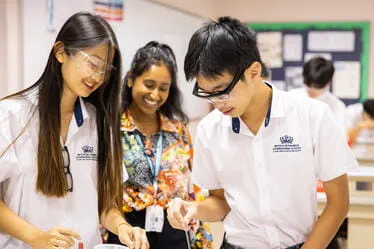
Strong career pathways begin with strong academic subjects. Students at secondary level follow a structured progression that leads to Cambridge IGCSEs and then A Levels. This provides depth of knowledge and clear assessment standards.
Claire notes, “Students receive a deep and rigorous grounding in academic subjects through the A level programme. From a subject and academic perspective, they will be ready to take on the challenge of university level learning.”
That depth matters. A Levels require students to specialise, but they also demand analytical thinking, extended writing, independent research, and disciplined study habits. These are transferable skills. They travel across disciplines and into higher education.
The result is not a narrow route, but a flexible one. Students develop subject expertise while strengthening the habits of mind that support long-term career readiness.
Academic strength alone does not determine future success. Students also need thoughtful guidance. At BVIS Hanoi, university and careers guidance is not treated as a final-year add-on. It is a structured process that evolves over time.
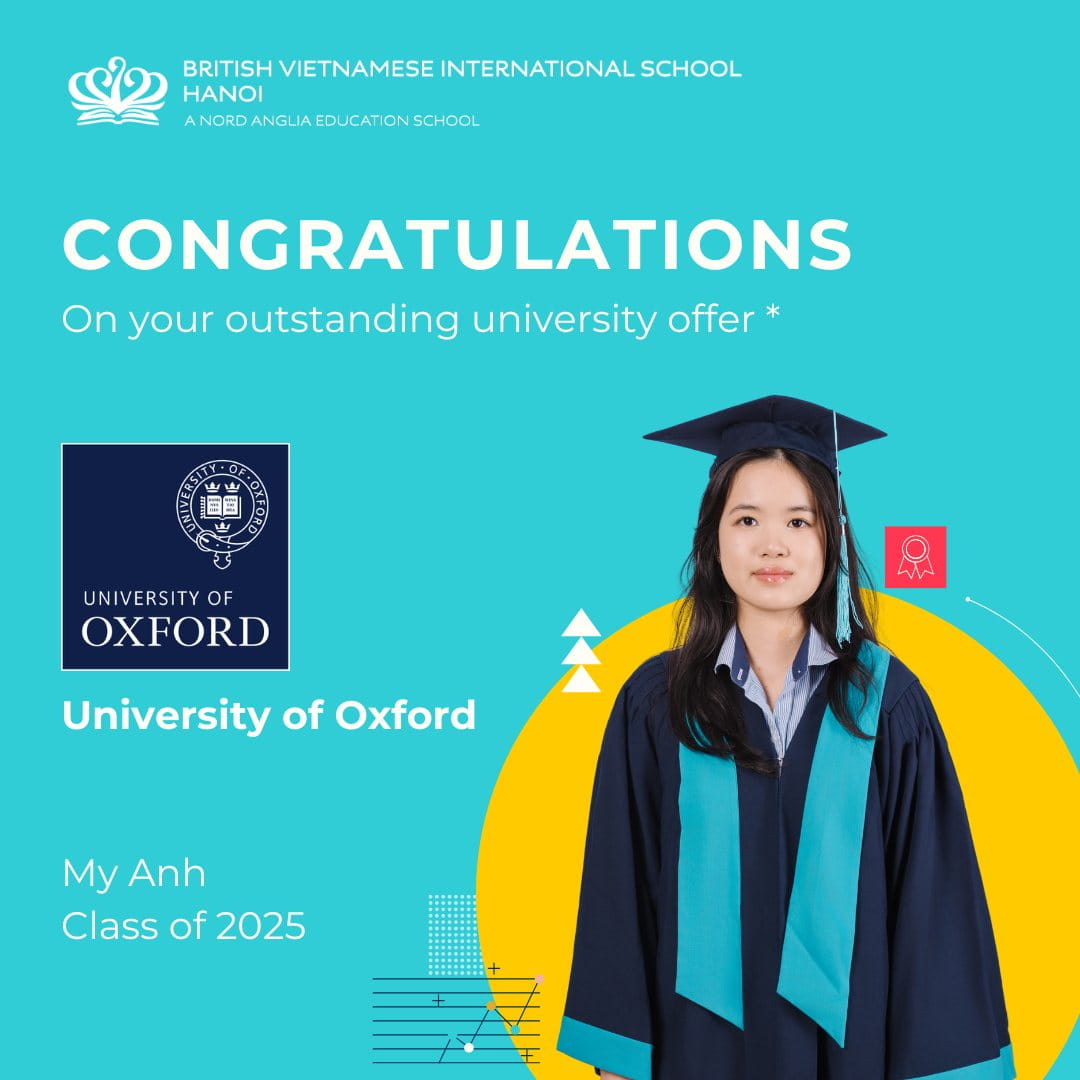
“There is no ‘one size fits all’ here,” Claire explains. “Our University Guidance Counselling team meets with each individual student and their families. We listen to what their hopes and aspirations are and then offer very personalised advice.”
.jpg?rev=a593b0328b014b24b11a684f16da7d6c&hash=BA5439205DE3304103C454F0830068D6)
This approach ensures that career pathways are considered in the context of each student’s interests and strengths. Some students may move towards traditional professional degrees. Others may explore emerging industries or interdisciplinary fields. The guidance process adapts accordingly.
When support is tailored in this way, students make decisions with greater clarity. That clarity strengthens both confidence and long-term direction.
Parents often feel pressure to map out a fixed destination early. Yet the reality of higher education and employment is more fluid. Claire reflects on this shift in perspective.
“Life is a journey and there are so many different routes. When entering university study, many young people have no idea what their destination will be. Before embarking on a university course, the important thing is that students take time to reflect on themselves, their strengths, what they enjoy and fully consider what they would like to study and where.”
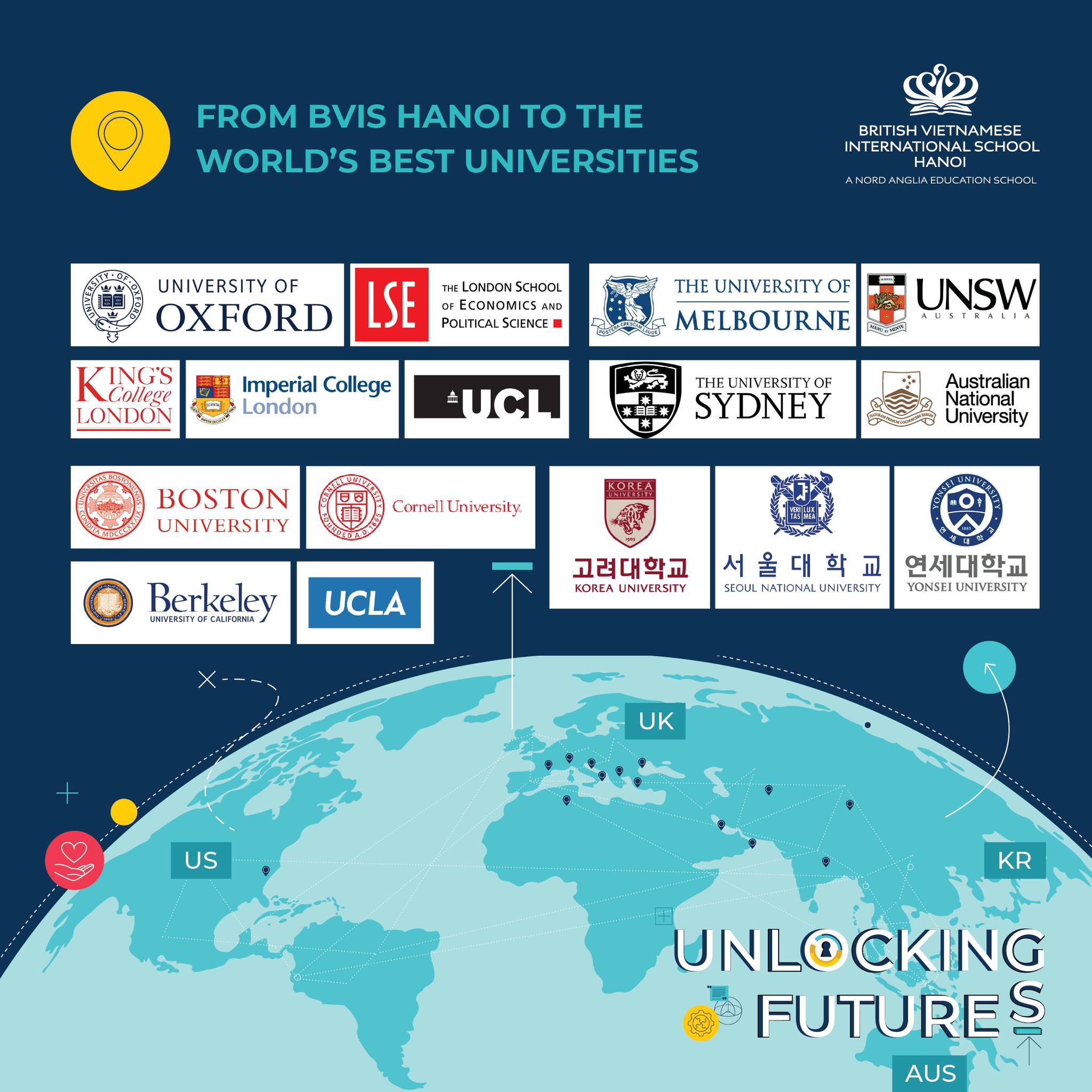
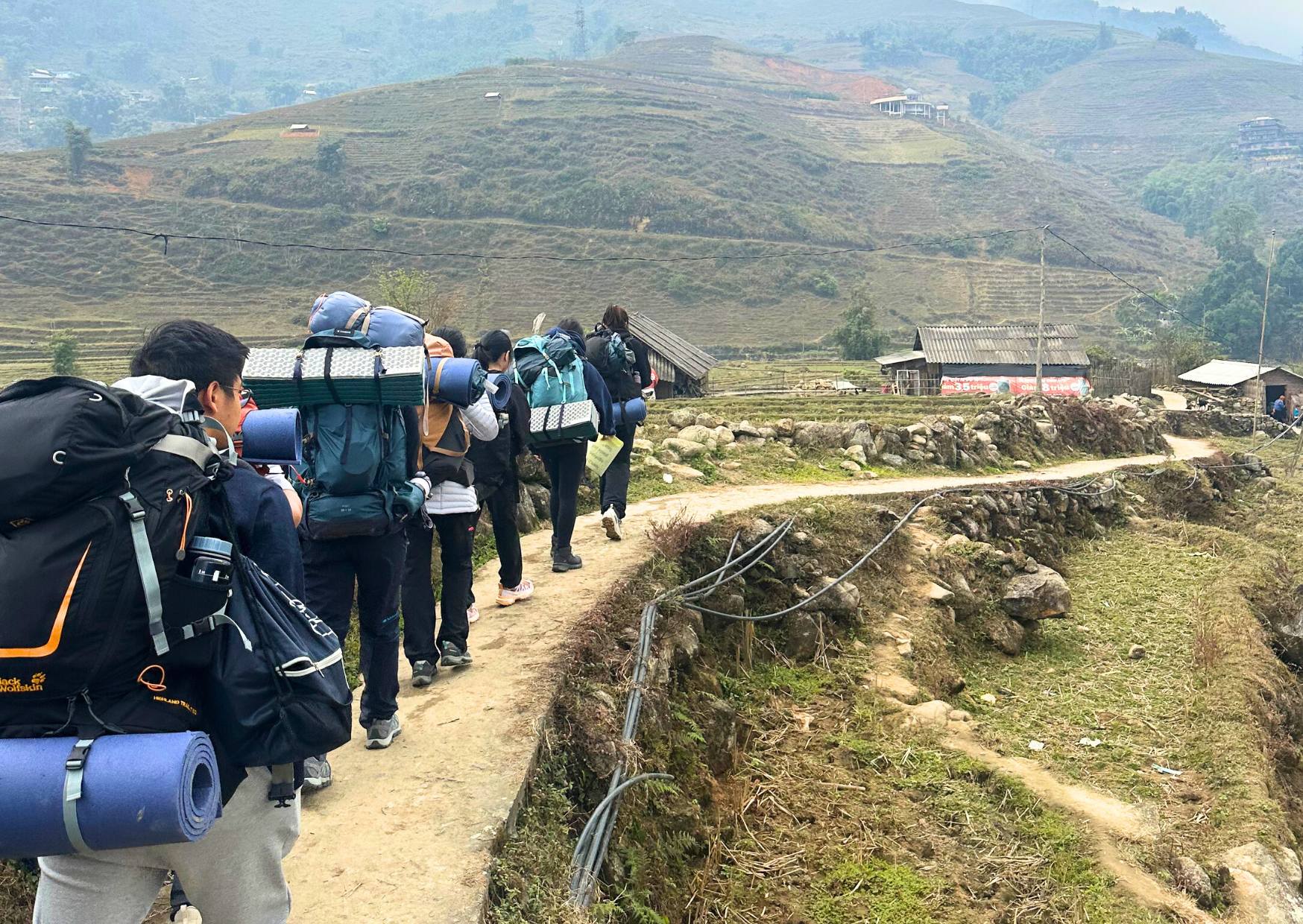
This emphasis on reflection and self-knowledge is deliberate. Academic programmes are designed to build not only knowledge, but adaptability. Students are encouraged to take intellectual risks, engage in service learning, and develop independence. They learn to manage workload, meet deadlines, and balance responsibilities.
Claire adds, “Working hard, seizing opportunities and keeping an open mind are important.”
That mindset supports long-term career readiness more effectively than a single fixed plan.
Career pathways are not promises of outcomes. They are built through standards, structure, and sustained academic effort. At BVIS Hanoi, qualifications such as Cambridge IGCSEs and A Levels provide clear benchmarks. Personalised guidance ensures students understand their options. Classroom expectations reinforce discipline and independence.
When these elements work together, students are prepared not just for one destination, but for a changing landscape of opportunities.
.jpg?rev=02b06b00aa9b40d1a59da3623e85c957&hash=3720D876409A649F920B323B4F8C2E24)
For families considering how best to support their child’s future study pathways, the most useful conversations often start with academic goundations. What knowledge will your child gain? What habits will they develop? How will guidance evolve as they grow?
Those are discussions our academic leaders are always willing to have.