

.jpg?h=5464&iar=0&w=8192&rev=d25c2e8a10054f4eaa147d554bcdc656&hash=0513C3A7A8B0D63204022FDBF42240DC)


We use cookies to improve your online experiences. To learn more and choose your cookies options, please refer to our cookie policy.
06 March, 2026
What to expect in the first year at an international school
.jpg?h=1365&iar=0&w=2048&rev=-1&hash=650D72B1B659D62DA8D5BB05BC233544)
The first year at a new school is rarely effortless. Even confident students need time to adjust to new routines, expectations, friendships, and academic standards. When families join an international school, particularly one with a different language environment or curriculum structure, that adjustment can feel more pronounced.
For parents, understanding what is normal during this transition helps reduce unnecessary anxiety. A thoughtful student transition does not eliminate challenges. It guides students through it.
At British Vietnamese International School Hanoi (BVIS), leaders see this pattern every year. Claire Slowther, Head of Secondary, explains, “Moving school is always difficult for teenagers. Students often worry most about settling in socially.” That social adjustment usually comes first. Students want to know where they fit, who they will sit with at lunch, and whether they will feel understood.
.jpg?rev=-1&hash=A0DC0B78E8240BBB889133918AD9E2DE)
Social settling takes time
In the early weeks, students are building relationships as much as they are building knowledge. Claire notes that when new students join, careful attention is paid to placement and peer support. “When a student joins, we think carefully about a class to place them in and matching them up with potential friends who may have common interests.”
This deliberate structure helps students begin forming connections quickly. Schools with smaller class sizes and personalised teaching can monitor how students are settling in and adapt where needed. Over time, initial uncertainty often gives way to confidence as routines become familiar.
.jpg?rev=-1&hash=D6D995714127A7B14B34A5D7A159EEEF)
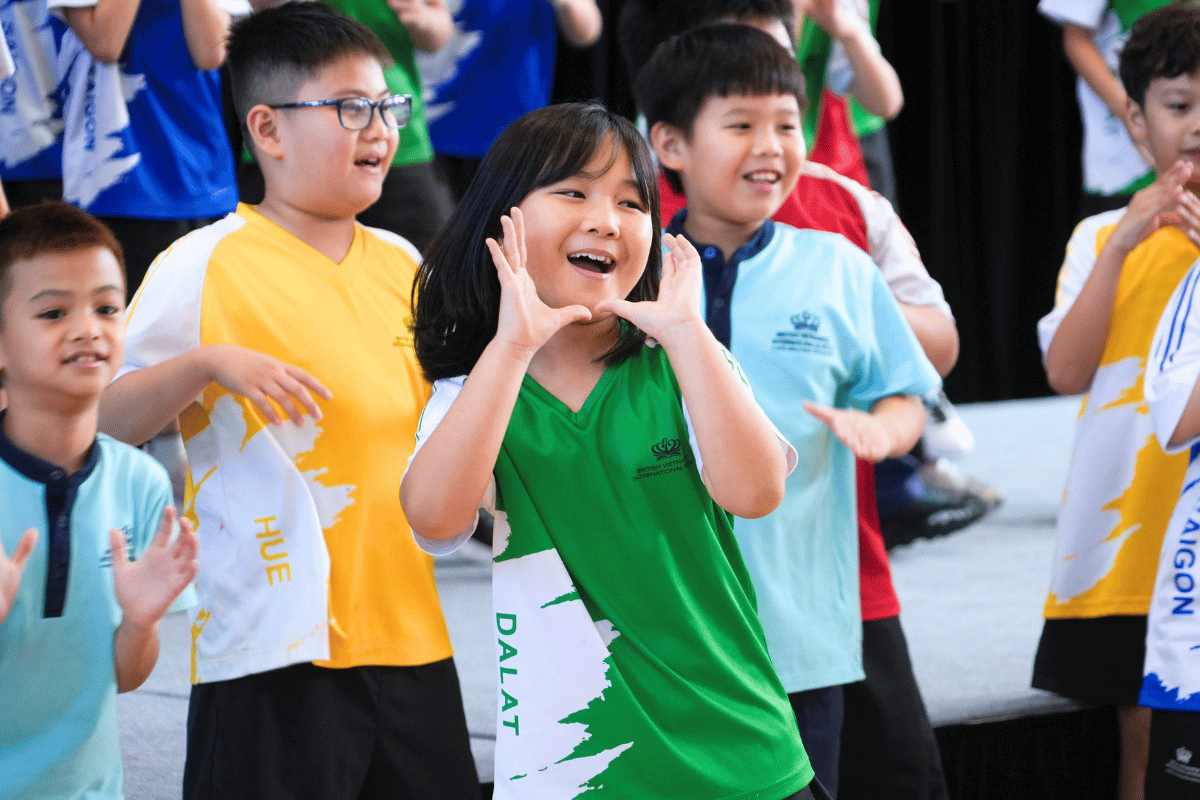
It is also normal for students to feel a degree of nervousness. Claire reflects, “It is common and completely normal to have a level of anxiety or nervousness about starting a new school. We would expect this to subside after the first half term.”
Recognising that this feeling is temporary helps families respond calmly rather than assuming there is a deeper problem.
Academic adjustment is gradual
Academically, the first year can bring subtle shifts. Expectations may feel higher. Independent study may be more structured. For some students, language development is an initial hurdle.
Malcolm Wood, Head of Primary, observes, “In any school, new children have to learn the way around, develop new relationships and adjust to the routines and curriculum.” He also highlights a common academic adjustment: “One challenge for many new students is to get their language level up to that of our students.”
.jpg?rev=-1&hash=1AB2894C82A913B3C0D40B123EC6841E)
These early challenges do not signal misalignment. They are part of adapting to a new academic environment. Teachers monitor progress closely, particularly in reading, writing, and subject-specific terminology. Regular check-ins ensure that any gaps are identified early and addressed with targeted support.
When routines are clear and expectations are explicit, students often make steady progress within the first term.
Structures that support confidence
A strong international school experience relies on visible systems that support students from day one. At BVIS secondary, buddy systems and tutor groups play a central role. Claire explains, “Our students have a ‘buddy’ to help them settle in over the initial days and weeks. This may end up being a long-term friend or they may make new friends over time.”
Tutors monitor both wellbeing and academic progress, creating a bridge between home and school. Open communication is encouraged. “Our key message for new parents is to talk to us. Let us know how your child is feeling as there are lots of things we can do to help them settle in,” Claire adds.
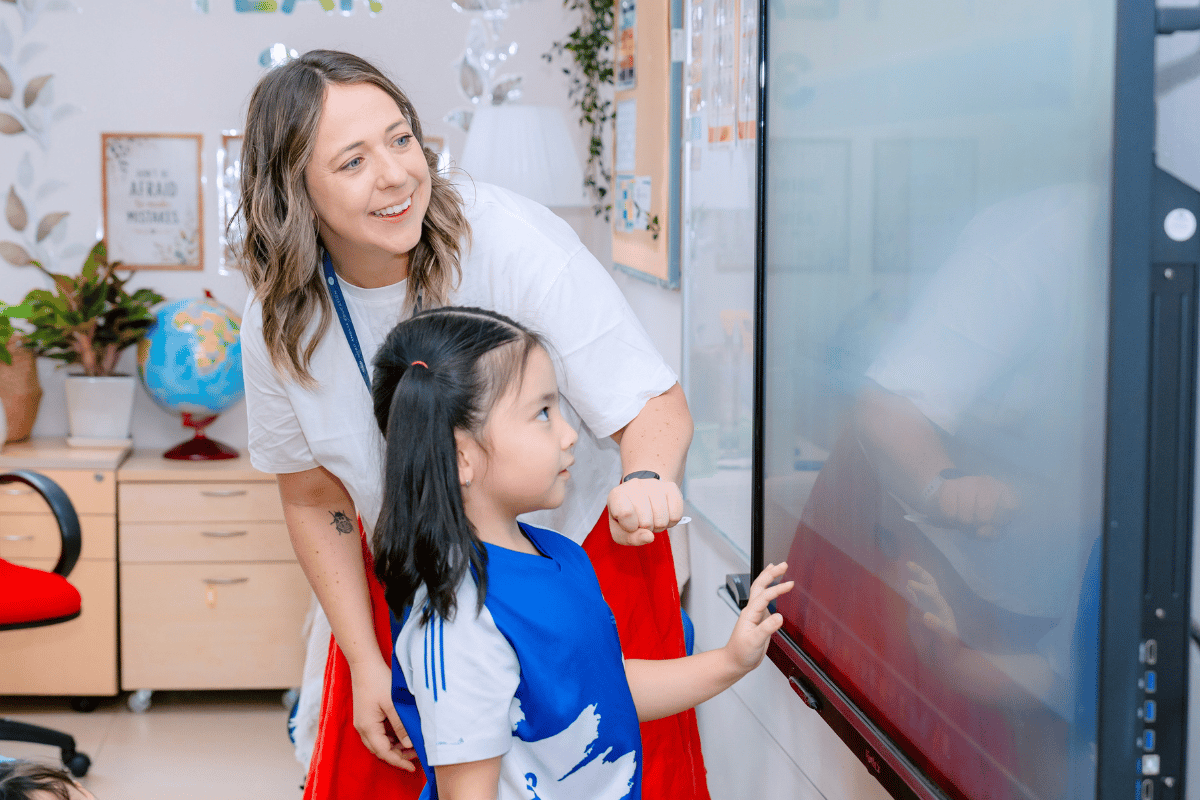
In Primary, the structure is similarly consistent. Malcolm notes that class teachers remain accessible throughout the year. Parents are able to raise questions directly, and Heads of Year and pastoral staff provide additional support when needed.
When students feel supported socially and academically, they are more likely to engage fully in lessons and participate confidently in school life.
Progress becomes visible
By the end of the first year, most families notice a shift. Students navigate the campus independently. Friendships feel established. Academic expectations are clearer. What initially felt unfamiliar becomes routine.
The first year is not about instant perfection. It is about steady adaptation within a structured and well monitored environment. A strong student experience acknowledges that transition takes time, while ensuring that no child is left to navigate it alone.
Families who would like to understand how this process unfolds in practice are encouraged to speak with our academic leaders. Open conversation is part of building long-term confidence.
.jpg?rev=8de6e35a9f1549f2b13a8bb35d8d7e90&hash=44B296DE1B9AAEDAC64985EE16D737C9)
Related news
News image ![Student Highlights & Success Stories (21/09 - 25/09/2026) | BVIS Hanoi - Weekly Updates 25-09-26]() News | Weekly School Updates
News | Weekly School Updates
 News | Weekly School Updates
 Student Highlights & Success Stories (21/09 - 25/09/2026)
Student Highlights & Success Stories updated from BVIS Hanoi's Senior Leadership Team (21/09 - 25/09/2026)
News image ![Student Highlights & Success Stories (14/09 - 18/09/2026) | BVIS Hanoi - Weekly Updates 18-09-26]() News | Weekly School Updates
News | Weekly School Updates
 News | Weekly School Updates
 Student Highlights & Success Stories (14/09 - 18/09/2026)
Student Highlights & Success Stories updated from BVIS Hanoi's Senior Leadership Team (14/09 - 18/09/2026)


