

.jpg?h=5464&iar=0&w=8192&rev=d25c2e8a10054f4eaa147d554bcdc656&hash=0513C3A7A8B0D63204022FDBF42240DC)


We use cookies to improve your online experiences. To learn more and choose your cookies options, please refer to our cookie policy.
06 March, 2026
International school education priorities that shape your child’s future
When families compare international schools in Hanoi, the conversation often turns quickly to academic outcomes. Examination results, university destinations, and facilities. These matter. Yet behind every headline figure sits a quieter, more important question. What does this school choose to prioritise in learning every day?
The best international schools in Vietnam don’t just concentrate on results; they focus on shaping how children think, how they respond to challenge and how prepared they are for the future.
.jpg?rev=502bbf97c10c4d2f8236891bb658bd37&hash=D820D0D0F90B7728E15F07E3255E7F7A)
At British Vietnamese International School Hanoi, those priorities are deliberate. As Principal Paul Holyome explains, “We focus on the holistic child and whilst academics are important, we also recognise the importance of children receiving a rounded education.”
That balance is not accidental. It informs curriculum design, teaching approaches, and the way students are supported.
Academic rigour within a rounded framework
Academic progress remains central, and a strong international school curriculum must provide depth of knowledge, clear assessment standards, and measurable outcomes. However, academic excellence is strengthened when it sits within a broader educational focus.
Paul continues, “Our curriculum is designed to ensure outstanding progress in both English and Vietnamese, leading to highly proficient bilingual children.”
Bilingual proficiency requires structured teaching, consistent monitoring of progress, and clear expectations. It also demands cognitive flexibility and discipline. The result is not only linguistic confidence, but transferable skills that support long-term academic pathways.
Top international schools combine academic rigour with holistic learning to shape students who are both knowledgeable and adaptable.
Day-to-day experience reflects educational focus
Priorities become visible in the the small, daily moments. Children thrive when they are encouraged to excel in their strengths while continuing to grow in areas that challenge them.
Paul notes, “Children are able to excel in what they are good at. Whether that is academic, expressive arts, sport or community, our children will thrive at BVIS.”
.jpg?rev=0b82187a26c243caa9497035e6ae5d01&hash=501BA65C1DD7112135E4080D103DB041)
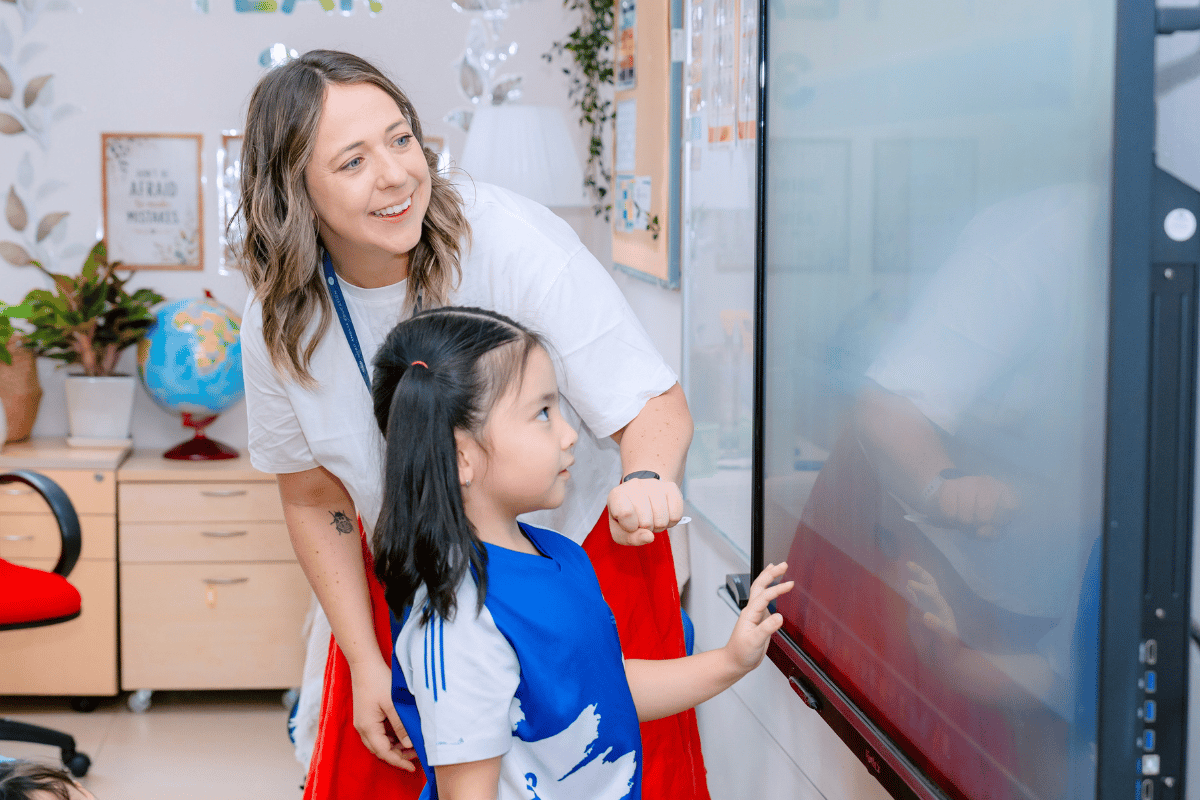
This is where personalised learning becomes meaningful. Teachers recognise individual strengths and adjust support accordingly. A student who grasps a concept quickly is extended further. A student who needs more time receives focused support. Progress is monitored carefully, but always in the context of the individual child.
An educational focus on the whole child does not dilute standards. It strengthens engagement. Engaged students are more likely to sustain effort, seek feedback, and improve steadily.
The questions families should ask
Choosing an international school is not only about comparing facilities or marketing messages. It involves reflecting on what kind of individual you hope your child will become.
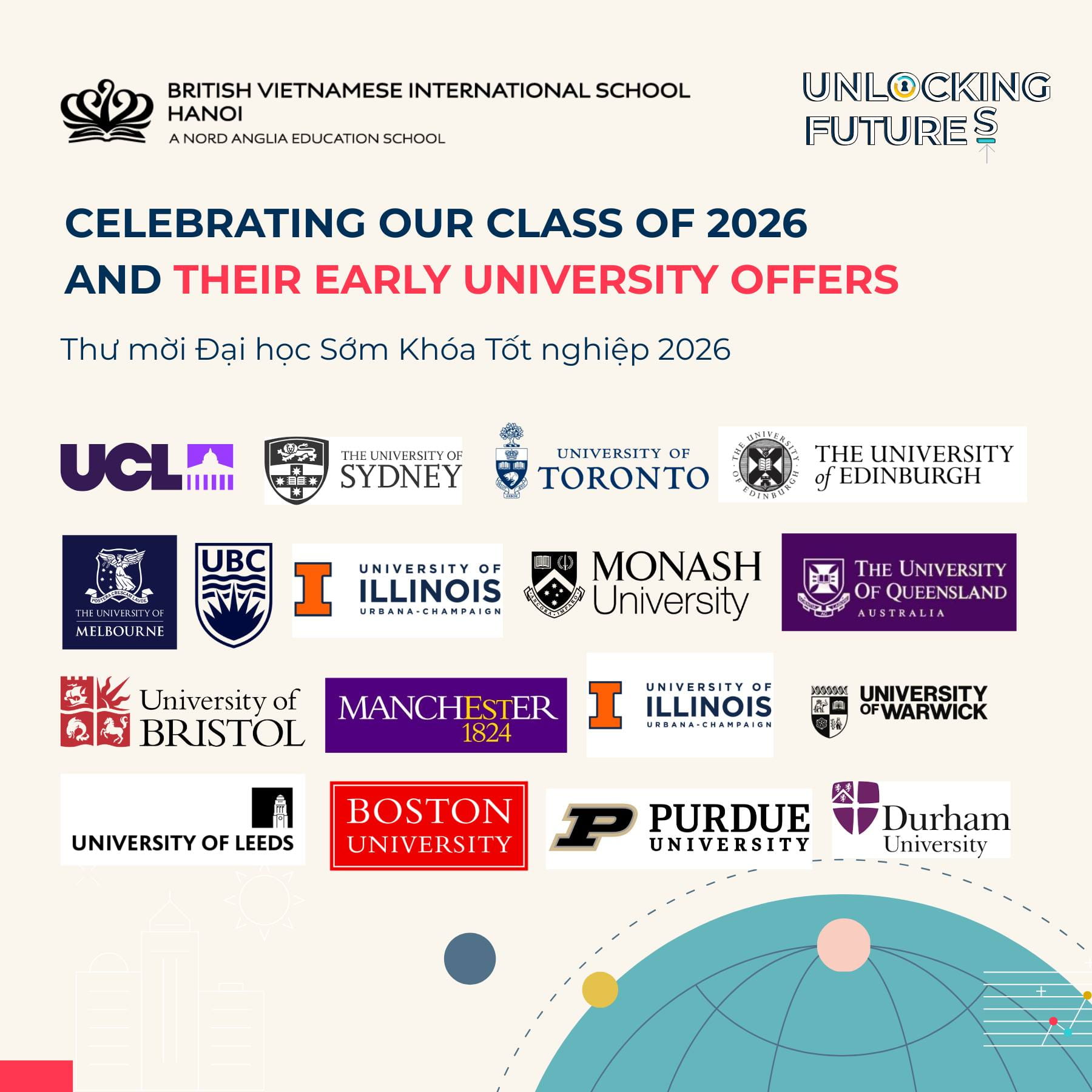
Paul encourages families to think carefully about alignment. “Do you want your child to become a well-rounded, confident and independent individual? Do you want your child to gain access to the very best universities and colleges worldwide? Do you want your child to be ready for the future, whatever that might be?”
These are not rhetorical statements. They reflect a broader educational focus that connects character development with academic progression. Confidence supports participation. Independence supports academic stamina. A clear moral and social framework supports responsible decision making.
When international schools are consistent across curriculum, pastoral care, and enrichment, students experience coherence rather than contradiction.
Priorities that endure beyond school
Education is not only preparation for examinations. It prepares students to think independently, navigate complexity, and build meaningful futures, in higher education, in their careers, and in their relationships. Schools that articulate clear priorities and implement them consistently provide families with something more durable than short-term comparison.
At BVIS Hanoi, the emphasis on holistic learning, bilingual proficiency, personalised support, and measurable academic progress forms a coherent educational model. That model shapes both the daily school experience and long-term student progression.
.jpg?rev=8ccbfe9156534c56afcbd609399afa84&hash=61E009F460F1EB03571A3604E33B7AF7)
For families considering which international school curriculum aligns best with their child’s needs, the most useful starting point is understanding a school’s priorities. Academic standards matter. So does character. So does adaptability.
Parents who would like to understand how these priorities are embedded in classroom practice are encouraged to speak with our academic leadership team. Open dialogue remains part of ensuring that educational focus and family expectations are aligned.
Related news
News image ![Student Highlights & Success Stories (21/09 - 25/09/2026) | BVIS Hanoi - Weekly Updates 25-09-26]() News | Weekly School Updates
News | Weekly School Updates
 News | Weekly School Updates
 Student Highlights & Success Stories (21/09 - 25/09/2026)
Student Highlights & Success Stories updated from BVIS Hanoi's Senior Leadership Team (21/09 - 25/09/2026)
News image ![Student Highlights & Success Stories (14/09 - 18/09/2026) | BVIS Hanoi - Weekly Updates 18-09-26]() News | Weekly School Updates
News | Weekly School Updates
 News | Weekly School Updates
 Student Highlights & Success Stories (14/09 - 18/09/2026)
Student Highlights & Success Stories updated from BVIS Hanoi's Senior Leadership Team (14/09 - 18/09/2026)


