

.jpg?h=5464&iar=0&w=8192&rev=d25c2e8a10054f4eaa147d554bcdc656&hash=0513C3A7A8B0D63204022FDBF42240DC)


We use cookies to improve your online experiences. To learn more and choose your cookies options, please refer to our cookie policy.
02 April, 2026
How university preparation develops steadily over time

A decision made at age eighteen rarely begins at age eighteen.
The habits, subject knowledge, and self-awareness that support higher education are built gradually, long before application forms are opened. When preparation is left to the final year, it can feel intense and compressed. When it develops steadily across the secondary years, it builds clarity and confidence.
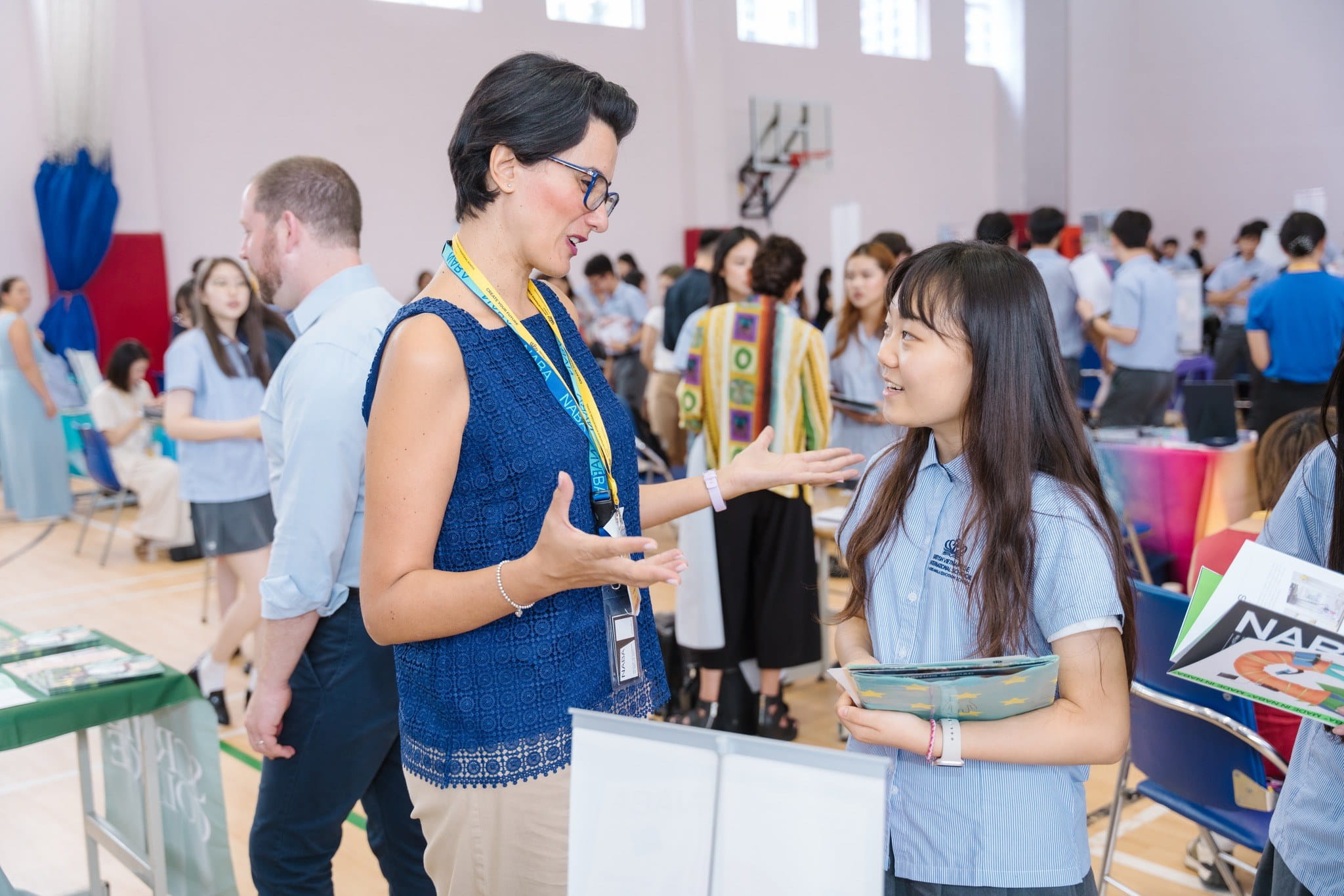
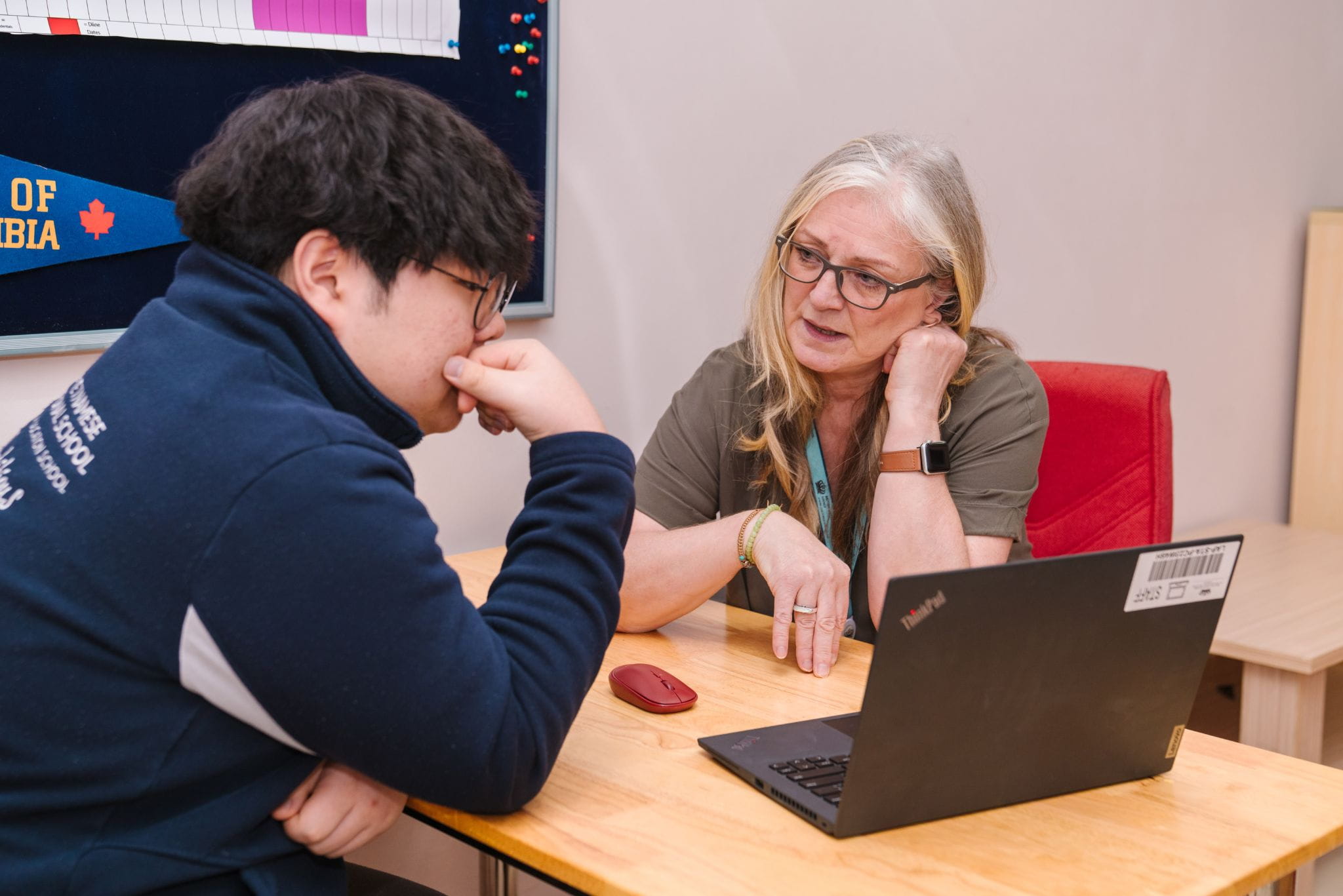
At British Vietnamese International School Hanoi, preparation for higher education is not treated as a single event in Year 13. It develops gradually, with structured guidance beginning several years earlier. As Colleen Usher, University Counsellor, explains, “I begin in Year 9, delivering sessions that ask students to think about careers, their own character and what extracurricular activities they could use to help them explore their future selves. This continues with sessions throughout Year 10 to Year 13 so that students are aware of the application process throughout.”
Building awareness before decisions become urgent
In the lower secondary years, conversations are exploratory. Students reflect on strengths, interests, and emerging ambitions. They begin to understand how subject choices connect to future pathways without feeling locked into one route.
This gradual approach strengthens academic pathways because students make subject decisions with greater clarity. It also supports academic rigour. When students understand why their choices matter, they are more likely to commit to sustained effort.
By Key Stage 4 and Key Stage 5, discussions become more focused. Workshops, one-to-one meetings, and structured sessions help students understand timelines, regional differences in higher education, and the documentation required for applications.
Transparent guidance for families
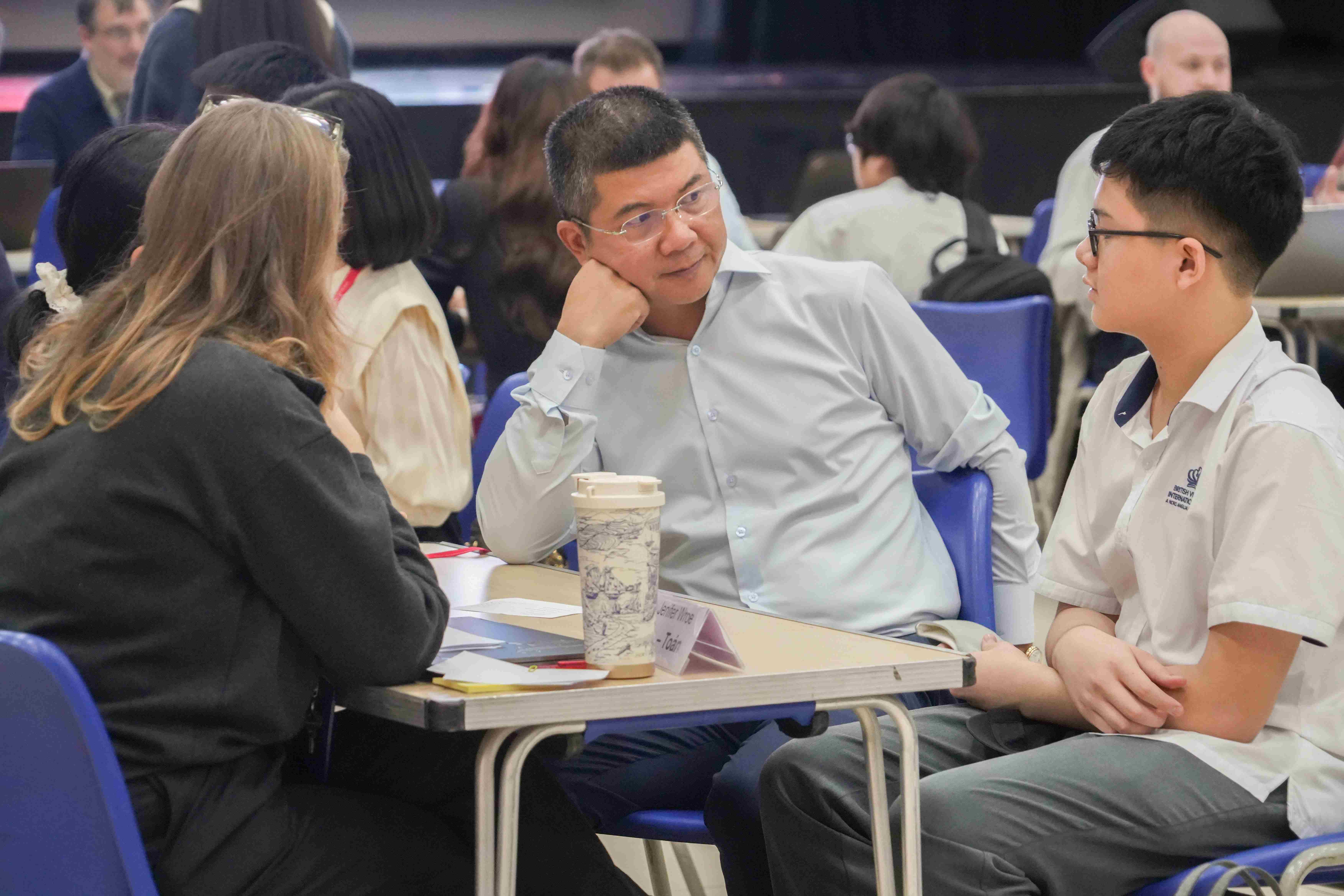
Preparation does not happen in isolation from parents. Colleen describes how families are involved throughout the journey. "Parents are invited to workshops to show how students move through our guidance over the years. This is especially important in KS5 as it gives them the opportunity to explore how they can support their children with some of the choices ahead," Colleen explains.
"Throughout the year, we welcome universities to speak with students, and these sessions are now increasingly open to parents as well. They hear directly from university representatives and can ask questions about pathways and admissions."
This transparency matters. Families gain a clearer understanding of application timelines, regional requirements, and the level of independence expected of students. Informed parents are better placed to support informed students.
The school also hosts university visits and fairs, ensuring students can speak directly to representatives. Over the past three years, more than 130 universities have participated in the annual university fair. This exposure allows students to compare options and ask detailed questions about courses and expectations.
Structured guidance, combined with direct engagement, gives students practical insight into university systems rather than abstract advice.
Balancing flexibility with informed choice
One of the challenges in preparing for university is balancing openness with direction. Students need time to explore. They also need to make clear decisions as application deadlines approach.
Colleen explains how this balance is managed. “We use a platform that helps students identify their character and skills if they do not know where to start, and we build on this with one-to-one discussions on how they could work on their skills to choose suitable careers.”
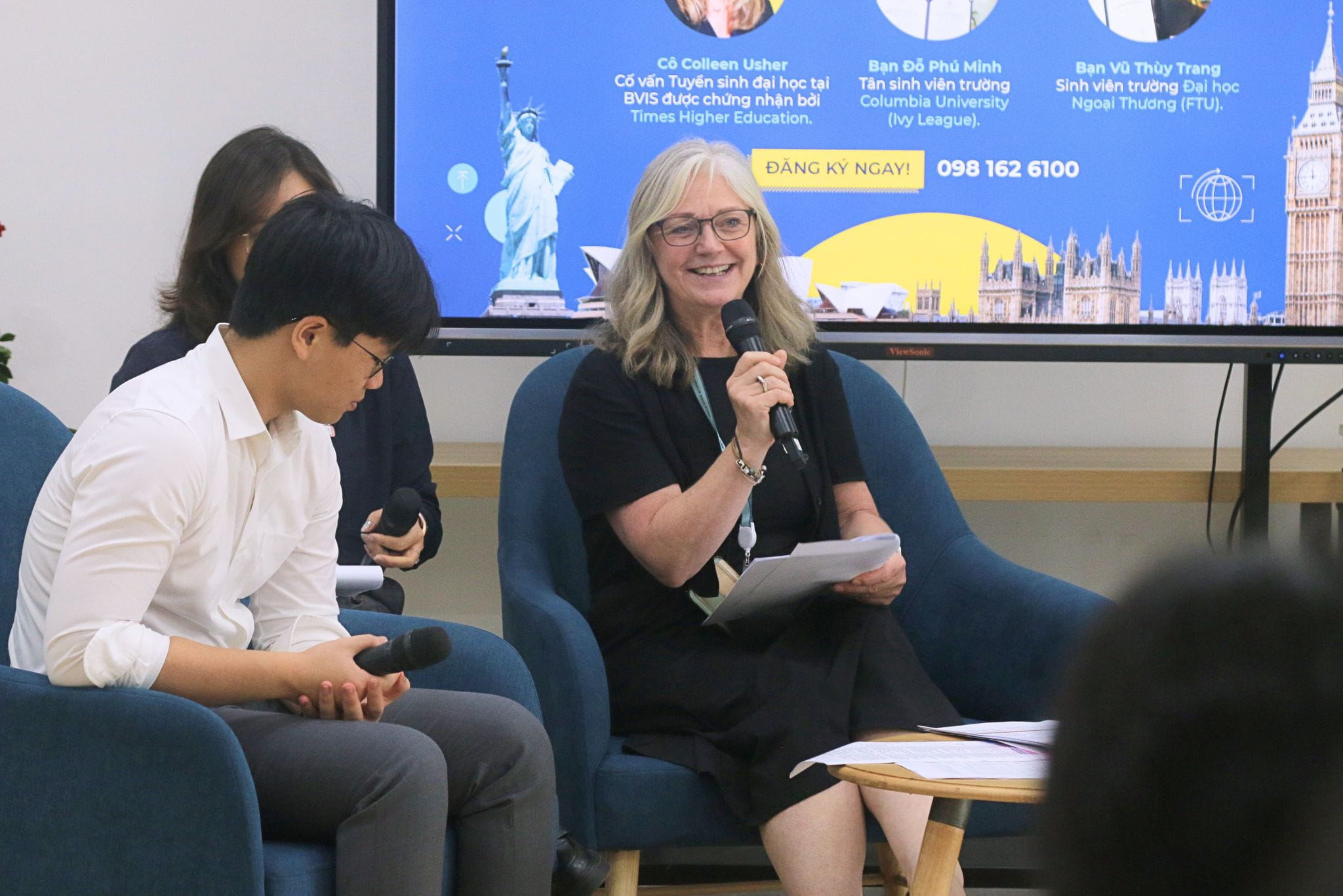
Some students arrive with strong family expectations. Others are unsure of their direction. The guidance process respects both realities. Students are encouraged to explore through discussions, workshops, and work experience, while also developing the confidence to make decisions based on informed reflection.
Parents are part of that process. “I invite parents into school with one-to-one meetings with students so that we are all clear on what the student has available to them,” Colleen adds.
This approach keeps future pathways open while steadily increasing clarity.
Preparation built into the school journey
Effective preparation for higher education is not measured only by university offers. It is built through structured conversations, academic challenge, and progressive independence.
Beginning in Year 9 and continuing through to application season, students develop self-awareness, understand application systems, and learn to navigate deadlines and requirements. The process strengthens academic pathways and supports long-term confidence.
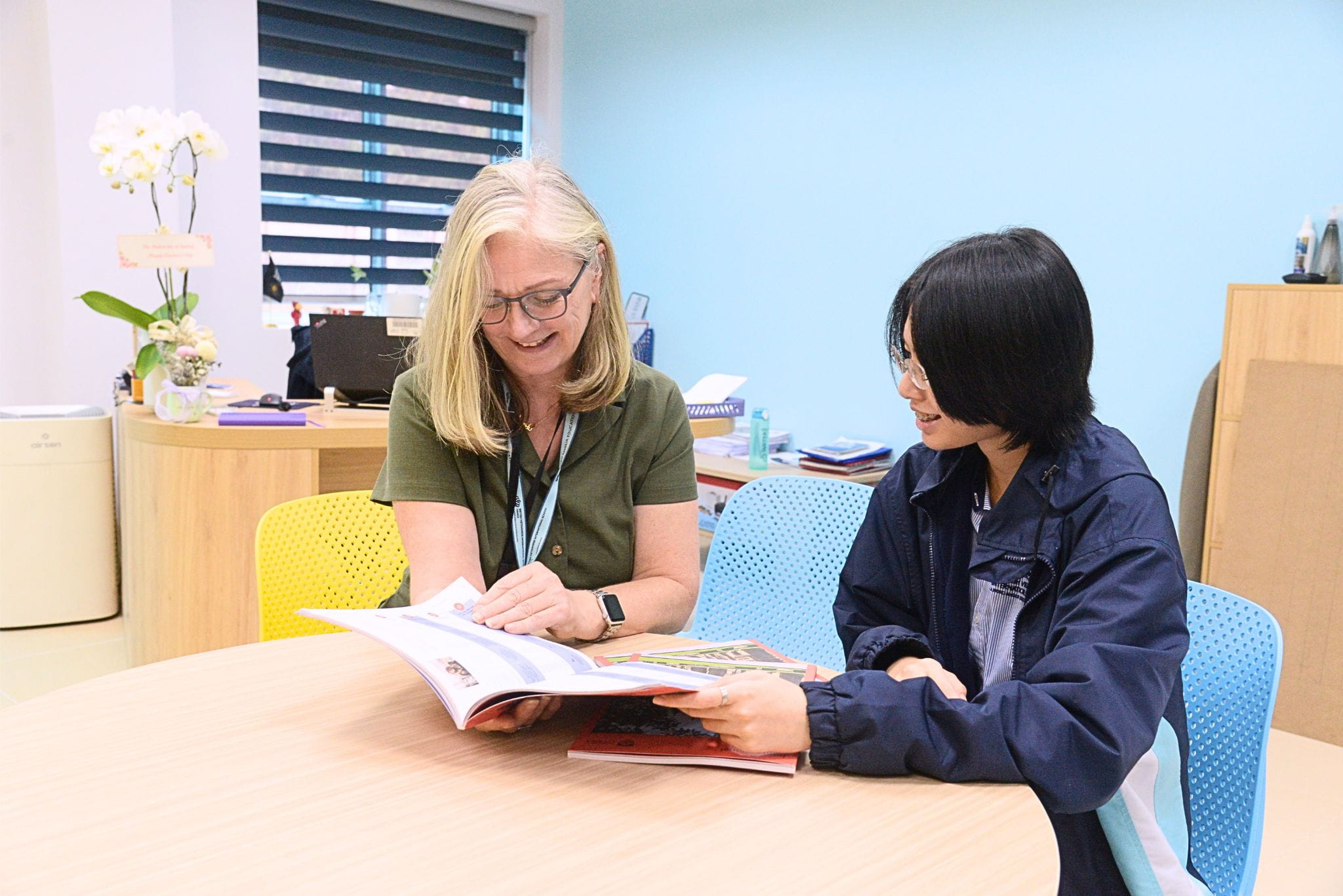
For families considering how best to support their child’s transition to higher education, the most reassuring evidence often lies in the structure behind the scenes. Guidance that begins early, evolves each year, and remains transparent provides that reassurance.
Parents who wish to understand how higher education preparation unfolds in practice are welcome to speak directly with our academic and university guidance team.
Related news
News image ![Student Highlights & Success Stories (28/09 - 02/10/2026) | BVIS Hanoi - Weekly Updates 02-10-26]() News | Weekly School Updates
News | Weekly School Updates
 News | Weekly School Updates
 Student Highlights & Success Stories (28/09 - 02/10/2026)
Student Highlights & Success Stories updated from BVIS Hanoi's Senior Leadership Team (28/09 - 02/10/2026)
News image ![Student Highlights & Success Stories (21/09 - 25/09/2026) | BVIS Hanoi - Weekly Updates 25-09-26]() News | Weekly School Updates
News | Weekly School Updates
 News | Weekly School Updates
 Student Highlights & Success Stories (21/09 - 25/09/2026)
Student Highlights & Success Stories updated from BVIS Hanoi's Senior Leadership Team (21/09 - 25/09/2026)


