

12 August, 2026
Why I Chose the IB Diploma Programme
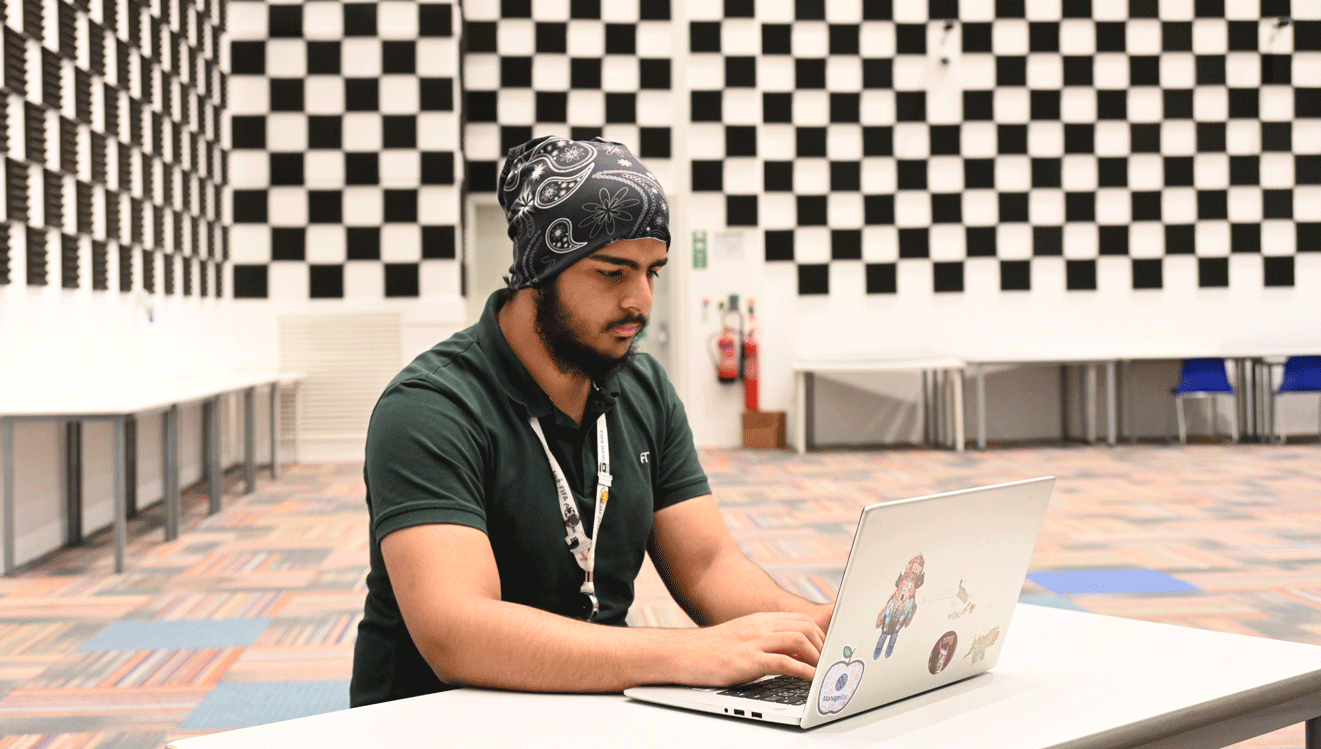

Reflecting on my choice; I realise that selecting IB programme over A-levels has been pivotal in my life. Most people believe IB to be an intense, rigorous and studious programme. Majority of my friends chose A-Levels, and my parents assumed I would too. However, during my IGCSE years I had a few niche s and talents that I couldn't have pursued in A-levels, and I saw IB as a chance that can open multiple doors and prepare myself me for an unpredictable future.
When I was younger, the future felt simple. All I needed to do was to get an education, go to university, and land a good job. However, that has changed now with rapid advancements in technology and AI. Entry-level job roles are being absorbed by senior level employees which made me realise that I had to keep my options open for a secure future. I knew that adaptability and vast amount of knowledge would be essential.
The programme forces us to do 6 subjects, while also doing CAS (Creativity, Activity, Service) where we must take on activities outside of school that help build our talents. Theory of Knowledge (TOK) and Extended Essay, which are also elements of the programme, help us improve our critical thinking and justification skills. Nearly every subject requires an essay or an independent experiment, which I feel prepares me better for the future. I always thought A-levels emphasised more deeply on understanding of content, but IB felt more like where I can improve my whole self bit by bit. This programme would give me the opportunity to develop key skills on top of my niche talents.
Learning to adapt
IB is a large mix of dedication, resilience, discipline and anxiety packed into two years. During my first year I was already starting to face the challenge of frequent exams, homework's and assessments, one after another, and I found my downtime shrinking every week. And all this happened right from the first month. This made me realise, I had to shift gears fast or I would have fallen behind. I adapted quickly especially after the first math exam. which happened to be my best subject, didn't go as well as I had hoped.
That was my first real challenge- breaking the habit of coming home and doing nothing until late at night or procrastinating until 1 am the night before an exam. So, I used CAS to my advantage by creating an after-school study session with my friends, that was open to everyone. We stayed back until 5 pm to help each other work through subjects and areas we were struggling with. CAS also helped me balance my time at school while having fun. I helped the Marketing Department with photography, read to Primary students during my break and saw them improve day by day, and regularly used the school gym facilities during and after school hours. It forced me to find the motivation and discipline I needed to excel in school. And because our cohort is small (I only have 27 classmates, even though the year group is much bigger) I could form close friendships and share my struggles with people who genuinely understood them.
Driving Growth Through Uncertainty
Another challenging time was when I had to relocate to India for three months during a period of regional conflict in the GCC, which I am sure a lot of my fellow students can relate with. Had I been in another school I would have had to restart the IB journey entirely to have a good foundation for university. However, the exceptional teachers and senior leadership at Compass did something I could have never anticipated from any other educational institution. They had arranged for recorded lessons and online assessments whenever possible and went out of their way to provide resources that helped me achieve grades no one would have expected from a student who'd missed months of school. The school even offered to delay my mocks so I can have a fair chance to get my grades up after the summer. This experience made it clear that I had chosen the right school, that Compass does care about my determination to succeed and supports me in building that foundation for the future.
Looking Ahead
IB has put me in a much stronger position for the future - one where I can be flexible, showcase my strengths, and build new ones. I want to go into cybersecurity, a field that demands critical thinking, problem-solving, and teamwork and I believe IB will not just help me with that, but will force me to build that for what’s next. This year alone, I've done more research, essay writing, independent and collaborative project work than in any previous school year combined. It's been a real shift, and I'm proud of the foundation I've built.
My advice for Future IB Students
If you are considering IB, you must know it requires a lot from you, it will reshape how you think, speak, your routines and priorities. So, be prepared to adapt and change. It is great if you have a niche hobby, because IB can turn that into something you can build your future with. It's especially worth considering if you're not yet sure what field you want to study or work in.
IB can be a hard choice for some as it is rigorous and consumes a lot of our time for studying, being active and constantly researching. If you feel like you have the time and energy to do so, give it a try. The summer before DP1, I remember second guessing my decision and doubting whether I had chosen the right subjects but once I ensured that my choices met the requirements of the universities I was interested in applying for, I was genuinely glad that I had chosen IB.
Written by:
Kanak S.
Compass PLUS student
Related news
News image ![Accredited Dutch School Programme in Qatar | Nord Anglia Education Doha - Qatars only accredited Dutch school programme expands with a dedicated classroom at Compass]() News | Featured | News | Themaid
News | Featured | News | Themaid
 News | Featured | News | Themaid
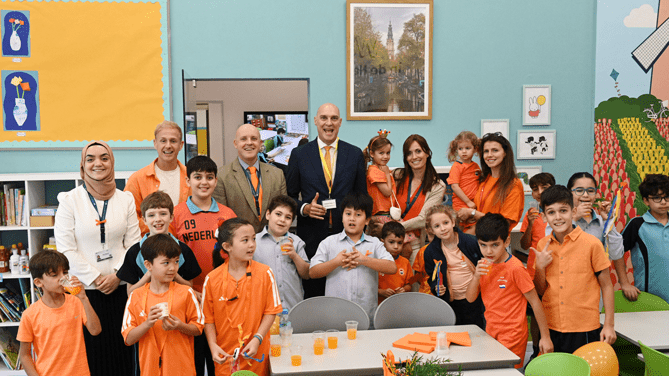
 Qatar’s only accredited Dutch school programme expands with a dedicated classroom at Compass
Qatar’s only accredited Dutch school programme expands with dedicated classroom at Compass International School Doha
News image ![Play-Based Learning in Early Years | Nord Anglia Education Doha - Why theres no such thing as Just Playing in Early Years]() Blog | Featured
Blog | Featured
 Blog | Featured
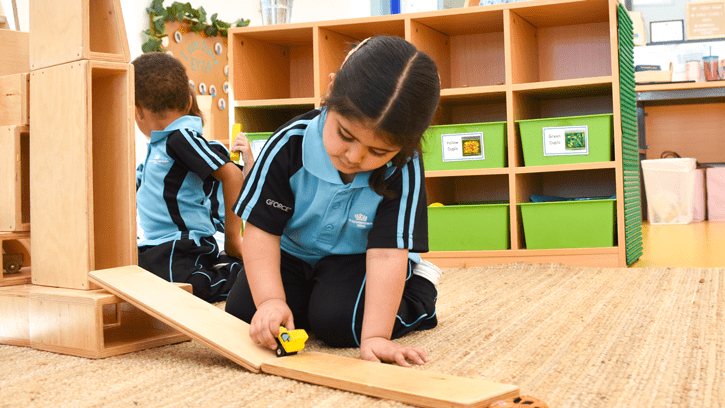
 Why There's No Such Thing as 'Just Playing' in Early Years
Play is much more than fun. In the Early Years, it plays an essential role in helping children build confidence, independence, creativity and resilience. Discover how our purposeful, play-based approach at Compass nurtures curiosity while developing the cognitive, physical, social and emotional skills that create strong foundations for lifelong learning.
News image ![Global Citizenship Education | Nord Anglia Education Doha - How Global Citizenship Prepares Children for the Future]() Blog
Blog
 Blog
Blog How Global Citizenship Prepares Children for the Future
Discover how global citizenship helps children develop the confidence, empathy and critical thinking skills they need to thrive in an increasingly connected world. Learn how our collaboration with UNICEF, Model United Nations and real-world learning experiences empower students to understand different perspectives, contribute positively to their communities and prepare for the future.
News image ![Why the IMG Academy Experience Is About More Than Sport - Why the IMG Academy Experience Is About More Than Sport]() Blog
Blog
 Blog
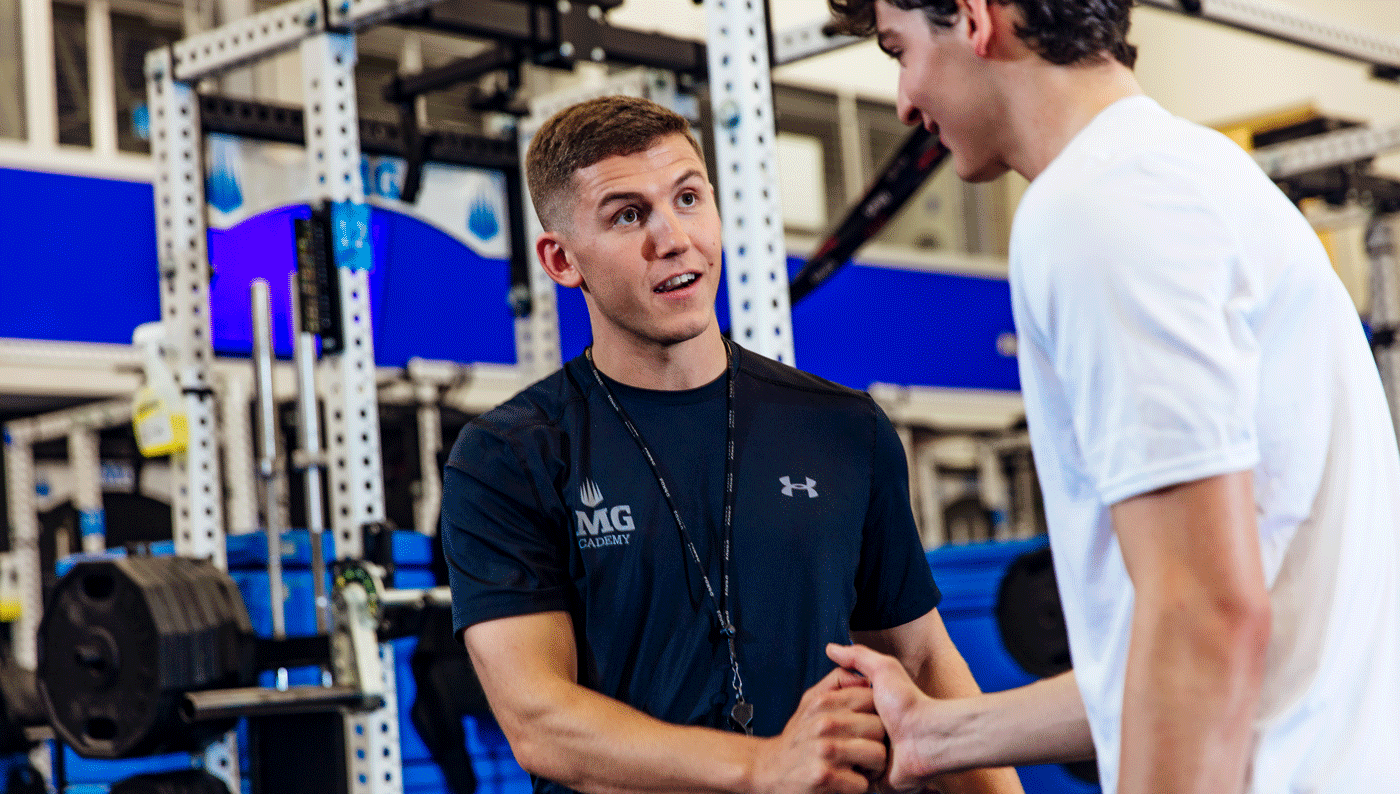
Blog Why the IMG Academy Experience Is About More Than Sport
Discover how our collaboration with IMG Academy goes beyond sport, helping every child develop confidence, resilience, healthy habits and a positive mindset. Learn how world-class expertise supports students with skills they can use in the classroom, on the sports field and throughout life.


