



We use cookies to improve your online experiences. To learn more and choose your cookies options, please refer to our cookie policy.
17 August, 2026
How MIT brings learning to life
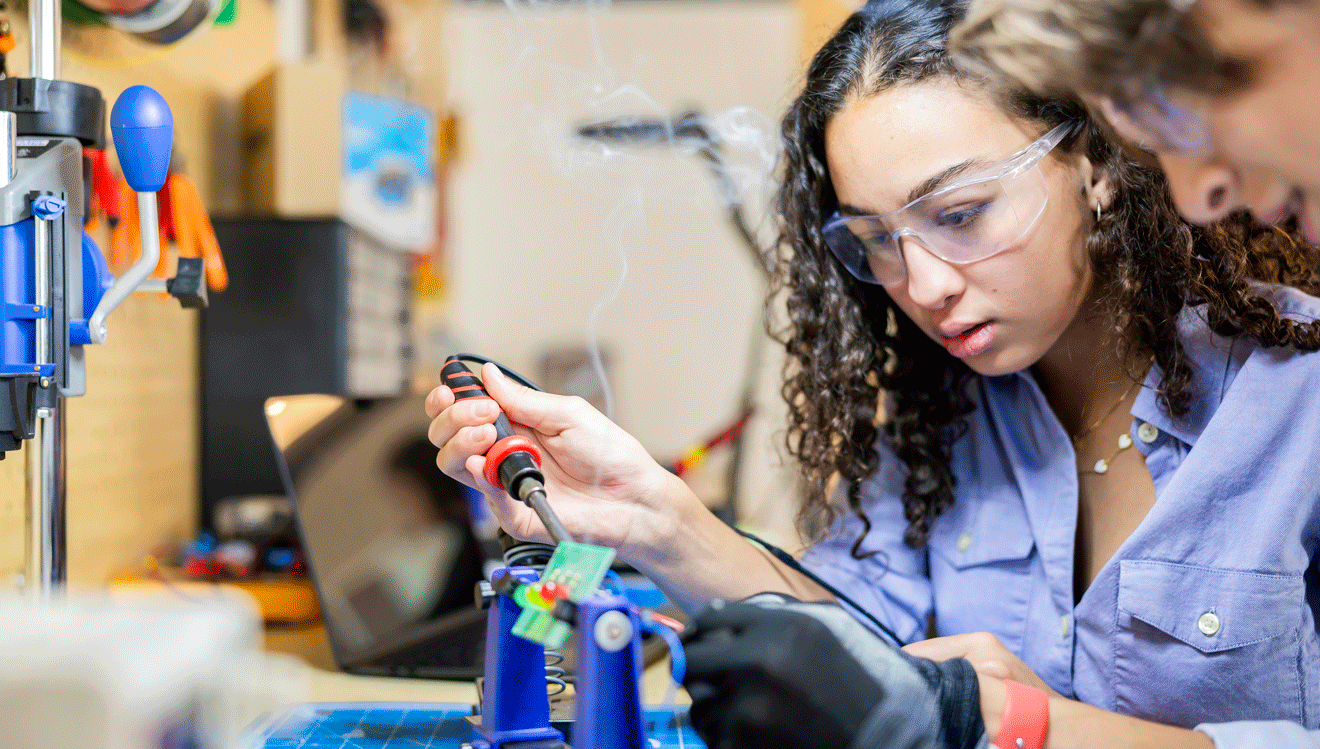
How Our MIT Collaboration Brings Learning to Life
Children are naturally curious. They ask questions, explore ideas, and want to understand how the world works.
The best schools don’t simply give children the answers, and instead encourage them to investigate, experiment, and discover solutions for themselves.
That’s why real-world, enquiry-based learning is such an important part of a modern education – and why Compass International School Doha’s collaboration with MIT (Massachusetts Institute of Technology) gives students opportunities that go far beyond the classroom.
Why does real-world learning matter?
Children learn best when they can apply their knowledge to meaningful challenges.
Instead of memorising facts in isolation, they learn to ask questions, test ideas, work collaboratively, and refine their thinking as they solve problems.
These experiences help develop creativity, resilience, and critical thinking, which are all skills that are increasingly important in higher education and future careers.
What does the MIT collaboration involve?
Through Nord Anglia Education’s collaboration with MIT, students explore a series of annual STEAM challenges inspired by the work of MIT researchers.
Far from being hypothetical classroom exercises, these are based on real research and encourage students to think creatively about genuine scientific and engineering challenges.
Students can also engage directly with MIT researchers through interactive sessions and the MIT Abstracts platform, where they can ask questions and learn more about the thinking behind the research.
Learning from real-world challenges
One recent challenge invited students to design water filtration systems that could be used on Mars, inspired by research connected to NASA’s Perseverance Rover mission.
Rather than simply learning about space exploration, students were encouraged to think like engineers, investigating problems, testing ideas and developing creative solutions.
Projects like these help children see that science and engineering aren’t merely subjects to study, but that they’re ways of understanding and improving the world around us.
More than science and technology
Although the collaboration is rooted in STEAM, students develop far more than scientific knowledge.
Working on open-ended challenges encourages teamwork, communication, creativity, and perseverance. Children learn that not every problem has a single correct answer and that innovation often comes through collaboration, experimentation, and learning from mistakes.
These are skills they’ll continue to use whatever path they choose in the future.
Opportunities beyond the classroom
Each year, selected Nord Anglia students also have the opportunity to visit MIT’s campus in Cambridge, Massachusetts, where they take part in workshops, collaborative projects, and learning experiences alongside students from around the world.
While only a small number of students attend each year, the collaboration enriches learning for every Compass student through classroom challenges, online engagement, and resources developed with MIT.
Preparing children for the future
At Compass International School Doha, we believe education should inspire children to stay curious, think independently, and approach new challenges with confidence.
Our collaboration with MIT helps bring that philosophy to life by connecting classroom learning with real-world ideas and encouraging students to become active problem-solvers rather than passive learners.
After all, today’s curious children will become tomorrow’s innovators, researchers, and leaders.
Frequently Asked Questions
Can school students really work with MIT?
Yes. Through Nord Anglia Education’s collaboration with MIT, students take part in STEAM challenges inspired by MIT research, engage with researchers, and access learning resources developed through the partnership.
What is STEAM education?
STEAM brings together science, technology, engineering, the arts, and mathematics through practical, enquiry-based learning that encourages creativity and problem-solving.
What kinds of projects do students complete?
Students work on real-world challenges inspired by current research, exploring topics such as engineering, sustainability, and space while developing collaboration and critical thinking skills.
Discover learning without limits
If you’d like to see how Compass International School Doha inspires curiosity through its collaboration with MIT, we’d be delighted to welcome you for a personalised tour or conversation with our admissions team. Contact our Admissions HERE.
Related news
News image ![Accredited Dutch School Programme in Qatar | Nord Anglia Education Doha - Qatars only accredited Dutch school programme expands with a dedicated classroom at Compass]() News | Featured | News | Themaid
News | Featured | News | Themaid
 News | Featured | News | Themaid
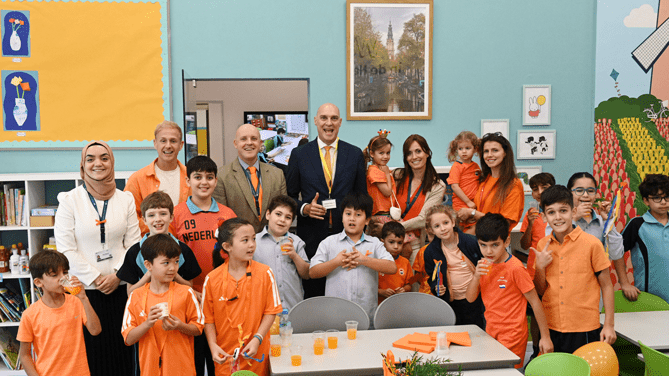
 Qatar’s only accredited Dutch school programme expands with a dedicated classroom at Compass
Qatar’s only accredited Dutch school programme expands with dedicated classroom at Compass International School Doha
News image ![Play-Based Learning in Early Years | Nord Anglia Education Doha - Why theres no such thing as Just Playing in Early Years]() Blog | Featured
Blog | Featured
 Blog | Featured
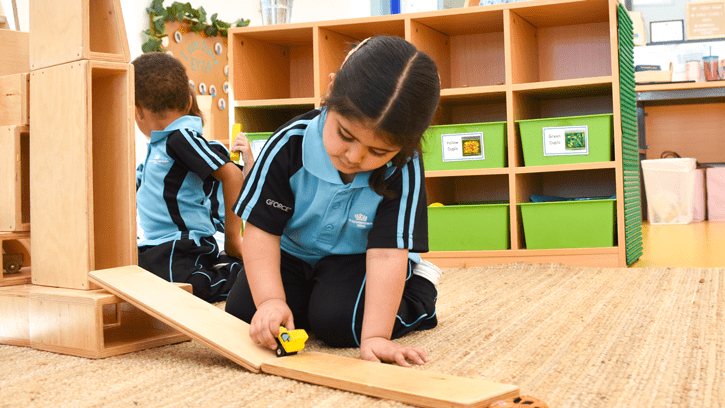
 Why There's No Such Thing as 'Just Playing' in Early Years
Play is much more than fun. In the Early Years, it plays an essential role in helping children build confidence, independence, creativity and resilience. Discover how our purposeful, play-based approach at Compass nurtures curiosity while developing the cognitive, physical, social and emotional skills that create strong foundations for lifelong learning.
News image ![Global Citizenship Education | Nord Anglia Education Doha - How Global Citizenship Prepares Children for the Future]() Blog
Blog
 Blog
Blog How Global Citizenship Prepares Children for the Future
Discover how global citizenship helps children develop the confidence, empathy and critical thinking skills they need to thrive in an increasingly connected world. Learn how our collaboration with UNICEF, Model United Nations and real-world learning experiences empower students to understand different perspectives, contribute positively to their communities and prepare for the future.
News image ![Why the IMG Academy Experience Is About More Than Sport - Why the IMG Academy Experience Is About More Than Sport]() Blog
Blog
 Blog
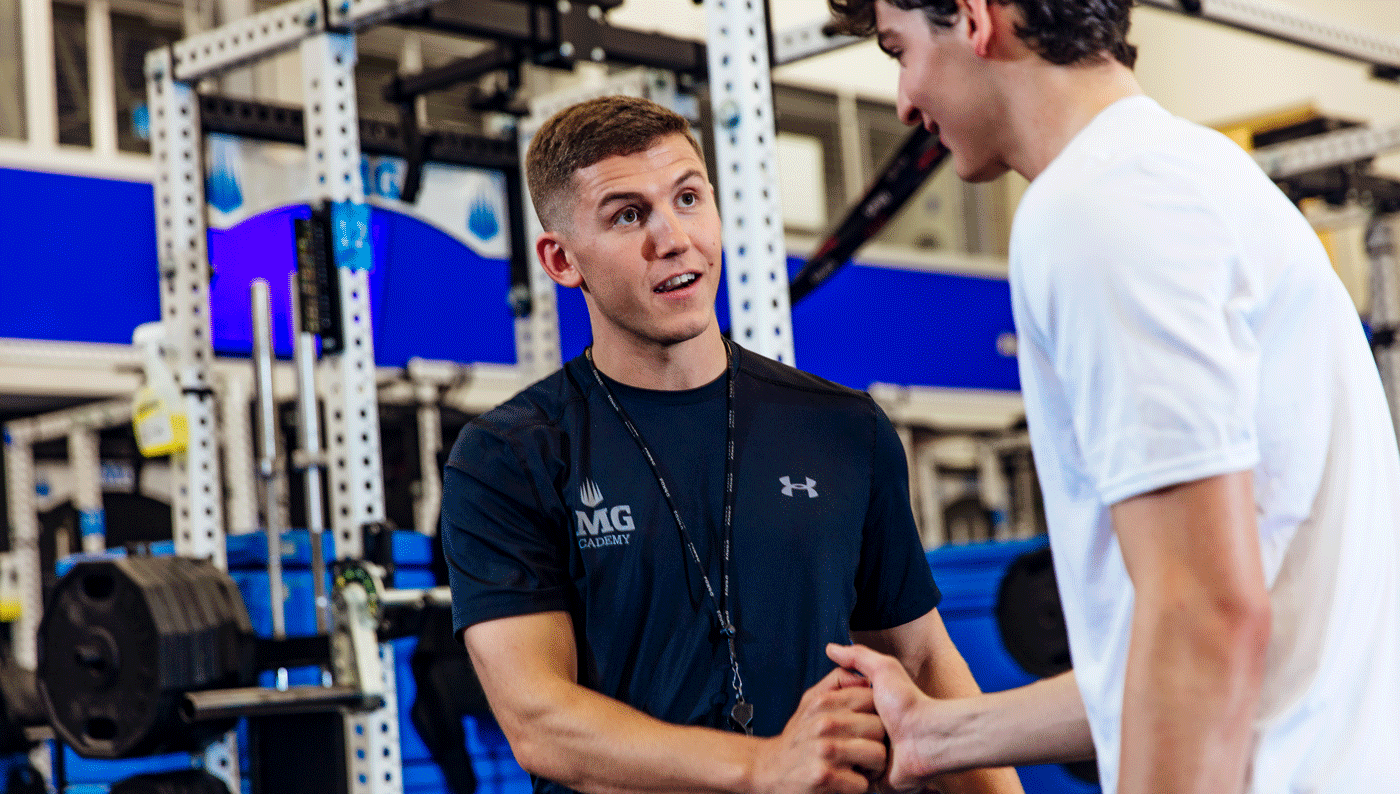
Blog Why the IMG Academy Experience Is About More Than Sport
Discover how our collaboration with IMG Academy goes beyond sport, helping every child develop confidence, resilience, healthy habits and a positive mindset. Learn how world-class expertise supports students with skills they can use in the classroom, on the sports field and throughout life.


