



We use cookies to improve your online experiences. To learn more and choose your cookies options, please refer to our cookie policy.
31 March, 2026
What parents should really look for when evaluating an international school

Choosing a school is rarely straightforward. Many international schools in Singapore offer strong facilities, broad curricula, and a wide range of activities. On the surface, they can appear similar. This is why many parents find themselves asking a deeper question: how do you tell whether a school is genuinely strong, not just well presented?
The answer often lies in what is less visible during a school visit. The quality of relationships, the consistency of teaching, and the systems that support learning all play a defining role in shaping a student’s experience.
At Dover Court International School Singapore (DCIS, Singapore), these underlying factors are central to how the school defines quality.
The importance of relationships and culture
One of the clearest indicators of a strong school is the quality of relationships within it.
In effective learning environments, teachers know their students well, and students feel comfortable engaging with both teachers and peers. This creates a culture where learning is collaborative, supportive, and purposeful.
At the start of each academic year, all students take part in Learning to Learn units. These units help students settle into their new environment while establishing shared expectations for how learning works at Dover Court.
Students explore themes such as identity, diversity, and inclusion, and work with teachers to develop clear norms for discussion, collaboration, and learning behaviours. This creates a strong foundation for respectful, engaged classrooms where students feel confident, supported, and ready to learn.
Russell Moriarty, Deputy Head for Upper Primary, highlights the importance of this foundation.
“Strong schools are built on relationships. You can see it in how students interact with teachers and with each other, and in the attitudes they bring to their learning.”
This extends beyond the classroom. When students support each other, explain ideas, and take responsibility for their learning community, it reflects a deeper culture of engagement and respect.
At Dover Court, inclusivity is central to this culture. Students build empathy, confidence and respect for others. These relationships support how they learn, giving students the confidence to ask questions, explain their thinking, and engage more actively in the classroom. Over time, this strengthens friendships while also supporting emotional regulation and a strong sense of belonging.
Looking beyond facilities to teaching quality
While facilities and resources are important, the most significant factor in school quality remains the teacher.
This means that when evaluating an international school, parents should look closely at how teaching is supported and developed.
At Dover Court, teachers are not only responsible for delivering lessons but are also actively involved in shaping the school’s approach to learning.
Russell Moriarty explains this role.
"Teachers work together to design learning that helps students understand big ideas, make connections across subjects, and apply their learning in meaningful ways."
When teachers are engaged, supported, and involved in decision-making, it contributes to a more dynamic and responsive learning environment.
Systems and processes that ensure consistency
Another key factor that distinguishes a strong school is the presence of clear and consistent systems.
These systems help ensure that expectations remain stable across classrooms and year groups. They support teaching quality, guide student behaviour, and create a sense of structure for both students and staff.
At Dover Court, Singapore, systems and processes are designed to be clear, consistent, and easy to follow. This reduces variability and helps maintain high standards across the school.
Russell Moriarty emphasises the role of these systems.
"Well embedded systems allow both students and teachers to focus their energy on learning rather than on uncertainty or inconsistency."
For parents, this provides reassurance that quality is not dependent on individual teachers alone but supported by a shared framework that underpins the whole school experience.
A culture of collaboration and professional learning
The best schools in Singapore are not static. They are constantly improving.
One of the ways this happens is through teacher collaboration and ongoing professional learning. When teachers work together, share ideas, and reflect on their practice, teaching becomes more consistent and effective.
At DCIS, Singapore, collaboration is a central part of the school’s culture. Teachers regularly share strategies, observe each other’s practice, and explore new approaches to learning.
There is also a strong emphasis on professional development, ensuring that teachers continue to refine their skills and stay informed about developments in education.
Teachers engage in rigorous, high‑quality professional learning opportunities, working with world‑leading education consultants and taking part in respected programmes such as the Nord Anglia University Master’s Programme with King’s College, London.
Staff are also involved in research‑informed projects in partnership with institutions such as MIT, Juilliard, as well as Harvard and Boston College, allowing them to explore effective teaching approaches and apply new learning directly in the classroom.
This culture of learning among teachers directly benefits students, as it leads to more thoughtful and effective classroom practice.
Opportunities that extend beyond the classroom
A strong international school experience also includes opportunities that go beyond academic lessons.
At Dover Court, students benefit from programmes and activities that encourage agency, global awareness, and personal development. Initiatives such as student leadership opportunities, global collaborations, and enrichment programmes allow students to engage with learning in different ways.
Russell Moriarty highlights the importance of these experiences.
"These experiences help students build confidence, broaden their perspectives, and develop a sense of purpose. They support a well‑rounded education that values personal growth, creativity, and real‑world application alongside academic achievement."
Through Nord Anglia’s partnerships with Juilliard and MIT, students also experience rich opportunities in the performing arts and STEAM learning, developing creativity, confidence, and problem‑solving skills alongside academic understanding.
These experiences contribute to a more holistic education, supporting both academic development and personal growth.
Making a confident and informed choice
When evaluating an international school, it is easy to focus on what is immediately visible. However, long-term educational quality is shaped by deeper factors.
Strong relationships, effective teaching, clear systems, and a culture of collaboration all contribute to a consistent and supportive learning environment.
At Dover Court International School, these elements work together to create a school experience that is structured, responsive, and focused on each child’s development — academically, socially, and emotionally.
For parents, understanding these indicators can make it easier to make a confident and informed decision.
Parents who would like to explore these aspects in more detail are always welcome to speak with the academic team and see how these principles are reflected in daily school life.
Related news
News image ![How Dover Court Develops Leadership, Initiative and Human Skills - How Student Voice and Leadership Come to Life at Dover Court]() Blog | Art Drama and Music | Academic
Blog | Art Drama and Music | Academic
 Blog | Art Drama and Music | Academic
 How Student Voice and Leadership Come to Life at Dover Court
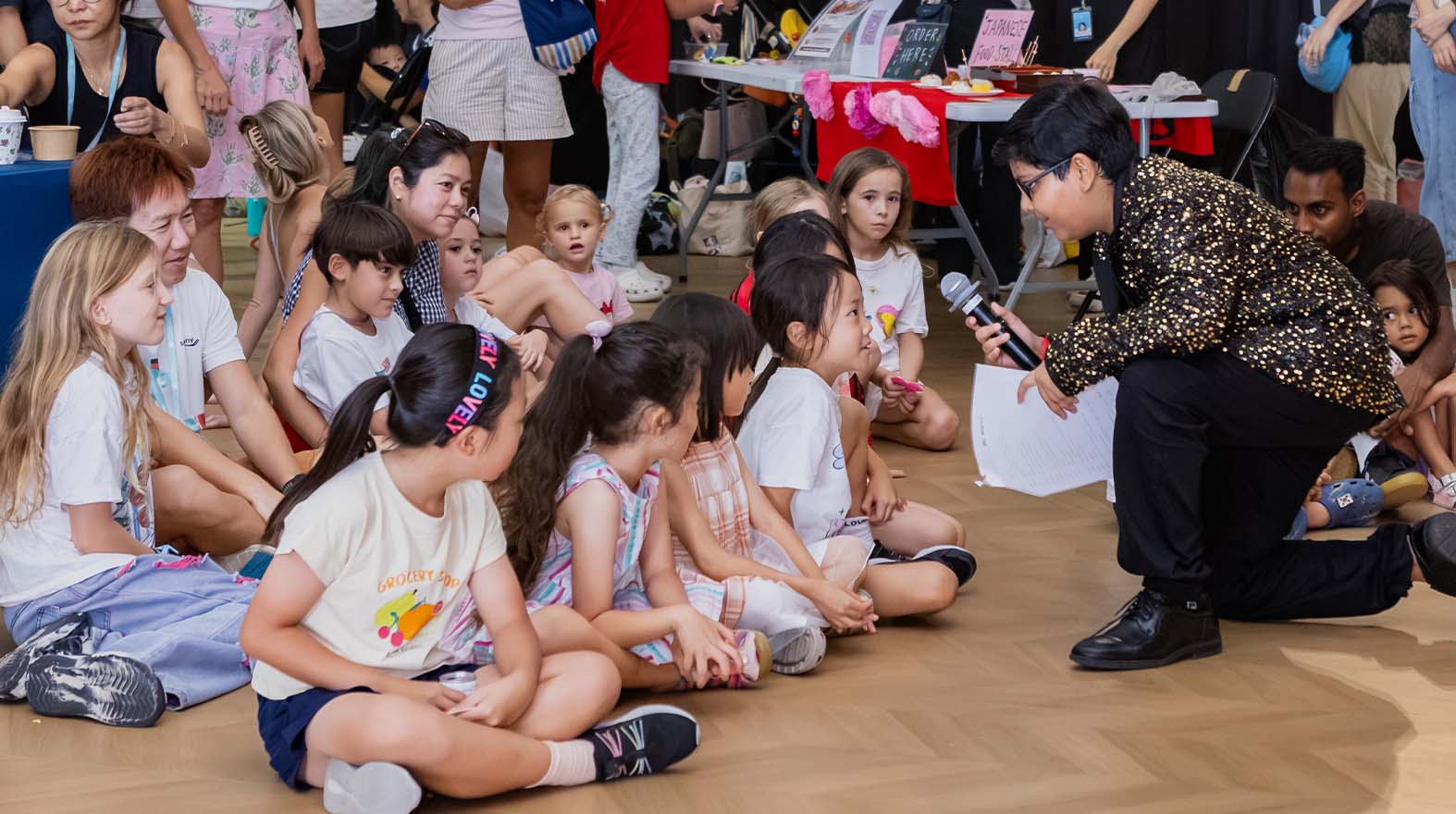
What happens when students are empowered to turn ideas into reality? Discover how Year 9 student Daksh developed leadership, communication and problem-solving skills through a student-led initiative, and how experiences like these help young people develop the human skills needed for the future.
News image ![Why Struggle and Joy Belong Together in Maths | Dover Court International School Singapore - Why Struggle and Joy Belong Together in Maths]() Blog | Academic | Parent Guides
Blog | Academic | Parent Guides
 Blog | Academic | Parent Guides
 Why Struggle and Joy Belong Together in Maths: Reflections from a Parent Workshop
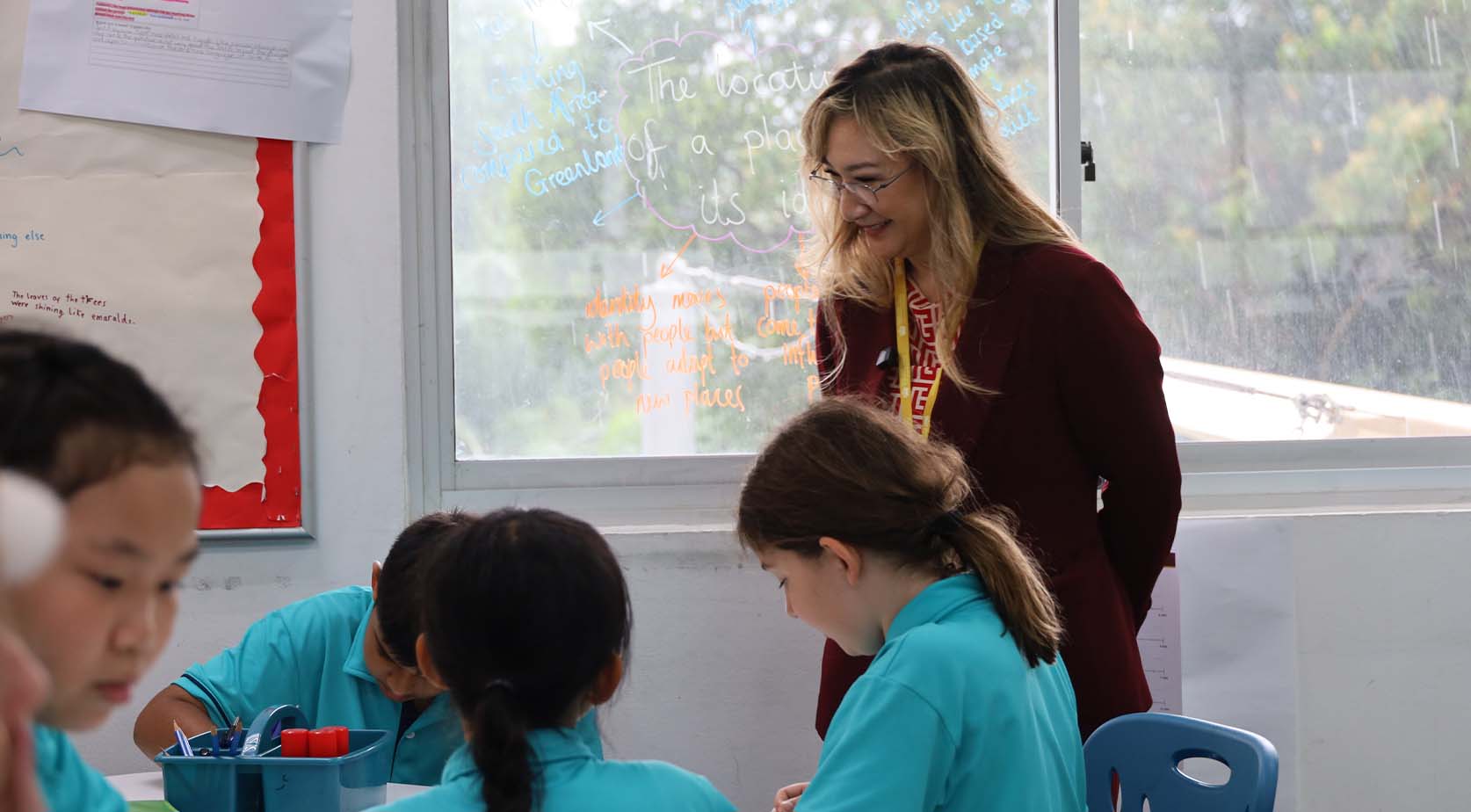
How can we help children develop confidence and enjoyment in mathematics? Following a parent workshop at Dover Court International School, internationally recognised mathematics educator Dr Jennifer Chang Wathall explores the relationship between challenge, resilience and joyful learning.
News image ![Student Leadership at Dover Court International School Singapore | Meet Our 2026-27 Head and Deputy Head Students - Student Leadership at Dover Court Meet Our Head and Deputy Head Students for 2026-27]() News
News
 News
News Student Leadership at Dover Court: Meet Our Head and Deputy Head Students for 2026-27
Meet our Head and Deputy Head Students for 2026-27 and learn how leadership opportunities at Dover Court help students develop confidence, responsibility and a strong sense of community. From Primary School leadership opportunities to student-led initiatives and global experiences, leadership is nurtured at every stage of the Dover Court journey.
News image ![Dover Court International School Welcomes New Principal Richard Vaughan - Dover Court International School Welcomes New Principal Richard Vaughan]() News
News
 News
News Dover Court International School Welcomes New Principal Richard Vaughan
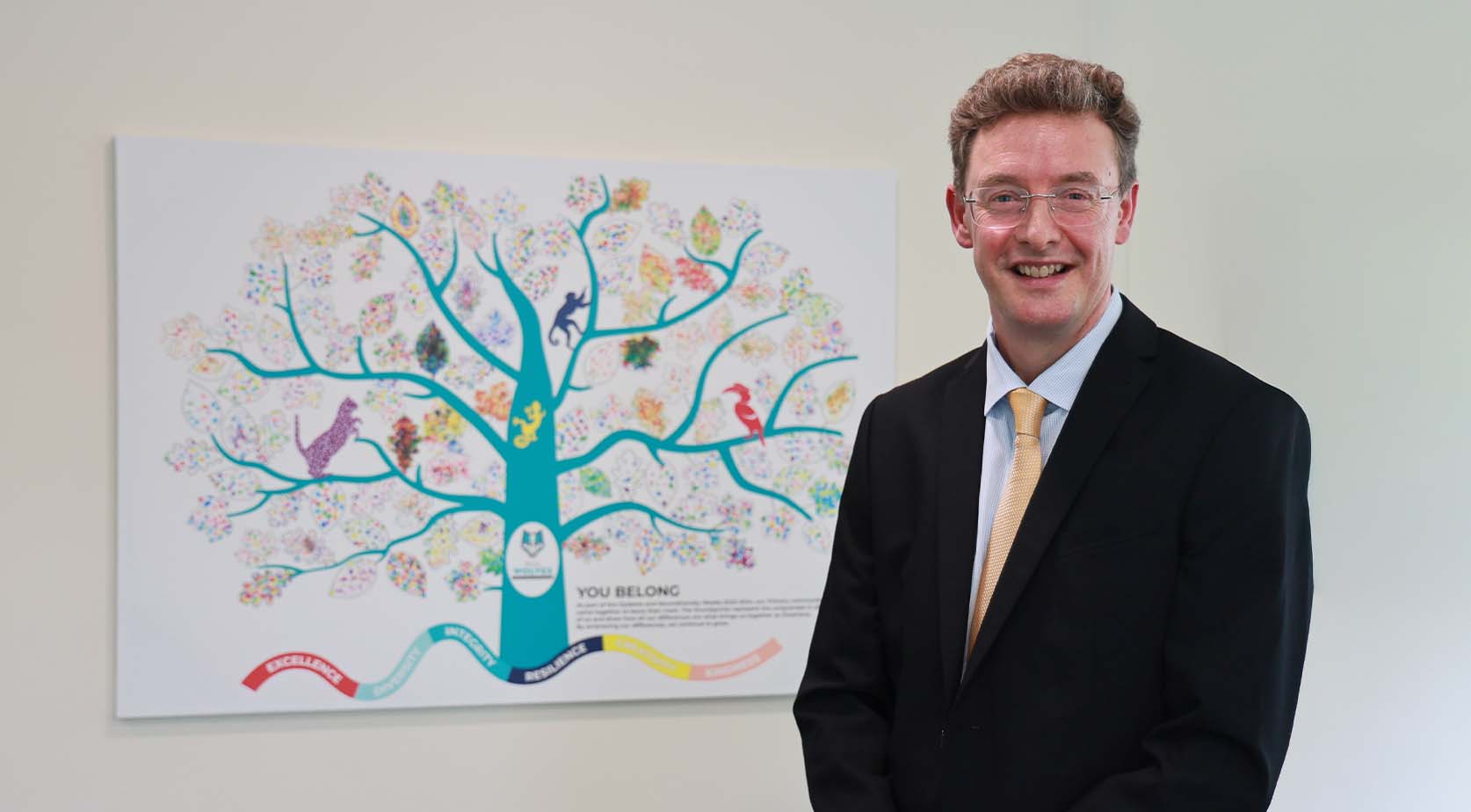
Dover Court International School is delighted to welcome Richard Vaughan as Principal, having joined the school at the start of the 2026-27 academic year. Bringing more than 25 years of educational leadership experience across the UK and internationally, Mr Vaughan joins Dover Court with a strong track record of fostering academic excellence, inclusive education and community-building.


