



We use cookies to improve your online experiences. To learn more and choose your cookies options, please refer to our cookie policy.
31 March, 2026
What teachers really contribute to a student’s education
.jpg?h=546&iar=0&w=820&rev=57a3cd2a680c400b80654e8bab430f94&hash=1379D7CD2AA21EFE533FDC2298593CEC)
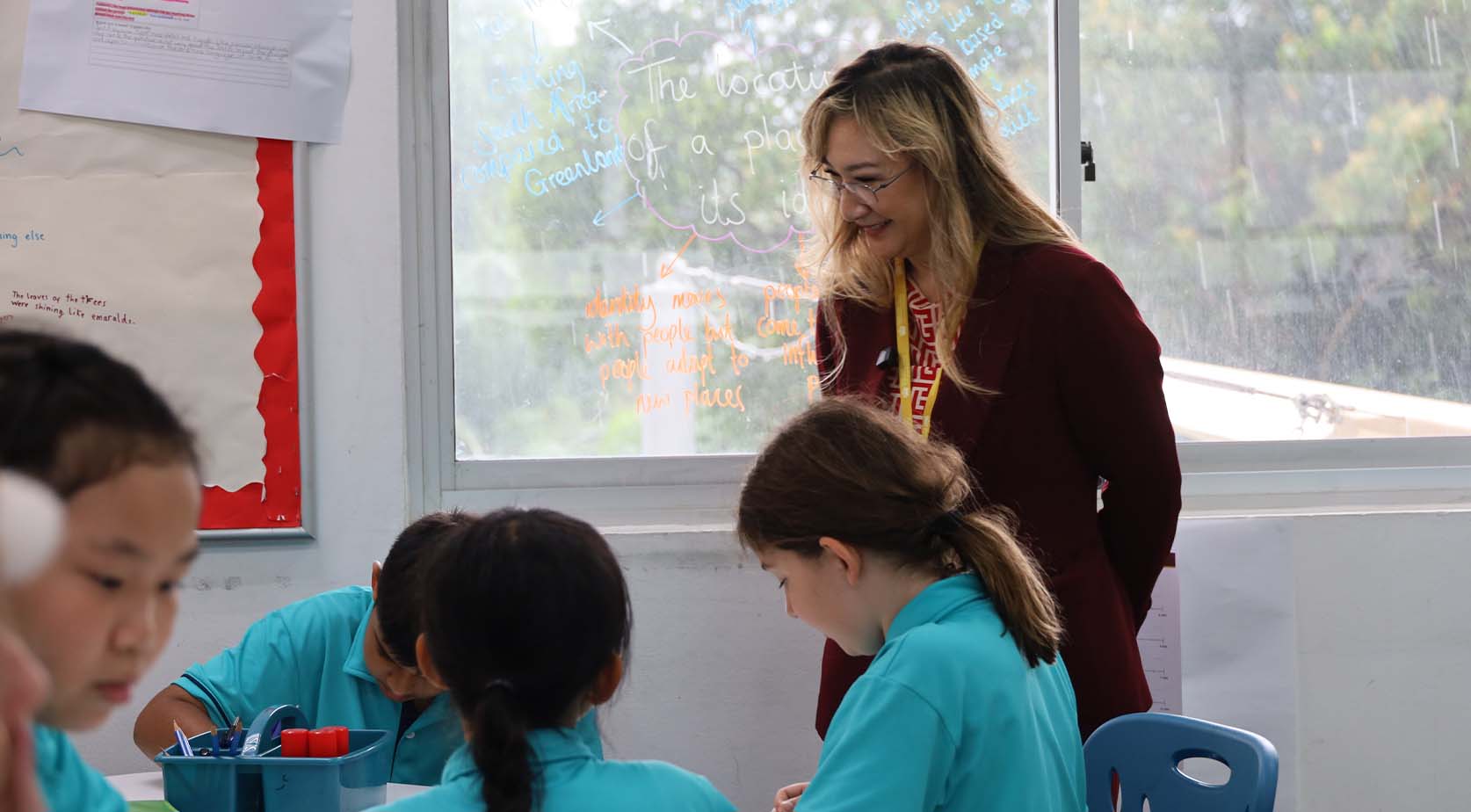
Often parents focus on outcomes such as exam results, university placements and academic progress. What they often miss lies in the day-to-day, the quality of teaching and learning.
Understanding the role of a teacher goes far beyond subject knowledge. Strong teaching combines professional expertise, ongoing professional learning and collaboration to support each student’s learning over time.
At Dover Court International School, Singapore (DCIS, Singapore), teacher effectiveness is built through a deep understanding of how students learn, a commitment to ongoing professional growth, and a collaborative approach to improving practice.
Understanding how students learn
Effective teaching begins with strong student-teacher relationships. By taking the time to understand each child as an individual, teachers create the conditions for meaningful learning and a deeper understanding of how each student learns best.
This includes an awareness of cognitive development, the role of memory and thinking processes, and the impact of emotional and social factors on learning.
Rachel Edwards, Head of Secondary, explains the range of knowledge teachers draw on.
“Teachers need a strong understanding of how students learn, including metacognition, child development, and the impact of mental health on learning. This helps them recognise when students may need additional support and greater challenge and how best to respond.”
Students need to feel safe to learn best. Robust safeguarding awareness helps teachers to identify potential barriers to learning through changes in behaviour or engagement.
When equal priority is given to learning and well-being, teachers are better able to respond to each student’s needs and students are more likely to flourish.
Designing learning that leads to progress
Teaching effectiveness is also closely linked to how learning is planned and assessed.
Teachers are responsible for designing lessons that build knowledge over time, while also monitoring how well students are progressing. This involves ongoing reflection, evaluation and adaptation of teaching approaches and adjusting them where necessary.
Rachel Edwards highlights the importance of this process.
“Teachers need to understand curriculum design and assessment, and continuously evaluate the impact of their teaching to ensure students are making sustained progress.”
Professional reflection and feedback from learners ensure that learning is both accessible and challenging, meeting students where they are, and informing the next steps in learning.
Ongoing professional learning
Impactful teaching is not a fixed skill. It develops over time through ongoing learning and reflection, with teachers actively shaping their own growth.
At Dover Court, Singapore teachers engage in regular professional learning in teams, development groups and collectively to develop their expertise and work towards school strategic goals. Professional learning is also differentiated to meet the needs of both teachers and Teaching Assistants.
Rachel Edwards explains how this culture of growth is embedded.
“Teacher learning is ongoing. As we learn more about cognitive development and what influences progress, teachers continue to refine their practice through training and collaboration with colleagues, alongside consultants, in range of online and face-to-face opportunities in Singapore and beyond."
Teachers may complete certified courses and gain professional qualifications or contribute to training others. Expertise is recognised within the school, with investment in developing staff to build the capacity of colleagues.
They may also engage in conferences, school visits, and collaborations across wider educational networks, alongside professional learning communities and opportunities to learn from colleagues.
“Every teacher is responsible for their own professional growth, and striving for better practice is an important part of our culture.”
This commitment ensures that teaching remains current, research-based and evidence informed, and aligned with evolving best practices in education.
Collaboration that strengthens teaching impact
Teaching is most effective when it is collaborative. By recognising that learning is a social endeavour, teachers strengthen their practice and improve student outcomes through shared expertise.
At DCIS, Singapore, teachers share ideas, reflect on their practice, and provide constructive feedback to one another. This allows successful strategies to be shared and refined across the school.
Rachel Edwards emphasises the importance of this approach.
“Collaboration is a powerful way to share experience, develop new ideas, and enhance teaching practice. It helps ensure that we are continually improving learning for our students.”
The lasting impact of effective teaching
While facilities, programmes, and curricula all play a role in education, the impact of teachers on successful outcomes remains central. The most effective teachers combine strong subject knowledge with a genuine understanding of their students, creating a lasting impact on how they learn and see themselves.
Teachers encourage learners to think critically, and guide how they approach challenges, building confidence in their abilities. Through expertise in teaching and learning, a commitment to making learning relevant, and ongoing investment in their own development and collaboration, teachers create the conditions for meaningful and sustained learning.
At Dover Court International School, Singapore, this focus on teacher quality helps ensure that students receive not only strong academic instruction but also the support and guidance needed to develop as learners.
Parents who would like to learn more about teaching and learning at Dover Court are always welcome to speak with the academic team and explore how teachers support student progress across the school.
Related news
News image ![How Dover Court Develops Leadership, Initiative and Human Skills - How Student Voice and Leadership Come to Life at Dover Court]() Blog | Art Drama and Music | Academic
Blog | Art Drama and Music | Academic
 Blog | Art Drama and Music | Academic
 How Student Voice and Leadership Come to Life at Dover Court
What happens when students are empowered to turn ideas into reality? Discover how Year 9 student Daksh developed leadership, communication and problem-solving skills through a student-led initiative, and how experiences like these help young people develop the human skills needed for the future.
News image ![Why Struggle and Joy Belong Together in Maths | Dover Court International School Singapore - Why Struggle and Joy Belong Together in Maths]() Blog | Academic | Parent Guides
Blog | Academic | Parent Guides
 Blog | Academic | Parent Guides
 Why Struggle and Joy Belong Together in Maths: Reflections from a Parent Workshop
How can we help children develop confidence and enjoyment in mathematics? Following a parent workshop at Dover Court International School, internationally recognised mathematics educator Dr Jennifer Chang Wathall explores the relationship between challenge, resilience and joyful learning.
News image ![Student Leadership at Dover Court International School Singapore | Meet Our 2026-27 Head and Deputy Head Students - Student Leadership at Dover Court Meet Our Head and Deputy Head Students for 2026-27]() News
News
 News
News Student Leadership at Dover Court: Meet Our Head and Deputy Head Students for 2026-27
Meet our Head and Deputy Head Students for 2026-27 and learn how leadership opportunities at Dover Court help students develop confidence, responsibility and a strong sense of community. From Primary School leadership opportunities to student-led initiatives and global experiences, leadership is nurtured at every stage of the Dover Court journey.
News image ![Dover Court International School Welcomes New Principal Richard Vaughan - Dover Court International School Welcomes New Principal Richard Vaughan]() News
News
 News
News Dover Court International School Welcomes New Principal Richard Vaughan
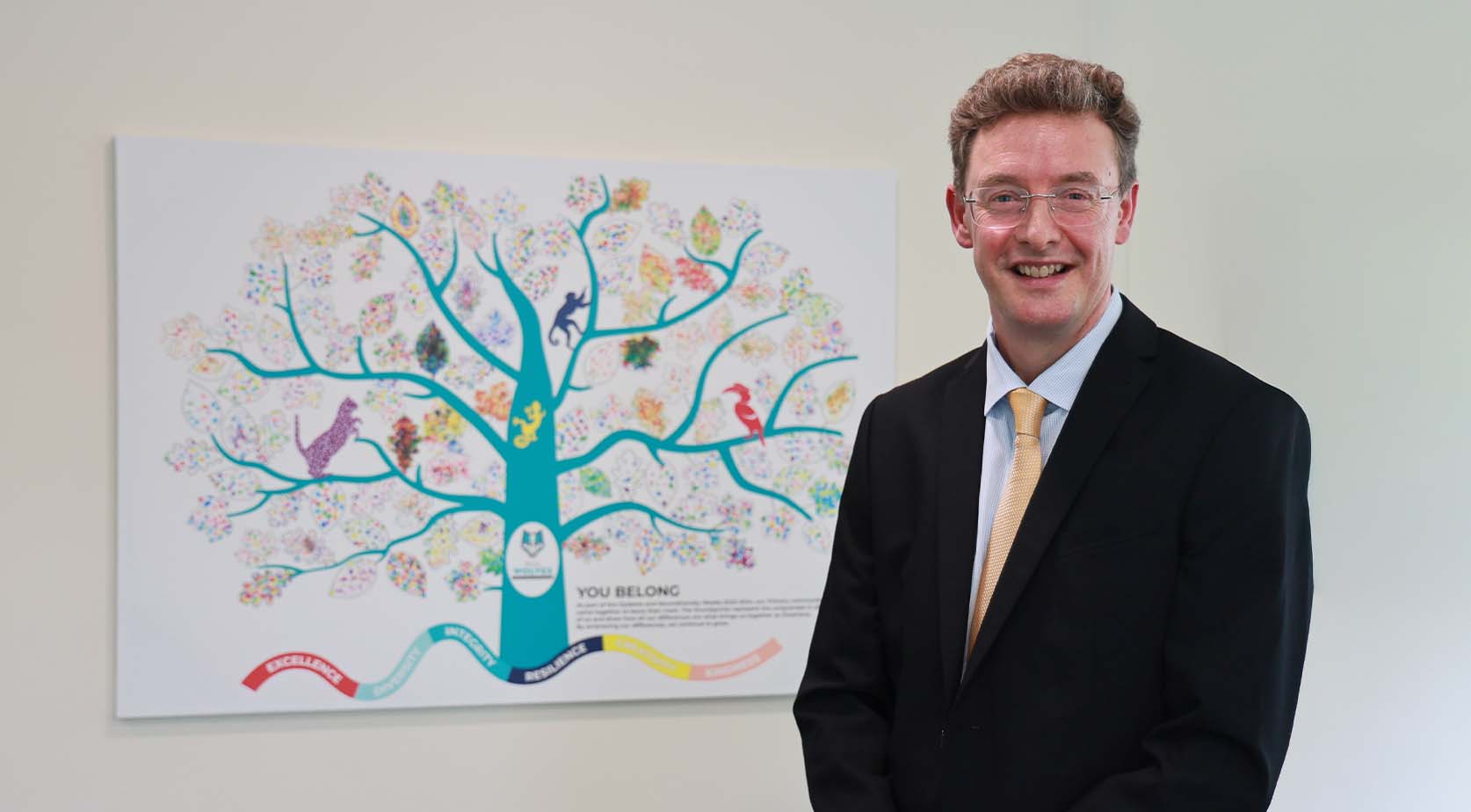
Dover Court International School is delighted to welcome Richard Vaughan as Principal, having joined the school at the start of the 2026-27 academic year. Bringing more than 25 years of educational leadership experience across the UK and internationally, Mr Vaughan joins Dover Court with a strong track record of fostering academic excellence, inclusive education and community-building.


