



We use cookies to improve your online experiences. To learn more and choose your cookies options, please refer to our cookie policy.
03 April, 2026
Why subject choices in secondary school shape future opportunities
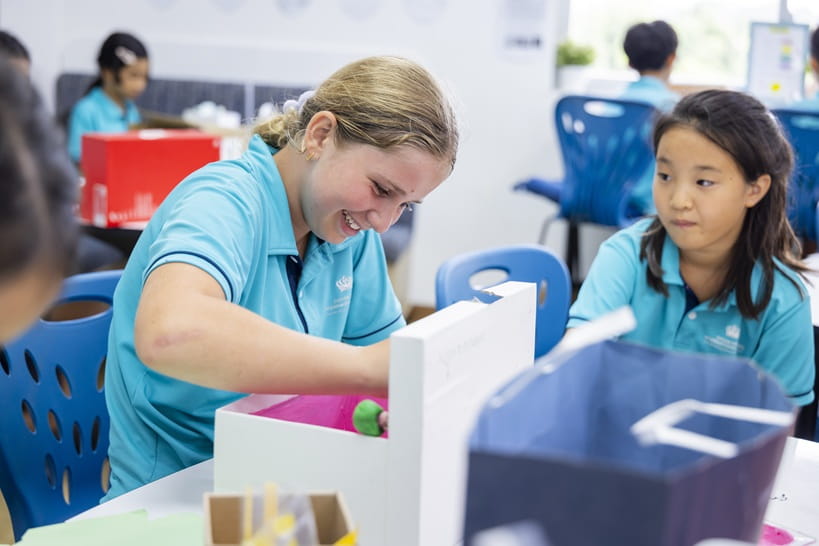
The subjects students choose in secondary school shape far more than their timetable. They influence what students enjoy, where they excel, and the opportunities available to them later on.
For many families, it can be difficult to know how early decisions connect to university pathways, career options, and long-term goals.
At Dover Court International School (DCIS), subject selection is treated as a structured process, supported by clear guidance, informed decision-making, and ongoing academic mentoring.
Structured guidance at key transition points
Subject choices are not made all at once. They happen at important stages as students move through the school.
At Dover Court in Singapore, guidance is provided at key transition points throughout a student’s journey. This begins with the move from Year 6 into Year 7, where students are supported as they transition into secondary school and begin to have agency over the subjects studied.
In Year 8, students receive guidance when selecting their subjects, followed by further support in Year 11 as they make decisions about Sixth Form options. From Year 11 through to Year 13, students are also supported with further education guidance, helping them plan their next steps with confidence.
Carla Hyland, Deputy Head of Secondary, explains how this support is delivered.
“Students receive guidance at key transition points, including detailed curriculum guides, parent workshops, assemblies, transition days, and taster lessons. They also have access to careers and university counsellors, as well as opportunities to speak with teachers and older students.”
This structured approach ensures that students are supported with clear information and multiple opportunities to explore their options.
Helping students understand the impact of their choices
One of the most important aspects of subject selection is understanding its long-term implications.
Carla Hyland highlights the importance of this clarity.
“Students are given clear guidance on the impact of their choices, including how subjects can influence future qualifications, university opportunities, and longer-term goals.”
This helps them make informed decisions rather than simply choosing based on short-term preferences. Choices are never limited or restrictive. Instead, they allow students to balance their interests with an understanding of how different subjects may open or narrow certain options.
Balancing interest, ability, and future goals
Choosing the right subjects involves more than academic performance alone. Students are encouraged to consider a combination of factors that support both success and long-term development.
Carla Hyland explains the key considerations.
“Students are encouraged to think about their enjoyment of a subject, their ability to succeed, and how their choices will support the development of transferable skills and future pathways.”
Enjoyment and curiosity play an important role. Students are more likely to engage deeply with subjects they find interesting. At the same time, teachers help students assess whether a subject is a good fit for their strengths and learning style.
This balanced approach supports both academic success and sustained motivation.
Ongoing support through mentoring and guidance
Subject selection is not a one-time decision. It is part of a broader process of academic development and future planning.
At DCIS in Singapore, students receive ongoing support through mentoring and structured conversations about their progress and goals.
Carla Hyland describes how this support develops over time.
“From Year 7, students are encouraged to consider their long-term goals through academic targets, reporting processes, and Parent Student Teacher Conferences. As they move into the later years, this is supported by one-to-one mentoring and guidance from careers and university counsellors.”
In the Sixth Form (Years 11-13), this support becomes more personalised, with regular one-to-one mentoring and additional guidance as students prepare for university applications and final decisions.
This continuity ensures that students are not left to navigate complex decisions alone.
Building clarity and confidence for the future
Subject choices in secondary school are an important part of preparing for the future. When students understand how their decisions connect to academic options, university requirements, and careers, they are better equipped to make confident and informed choices.
Through structured guidance, clear information, and ongoing mentoring, Dover Court International School supports students in navigating these decisions carefully.
This approach helps ensure that subject choices are not a source of uncertainty, but a well-supported step in a student’s academic journey.
Parents who would like to understand more about subject pathways and guidance at Dover Court are always welcome to speak with the academic and guidance team and explore how students are supported at each stage of their education.
Related news
News image ![How Dover Court Develops Leadership, Initiative and Human Skills - How Student Voice and Leadership Come to Life at Dover Court]() Blog | Art Drama and Music | Academic
Blog | Art Drama and Music | Academic
 Blog | Art Drama and Music | Academic
 How Student Voice and Leadership Come to Life at Dover Court
What happens when students are empowered to turn ideas into reality? Discover how Year 9 student Daksh developed leadership, communication and problem-solving skills through a student-led initiative, and how experiences like these help young people develop the human skills needed for the future.
News image ![Why Struggle and Joy Belong Together in Maths | Dover Court International School Singapore - Why Struggle and Joy Belong Together in Maths]() Blog | Academic | Parent Guides
Blog | Academic | Parent Guides
 Blog | Academic | Parent Guides
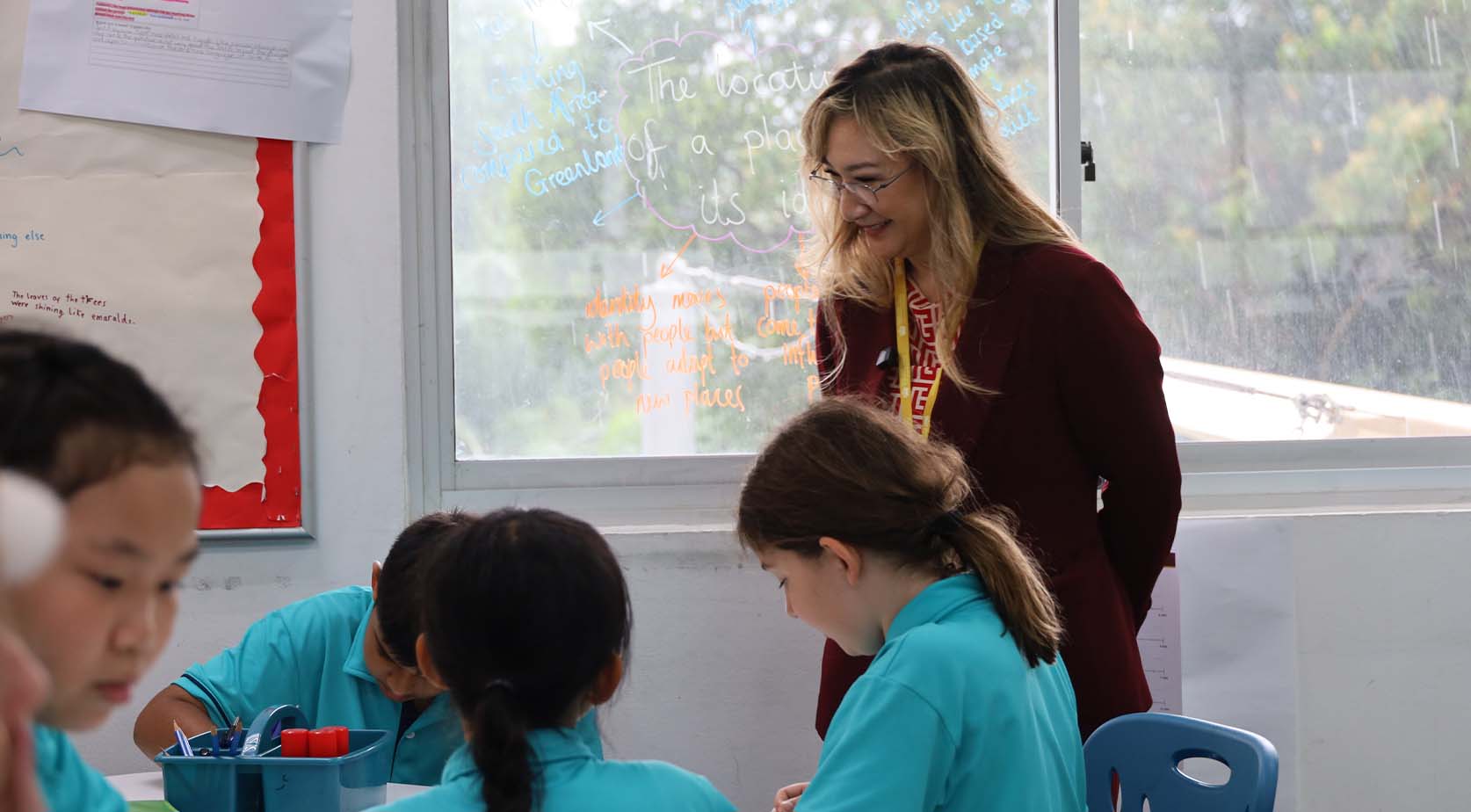
 Why Struggle and Joy Belong Together in Maths: Reflections from a Parent Workshop
How can we help children develop confidence and enjoyment in mathematics? Following a parent workshop at Dover Court International School, internationally recognised mathematics educator Dr Jennifer Chang Wathall explores the relationship between challenge, resilience and joyful learning.
News image ![Student Leadership at Dover Court International School Singapore | Meet Our 2026-27 Head and Deputy Head Students - Student Leadership at Dover Court Meet Our Head and Deputy Head Students for 2026-27]() News
News
 News
News Student Leadership at Dover Court: Meet Our Head and Deputy Head Students for 2026-27
Meet our Head and Deputy Head Students for 2026-27 and learn how leadership opportunities at Dover Court help students develop confidence, responsibility and a strong sense of community. From Primary School leadership opportunities to student-led initiatives and global experiences, leadership is nurtured at every stage of the Dover Court journey.
News image ![Dover Court International School Welcomes New Principal Richard Vaughan - Dover Court International School Welcomes New Principal Richard Vaughan]() News
News
 News
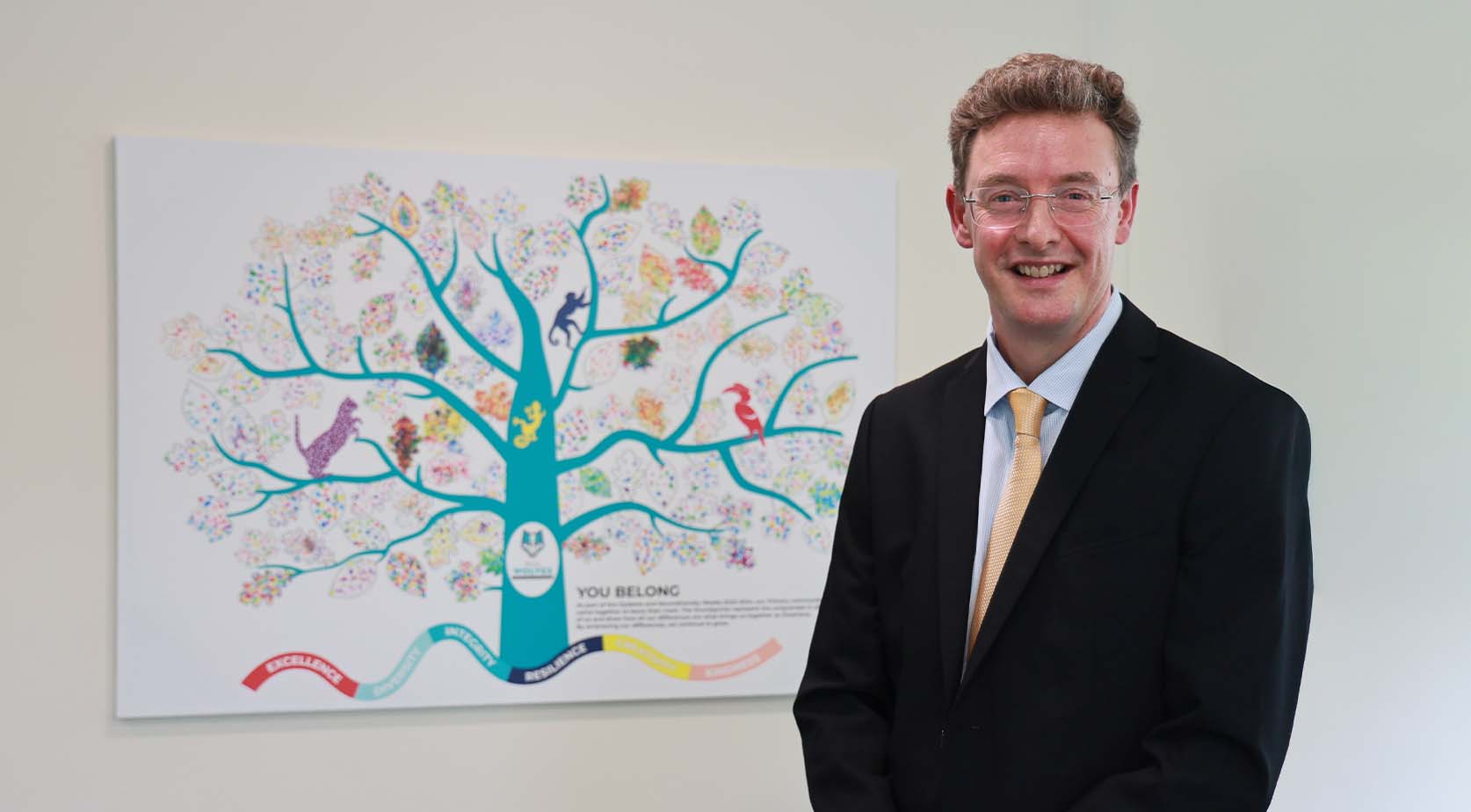
News Dover Court International School Welcomes New Principal Richard Vaughan
Dover Court International School is delighted to welcome Richard Vaughan as Principal, having joined the school at the start of the 2026-27 academic year. Bringing more than 25 years of educational leadership experience across the UK and internationally, Mr Vaughan joins Dover Court with a strong track record of fostering academic excellence, inclusive education and community-building.


